Henrike Naumann
Henrike Naumann (1984-2026) was born in Zwickau, GDR. She lived and worked in Berlin, Germany. She reflected socio-political problems on the level of interior design and domestic space and explored antagonistic political beliefs through the ambivalent aesthetics of personal taste. In her immersive installations she arranged furniture and home decor into scenographic spaces interspersed with video and sound work. Growing up in Eastern Germany, Naumann experienced extreme-right ideology as a predominant youth culture in the ’90s. Therefore, she has always been interested in the mechanisms of radicalization and how they are linked to personal experience. Although rooted in her experiences in Germany, Naumann’s work has addressed the global connectivity of youth cultures and their role in the process of cultural othering.
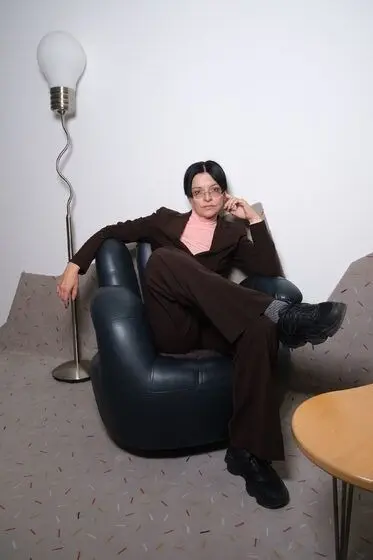
Henrike Naumann (1984-2026) was born in Zwickau, GDR. She lived and worked in Berlin, Germany. She reflected socio-political problems on the level of interior design and domestic space and explored antagonistic political beliefs through the ambivalent aesthetics of personal taste. In her immersive installations she arranged furniture and home decor into scenographic spaces interspersed with video and sound work. Growing up in Eastern Germany, Naumann experienced extreme-right ideology as a predominant youth culture in the ’90s. Therefore, she has always been interested in the mechanisms of radicalization and how they are linked to personal experience. Although rooted in her experiences in Germany, Naumann’s work has addressed the global connectivity of youth cultures and their role in the process of cultural othering.
In her works, Henrike Naumann investigated the consequences of the unification of East and West Germany in 1990 and the influence it has had on the further development of German society and its identity. She created compound installations of furniture and home decor that explore social and political problems on the level of interior design, revealing the connection between personal aesthetic preferences and radicalized political beliefs.
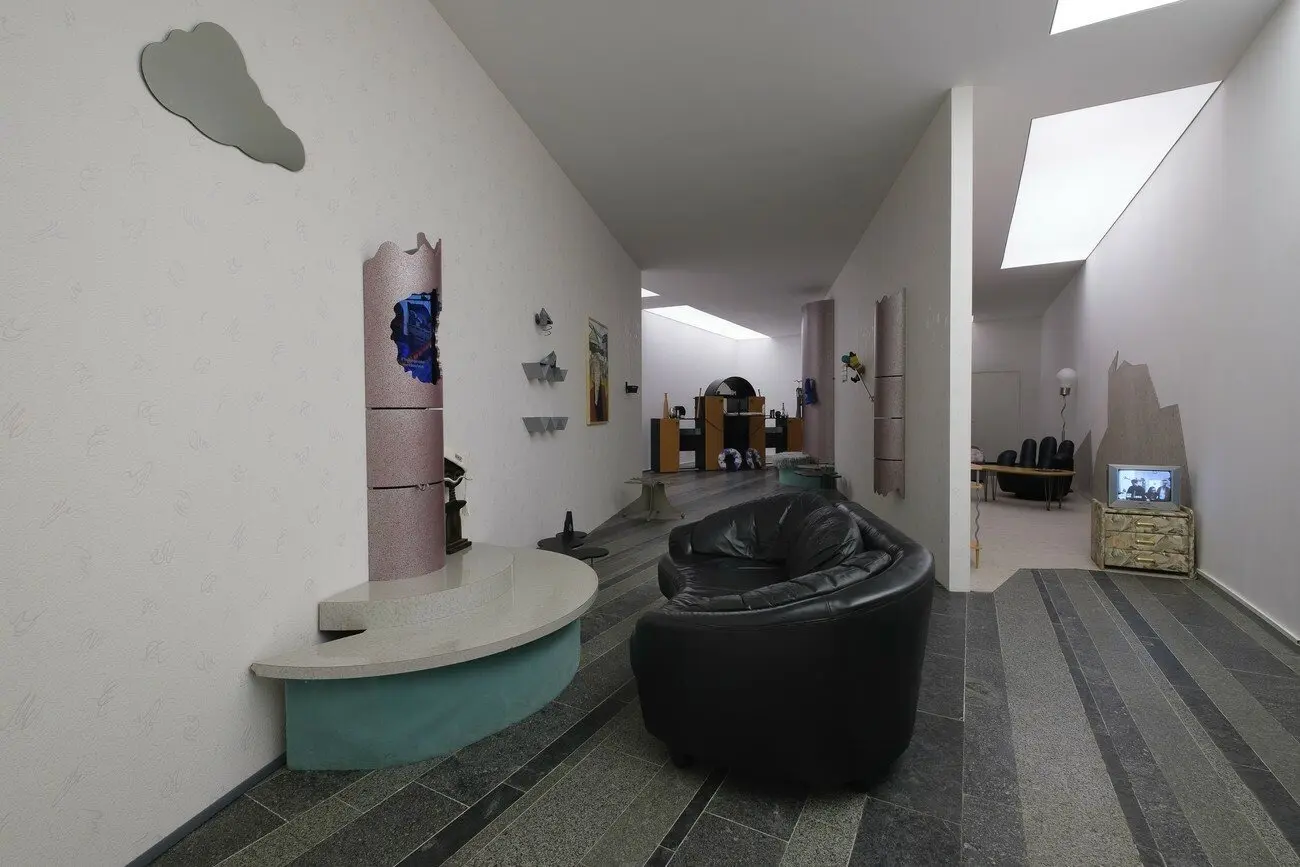
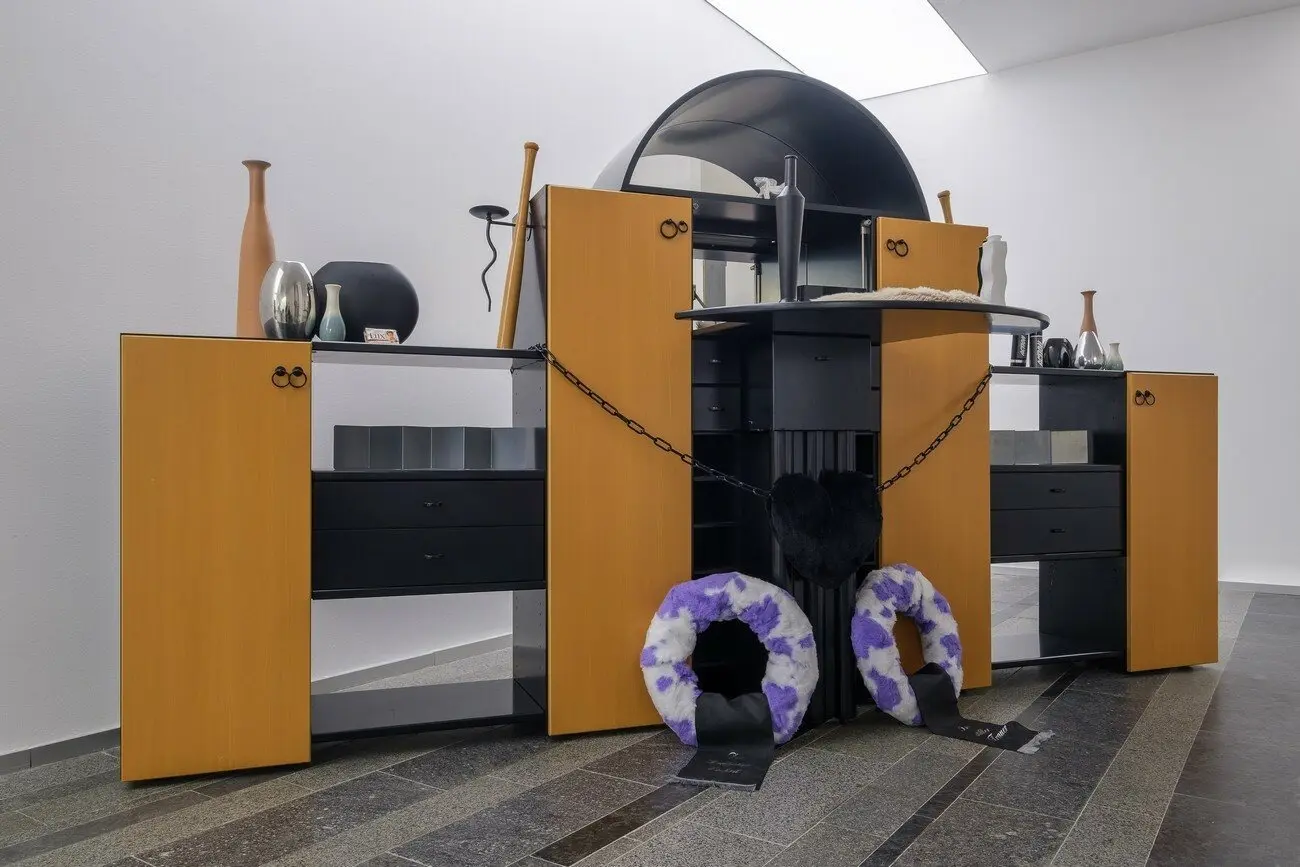
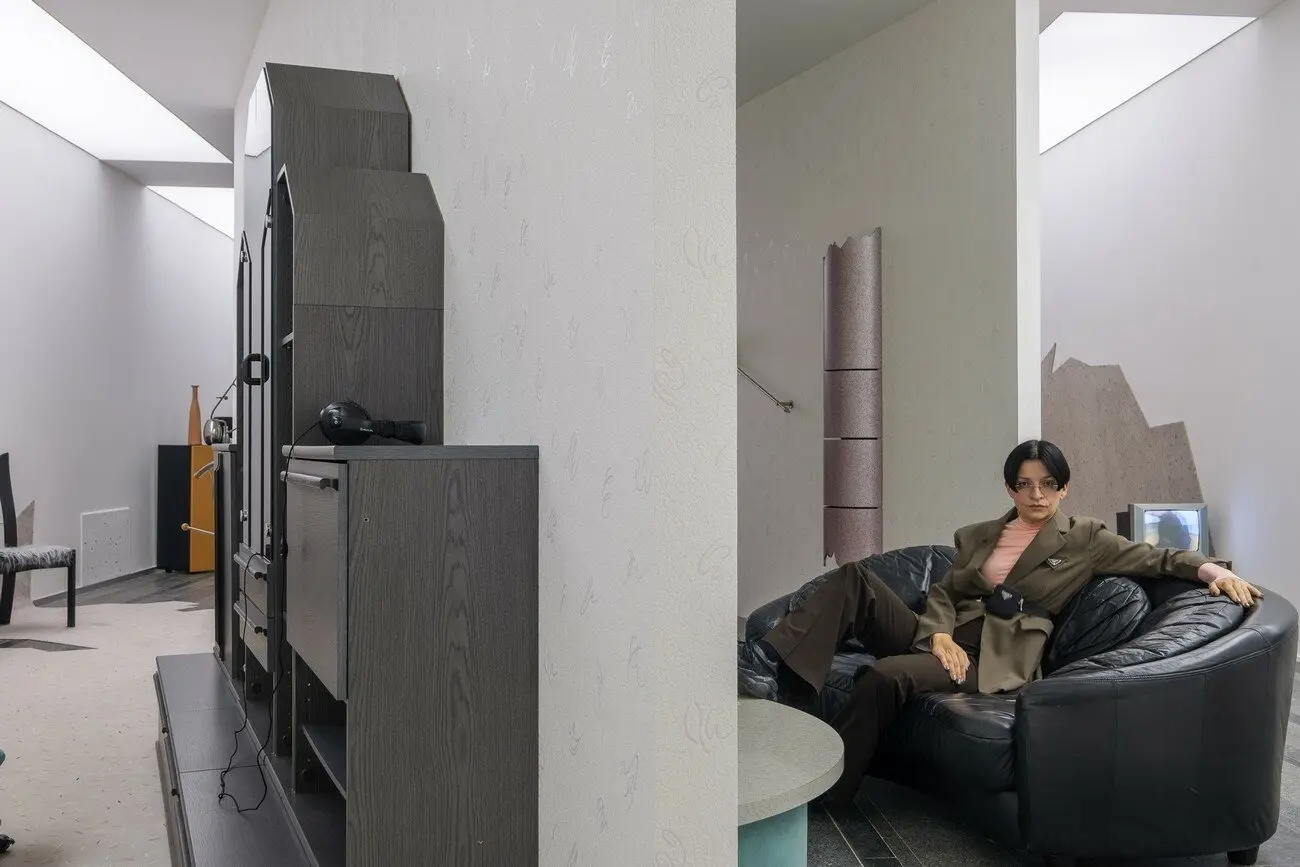
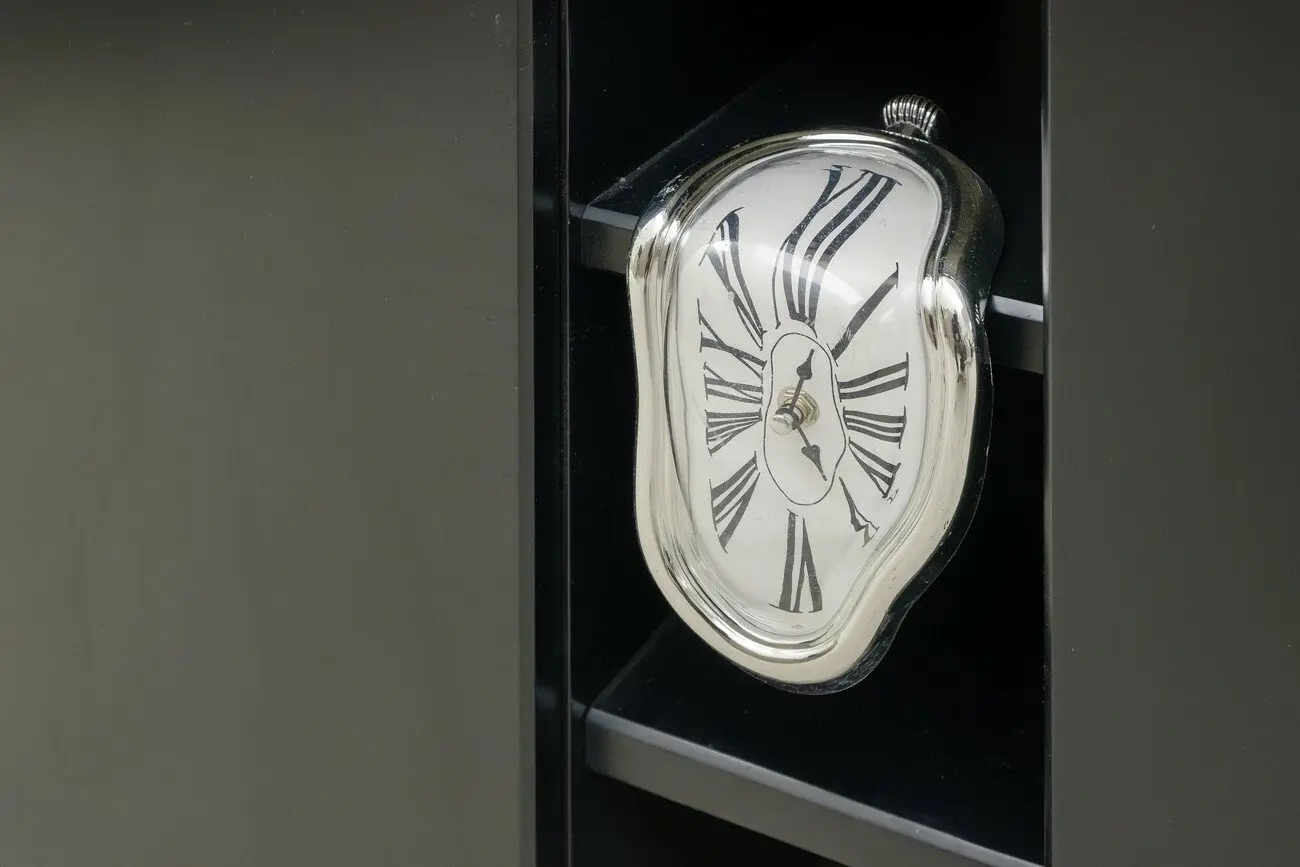
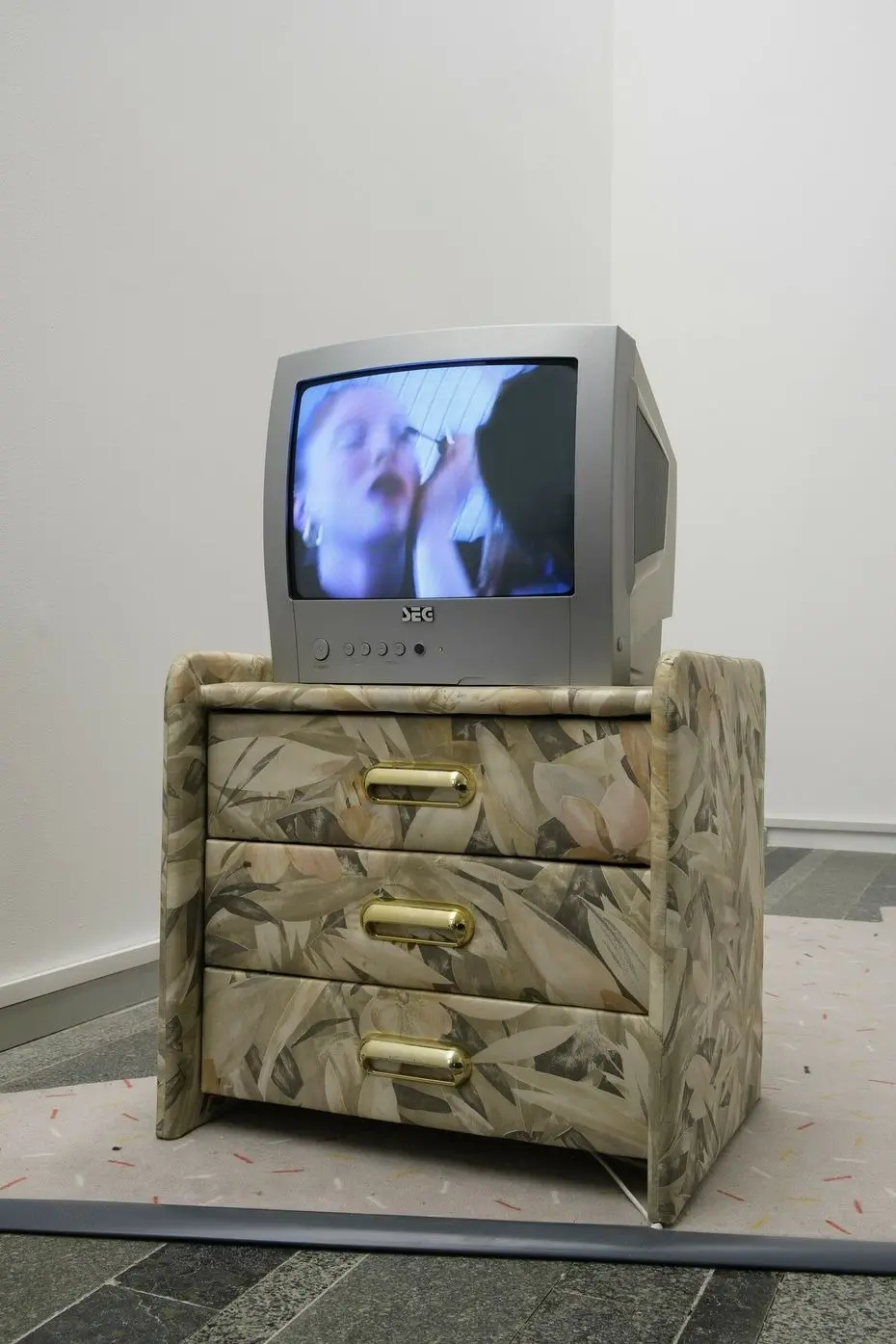
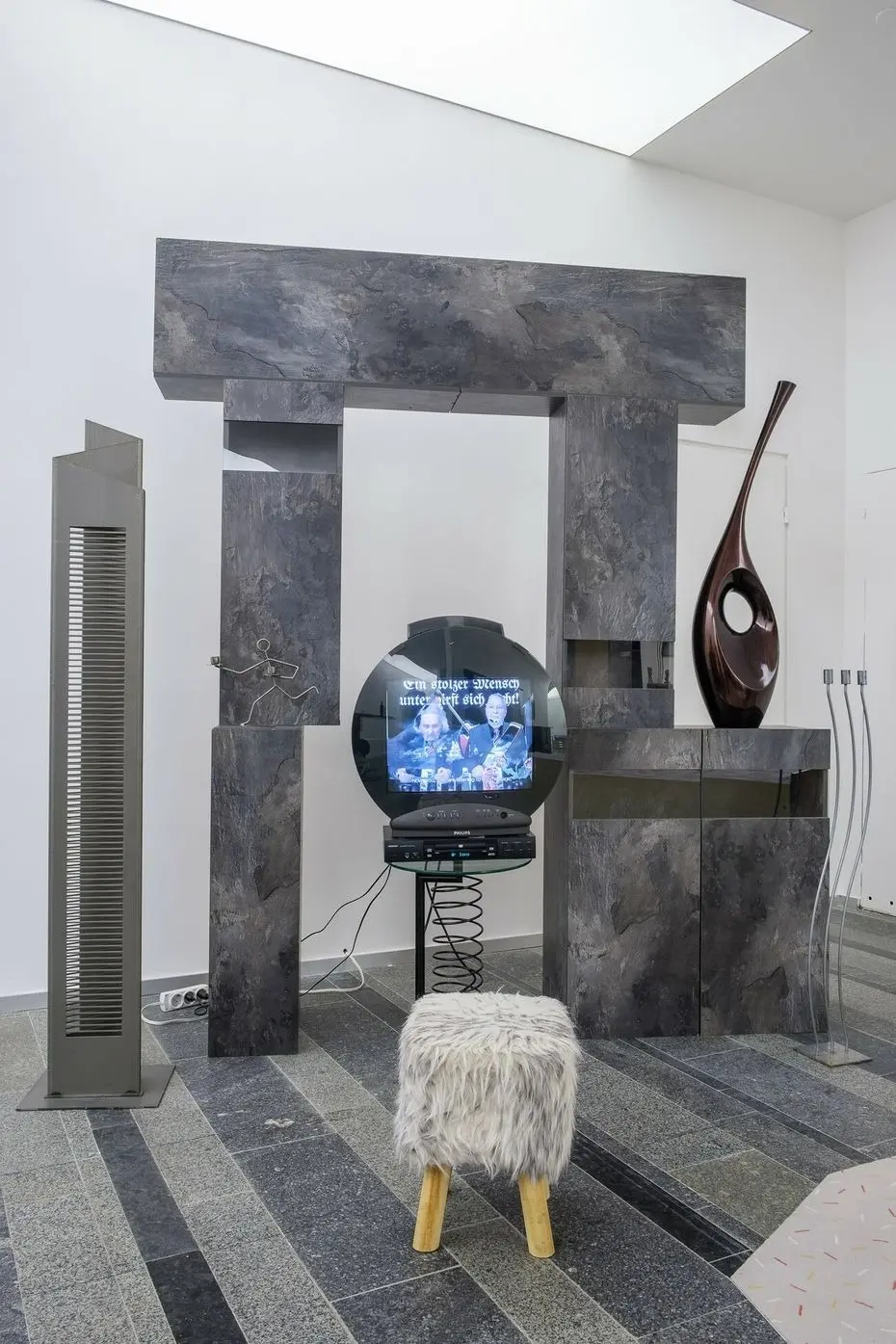
For the Future Generation Art Prize 2021 Naumann presented her work 2000, which takes the year of the new millennium as the starting point for a discussion about the post-unification period and the influence of postmodern design in Germany. The installation consists of furniture pieces, design objects, and artifacts of that time, sourced from the artist’s personal archive, Expo 2000 in Hanover, and the living rooms of Mönchengladbach. Together they represent the postmodern era, and, arranged based on the artist’s research on social media, composite images of apartment interiors of East German neo-Nazis. The grey carpet on the floor duplicates Germany’s territory borders, depicting the East and West parts as two separated sections. Through the practice of reconstruction, Naumann sought to define the reasons why these aesthetic codes are still common in German homes and how they affect the future of the country.
The films Triangular Stories (Amnesia) and Triangular Stories (Terror), integrated into the installation, tell the story of two different groups of young people. While teenagers from West Germany look forward to a party at a club called Amnesia in Ibiza, their peers from East Germany become violent and aggressive under the influence of neo-fascist ideology.
Exhibition