Pedro Neves Marques
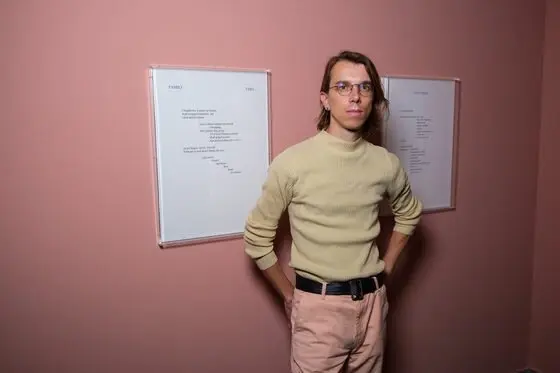
The Special Prize winner
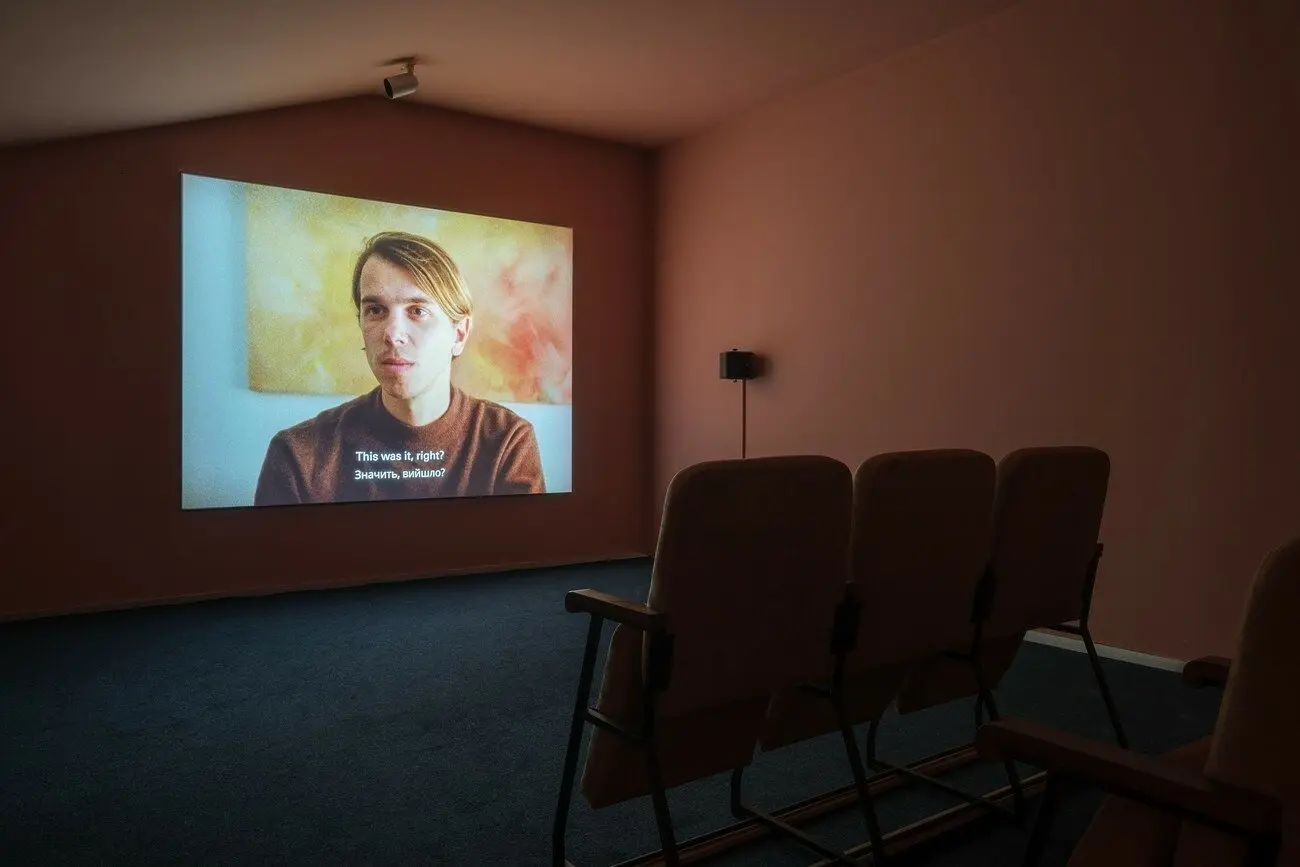
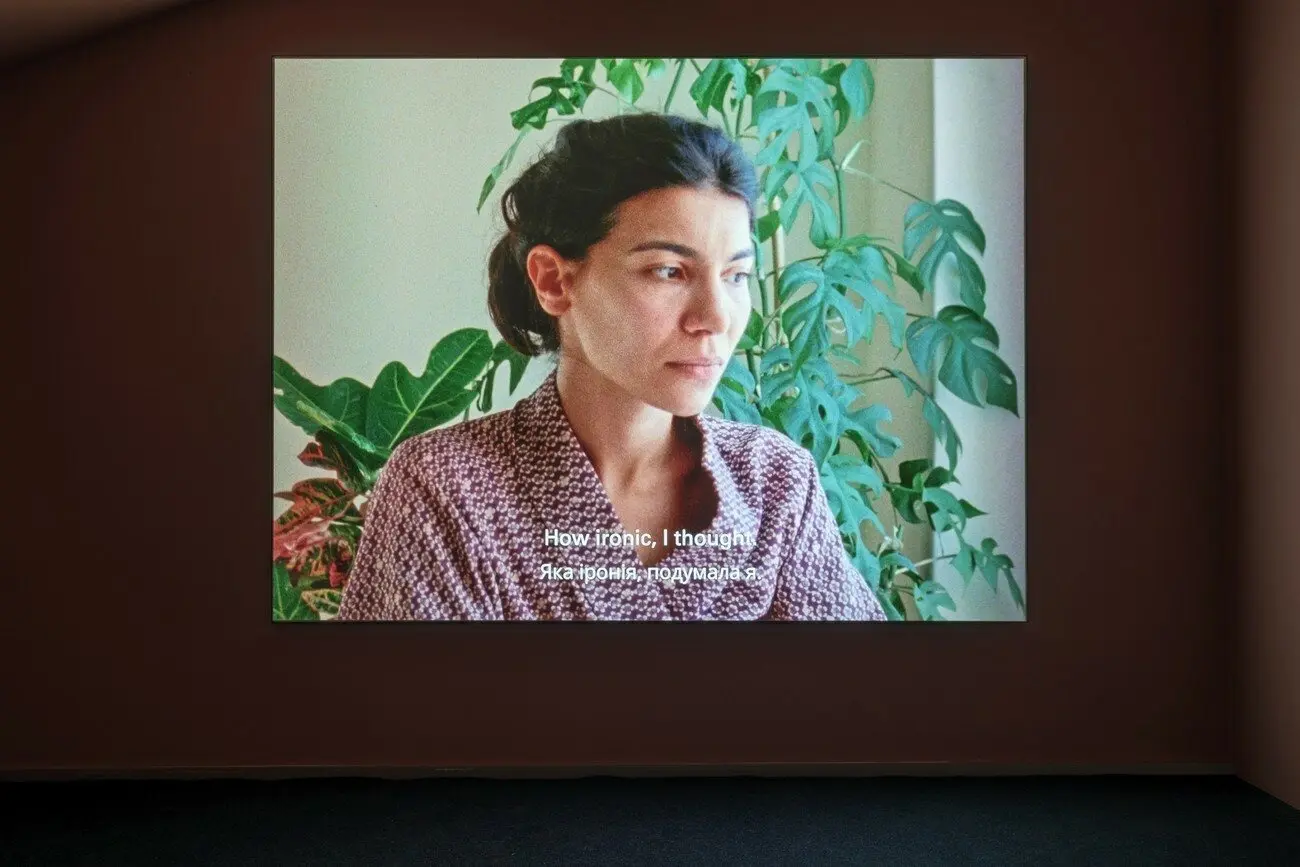
Middle Ages is short fiction film that focuses on a group of friends and lovers facing a crisis about their sexuality and desire for reproduction. It tells the story of a heterosexual couple struggling with infertility issues (Mirene and André), while a homosexual couple (Carl and Vicente) also try to have a biological child using an experimental technique that falsifies gestation by implanting an ovary in a male cis body. The classic cinematography, anchored on the performance of the cast, which includes the artist, is contrasted with an almost science fiction narrative.
As in previous films by Neves Marques, the contrast between image and speculation produces a feeling of estrangement and serves as a backdrop for the exploration of interpersonal dramas in a rapidly accelerating world, as well as political inquiries into gender and sex, the coloniality of technology and science, the ecologically natural and the artificial, and a break with expected roles. In fact, the story comes from Neves Marques own experience, circle of friends, and conversations about reproductive desires within a LGBTQI+ context.
As such, the film’s title, Middle Ages, refers to more than the characters’ moment in life, a period during which the issue of reproduction, whether desired or not, becomes increasingly present. The title also works as an image to provoke thought about an era of transition, where established rules, conceptions of the body and gender, beliefs and technology, begin to shift and become more fluid and politically unpredictable.
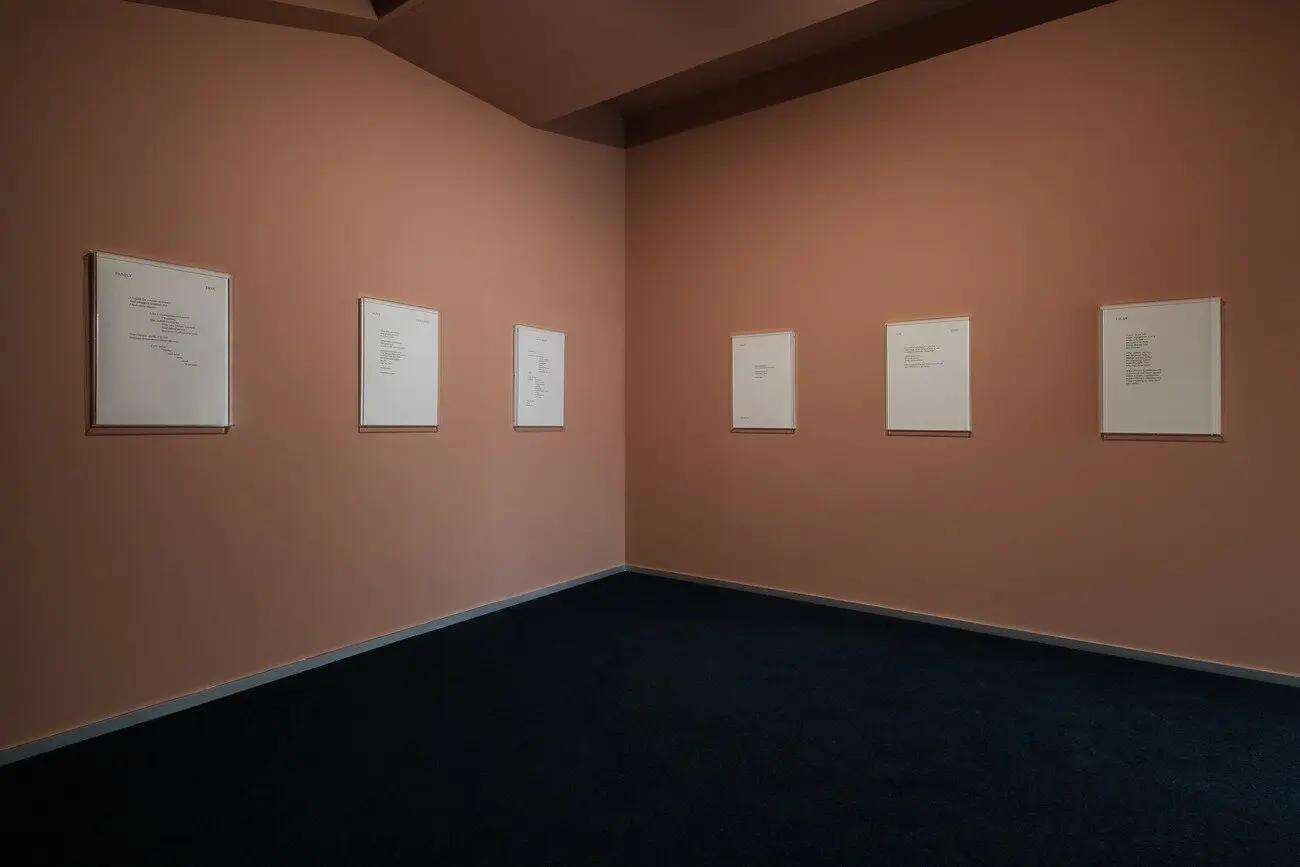
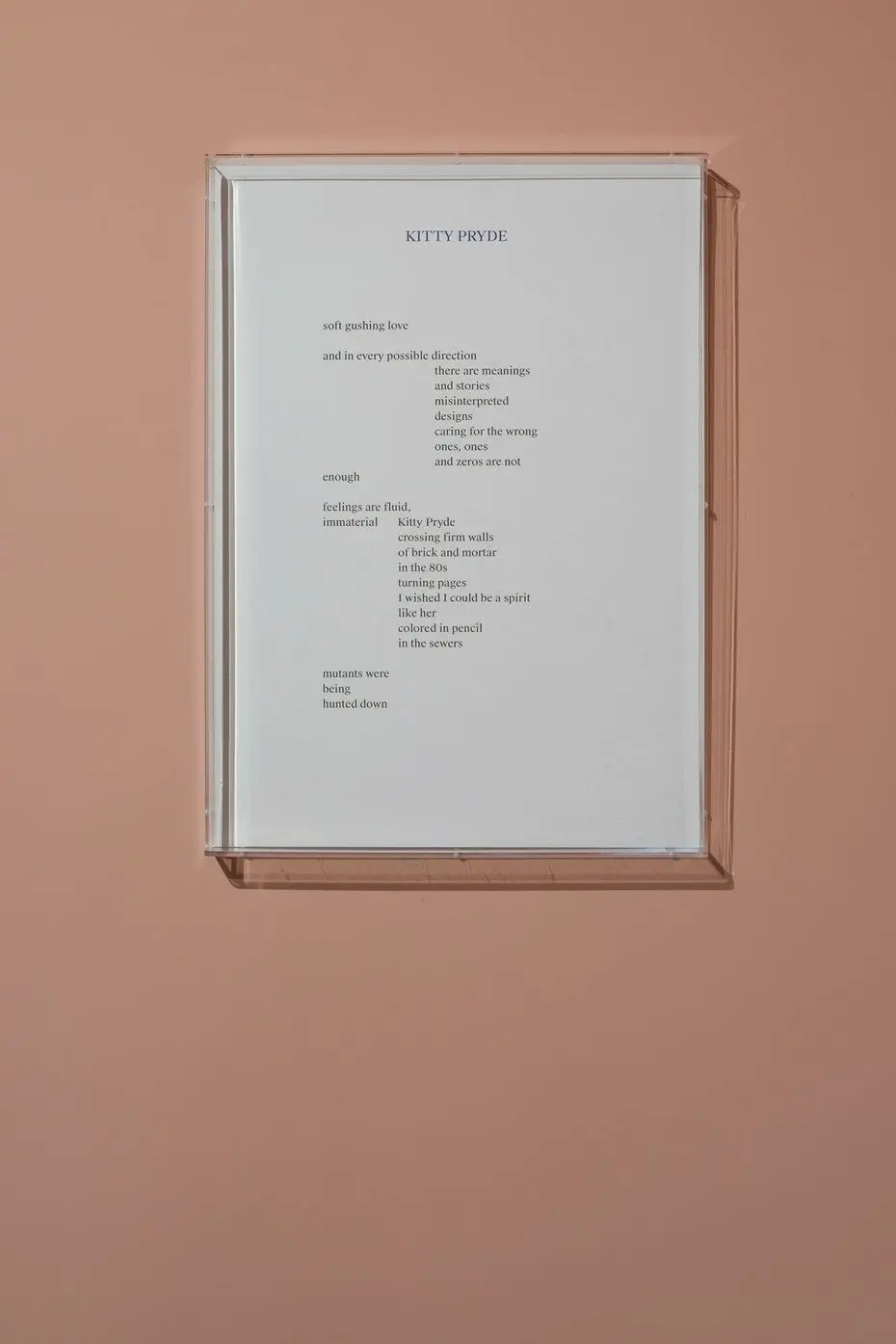
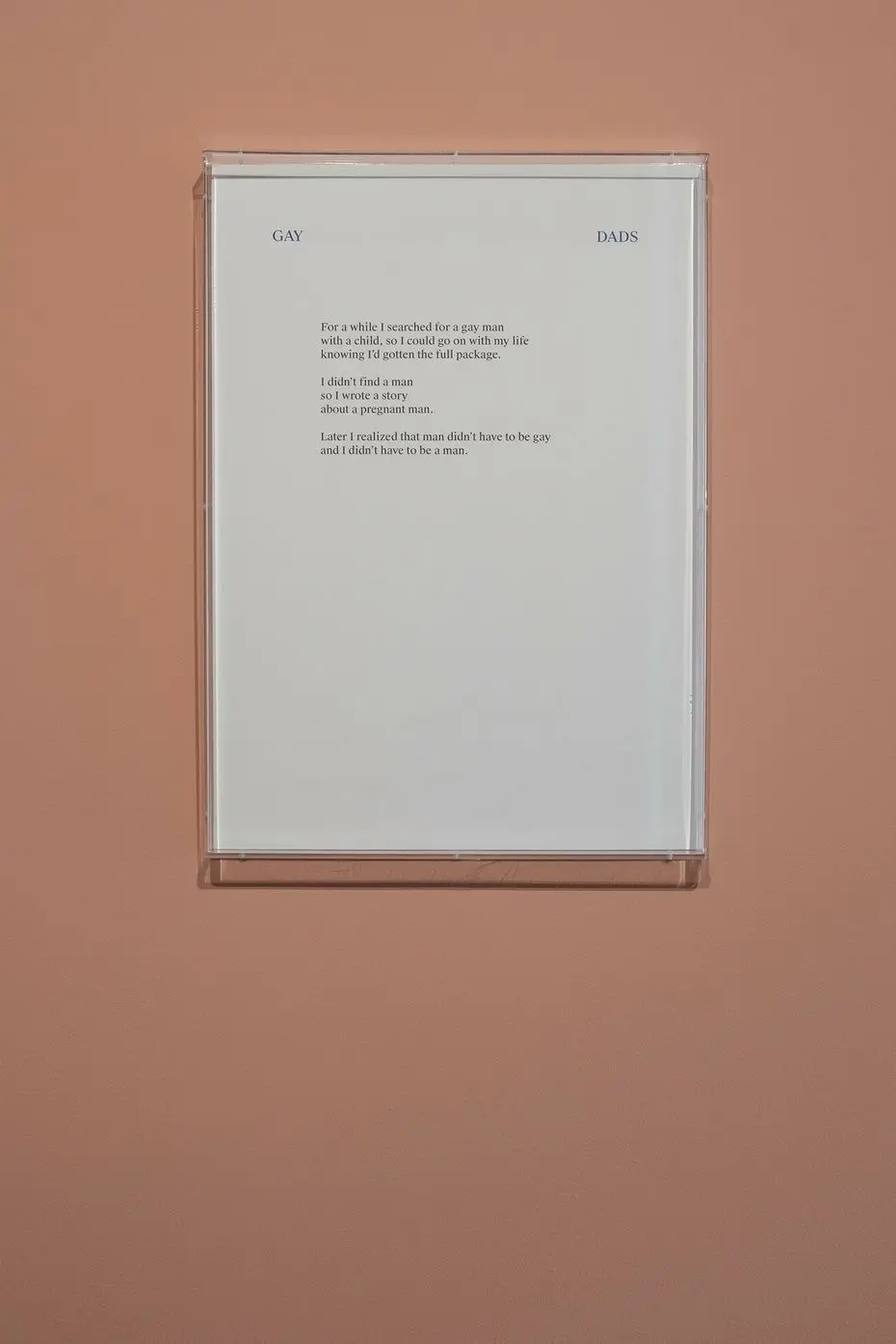
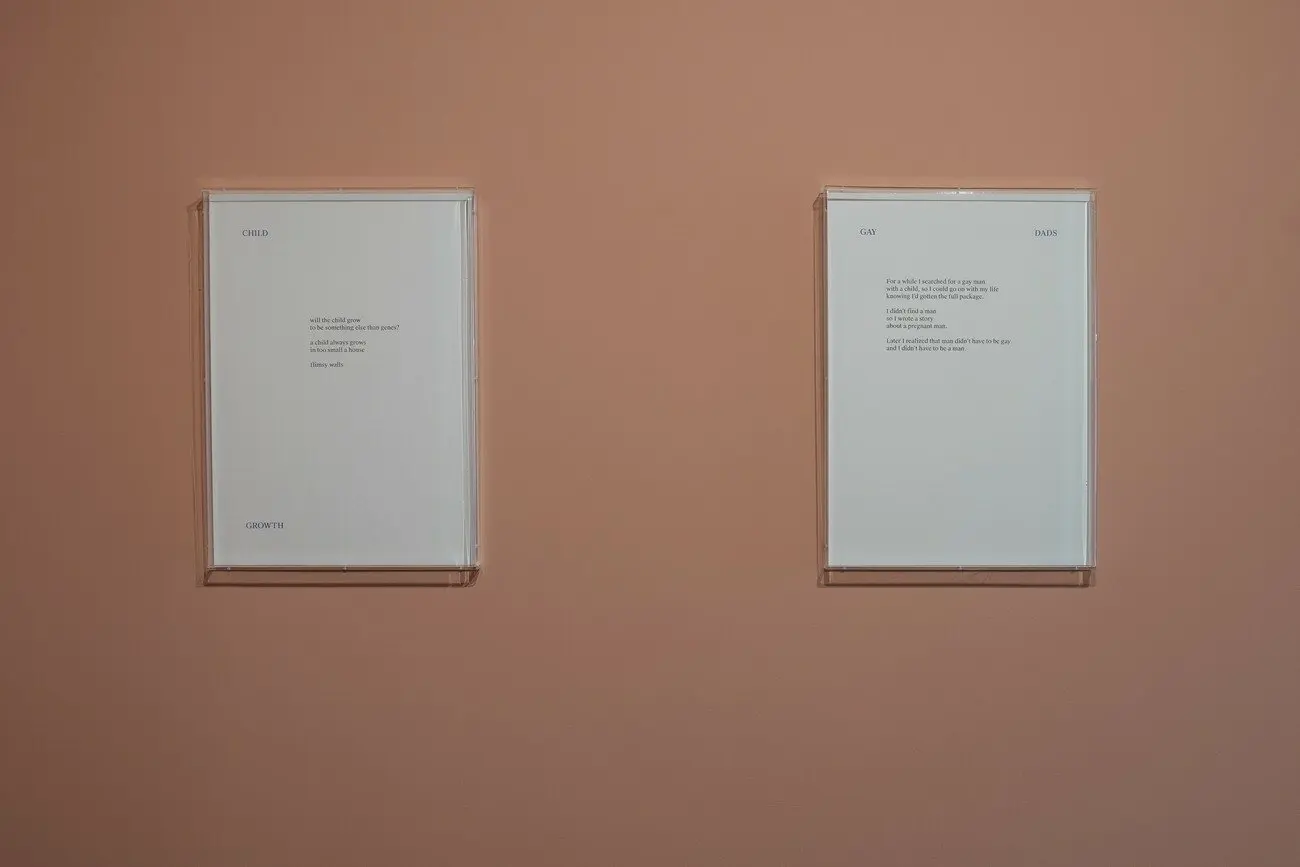
Though not a series, the exhibited poems each reflect and are built on fragility, intimacy, and exposure. As a growing practice of Neves Marques, their poetry navigates the thin line between reality and fiction, autobiography and speculation, the experiences that belong to the artist and to the people who surround them. Expressing in subtle ways the daily trappings of normativity and how they clash with the fluidity of bodies and dysphorias, they also touch upon the influence of science, technology, and popular culture on the imagination.
Exhibition