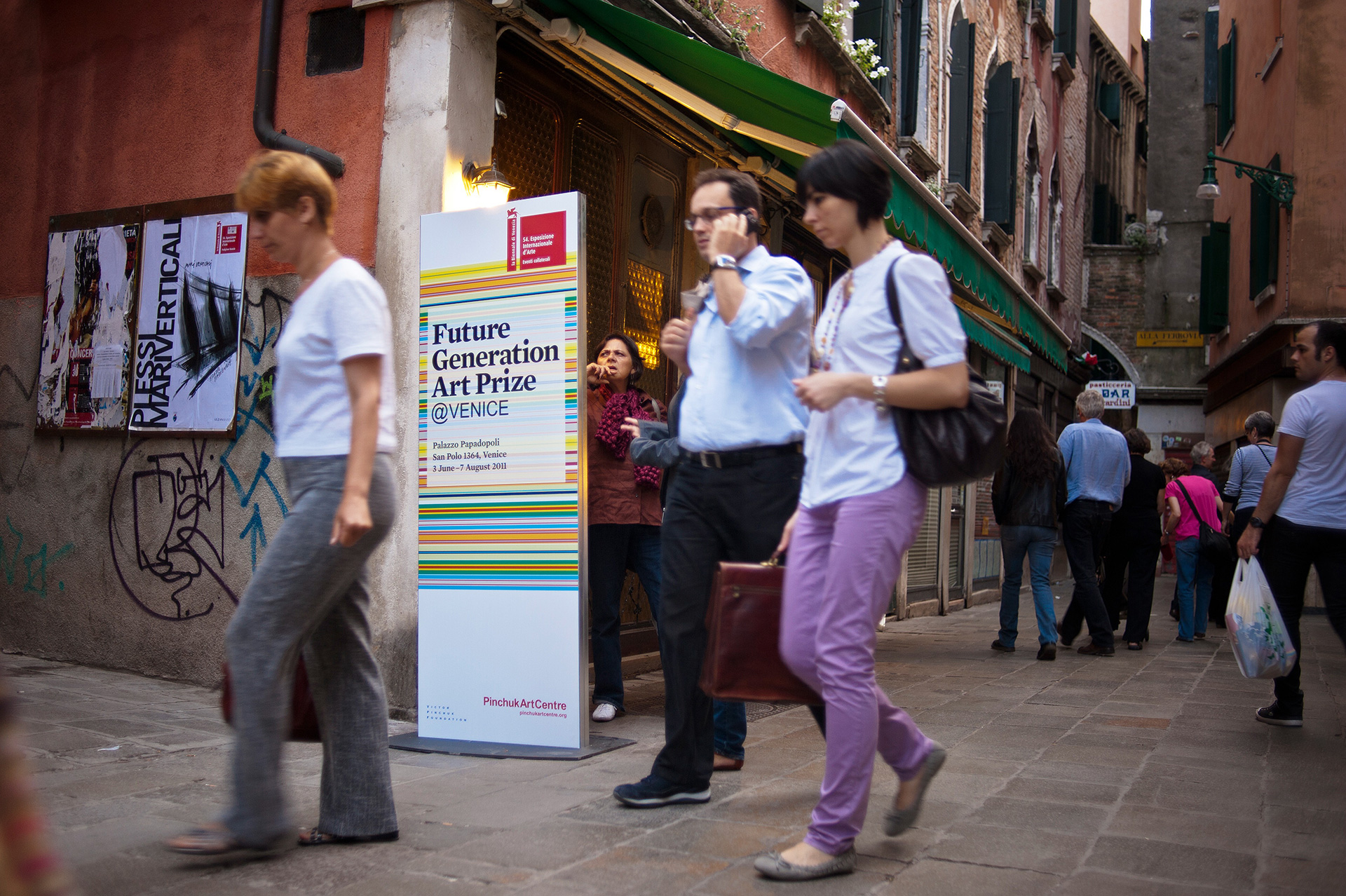
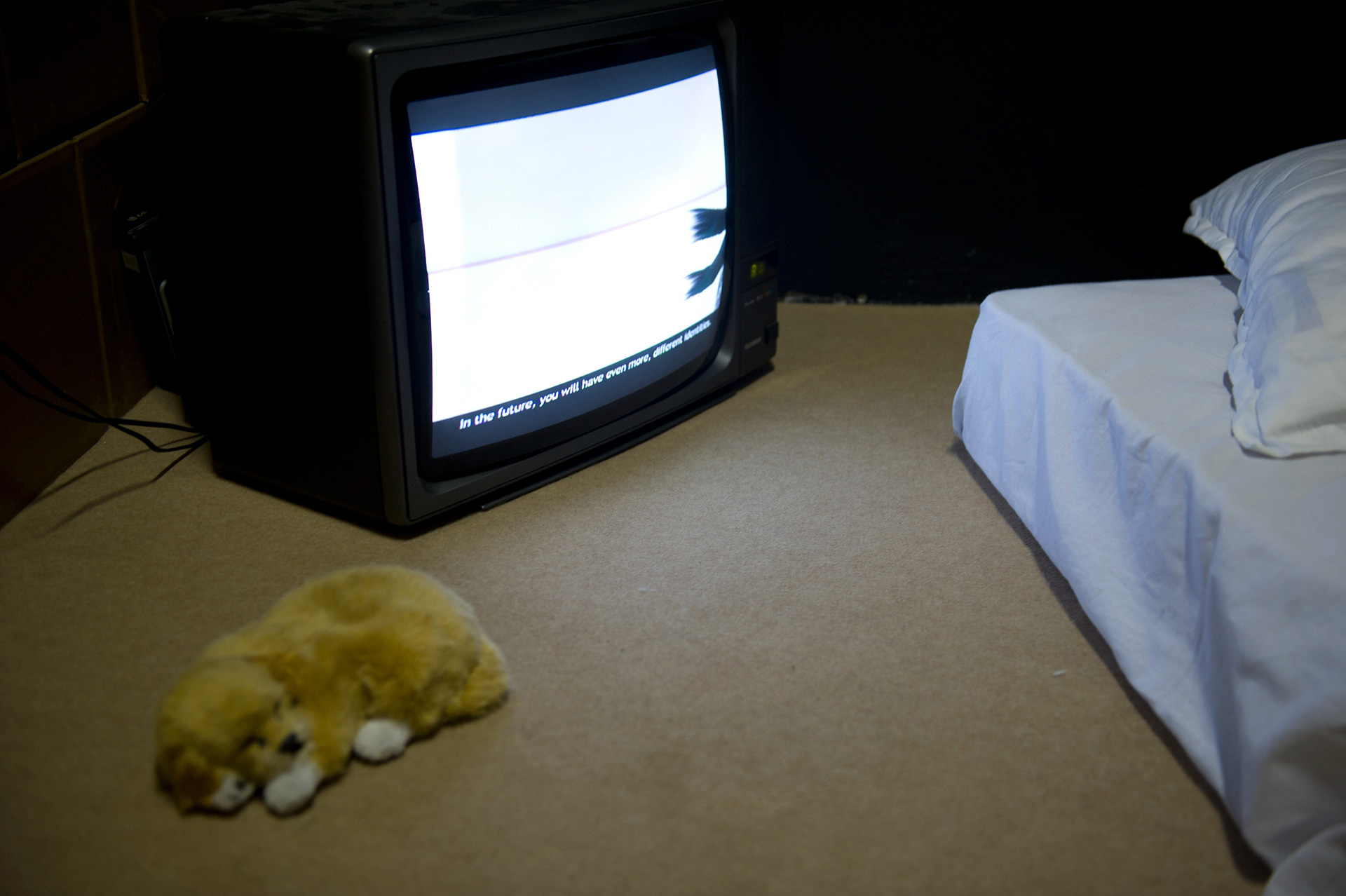
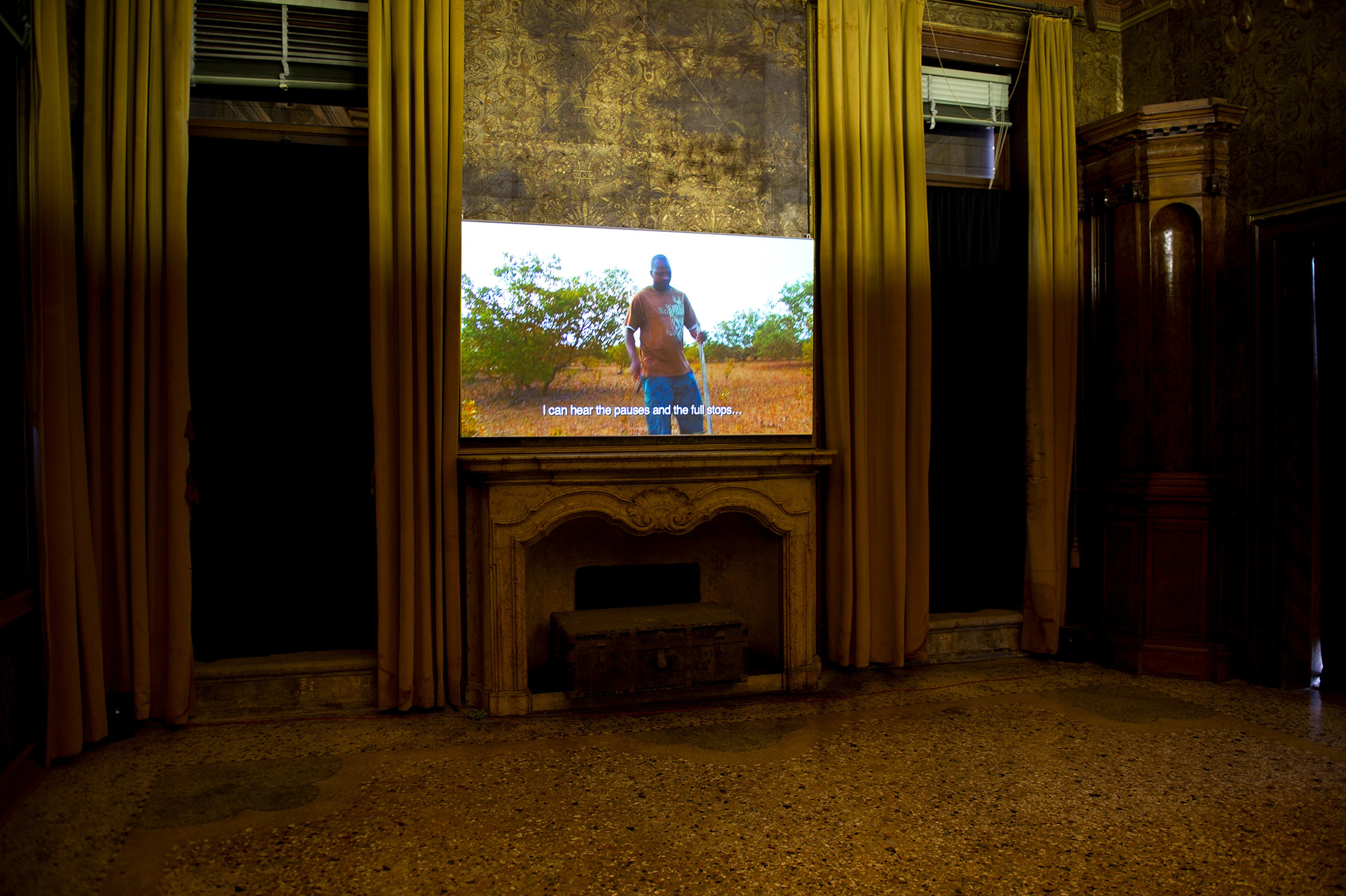
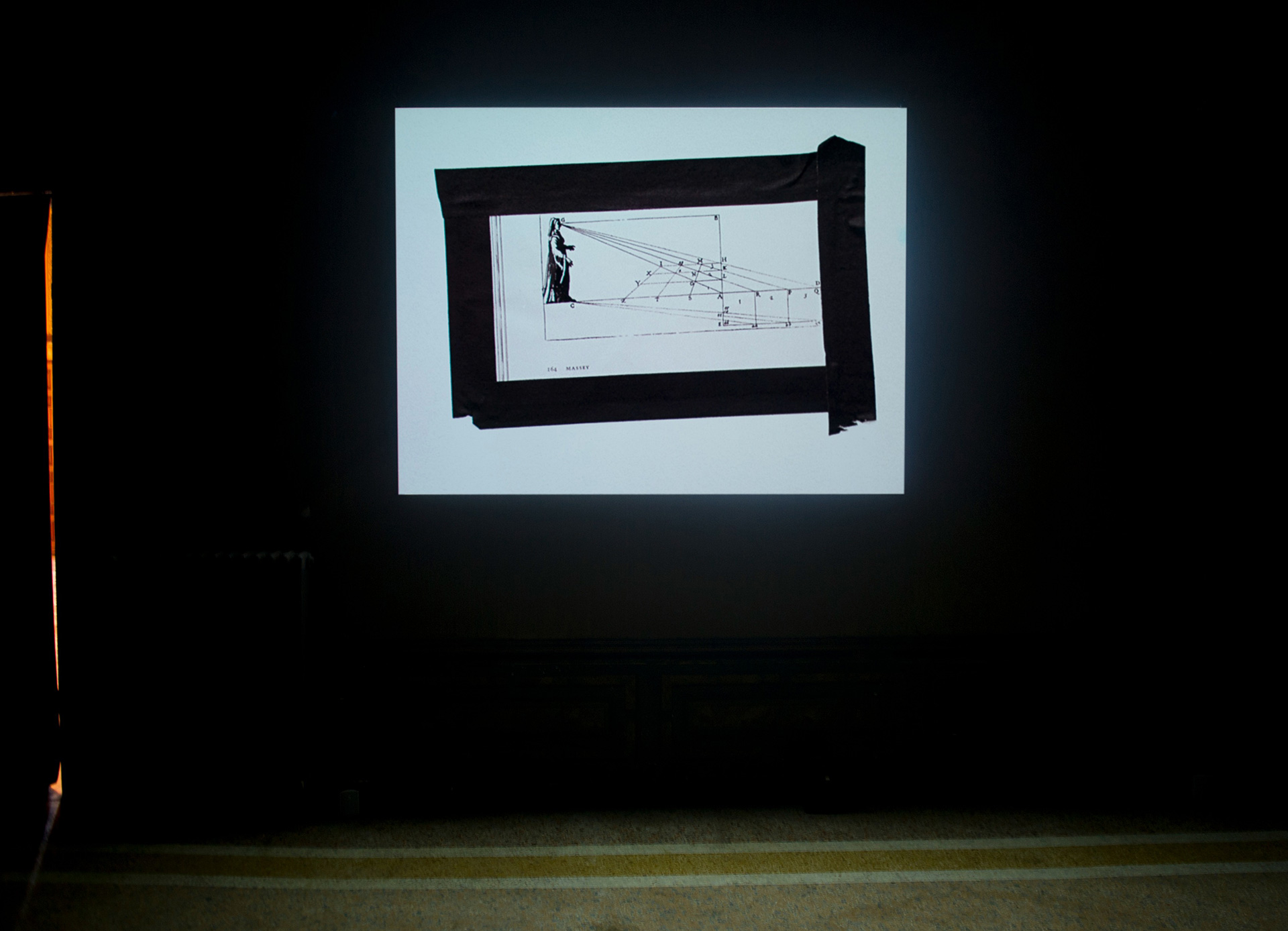
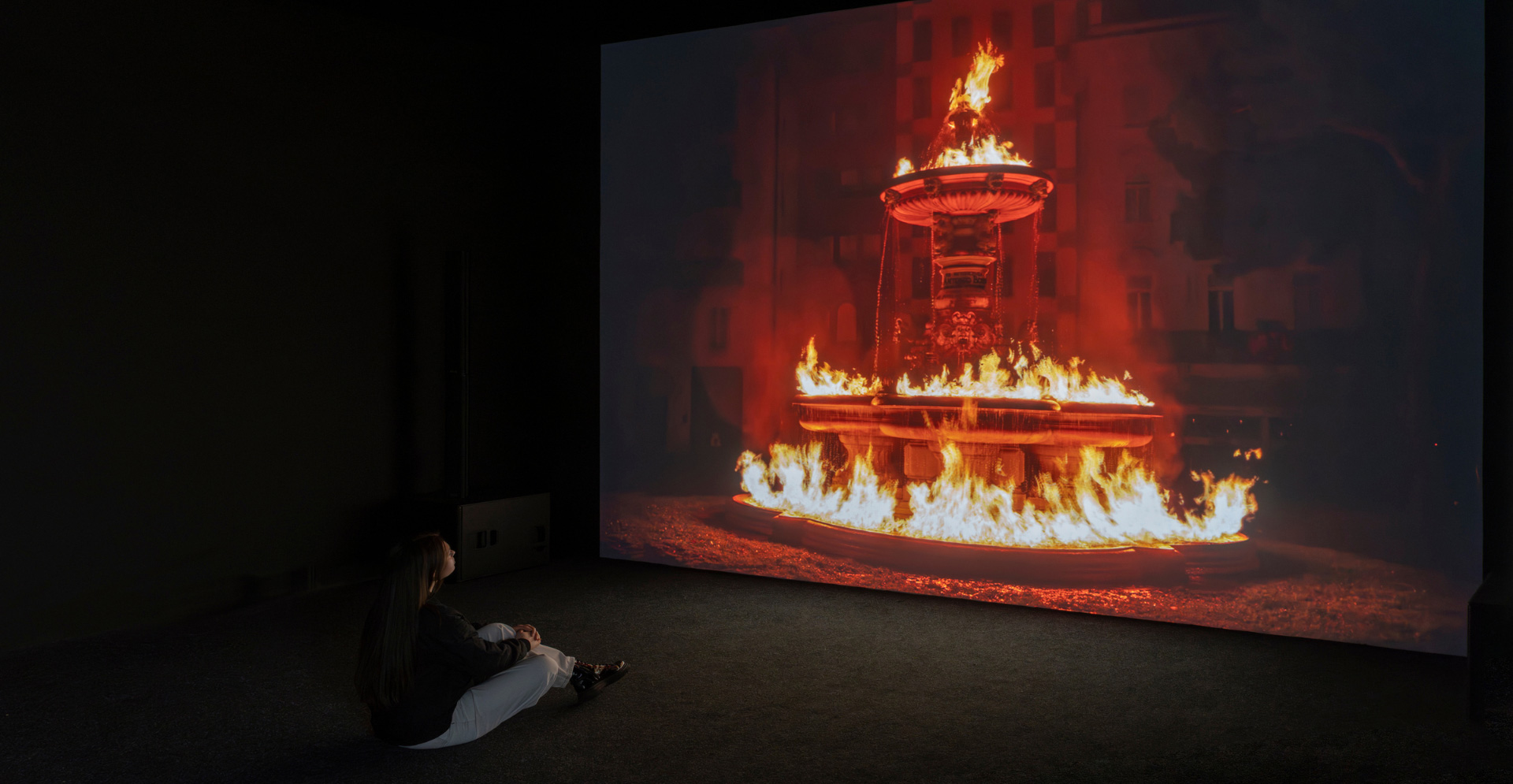
The PinchukArtCentre and the Victor Pinchuk Foundation are proud to present the exhibition “The Future Generation Art Prize @ Venice”, featuring 19 artists from 18 different countries who were shortlisted in the first global art prize competition.
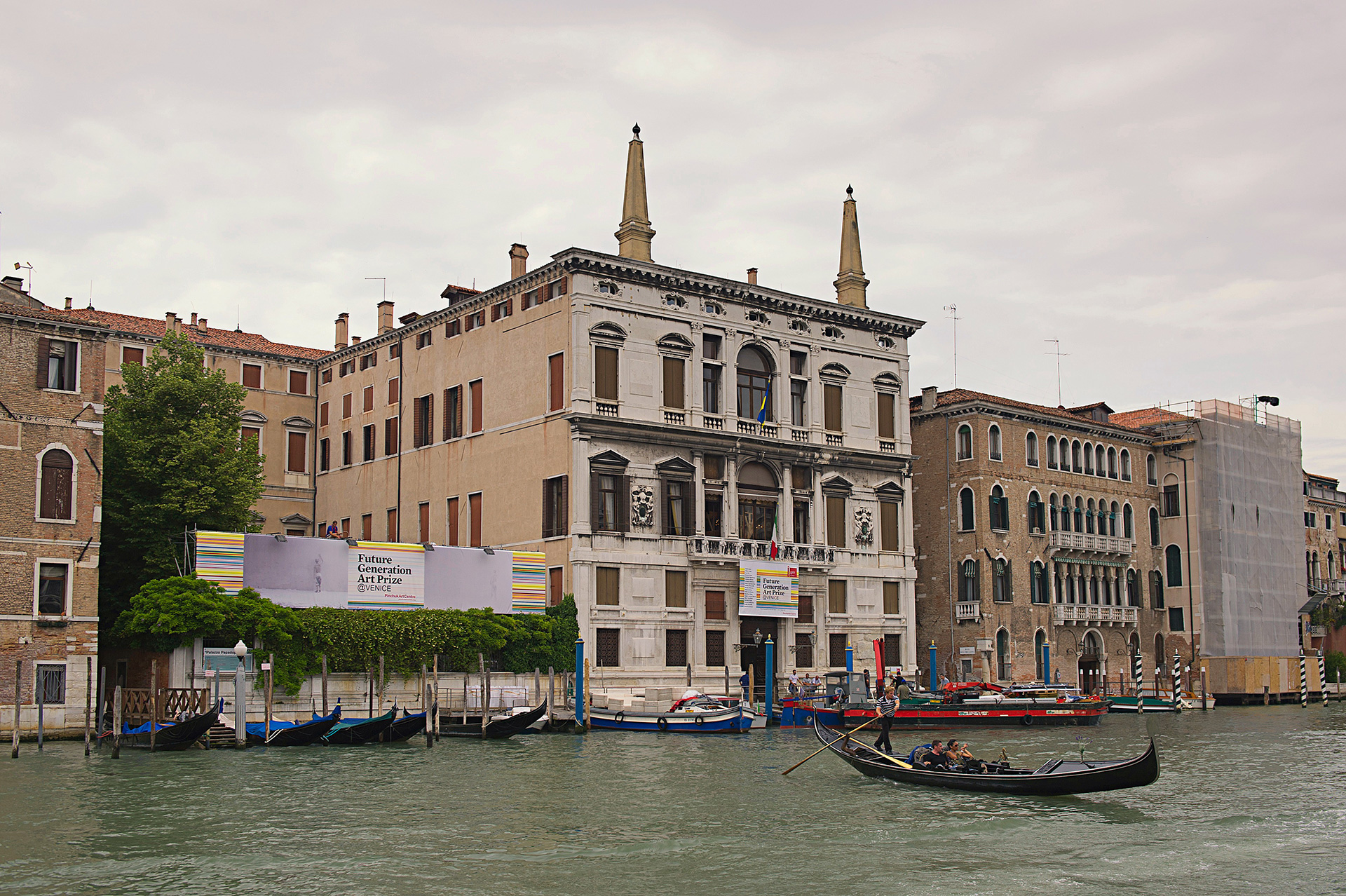
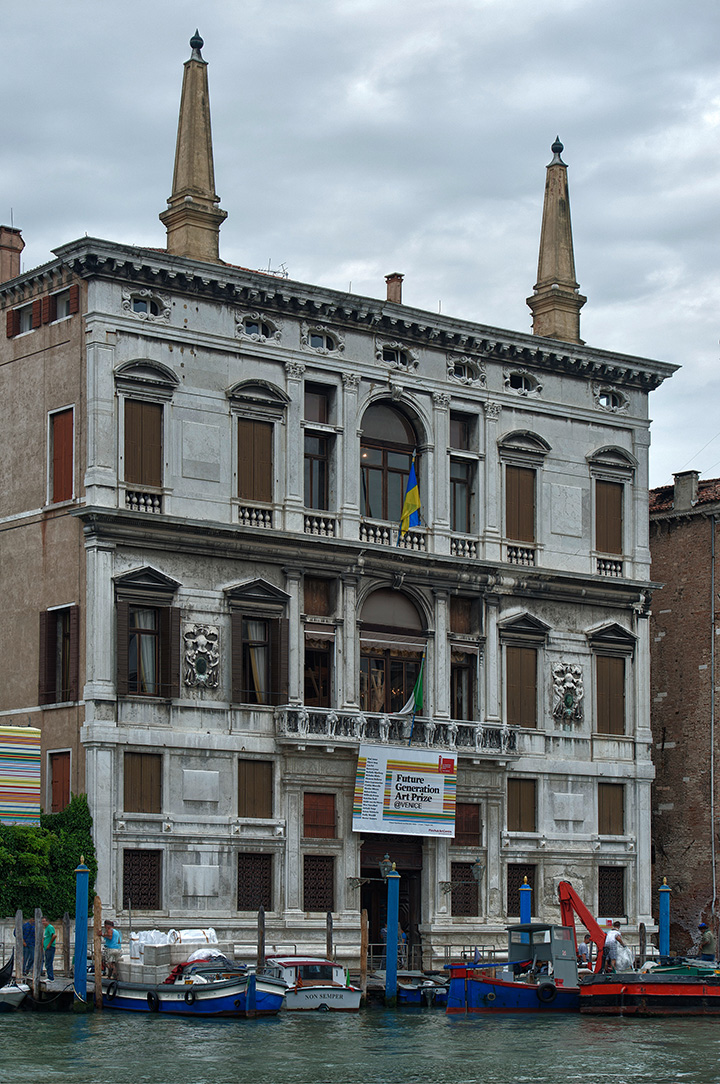
The project — an official Collateral Event of the 54th International Art Exhibition – la Biennale di Venezia — will be on view at the Palazzo Papadopoli from 4 June till 7 August, 2011. The hours are 10:00 – 18:00 daily (closed on Mondays).
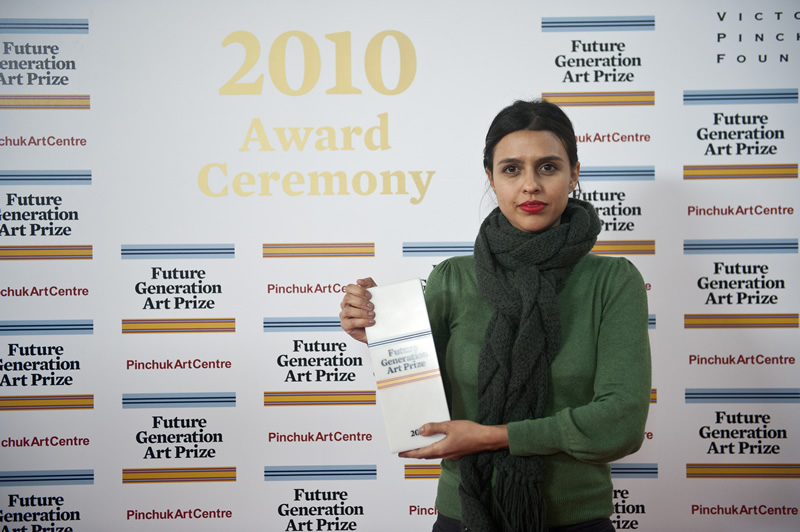
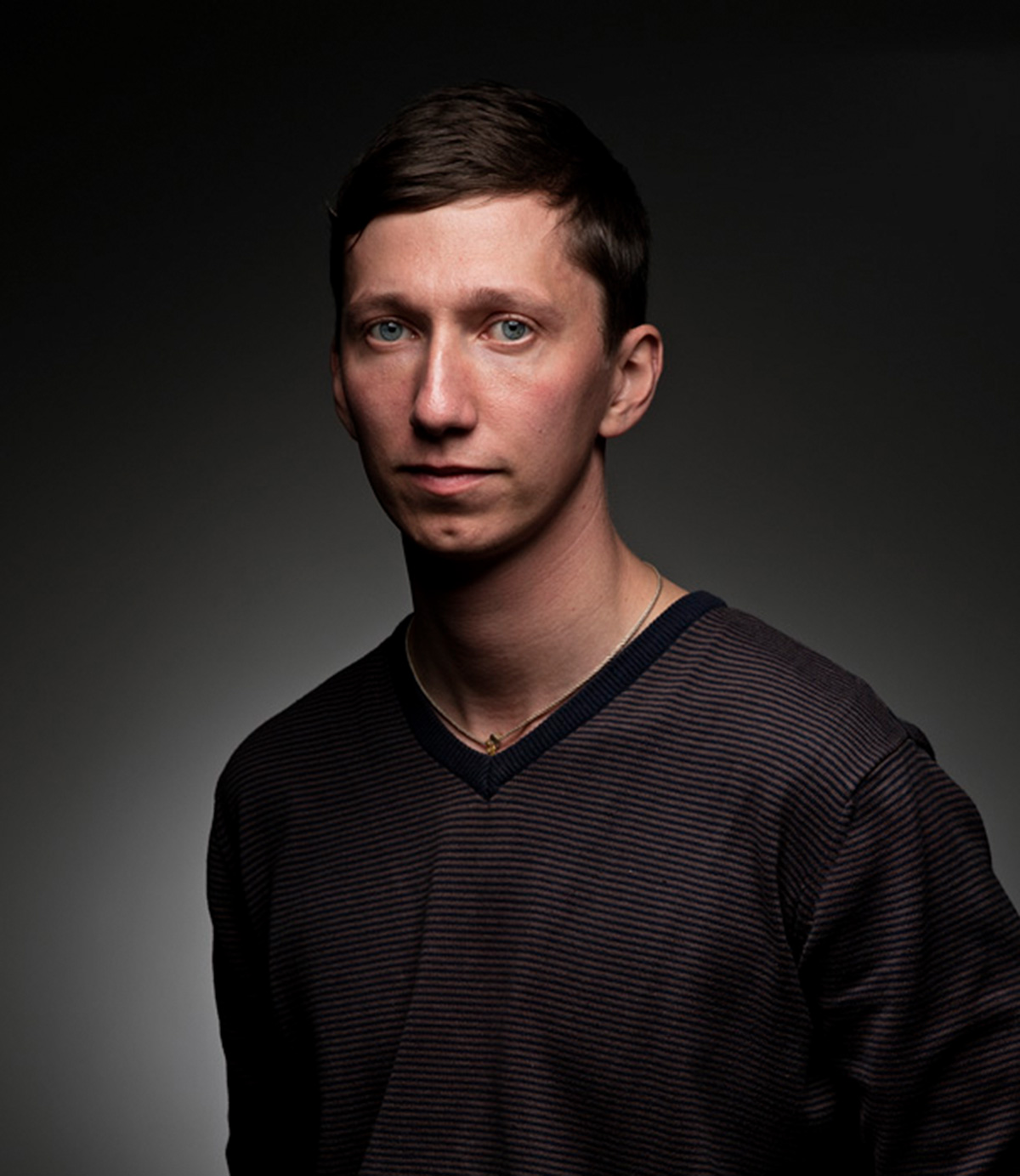
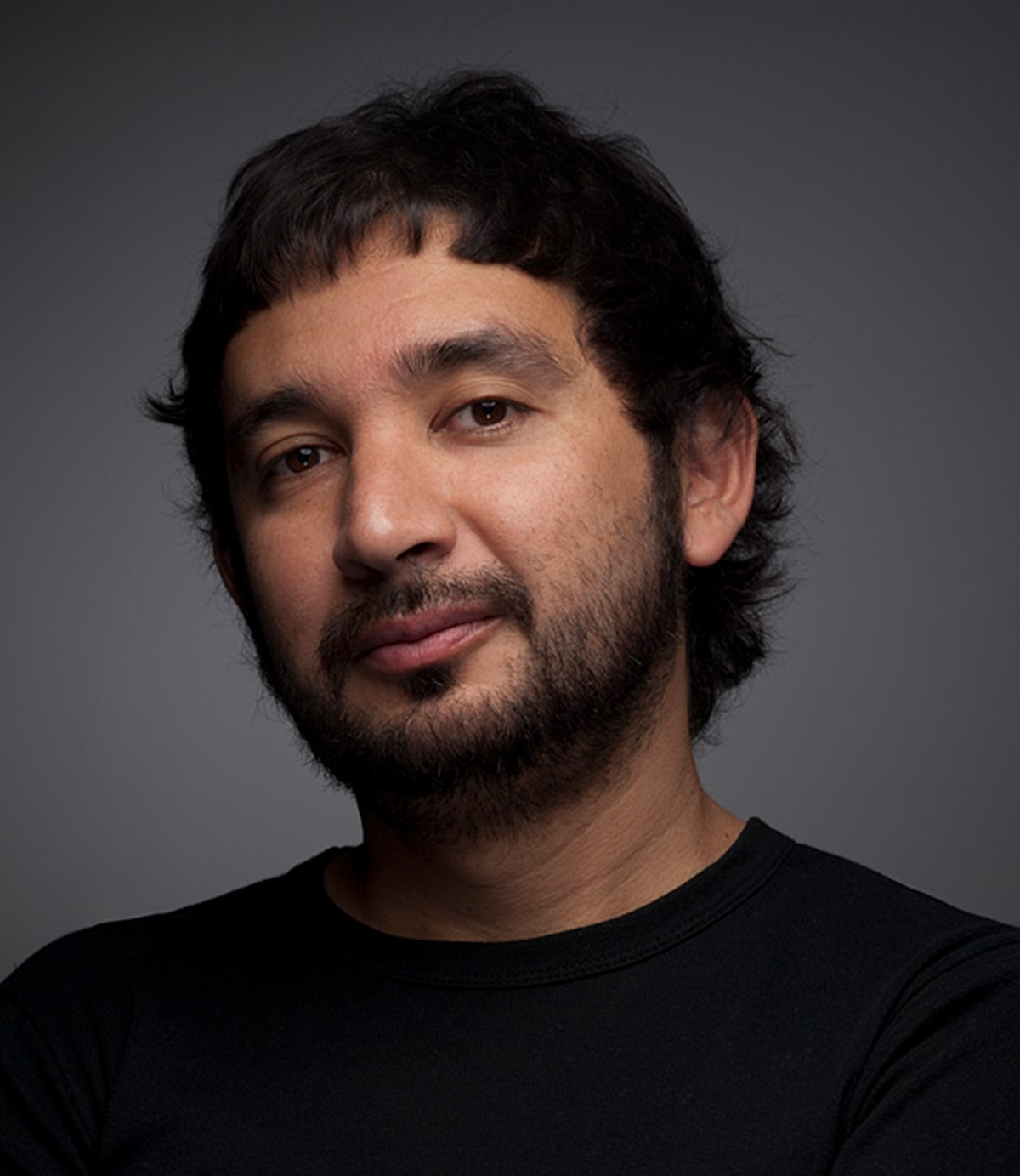
The exhibition showcases 19 independent artists’ statements, including the winners, Cinthia Marcelle (Main Prize), Nicolae Mircea (Special Prize) and Artem Volokytin, the first winner of the PinchukArtCentre Prize in 2009. This complex and dynamic view of a new generation of artists will be a major contribution to the 54th International Art Exhibition – la Biennale di Venezia, “ILLUMInations,” whose title literally draws attention to the importance of global artistic developments. With its strength and innovative profile, “The Future Generation Art Prize @ Venice” embodies this forward thinking. Of the groups of works to be shown, 13 were made especially for the Future Generation Art Prize, and 7 will be given their premieres in Venice.
The artists in the exhibition are: Ziad Antar, Lebanon; Fikret Atay, Turkey; Cao Fei, China; Keren Cytter, Israel; Nathalie Djurberg, Sweden; Nicholas Hlobo, South Africa; Clemens Hollerer, Austria; Runo Lagomarsino, Sweden; Cinthia Marcelle, Brazil; Mircea Nicolae, Romania; Ruben Ochoa, United States; Wilfredo Prieto, Cuba; Katerina Seda, Czech Republic; Guido van der Werve, Netherlands; Nico Vascellari, Italy, Jorinde Voigt, Germany; Artem Volokytin, Ukraine; Emily Wardill, United Kingdom; Hector Zamora, Mexico.
Organized by the PinchukArtCentre, the Future Generation Art Prize is the first global art prize to discover, recognize and give long-term support to a future generation of artists. It is an important contribution to the open participation of younger artists in the dynamic cultural development of societies in global transition.
“A great intellectual revolution is sweeping the globe,” Victor Pinchuk commented. “It gives us the possibility to think beyond the ordinary, to push us forward in ways that only a few years ago were unimaginable. That is why the organizing principle for the Future Generation Art Prize is ‘No limits, and no restrictions beyond age.’ The result, seen in this exhibition, is talent and vision from all over the world. Those who we look for today, tomorrow and always are those who question and seek to create.”
The Future Generation Art Prize is a major contribution of the Victor Pinchuk Foundation to a young generation of artists for their development and the production of new works. A Main Prize of US$ 100,000 is awarded by an international jury (US$ 60,000 cash / US$ 40,000 investment in new production), which also may award up to US$ 20,000 for special prizes.
The Prize also emphasizes sustained fostering of emerging talent, in particular through the commitment of outstanding mentor artists: Andreas Gursky, Damien Hirst, Jeff Koons and Takashi Murakami as members of a distinguished board.
The biannual prize invites worldwide participation through a democratic application procedure conducted via the Internet. All artists up to the age of 35 are eligible to compete, without any restrictions concerning gender, nationality, race or artistic medium. The shortlisted artists are selected by an international selection committee.
In 2010 the seven members of the Selection Committee chose 20 artists from more than 6 000 applications coming from 125 countries. Artem Volokytin, the winner of the first PinchukArtCentre Prize 2009, a contemporary art prize awarded to young Ukrainian artists under 35, became the 21th nominee. The exhibition of the shortlisted artists has been shown in the PinchukArtCentre in Kyiv, Ukraine from 30 October 2010 till 9 January 2011.
“The Future Generation Art Prize @ Venice” is commissioned by Eckhard Schneider and curated by Björn Geldhof.
The Application Procedure for the Future Generation Art Prize 2012 will begin online on the futuregenerationartprize.org on January 16th, 2012.
Location: Palazzo Papadopoli (San Silvestro vaporetto stop) San Polo, 1364 30125 Venice, Italy
Ziad Antar
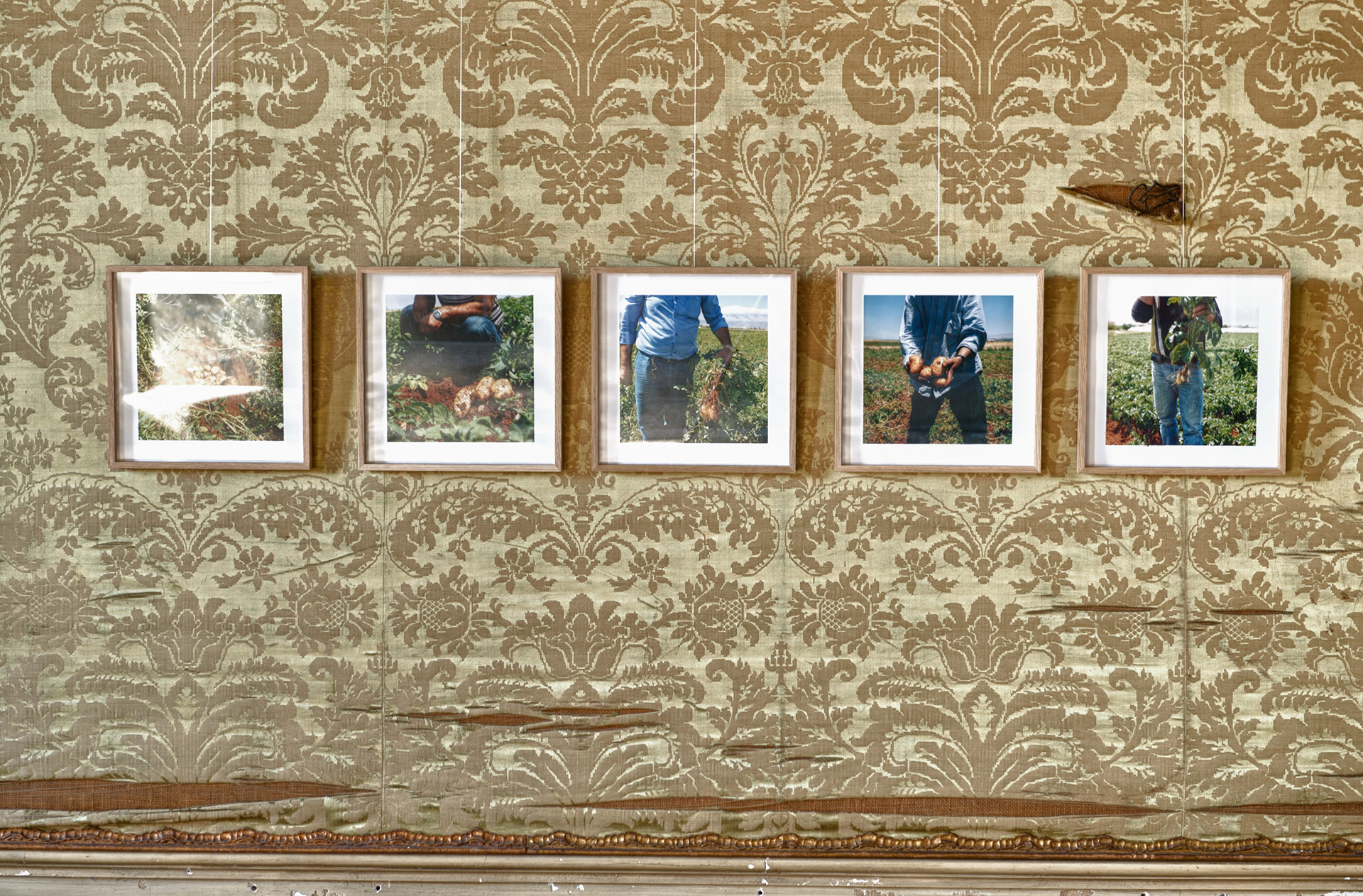
Ziad Antar was born 1978 in Saida, Lebanon. He currently lives and works in Paris and Beirut. After receiving a degree in agricultural engineering in 2001, he began working with photography and video. In 2002 Antar directed his first documentary on the French photographer Jean-Luc Moulene and he has since filmed several documentaries for the Arabic news station al-Arabiya. Without becoming overtly political, Antar often investigates a world marked by war and violence.
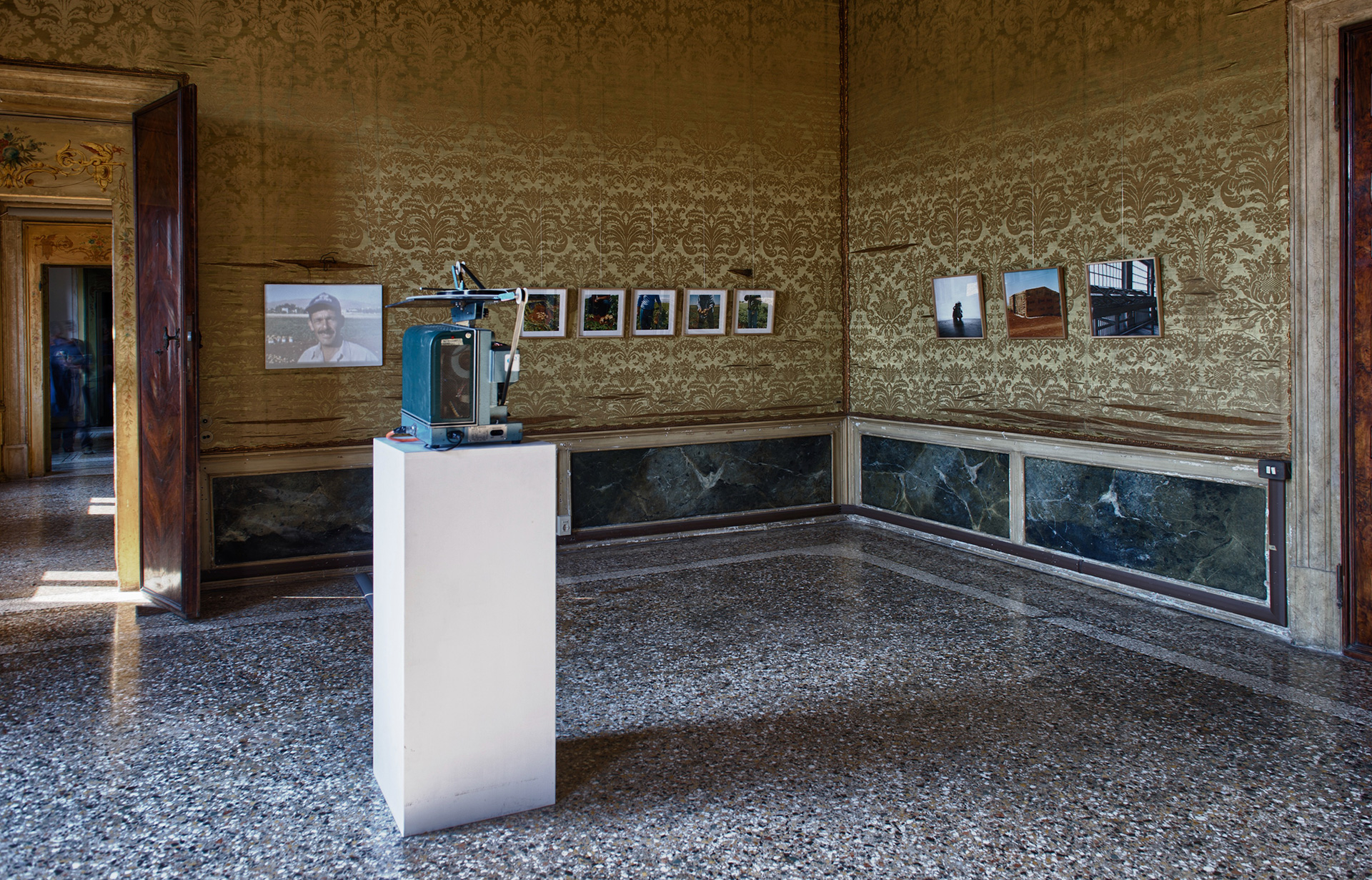
Through film and photography Antar depicts Lebanon today. The cultural, political and economical shifts are the central theme in his work, showing the void, which has remained after the recent war. In Terres de pomme de terre, Antar reflects on the globalized economical movements that define regional identities through an investigation of the potato industry in Lebanon in comparison to the European situation. He uses a visual language closely linked to the documentary genre, where the focus is not on individuals and their stories but on general subjects that allow the viewer to reflect on the subject in a more abstract way.
At PAC, Antar presents the work Terres de pomme de terre together with a new version of the film shown in its original 16mm format for the first time.
Fikret Atay
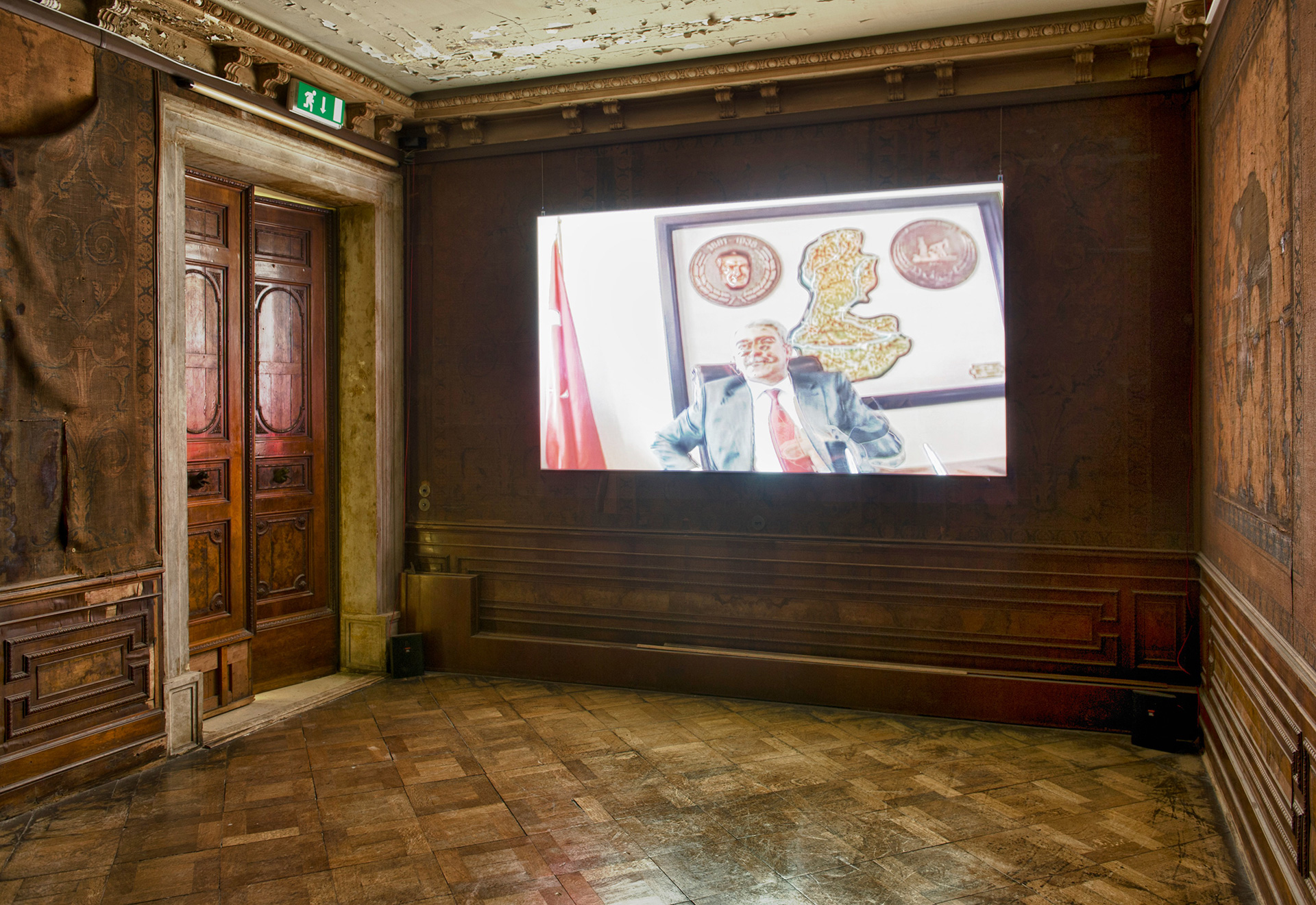
Fikret Atay was born 1976 in Batman, Turkey. He graduated from the Fine Arts Faculty of Dicle University, Turkey. His videos offer short vignettes of life in his hometown Batman, a Kurdish city near the border between Turkey and Iraq. Atay’s work has been included in the Biennale of Sydney (2006), the Istanbul Biennial (2007), the Alexandria Biennale (2009) and the Biennale de Lyon (2009).
The films of Fikret Atay are made with a handheld camera, showing in a simple and honest way, using only natural light, scenes closely linked to the life in Batman, a Kurdish city in Turkey close to the Iraq border. A central theme in Atay’s video and photography work is the idea of a void – the emptiness of existence in the periphery of the Turkish state, the complete lack of future, ideals and of identity for the young Kurdish population. His work deals both with a metaphysical void and a political, economical void which is linked to the structural problem of the Kurdish minority.
At PAC, Fikret Atay combines a new photograph with three films depicting the cultural shifts between two generations living in Batman.
Cao Fei
Cao Fei was born 1978 in Guangzhou, China. She graduated from the Guangzhou Academy of Fine Arts in 2001 and has since become known for her multimedia installations and videos. Cao Fei is acknowledged as one of the key artists of a new generation emerging from mainland China. She lives and works in Beijing. Her work has been shown at the Biennale di Venezia (2003, 2007), the Shanghai Biennale (2004), the Istanbul Biennial (2007) and the Biennale de Lyon (2007). Her recent project RMB City (2008–) has been exhibited at the Deutsche Guggenheim, Berlin (2010). Cao Fei won the 2006 Best Young Artist Award by CCAA (Chinese Contemporary Art Award) and is a finalist of the Hugo Boss Prize 2010.
The matrix of Cao Fei’s work is found in Second Life, a digital reality where users/players create their virtual alter egos. Fei has built her own world on that and called it RMB City, a metropolis in constant construction, based on a contemporary Chinese city. Cao’s world reflects on ideology and the volatile social structures of a rapidly changing China. She investigates reality (as a social situation), which is no longer found in the real (the physical world), but in its virtual counterpart. RMB City is a manifesto of the challenges of a new generation, both in a communal and artistic sense. Cao has made a platform for creative exchange and discovery, inviting the art community to play an active part in the development and interpretation of online art and culture.
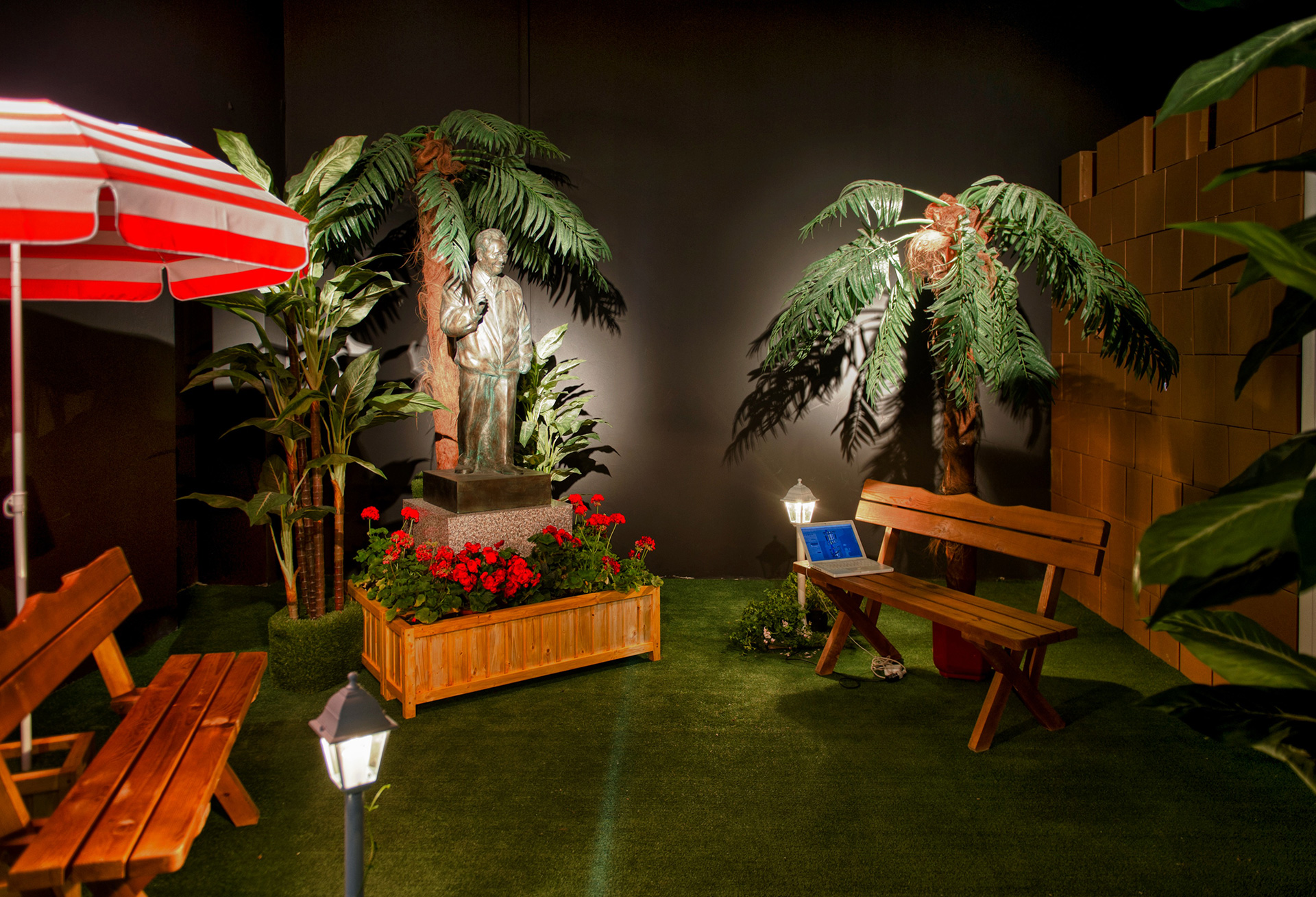
Cao Fei creates a special multilayered installation for PAC, bringing all different dimensions of her work together for the first time. It presents a real physical space with video documentation, sculpture, lights, furniture and everyday objects, to let the audience experience their connection to an online existence.
Keren Cytter
Keren Cytter was born 1977 in Tel Aviv, Israel. In 1997–1999 she studied at the Avni Institute in Tel Aviv and in 2002–2004 at De Ateliers in Amsterdam. She lives and works in Berlin, Germany. She received the Baloise Art Prize Basel in 2006, and in 2008 the Ars Viva Preis für Bildende Kunst des Kulturkreises der deutschen Wirtschaft, Berlin. In 2009 she was awarded the Absolut Art Award and shortlisted for the Preis der Nationalgalerie für junge Kunst Berlin. Her work has been exhibited at the Biennale di Venezia (2009).
In recent years, Keren Cytter has developed a large body of films where the use of a (nonlinear) narrative is central. She continuously plays with the notion of the real and the fictitious, using nonprofessional actors and often handheld cameras. Her films are deconstructing the modern principles of cinema, balancing between performance, theatre and film. The use of language has a central place in her work and mostly follows a nonrealistic poetical style. The subjects are related to existential questions of love, hate and the human condition in general; they are a dark and sometimes comical reflection on today’s society.
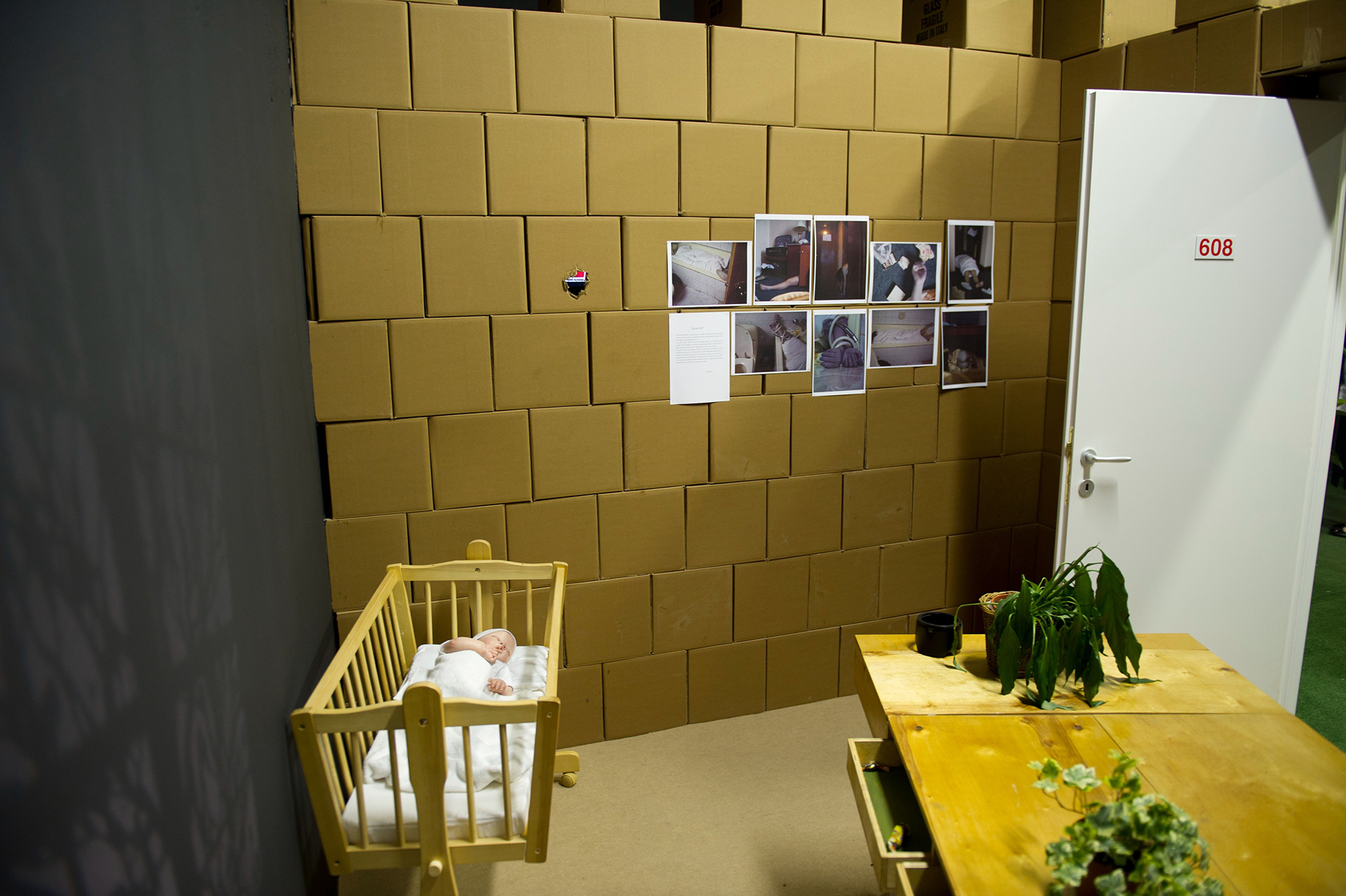
At PAC, Keren Cytter presents her new film Bad Poet as a premiere. By bringing the film together with a display of objects related to the project, she realizes a new dimension in her work.
Nathalie Djurberg
Nathalie Djurberg was born 1978 in Lysekil, Sweden, and received her master’s degree from Malmö Art Academy. Today Djurberg and her partner, Hans Berg, live and work in Berlin, Germany. Her work was featured in the 2009 Biennale di Venezia and she has had exhibitions at Tate Modern, London, Solomon R. Guggenheim Museum, New York, and Hamburger Bahnhof, Berlin. In 2010 and 2011, her work will be the focus of exhibitions at Kestnergesellschaft, Hannover, Camden Arts Centre, London, and Walker Art Center, Minneapolis. She was awarded the Carnegie Art Award, Scholarship for a Young Artist in 2008 and the Silver Lion for a Promising Young Artist at the Biennale di Venezia in 2009.
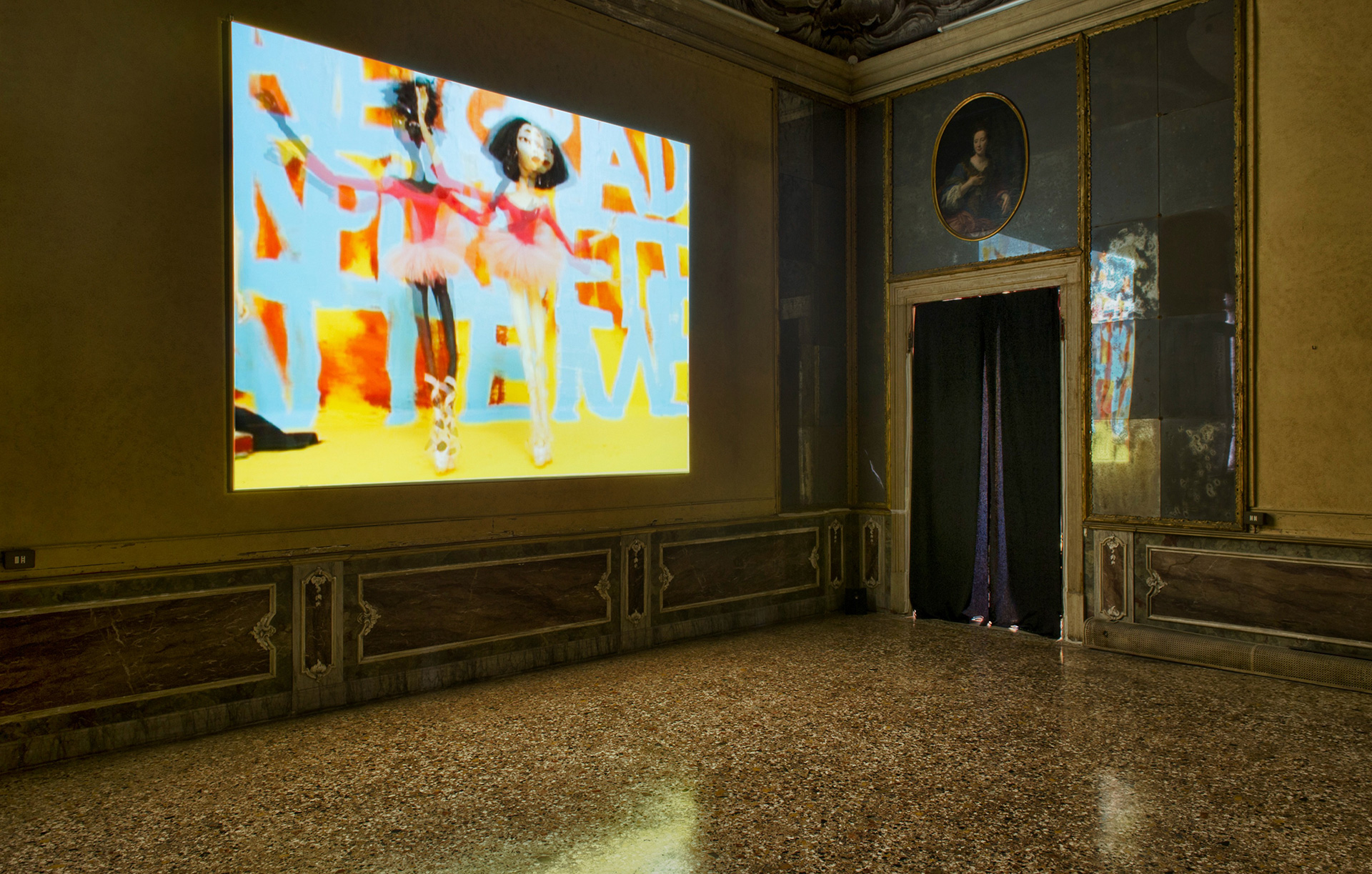
Using plasticine to design her landscapes, buildings and figures, Nathalie Djurberg creates sculptural installations and stop-motion films. The films follow a narrative, which always starts out from an idyllic innocence turning into dark destruction. Djurberg investigates human nature in her “fairy tales” about madness, fear, obsession, lust and violence. All her filmworks are accompanied by music composed by Hans Berg.
For PAC, Djurberg develops a fresh statement on her own work by a very individual combination of three different movies.
Nicholas Hlobo
Nicholas Hlobo was born 1975 in Cape Town, South Africa. He graduated from the Witswatersand Technikon with a Bachelor of Technology degree in 2002. In 2008, Hlobo had solo exhibitions at the Level 2 Gallery at Tate Modern, London, and the ICA in Boston as part of the Momentum series. As the winner of the Standard Bank Young Artist Award for Visual Art 2009, he had a solo exhibition touring South Africa’s major cities until August 2010. He is included in the 2010 Liverpool Biennial.
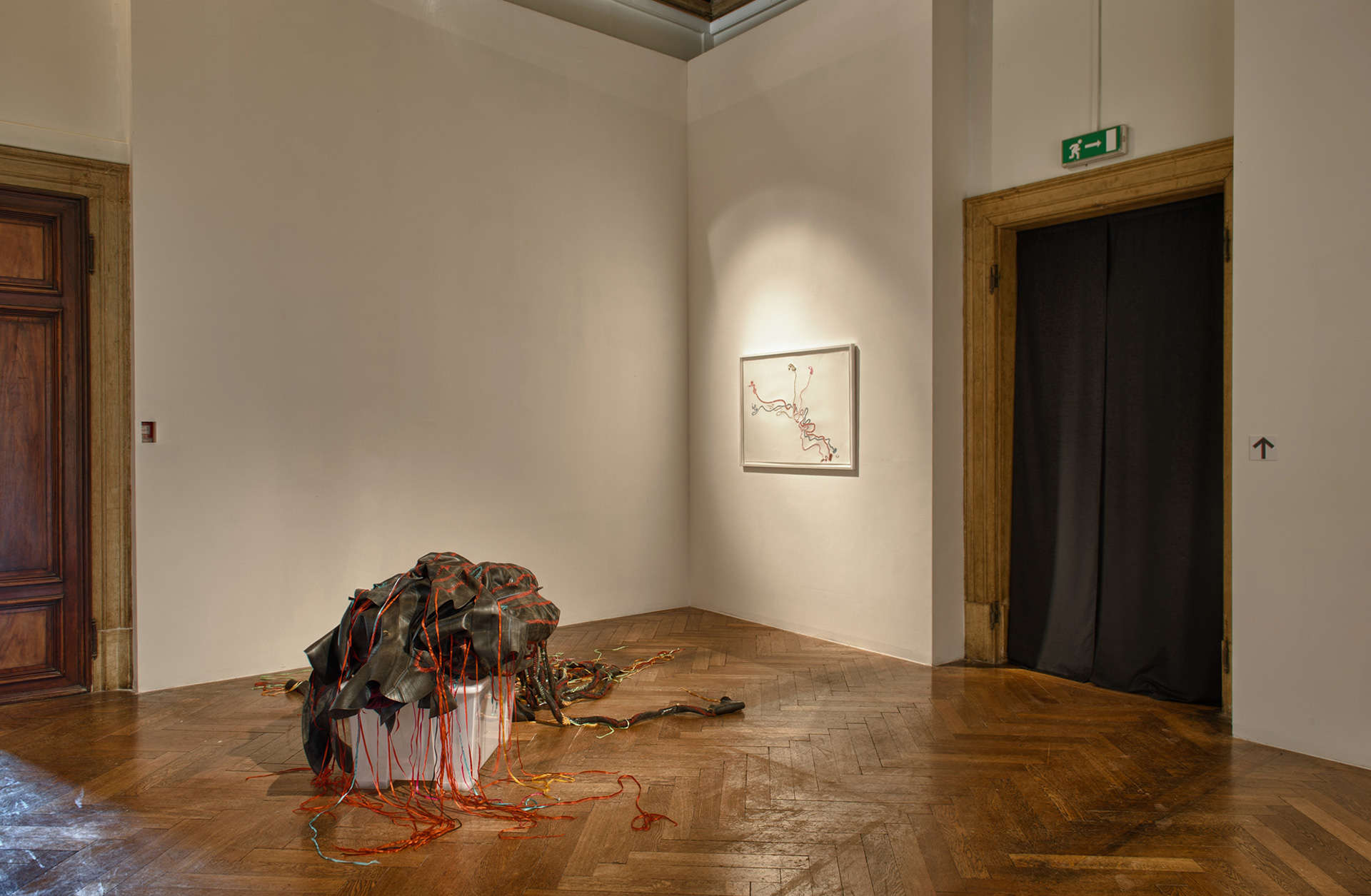
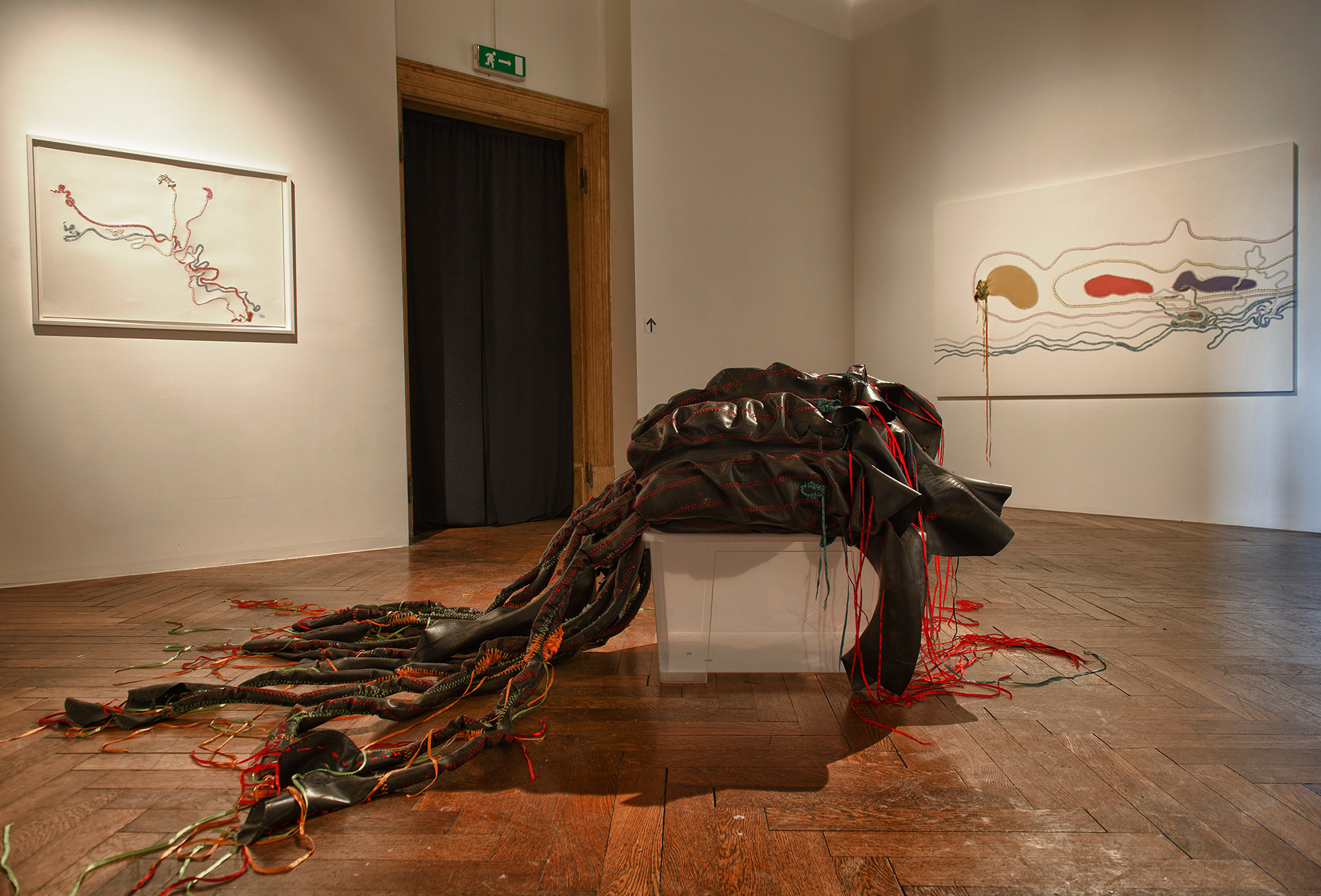
Hlobo creates large-scale sculptures using rubber as his main material, depicting phalli, internal organs or scenes deeply connected to a gay underground scene. His main themes include industrialization, gender and sexuality. Colourful ribbons, which are stitched and woven through the rubber, refer to the balance between male and female. By appropriating his native heritage, the Xhosa culture, and combining it with the journey of his own homosexuality, Hlobo finds his way through a rapidly changing society in which the traditional and the modern often are uncombinable. Hlobo’s work balances between the hidden and the public in his sculptural language and through the titles, which remain a secret to us as they are in Xhosa.
Showing five new paintings and a monumental sculpture in PAC, Hlobo creates his own universe, introducing the audience to the complex narratives and the exceptional visual language of his work.
Clemens Hollerer
Clemens Hollerer was born 1975 in Bruck an der Mur, Austria. After studying photography at the Euregio College of Fine Art Photography in Kefermarkt, he enrolled in the postgraduate programme of the HISK, the Higher Institute of Fine Arts in Antwerp, from 2006 to 2008. At the HISK he got involved with painting, installation and sculpture. He lives and works in Graz, Austria. His work has been exhibited nationally and internationally, including shows in Australia, New Zealand, the United States and numerous locations in Europe.
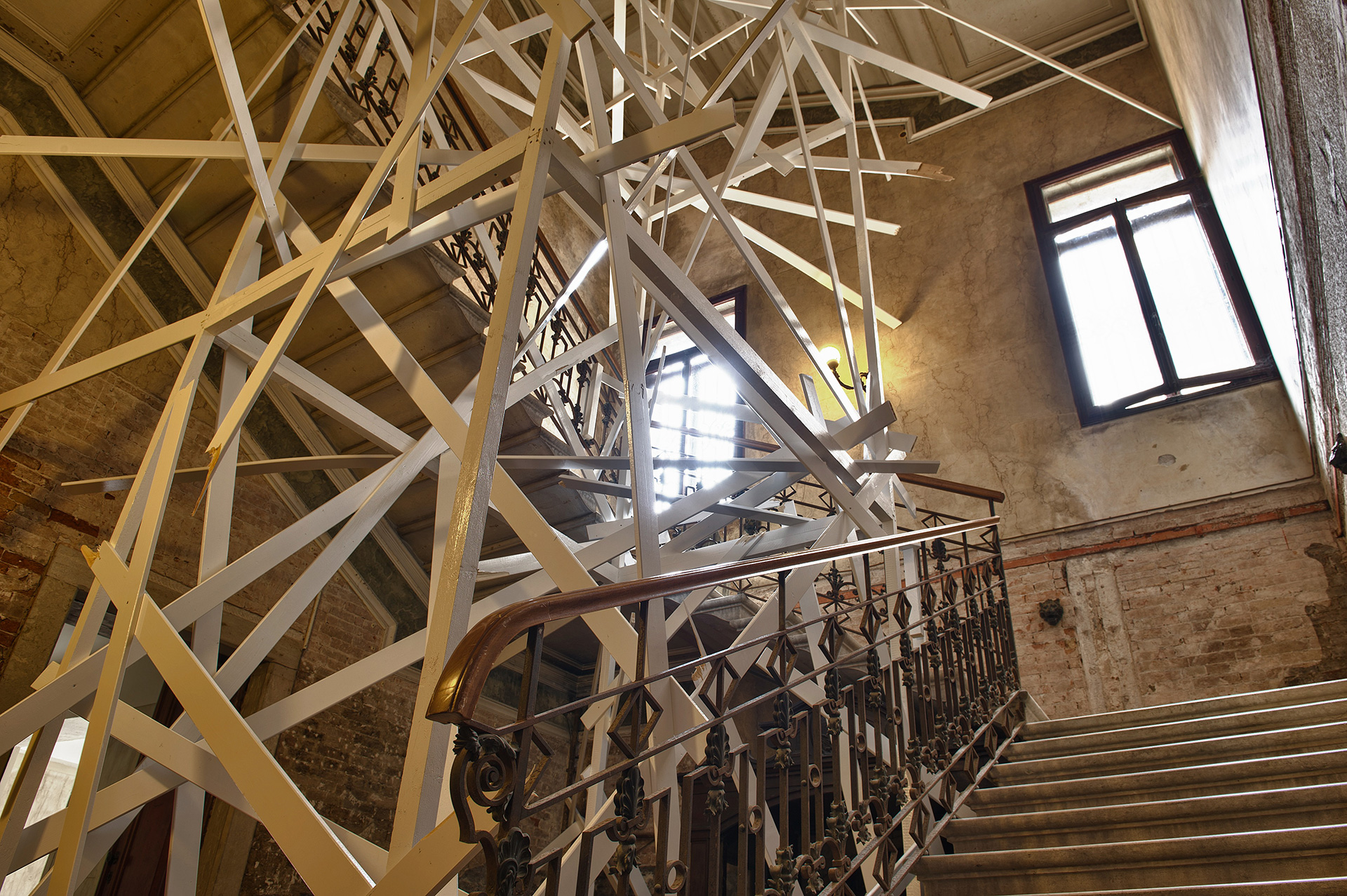
The installations of Clemens Hollerer are based on “found situations” that have become dysfunctional, elements that are disturbing the functional urban space and form the basis for Hollerer’s strategy of site-specific reflection on the found situation in the gallery. He deconstructs the outside to bring it inside, disrupting the gallery space, making the space itself part of his quasi-architectural installation. By always reacting on the exhibition space and using a clear colour scheme, Hollerer maps the spaces, constructing them through de-construction.
Hollerer creates a special in-situ installation for PAC, deconstructing the situation he has found there as his main strategy to fully reconstruct the space in the art centre.
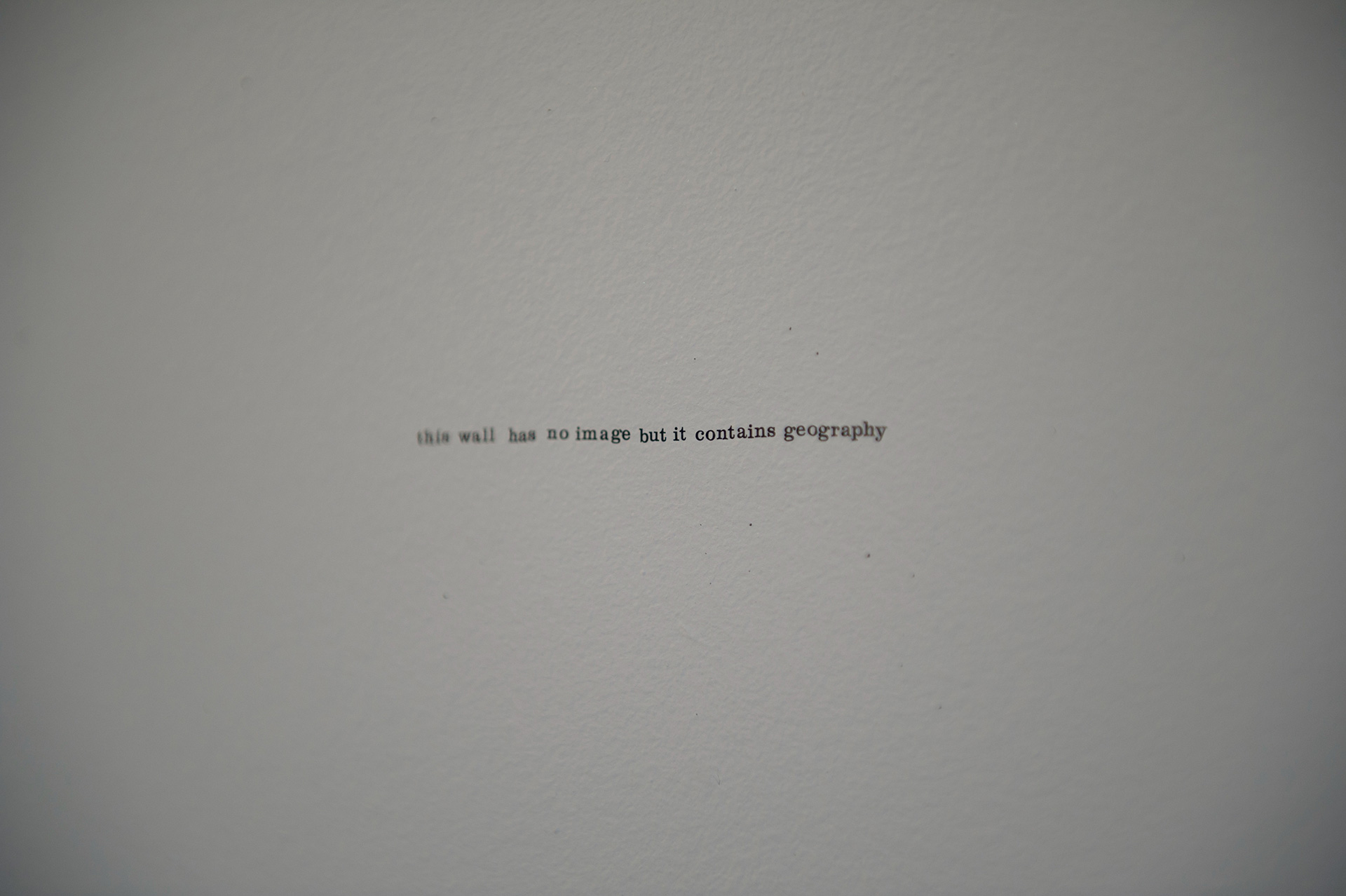
Runo Lagomarsino
Runo Lagomarsino was born 1977 in Lund, Sweden, and is currently based in Malmö. After studying art at the Academy of Fine Art Valand, Gothenburg, and the Malmö Art Academy, he received his MFA in 2003. In 2006 Lagomarsino held the IASPIS residency at Platform Garanti, Istanbul, and in 2007–2008 he participated in the Whitney Independent Study Program, New York.
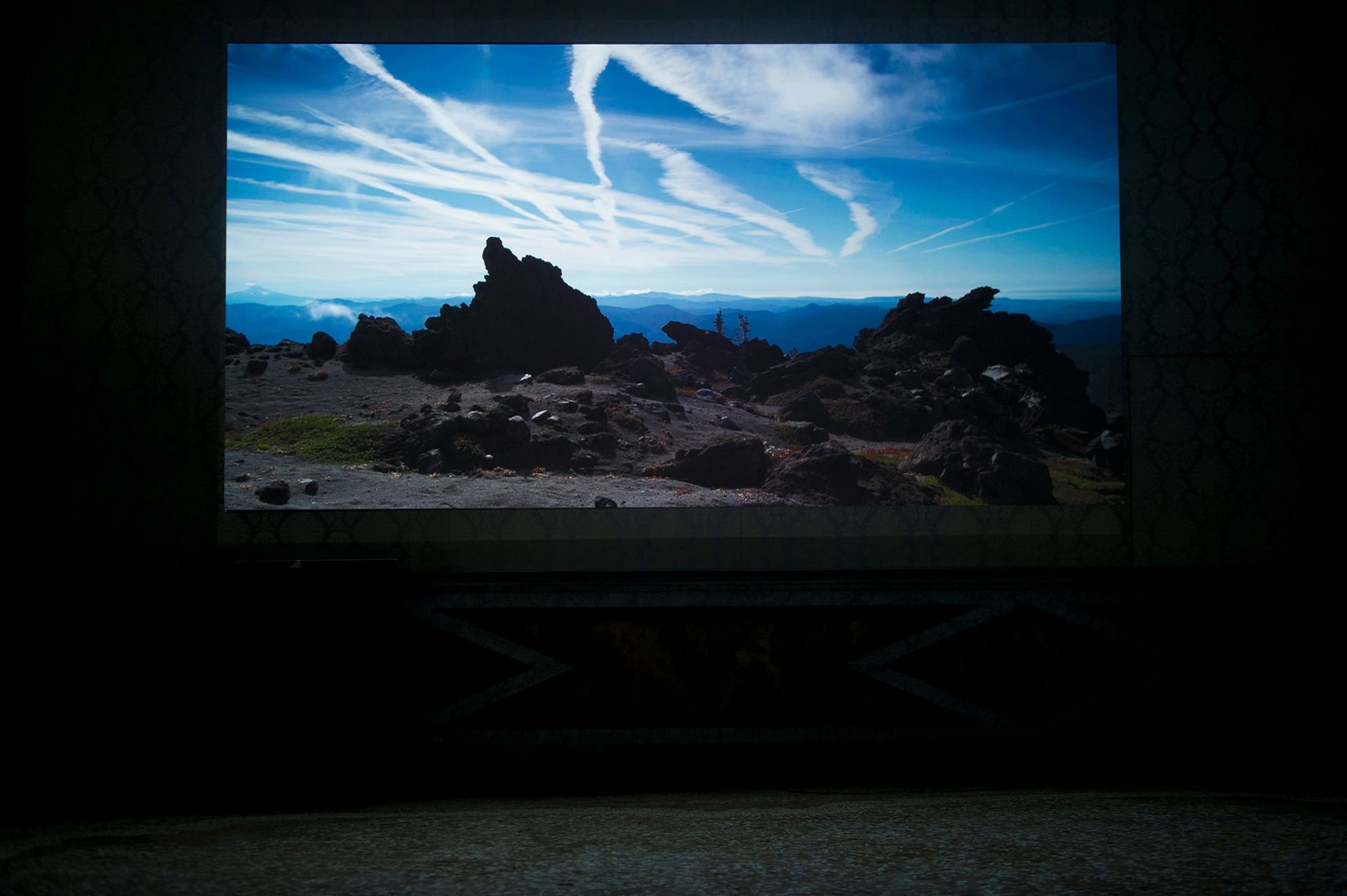
Runo Lagomarsino’s oeuvre consists of documentary elements that develop thought around our historical, political and geographical context, which he himself continuously recontextualizes. His interest in the New and Old is driven by a certain relativism, creating a conceptual narrative that allows him artistic and philosophical reflection on historical facts. In his installation for PAC, Lagomarsino combines different elements which all relate to the same central theme, the Horizon: “To return to the Horizon is to remind ourselves of the fact that we cannot make worlds, we cannot imagine a better future, we cannot create a ‘new image of the human’, until we have come to terms with the irrepressible demands of the world we have already created.”
At PAC, Lagomarsino presents a new work group exploring the theme of the Horizon, developing his own artistic position through a complex philosophical and historical background.
Cinthia Marcelle
FGAP 2010 Main Prize winner
Cinthia Marcelle was born 1974 in Brazil. She graduated in fine arts from the Uni- versidade Federal de Minas Gerais and lives and works in Belo Horizonte. Her work has been commissioned for significant group exhibitions including the Biennal de la Habana, Cuba (2006), Biennale de Lyon (2007), Panorama da Arte Brasileira in São Paulo (2007) and Madrid (2008). She was awarded the International Prize for Performance in Trento, Italy (2006), and the annual TrAIN artist in residency award at Gasworks, London (2009).
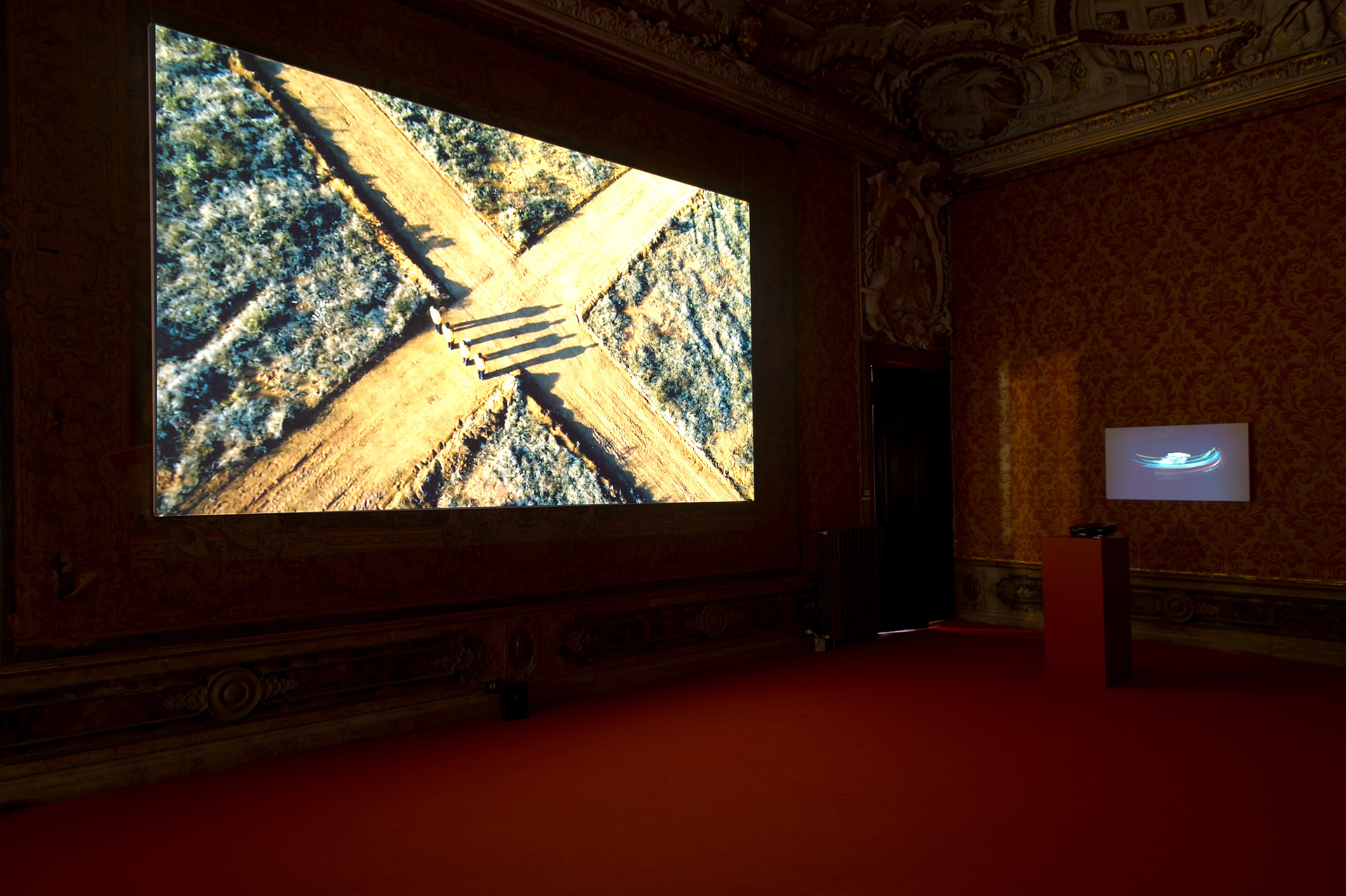
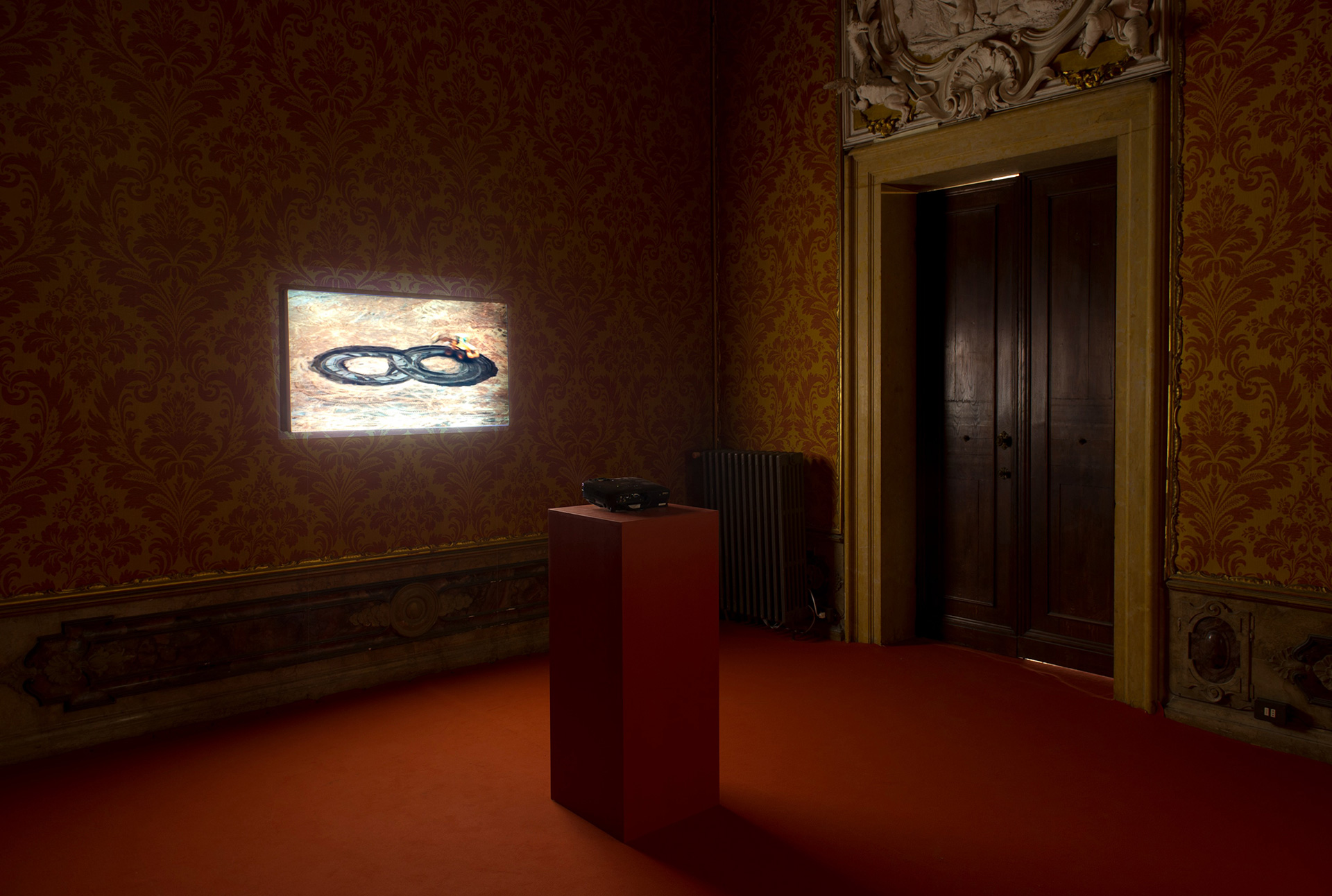
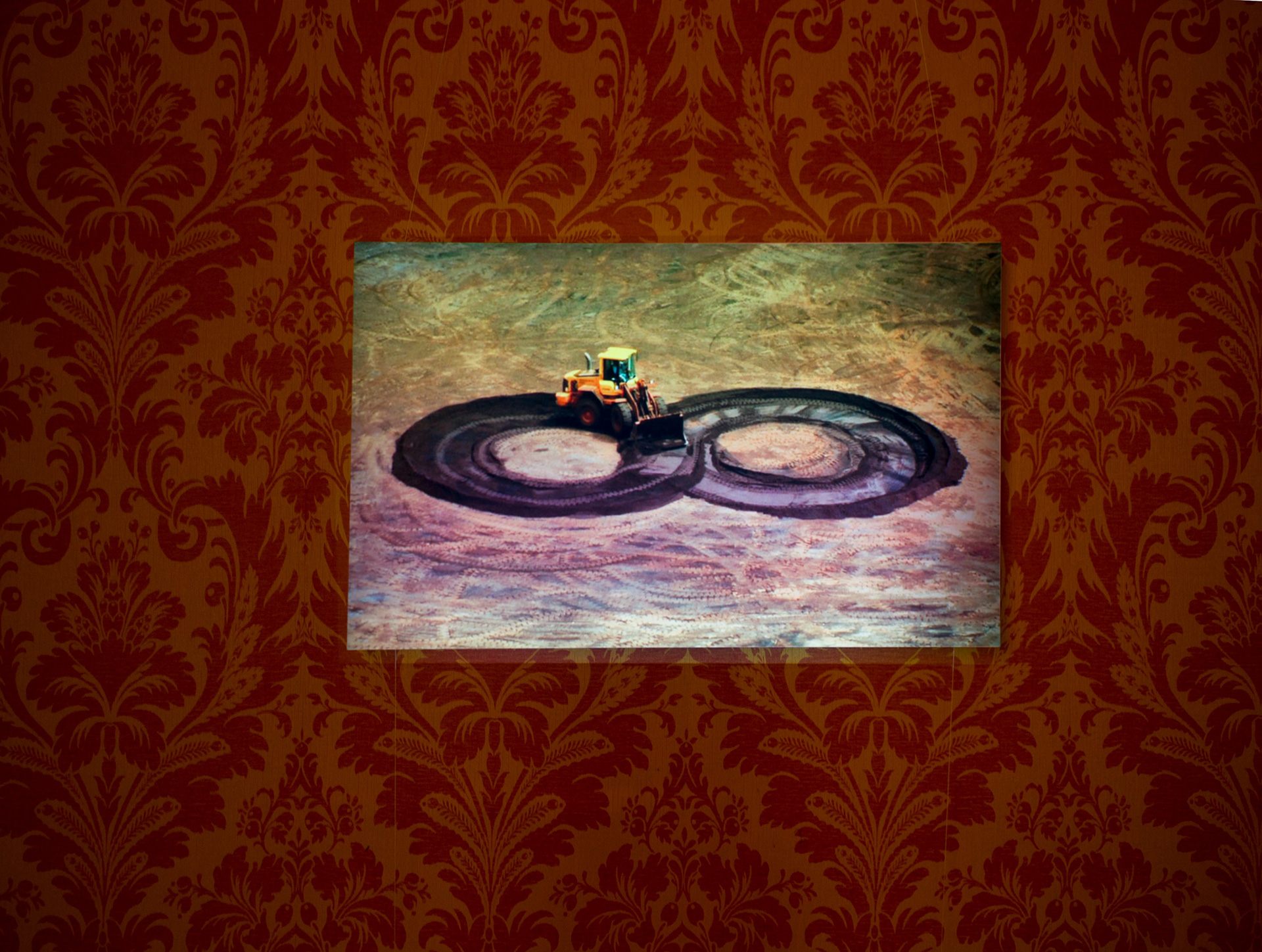
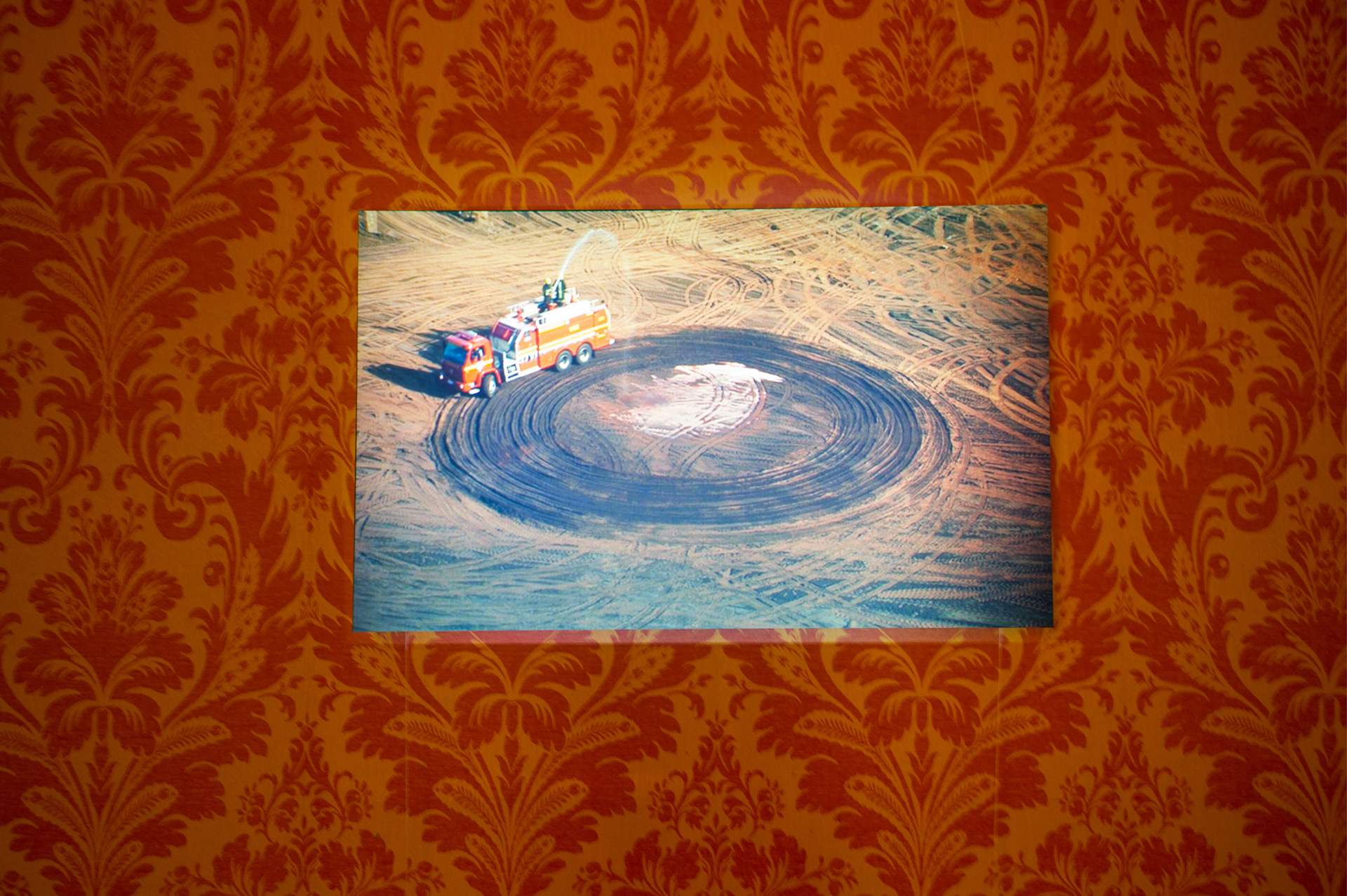
Cinthia Marcelle makes films, photographs and installations. Her work is strongly performance-related and uses repetition as an artistic strategy. The endlessly repeated actions in her work are absurd and futile until they end up in geometrical forms, like abstract manifestos. Marcelle’s manifestos are as political as they are economical, reflecting subversively on social behaviour and social structures.
For the exhibition, Marcelle brings together the three films of a trilogy she has just finished. The newest of these films has its premiere at PAC.
Nicolae Mircea
FGAP 2010 Special Prize and People’s Choice Prize winner
Nicolae Mircea was born 1980 in Romania. He studied at the University of Bucharest, where he earned a degree in European Cultural Studies from the Department of Literature, with a final thesis on the House of the People. Afterwards, he enrolled into an MA on the Anthropology of Space within the Ion Mincu Institute for Architecture, Bucharest. Nicolae currently lives and works in Bucharest.
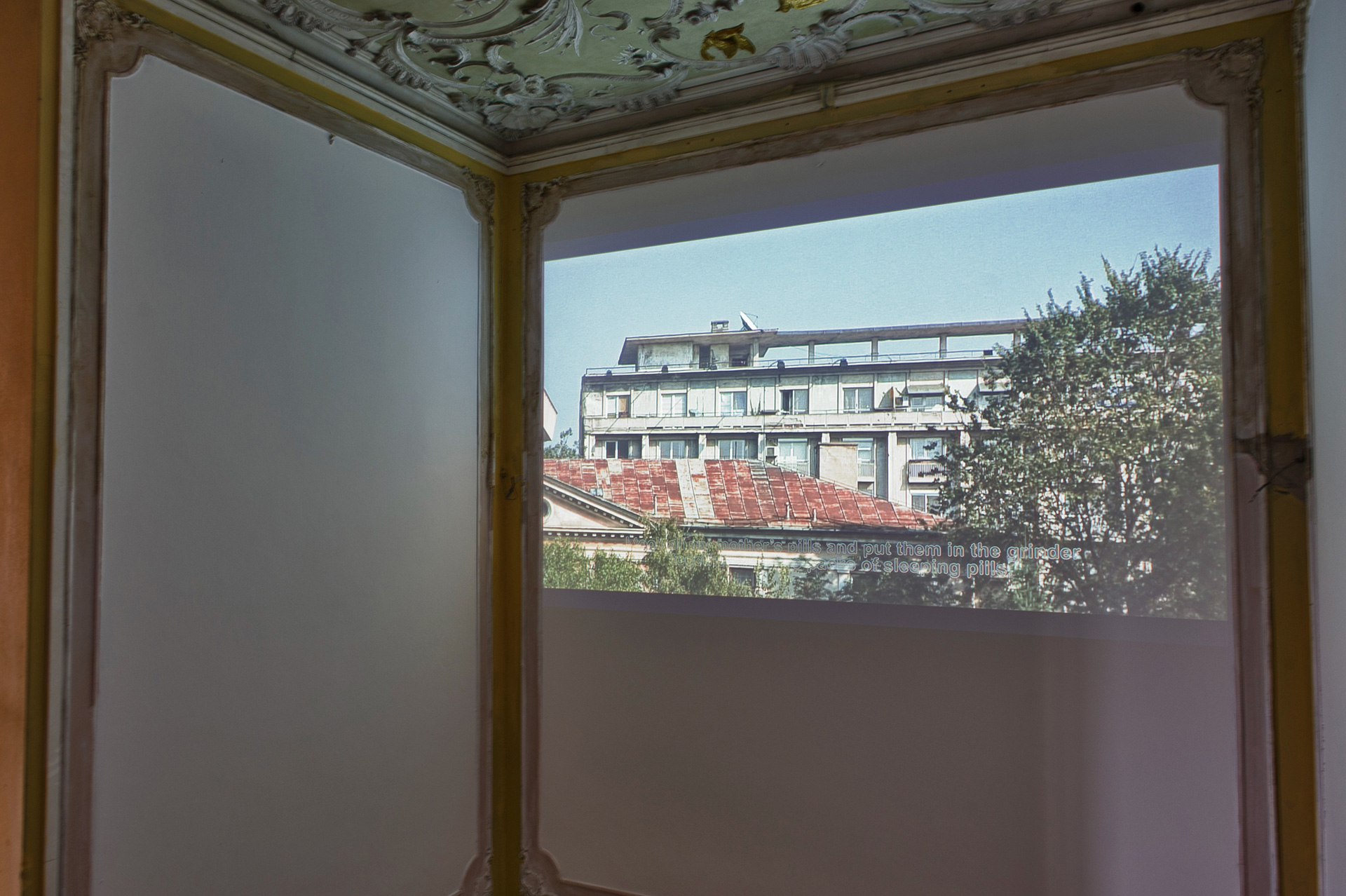
Nicolae Mircea has developed a distinctive body of work researching the economical and socio-political structure of Bucharest through anonymous interventions in public space. He reflects on the social consequences of consumption, urban legislation and architectural production. In his latest work, Mircea continues this strategy, but investigates the urban identity of a city in constant cultural and economical shift by bringing the outside public space inside the museum institution.
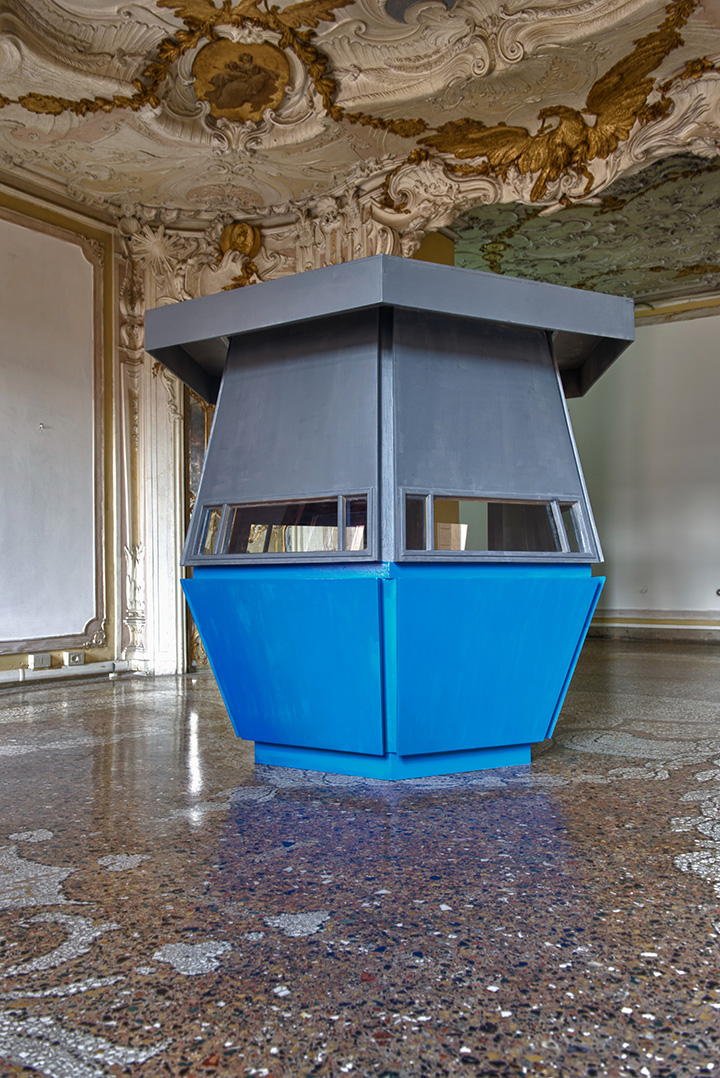
At PAC, Mircea will create a reflection on the political and social history of the city Bucharest by reproducing four kiosks originally built between 1986 and 2000 and combining them with a new film.
Ruben Ochoa
Ruben Ochoa was born 1974 in Oceanside, California. He studied at the Parsons School of Art and Design, New York, the Otis College of Art and Design, Los Angeles (BFA, 1997), and the University of California, Irvine (MFA, 2003). He currently lives and works in Los Angeles. Ochoa was included in the 2004 California Biennial at the Orange County Museum of Art, Newport Beach, and the 2008 Whitney Biennial at the Whitney Museum of American Art, New York. In 2005 he was awarded a Creative Capital Grant for his Fwy Wall Extraction project and in 2008 he was recipient of a John Simon Guggenheim Memorial Foundation Fellowship.
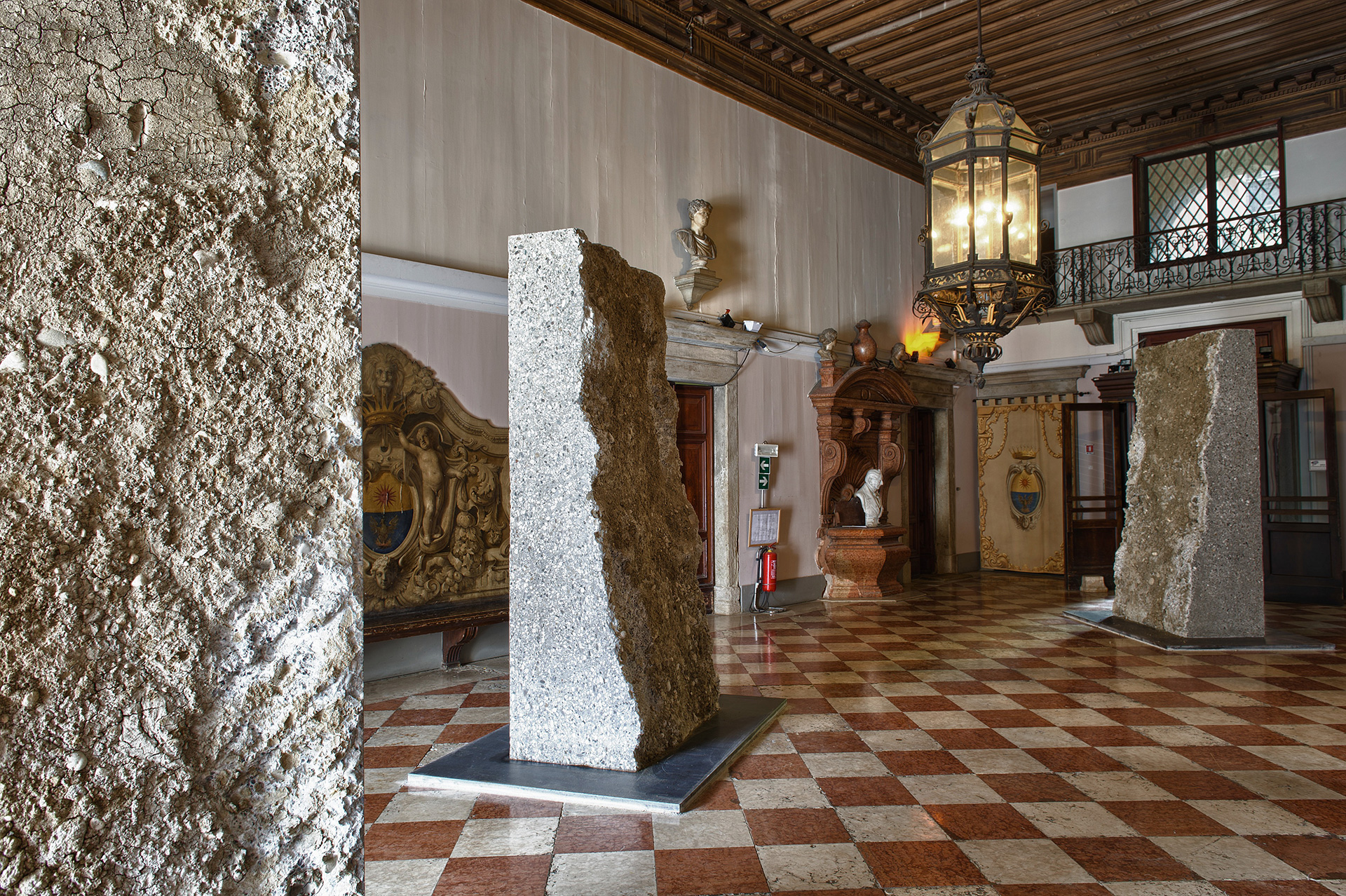
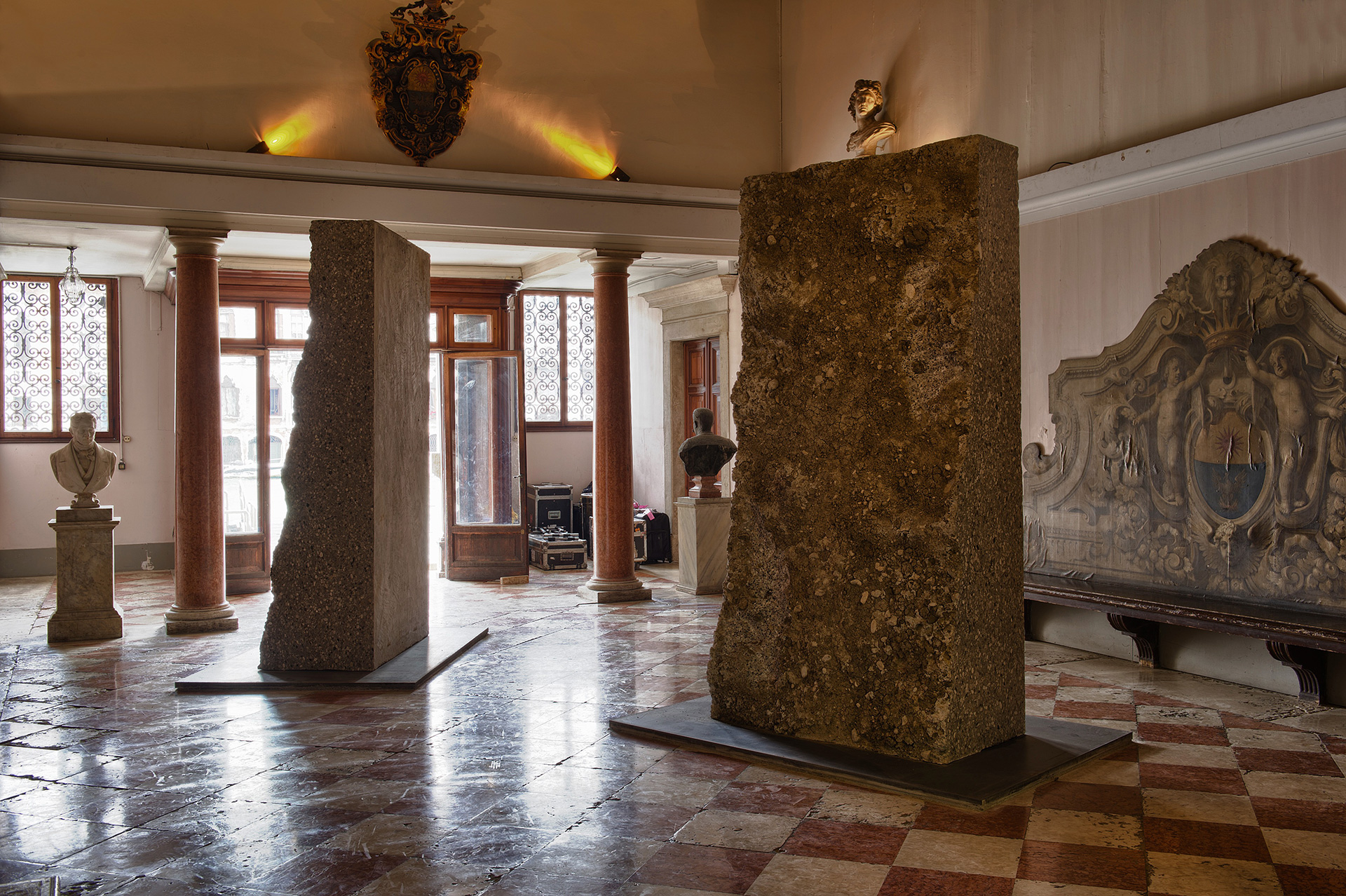
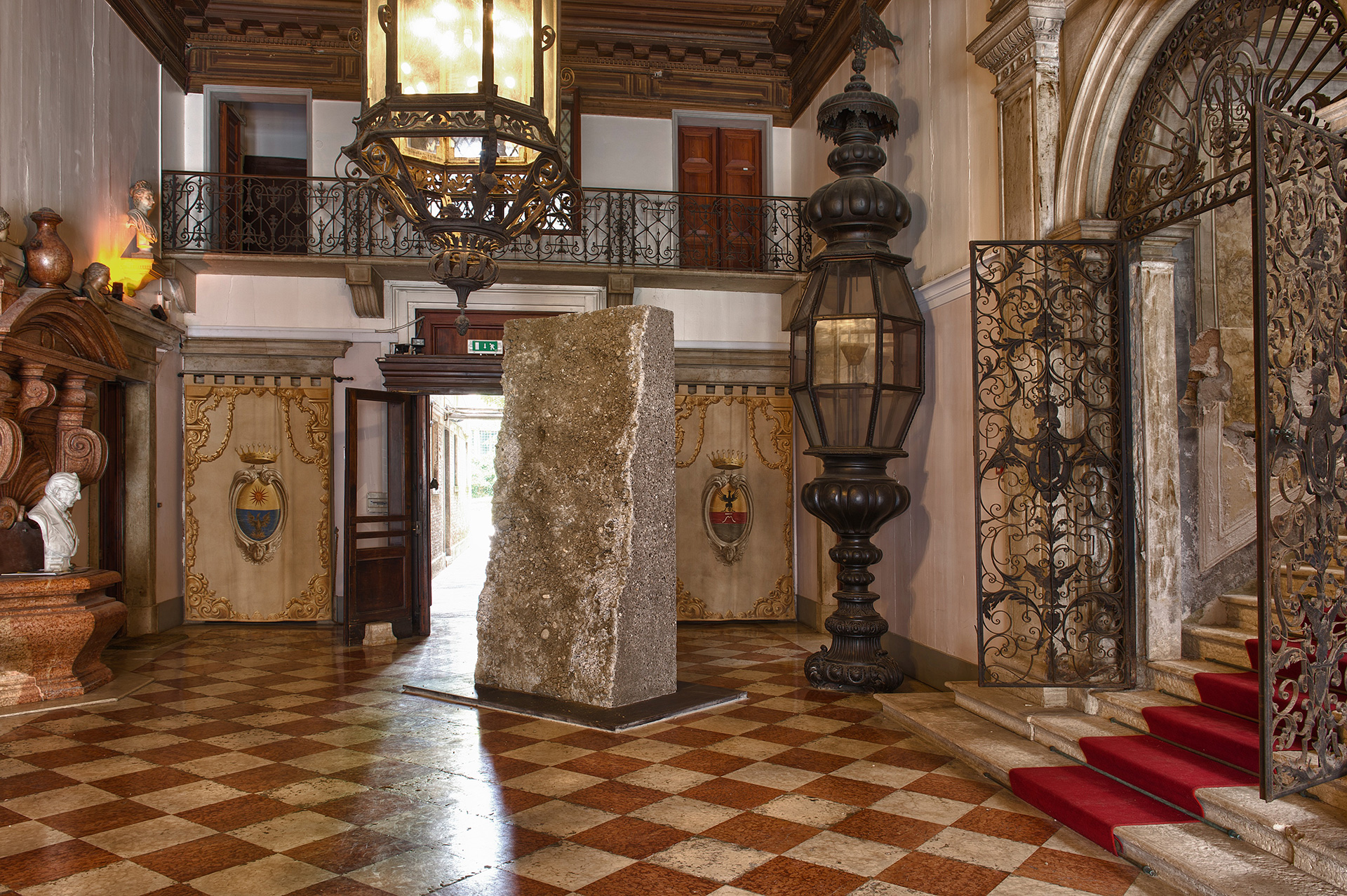
Ruben Ochoa’s monumental sculptural interventions inside the gallery thematize the disruption of space. They entangle the viewer, dealing with the social, political and ecological dimensions of construction and urban development, through the use of rough construction materials such as metal, concrete and wood. Ochoa recontextualizes and deconstructs “ready-made materials” to invent a sculptural language with strong architectural awareness. His work continuously shows an involvement in the tension between natural landscape and built environment.
Combining new drawings with two new monumental sculptural works, Ochoa creates a special work group, radically disrupting the spaces of PAC.
Wilfredo Prieto
Wilfredo Prieto was born 1978 in Zaza del Medio, in the province of Santi Spiritu, Cuba. He graduated from the Higher Institute of Visual Art in La Habana in 2002. During the 8th Biennal de la Habana, he was awarded the UNESCO Prize for the Promotion of the Arts as part of Galería DUPP, a group of 14 artists. He has exhibited in international events such as the Biennal de La Habana in its four last editions, the Singapore Biennale and the Biennale di Venezia (2007). He lives and works in Spain. Prieto was a John Simon Guggenheim Fellow in 2006 in New York. He recently was awarded the Premio F in Buenos Aires and the Cartier Foundation Award, with a residency at Gasworks, London, in 2008.
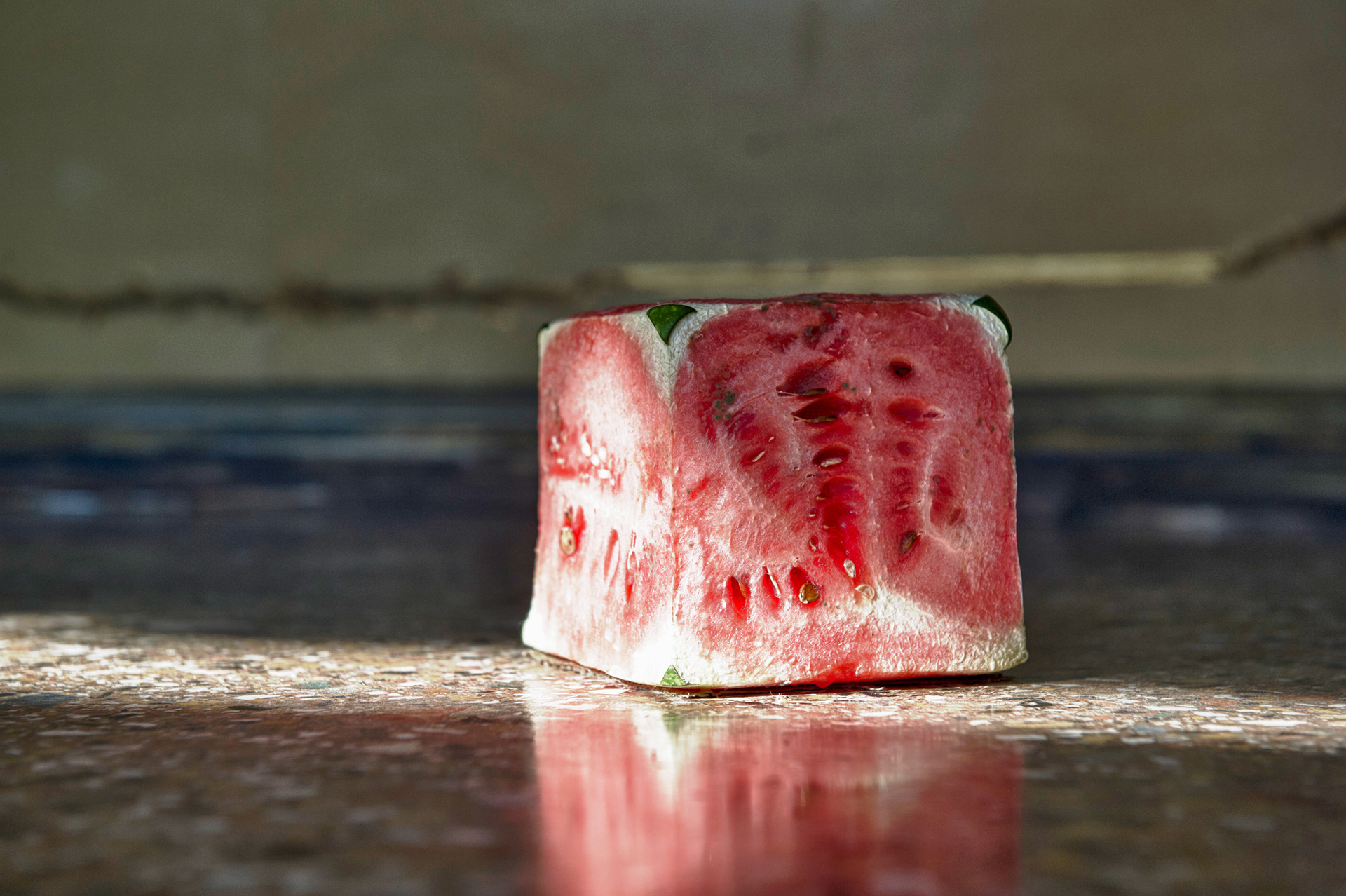
Using absurdity as a strategy to entangle his viewer, Wilfredo Prieto disrupts the public space or gallery through objects and interventions, which combine humor with a critical reflection on the sociopolitical reality. He estranges the objects from their initial function or natural form by introducing them into a different context or transforming the object itself with a poetically minimalistic outlook. In all that, Prieto investigates humor as an artistic strategy, creating images that are light as they are funny or absurd and loaded with meaning as a subversive reflection on contemporary politics.
At PAC, Prieto is inviting the audience to a journey of discovery throughout the space, exhibiting four small poetical works with a strongly subversive and humoristic character.
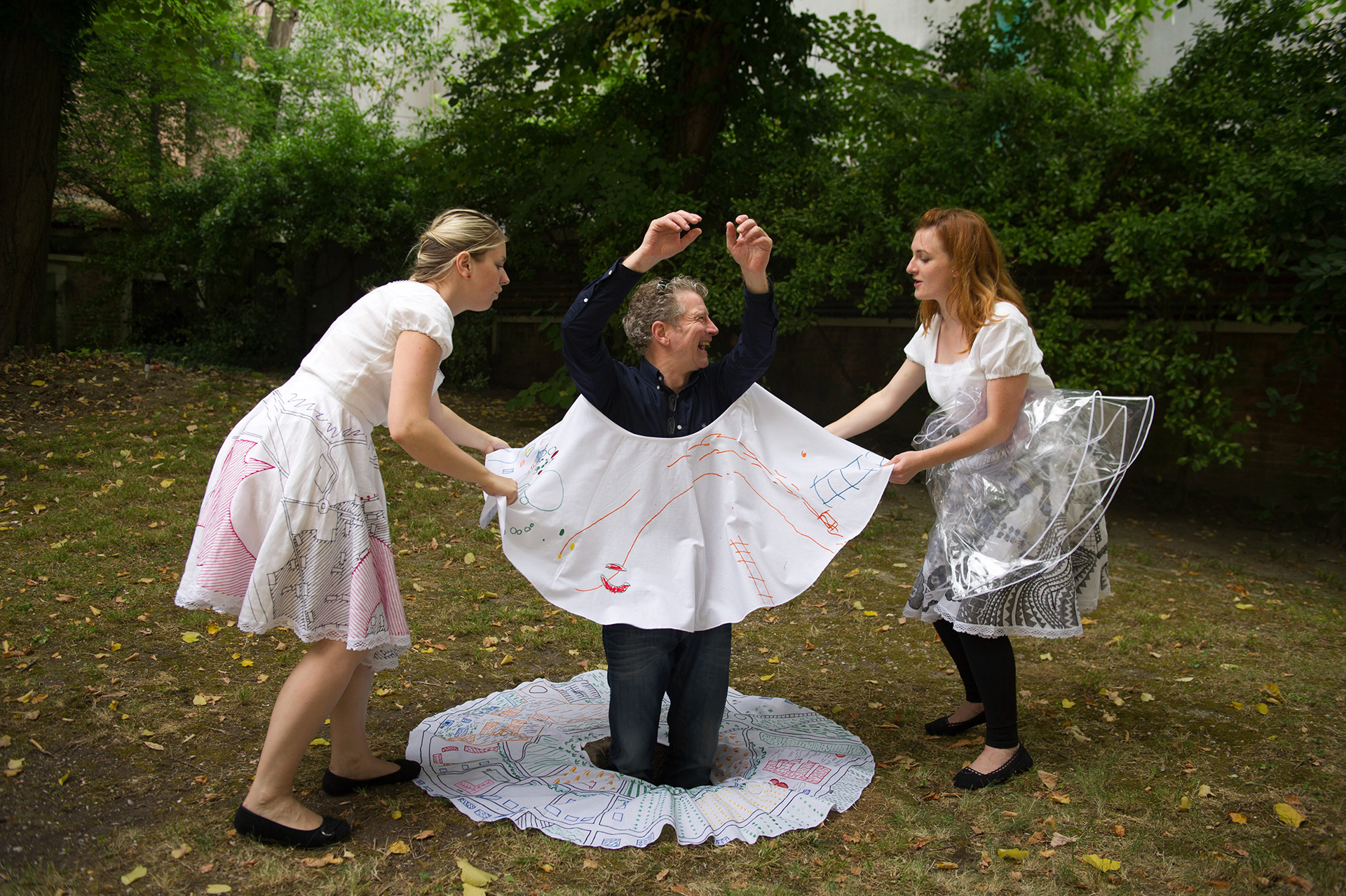
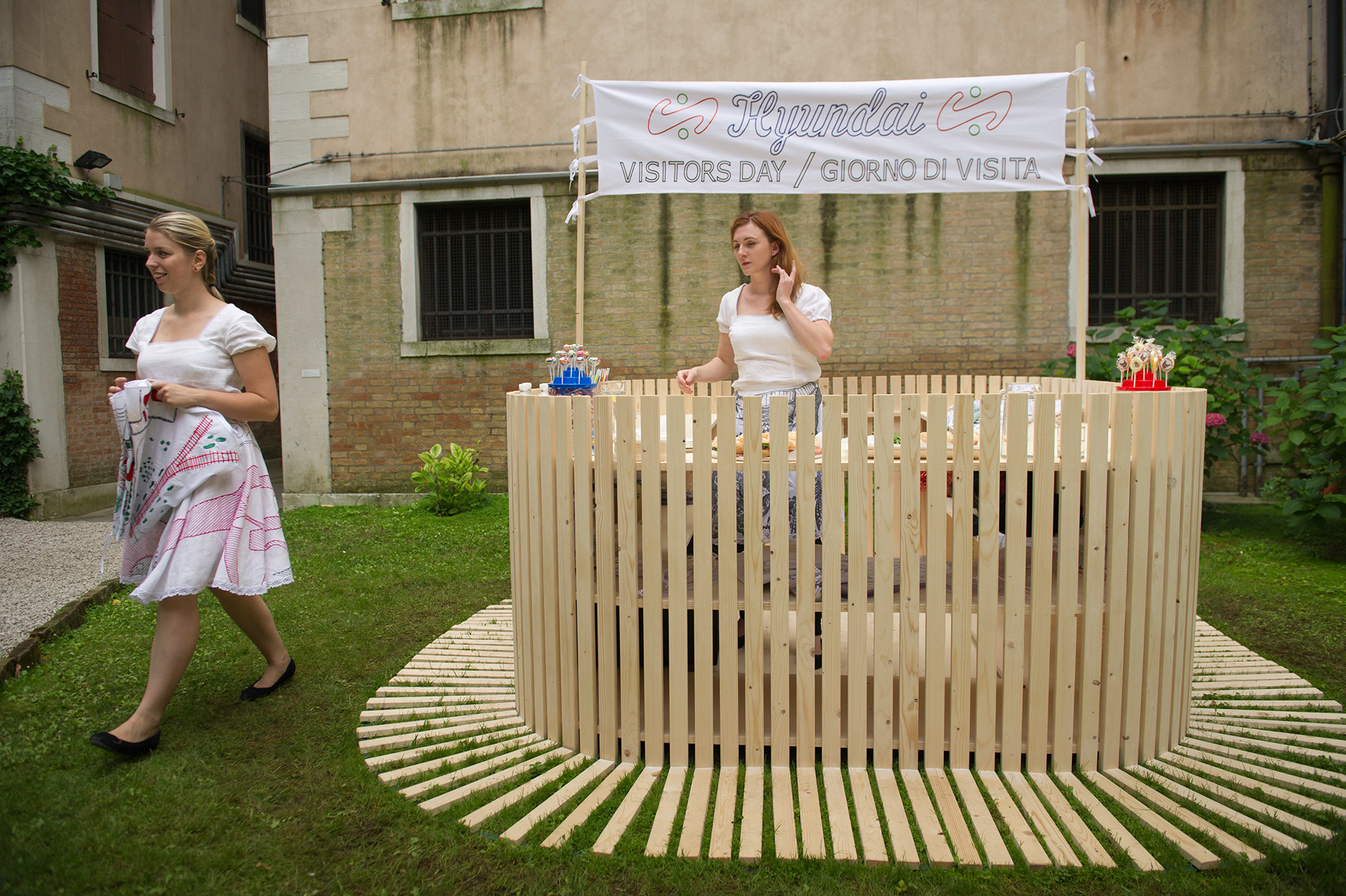
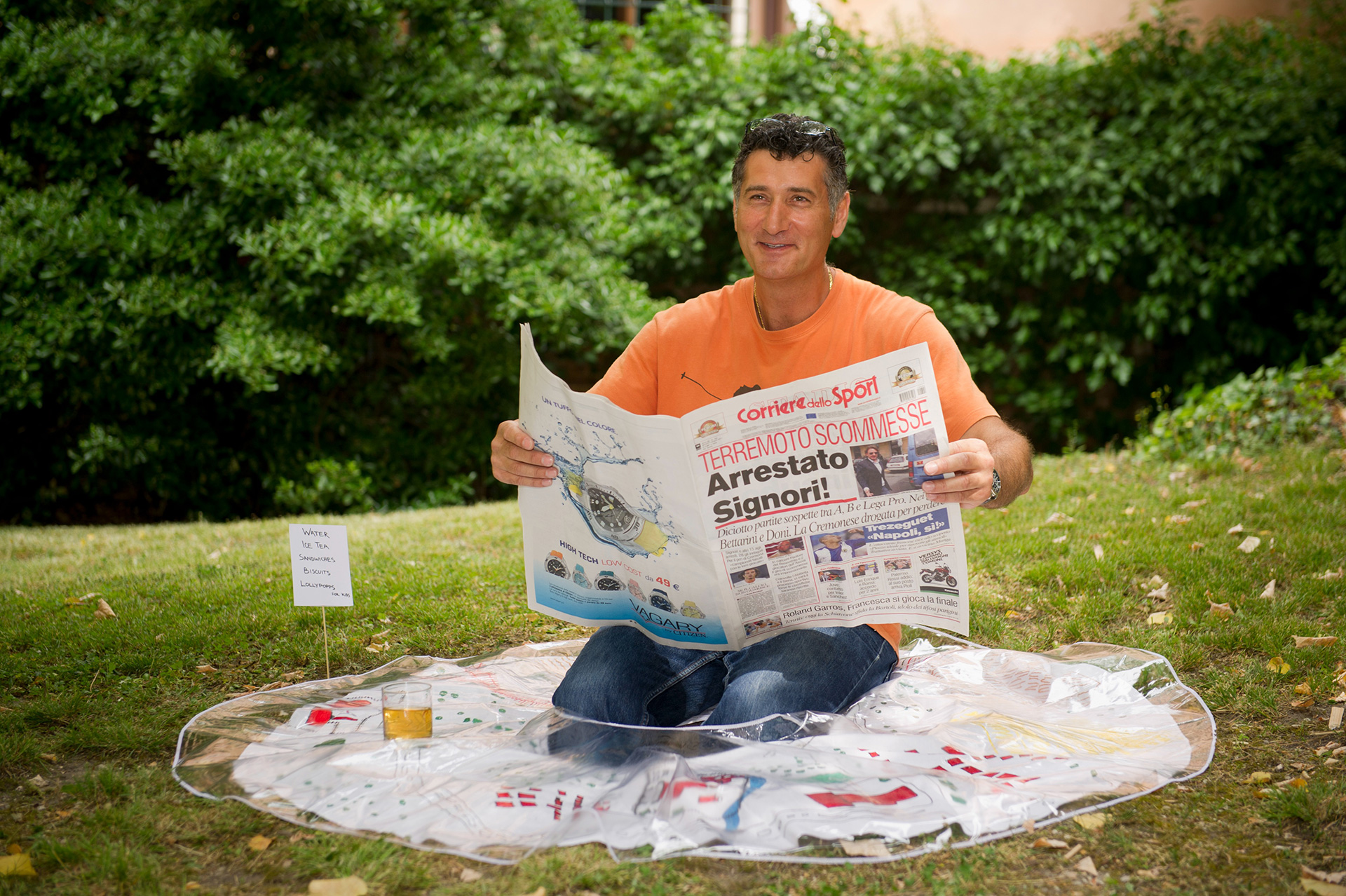
Kateřina Šedá
Kateřina Šedá was born 1977 in Brno, Czech Republic. She studied at the Academy of Fine Arts in Prague and the School of Applied Arts in Brno. Her projects are mostly carried out in the area where she lives (in the countryside or the city outskirts). Šedá has exhibited in numerous solo and group exhibitions, including the Berlin Biennale (2008), the Biennale de Lyon (2009) and others.
The changing society which loses its initial identity, or a new architecture which alienates its own inhabitants, these things engage Kateřina Šedá in creating “social games” which are artistic projects that investigate a micro-society by involving its individuals. This means her commitment is not limited to an artistic process, but that she seeks to engage in society itself by actively including social models, individuals or communities. Once the game is finalized, reimagining the documentation of the “social game” becomes the work, through which Šedá creates a dynamic installation.
At PAC, Šedá presents her new project Mirror Hill, for which she has involved the community of Tüköhegy, a new quarter in the town of Törökbálint, 15 km from Budapest. Her project explores the new urban structure and how it defines its inhabitants, their perception and experience.
Guido van der Werve
Guido van der Werve was born 1977 in Papendrecht, the Netherlands. He was raised playing classical piano, but finally, after studying music, industrial design, classical archaeology and Russian, he joined the Gerrit Rietveld Academie, Amsterdam, to study audiovisual arts. Van der Werve lives and works in Hassi, Finland, and Amsterdam, the Netherlands. He was a resident at International Studio and Curatorial Program, New York. In 2005 he was nominated for the Prix de Rome, in 2008 he received a grant from the F.C.A., New York, and in 2010 he received the Prix International d’Art Contemporain of the Foundation Prince Pierre de Monaco.
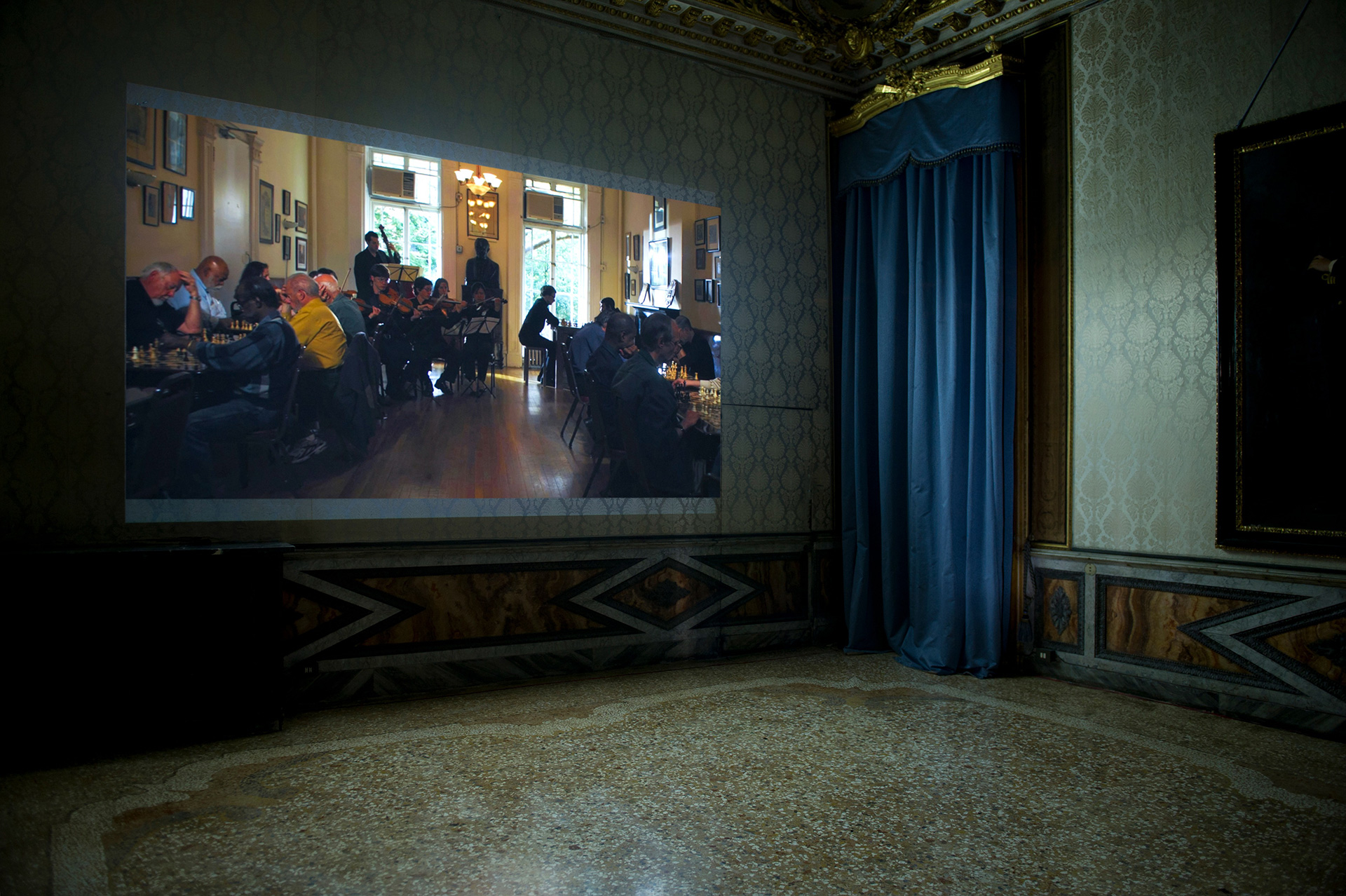
Guido van der Werve is an artist-filmmaker, musician and composer drawn to the major themes of life. In his films he uses a visual language, which is steeped in a sense of the sublime, and his music accompanying the image is melancholic. The whole setting reminds us of the romantic period in art with its fascination with the infinite discovered when facing nature. The second theme in van der Werve’s work is found in direct confrontation with thought. The immeasurable possibilities of mathematics (and thus music and chess) are so vast that the idea itself renders time mute and shows the nothingness of man. Van der Werve’s work becomes a contemplative experience, in which ideas of solitude and utopian discoveries are always central.
At PAC, van der Werve is combining three films, including his most recent nummer 12, a complex work assembling different leading themes in his oeuvre.
Nico Vascellari
Nico Vascellari was born 1976 in Vittorio Veneto, Italy. He is working with different media including performance, sculpture, video, sound and collage. Vascellari’s work has been included in prestigious exhibitions such as the Biennale di Venezia (2007), where he was awarded the Prize for Italian Art, the Manifesta (2008) and the Quadriennale di Roma (2008). He also presented a performance at Marina Abramovic Institute in 2010.
Being both musician and artist, Nico Vascellari combines his sculptural installations with sound performances. Through his performances he investigates the relation between the viewer, the space and the action. He is drawn to cult figures connected to the music scene with whom he collaborates or to which he reacts in his work. Inspired by his fascination with rituals, spiritualism and cult, he reflects on the thought of destruction as a driving energy to the construction of things. This leads him into the idea of mapping spaces, energies, sounds and nature, all of which are central themes in his work. For PAC Vascellari will create a new work and a new performance on the day of the opening.
For PAC, Vascellari will create two new works including a new performance on the day of the opening. He combines this with Hymn, an elaborate installation bringing together the complex diversity of themes in his work.
Jorinde Voigt
Jorinde Voigt was born 1977 in Frankfurt am Main, Germany. She graduated after Multimedia Studies with Prof. Moebus at UdK Berlin (1999–2000), Visual Art Studies at the Royal College of Art, London (2001), Visual Culture Studies with Prof. Sieverding at UdK Berlin (2003) and Visual Culture Studies, Photography, with Prof. Sieverding at UdK Berlin (2001–2004). She has received the Bosch Rexroth Prize, the Otto Dix Prize, Gera, and the Residency Program of the B. H. Watermill Foundation, New York. She currently lives and works in Berlin.
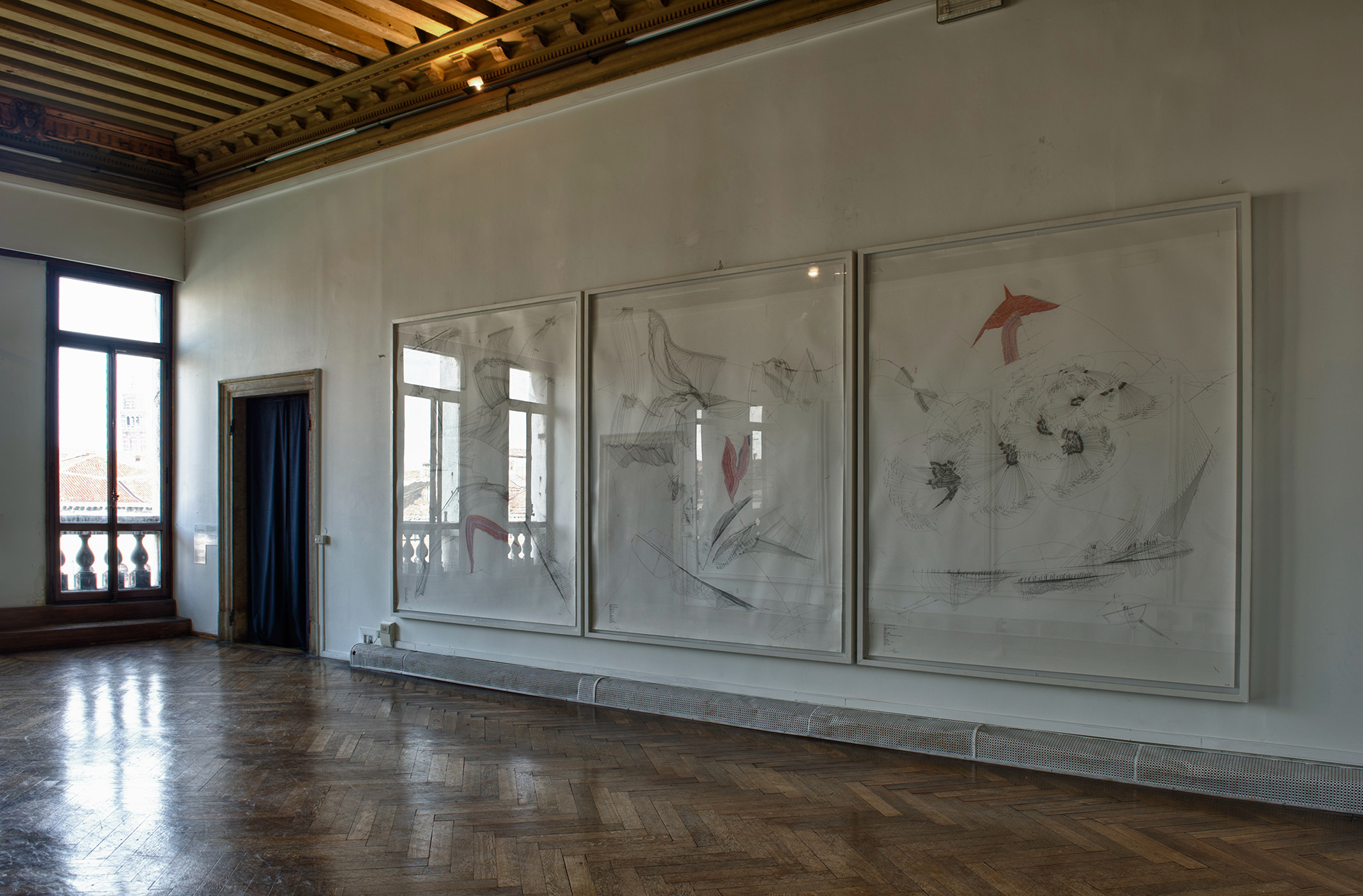
Jorinde Voigt has developed a scientific system of dogmatic limitations that forms the grid of her drawings. Each drawing series follows the same limitations. Her conceptual works are closely linked to the grammatical structure of languages and the notation of music. Using a scientific approach and precision, Voigt investigates drawing. Her work unveils dynamical structures that can be found all around, in our body, in social, political and architectural structures, in our own physical experiences. For her botanical garden work, she uses a strategy of objectifying her subjective experience, recreating it through a fixed system of registration and evaluation. Voigt creates a daring new group of drawings for PAC, including a specially created Botanic Code of Kiev.
Artem Volokytin
Artem Volokytin was born 1981 in Chuguiv, in the Kharkiv region of Ukraine. He graduated from Kharkiv State Academy for Design and Arts. In 2009, he won the main prize in the competition for the PinchukArtCentre Prize. He currently lives and works in Kharkiv.
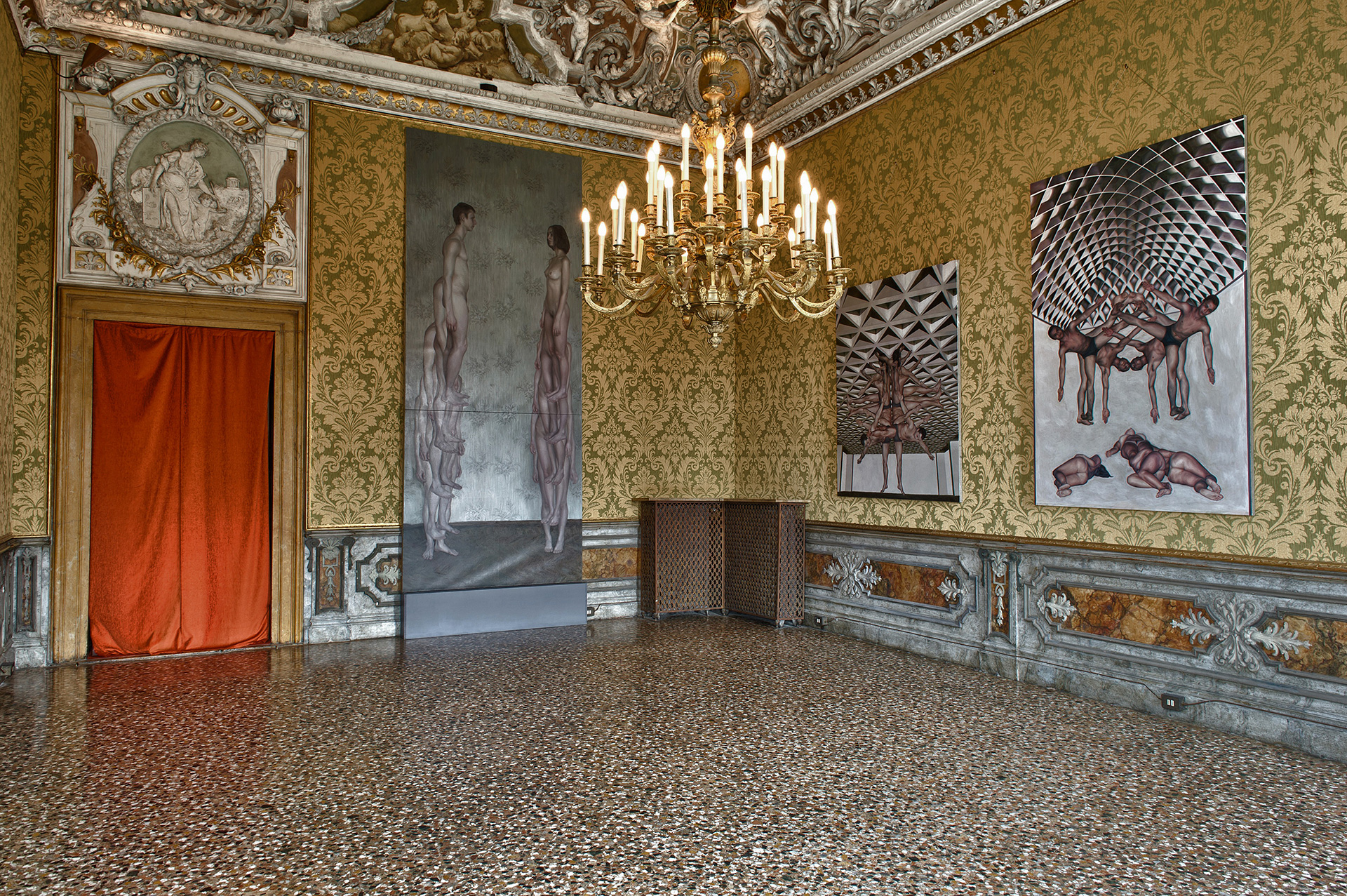
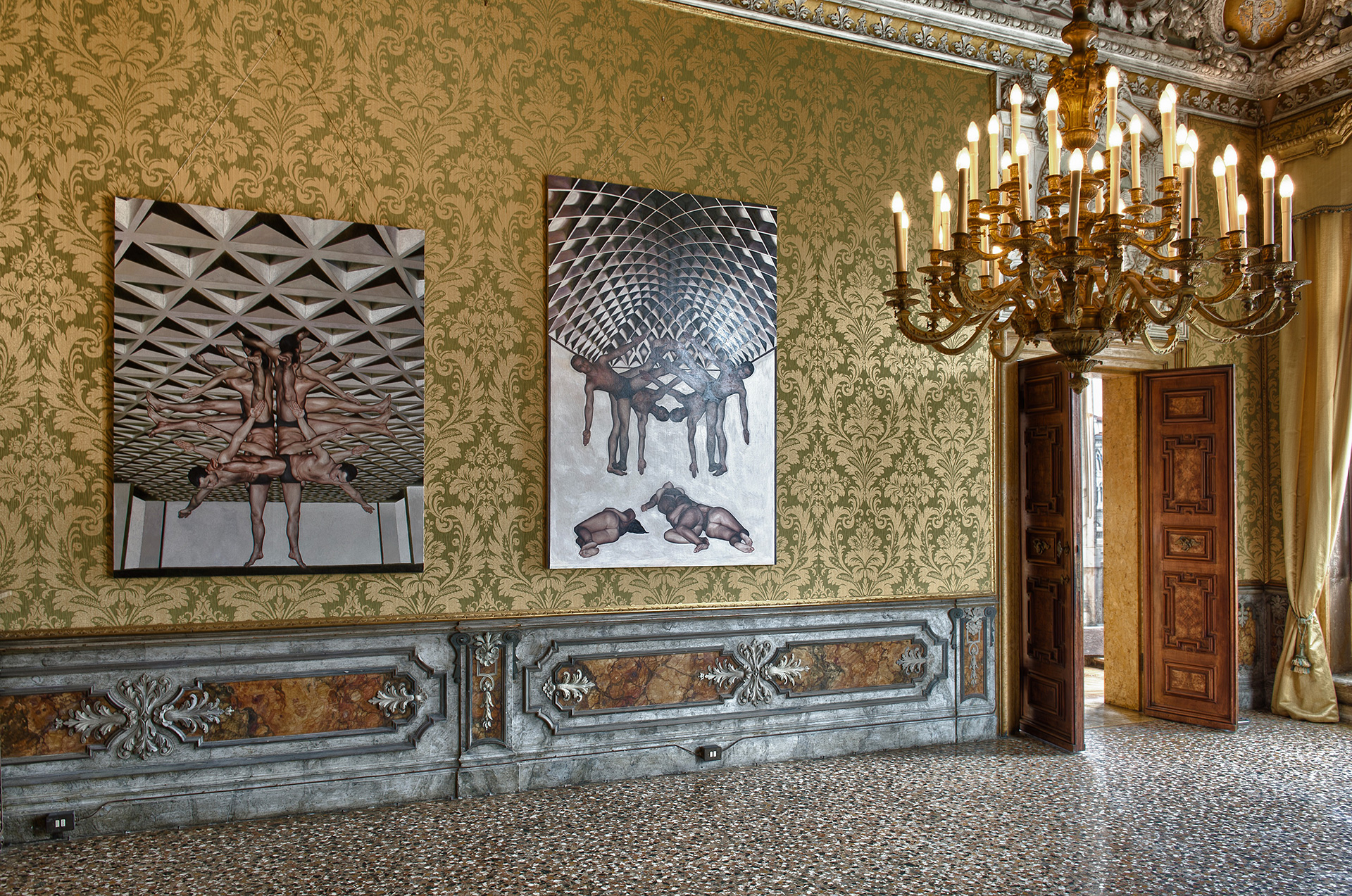
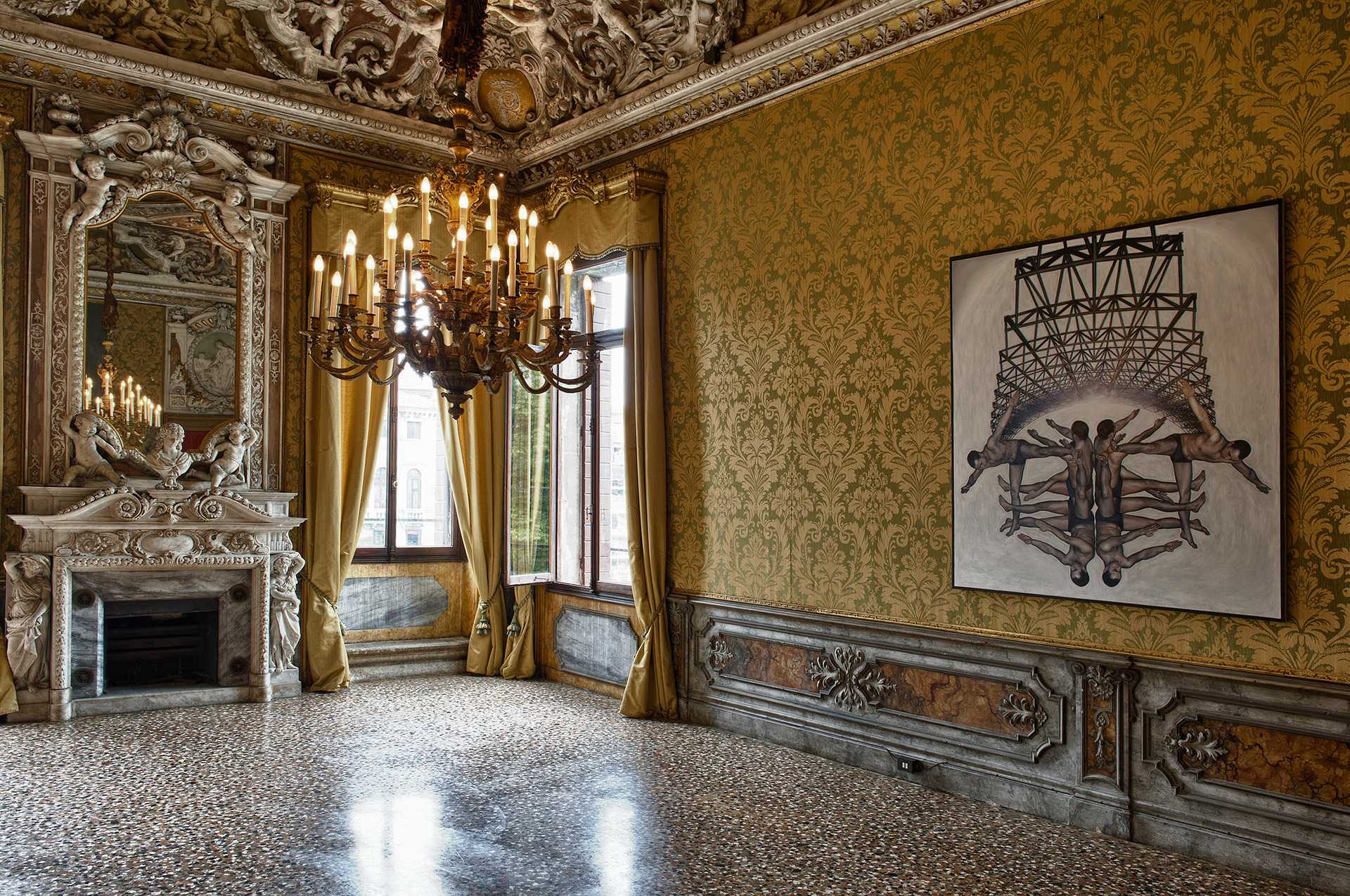
Artem Volokytin is a full-blooded painter who researches the body as a physical presence on canvas. His painting technique looks to create light through the paint. His work becomes an investigation of the human body as a monumental and spiritual hero. Volokytin disconnects his figures from the real by figurating them in a void. The emptiness of the background emphasizes the absence of context and increases the tension between a void and physicality, introducing a sense of sublime into the flesh.
At PAC, Volokytin presents a new series of paintings exploring the central themes in his work, the body and the void.
Emily Wardill
Emily Wardill was born 1977 in Rugby, UK, and today lives and works in London. Wardill has exhibited extensively both in Britain and abroad. She is a Senior Lecturer at Central Saint Martins College of Art. In 2006 Wardill featured in the Art Now Lightbox programme at Tate Britain. Her films have also been screened at film festivals internationally, including Oberhausen, the New York Film Festival, and the London Film Festival. The most extensive exhibition of Wardill’s work to date, windows broken, break, broke together, opened at de Appel, Amsterdam, in 2010.
Emily Wardill has a strong interest in historical sources, philosophical texts and the history of theatre. These elements influence her film work, which uses a visual language that is always reflecting on cinematographic systems, giving added meaning to her narrative. Wardill thinks about the image as inseparable from its soundscape, using sound as an antipode to the image. She investigates her characters in specific social models analyzing the social games and interactions. Her films uncover language systems interwoven with political systems as well as the systematic defence each individual puts up in interaction with another. Wardill leads a psychological investigation on how human nature in a “risk society” creates illusions that come to be regarded as reality.
Wardill has made the radical choice to show sketches of an unfinished film project at PAC, opening a work in process to the public for the first time. She combines this with her most recent work, Game Keepers without Game.
Hector Zamora
Hector Zamora was born 1974 in Mexico City, where he graduated in graphic design from the UAM-X. He currently lives and works in São Paulo, Brazil. His work has been exhibited at the Bienal de São Paulo (2006), the Busan Biennale, South Korea (2006), the Encuentro Internacional Medellín, Colombia (2007), the Bienal de la Habana, Cuba (2007) and the Biennale di Venezia (2009).
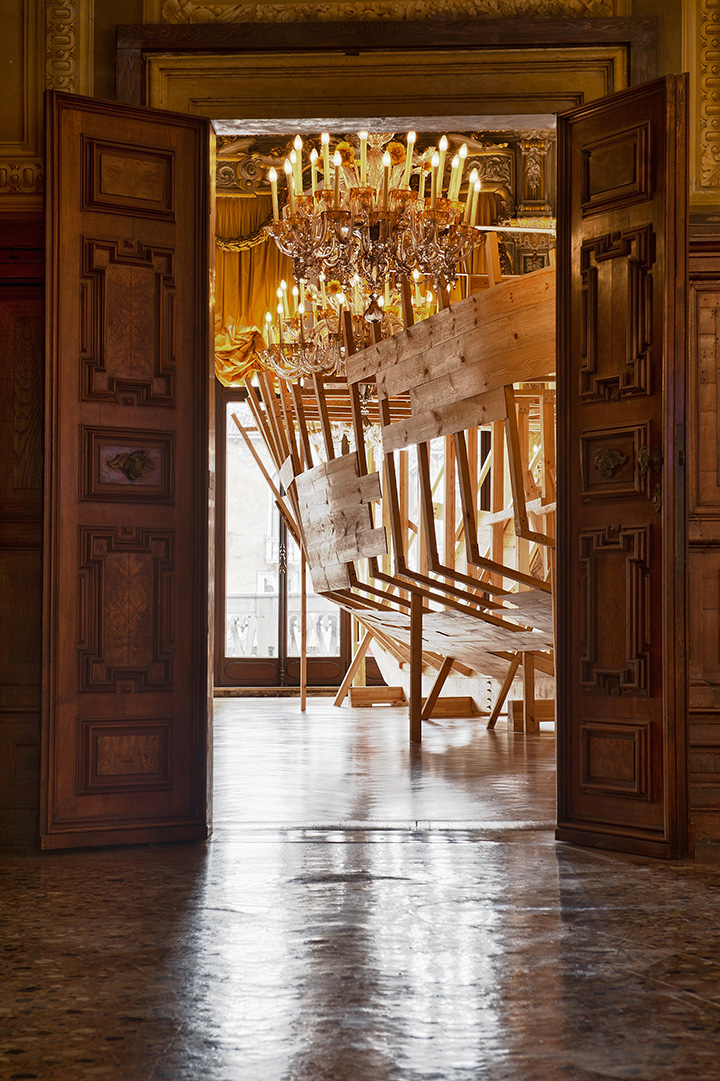
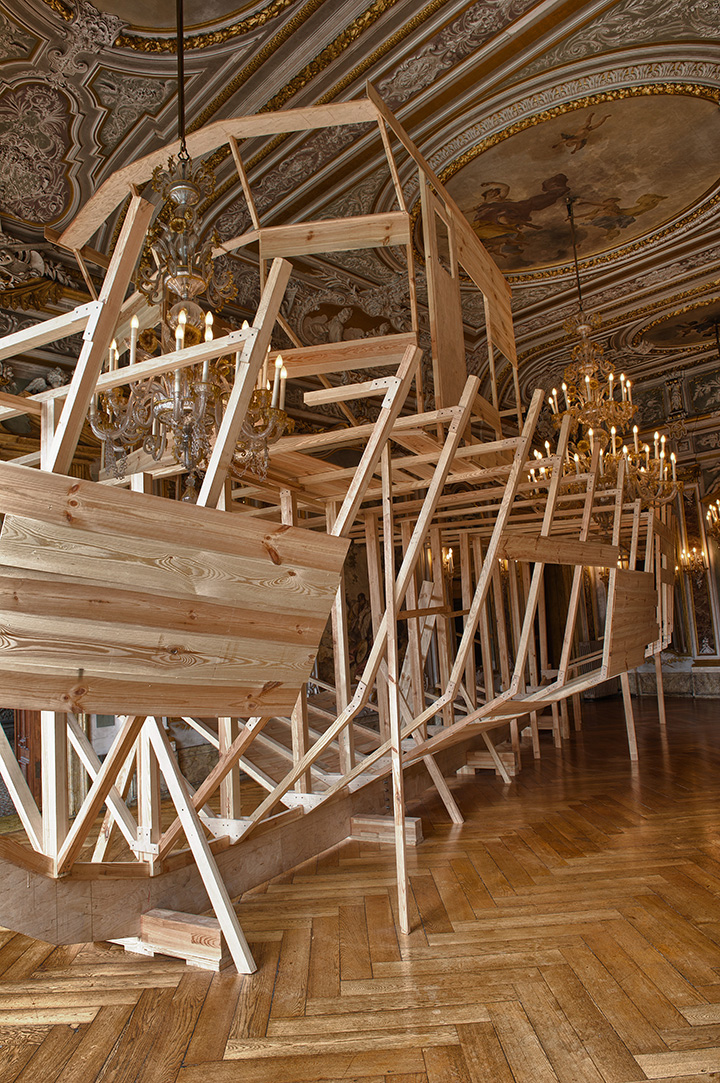
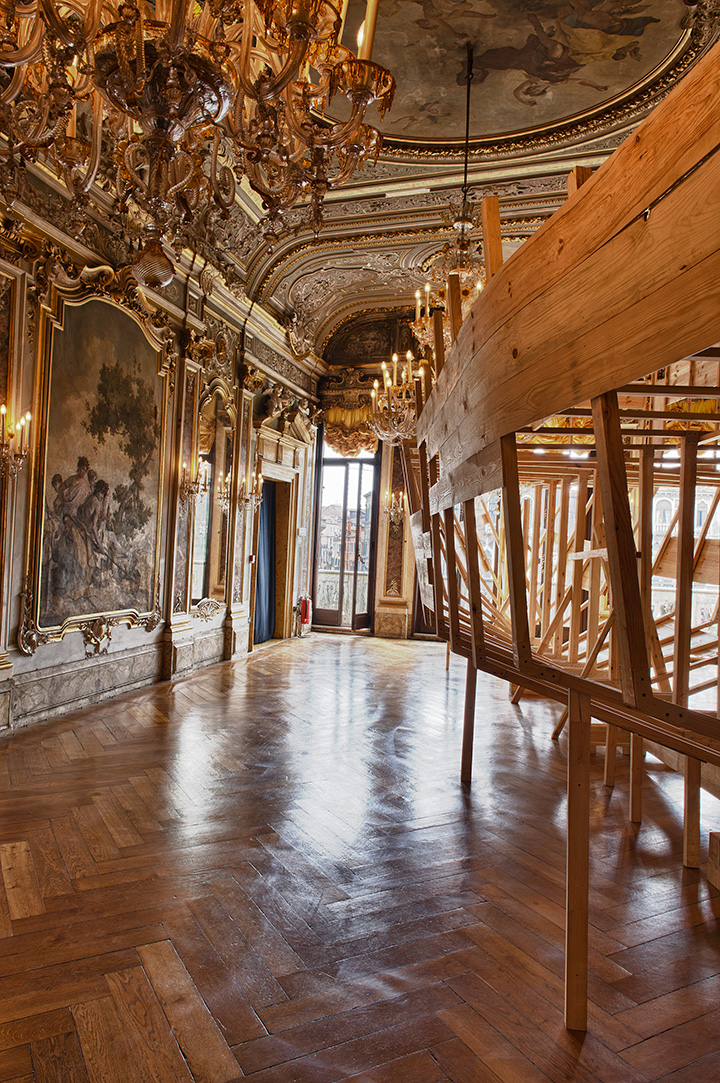
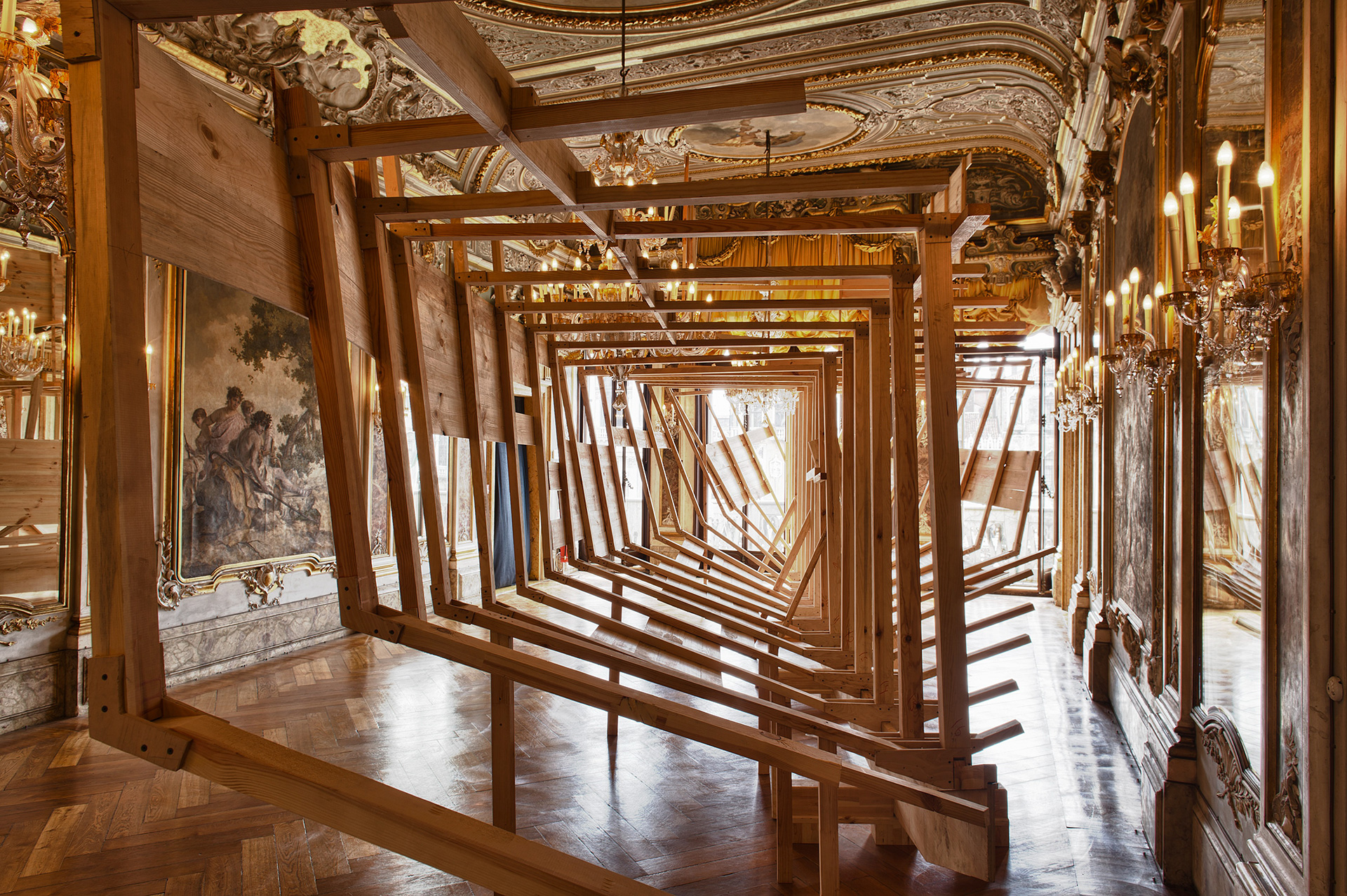
To bring an ideological system to its absolutely emancipated form is rarely a successful experiment, as the system itself adapts to the reality of its surroundings, loses its purity or stops its growth. The reflection on these ideological structures, which have a historical, social, political or cultural origin, is the central theme of Hector Zamora’s sculptural installations. In PAC, Zamora introduces a boat that could not be finished since the physical space where the construction started proved too small. He reflects on the former political model of socialism and the marks it left on society. But the work reaches beyond that, as the boat itself has a complex symbolical and iconographical tradition, which transcends different cultural identities.
Zamora shows his special project of constructing a large boat inside PAC, reflecting on ideological structures and society.
Palazzo Papadopoli, location of an official Collateral Event of the 54th International Art Exhibition “Future Generation Art Prize @ Venice”
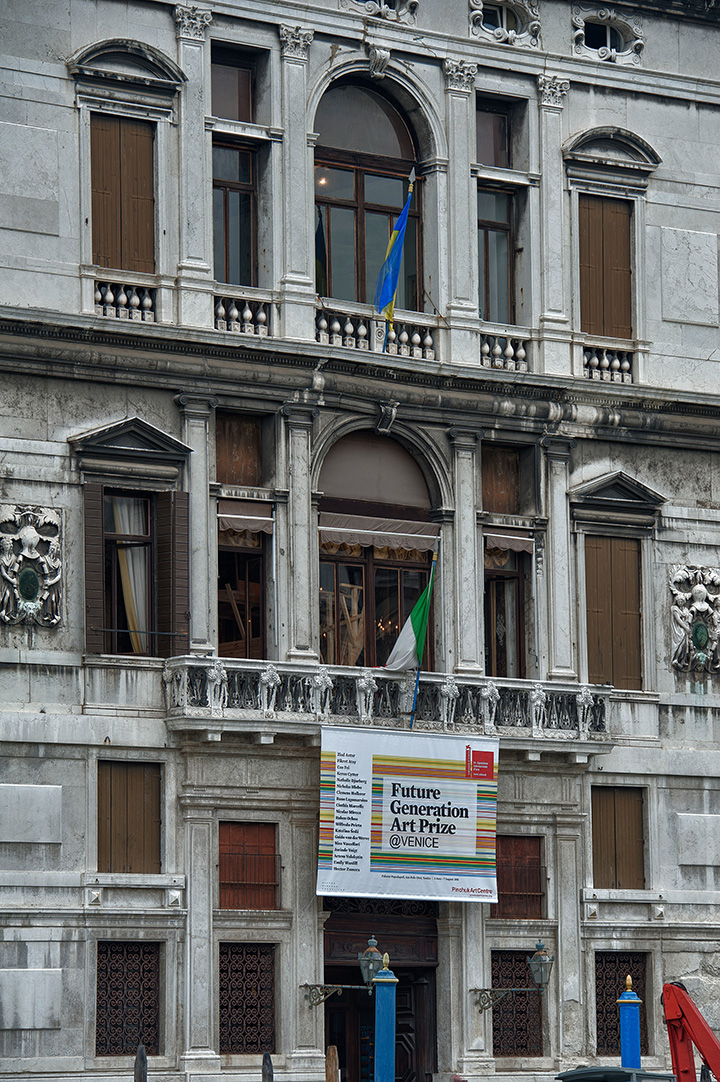
Palazzo Papadopoli, location of an official Collateral Event of the 54th International Art Exhibition “Future Generation Art Prize @ Venice”
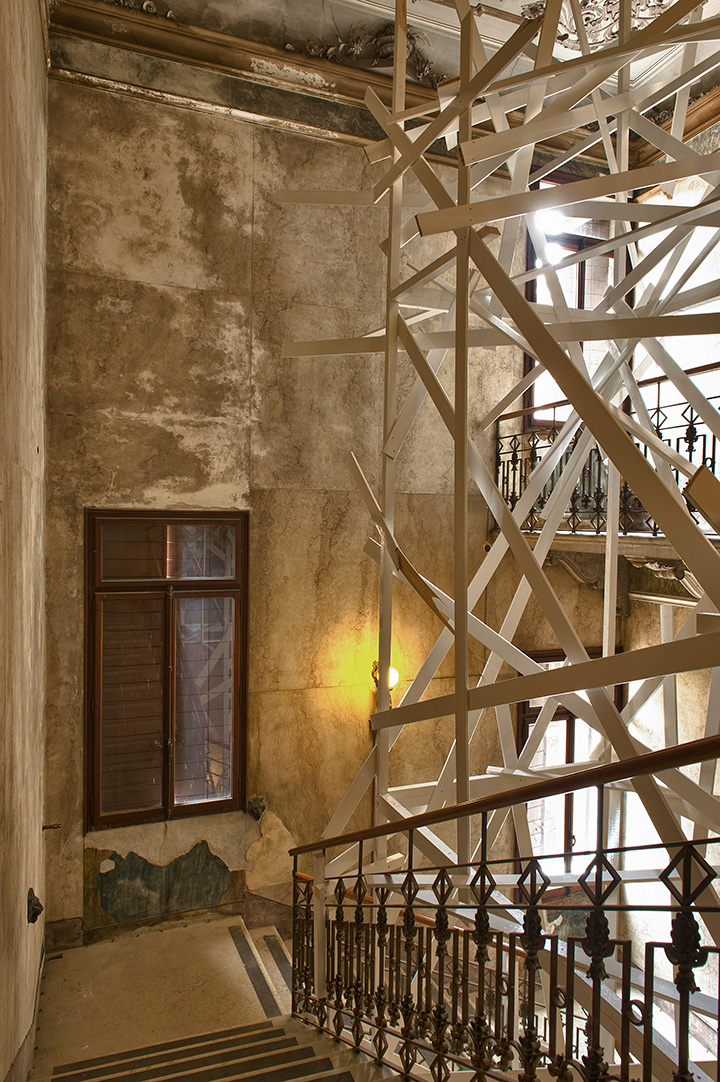
Palazzo Papadopoli, location of an official Collateral Event of the 54th International Art Exhibition “Future Generation Art Prize @ Venice”
Clemens Hollerer
How to disappear completely, 2011
Enamel paint on wood
Courtesy Gallery Winiarzyk, Vienna
Clemens Hollerer
How to disappear completely, 2011
Enamel paint on wood
Courtesy Gallery Winiarzyk, Vienna
Clemens Hollerer
How to disappear completely, 2011
Enamel paint on wood
Courtesy Gallery Winiarzyk, Vienna
Ruben Ochoa, installation view
Ruben Ochoa, installation view
Ruben Ochoa, installation view
Ruben Ochoa, installation view
Nicholas Hlobo, installation view
Nicholas Hlobo, installation view
Artem Volokytin, installation view
Artem Volokytin, installation view
Artem Volokytin, installation view
Artem Volokytin, installation view
Hector Zamora
BAM – Construction of the Century! 2010
Wood, metal, site specific installation
Hector Zamora
BAM – Construction of the Century! 2010
Wood, metal, site specific installation
Hector Zamora
BAM – Construction of the Century! 2010
Wood, metal, site specific installation
Hector Zamora
BAM – Construction of the Century! 2010
Wood, metal, site specific installation
Hector Zamora
BAM – Construction of the Century! 2010
Wood, metal, site specific installation
Nico Vascellari
Untitled Horizons, 2011
Collage on paper, 120 slides, three slides projectors, Dimensions variable
Courtesy of Bugada & Cargnel, Paris
Nicolae Mircea, “Romanian Kiosk Company”, 2010, film, duration: 55 min.
Nicolae Mircea
Romanian Kiosk Company, 2010
(Model 1986)
Wood, paint, light bulb
Kateřina Šedá
Huyndai: Visitors Day, 2011
Mixed media
Courtesy artist, Franco Soffiantino Gallery and La Gaia Collection
Kateřina Šedá
Huyndai: Visitors Day, 2011
Mixed media
Courtesy artist, Franco Soffiantino Gallery and La Gaia Collection
Kateřina Šedá
Huyndai: Visitors Day, 2011
Mixed media
Courtesy artist, Franco Soffiantino Gallery and La Gaia Collection
Kateřina Šedá
Huyndai: Visitors Day, 2011
Mixed media
Courtesy artist, Franco Soffiantino Gallery and La Gaia Collection
Runo Lagomarsino
Horizon (Southern Sun Drawing), 2010
Sun-drawing on newsprint, Series of 90 drawings 18 x 10 cm
This Wall Has No Image but It Contains Geography, 2010
Fikret Atay
Batman vs. Batman, 2009
Video, color/sound, duration: 9:52 min
Ziad Antar
Terres de pomme de terre, 2009
C-print, 16 mm video, duration: 26 mm
Ziad Antar
Terres de pomme de terre, 2009
C-print, 16 mm video, duration: 26 mm
Natalie Djurberg
Putting Down the Prey, 2008
Digital video transferred to digital Betacam, clay animation, 4:3, colour, stereo, duration: 5:40 min
Jorinde Voigt
Interhorizontal Nexus (Kiev 1-7) Berlin, 2010
Ink, oilpastell, graphite on paper
Cinthia Marcelle
Cruzada, 2010
Video in loop, duration: 9:36
Cinthia Marcelle
475 Volver, 2009
Video in loop, duration: 8:12
Cinthia Marcelle
475 Volver, 2009
Video in loop, duration: 8:12
Cinthia Marcelle
Fonte 193, 2008
Video in loop, duration: 12 min
Guide van der Werve
Nummer twaalf, 2009
Video, duration: 42 min
Guide van der Werve
Nummer twaalf, 2009
Video, duration: 42 min
Guide van der Werve
Nummer twaalf, 2009
Video, duration: 42 min
Cao Fei
In the Night Garden, 2010
Mixed media, site specific installation
Cao Fei
In the Night Garden, 2010
Mixed media, site specific installation
Cao Fei
In the Night Garden, 2010
Mixed media, site specific installation
Keren Cytter
The Hottest Day of the Year, 2010
Digital video, color/sound, duration: 12:45 min, music: Tal Hefter
Courtesy of Keren Cytter; Galerie Christian Nagel, Köln/Berlin/Antwerpen
We use cookies to personalise content and ads, to provide social media features and to analyse our traffic. We also share information about your use of our site with our social media, advertising and analytics partners who may combine it with other information that you’ve provided to them or that they’ve collected from your use of their services.