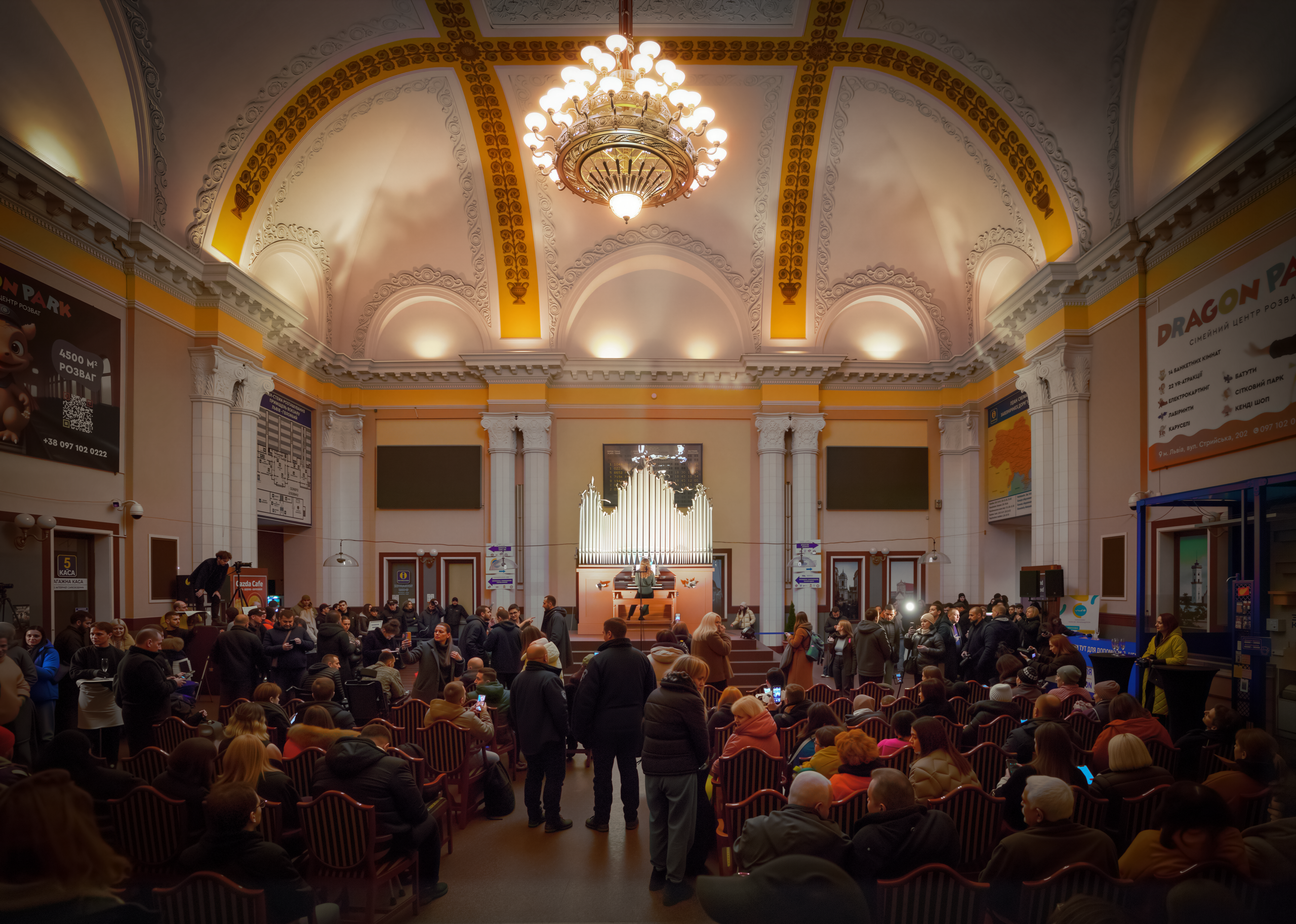
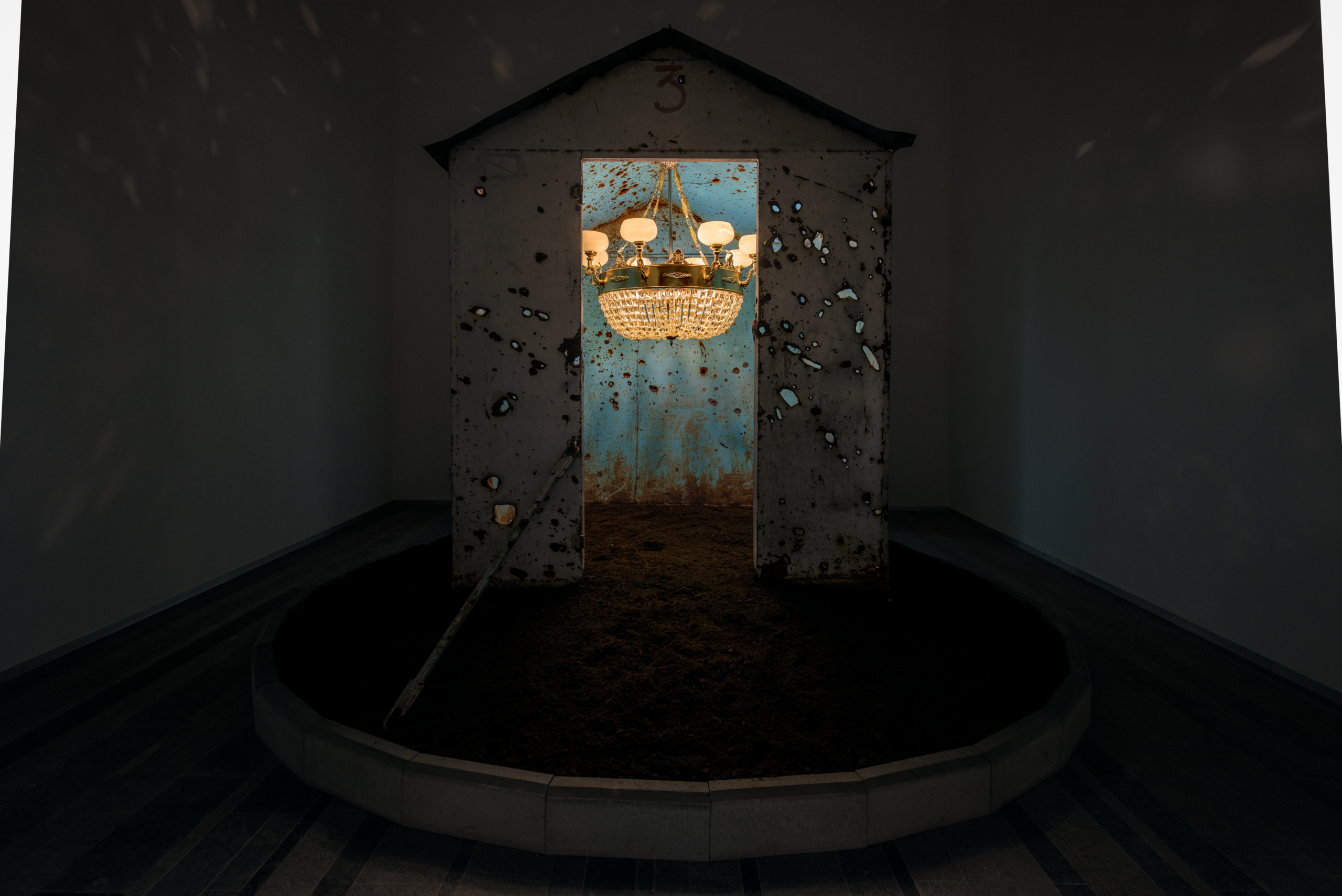
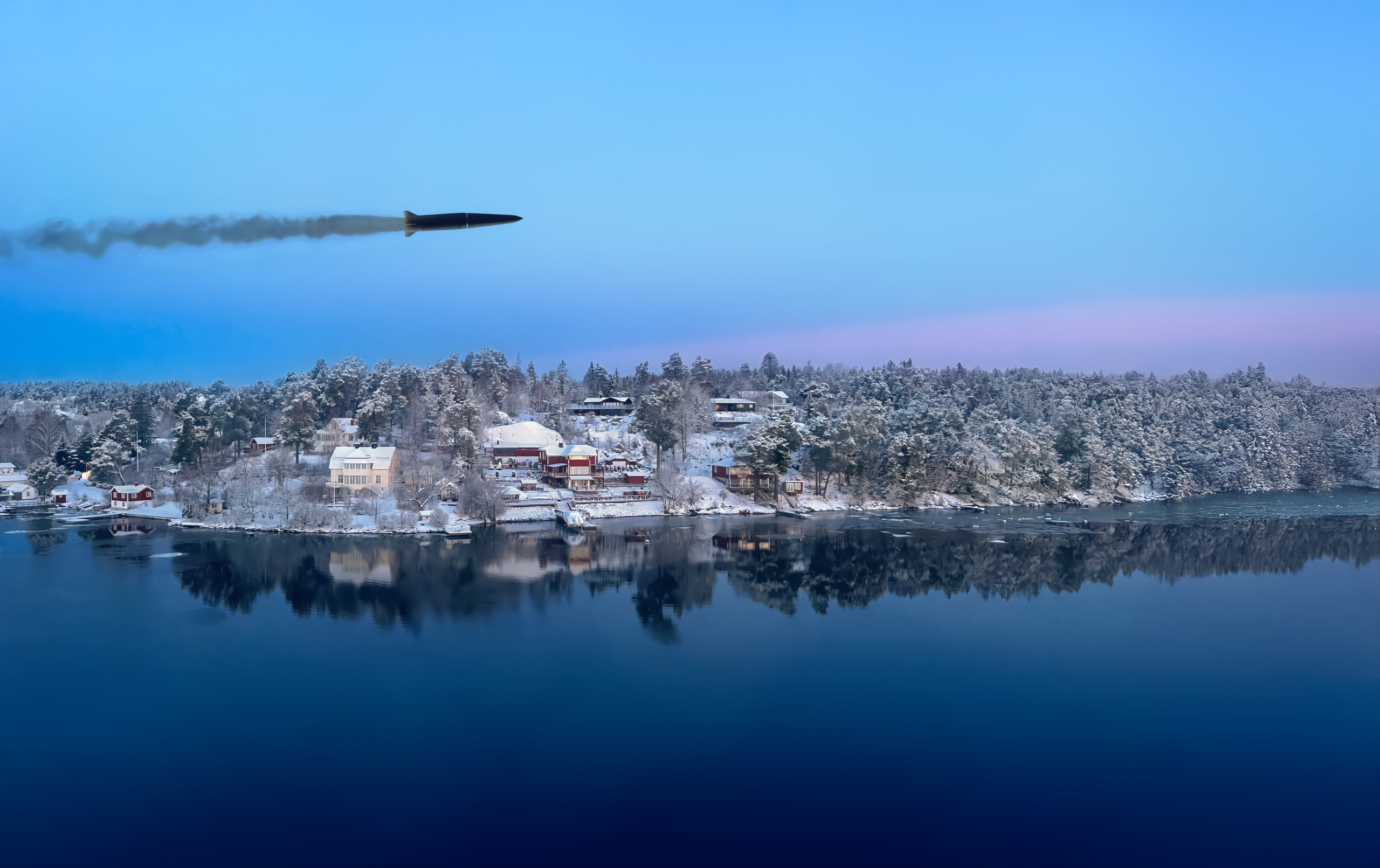
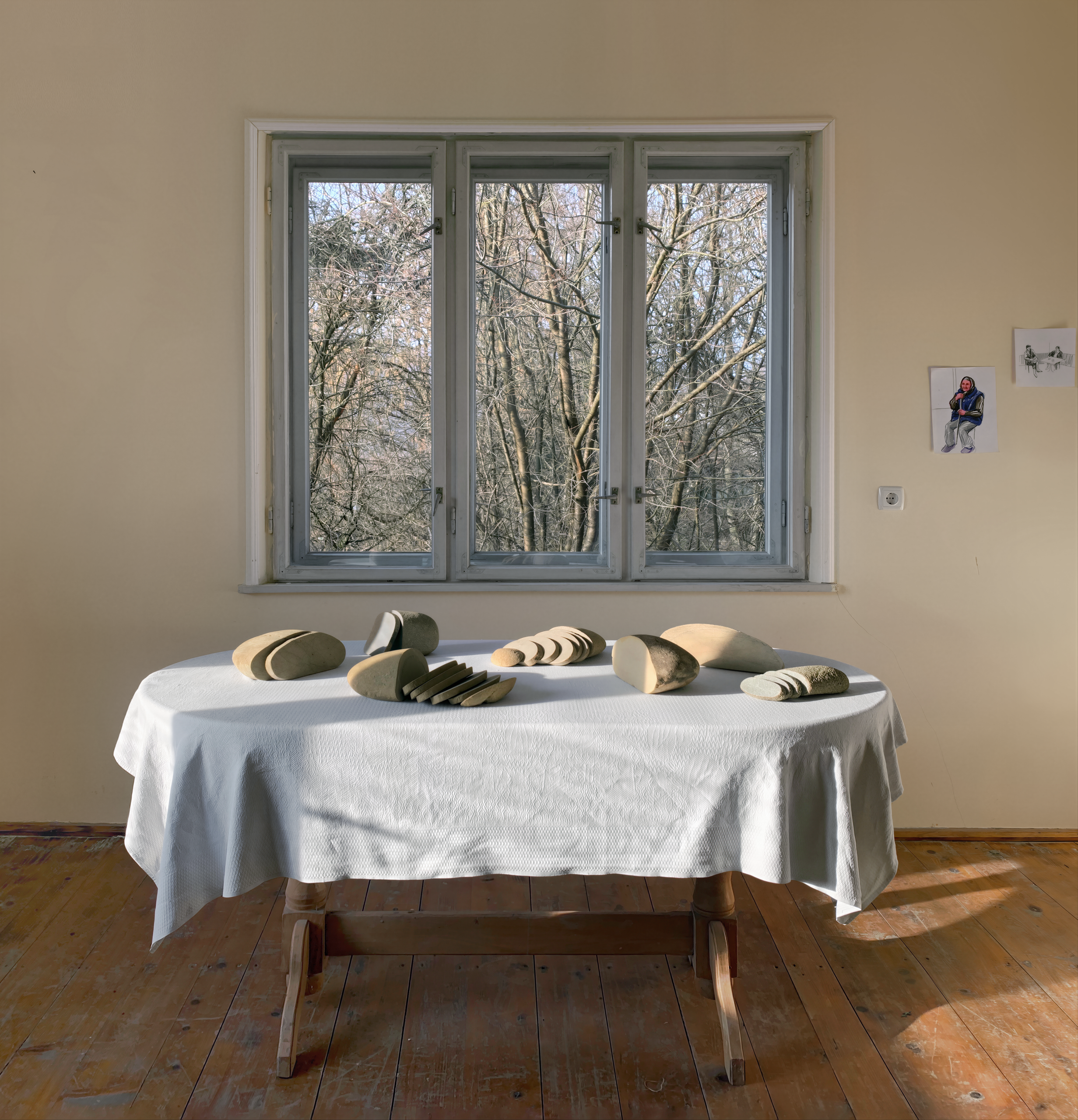
Zhanna Kadyrova. Refugees. 2022–2025. Photo, installation, plants in pots
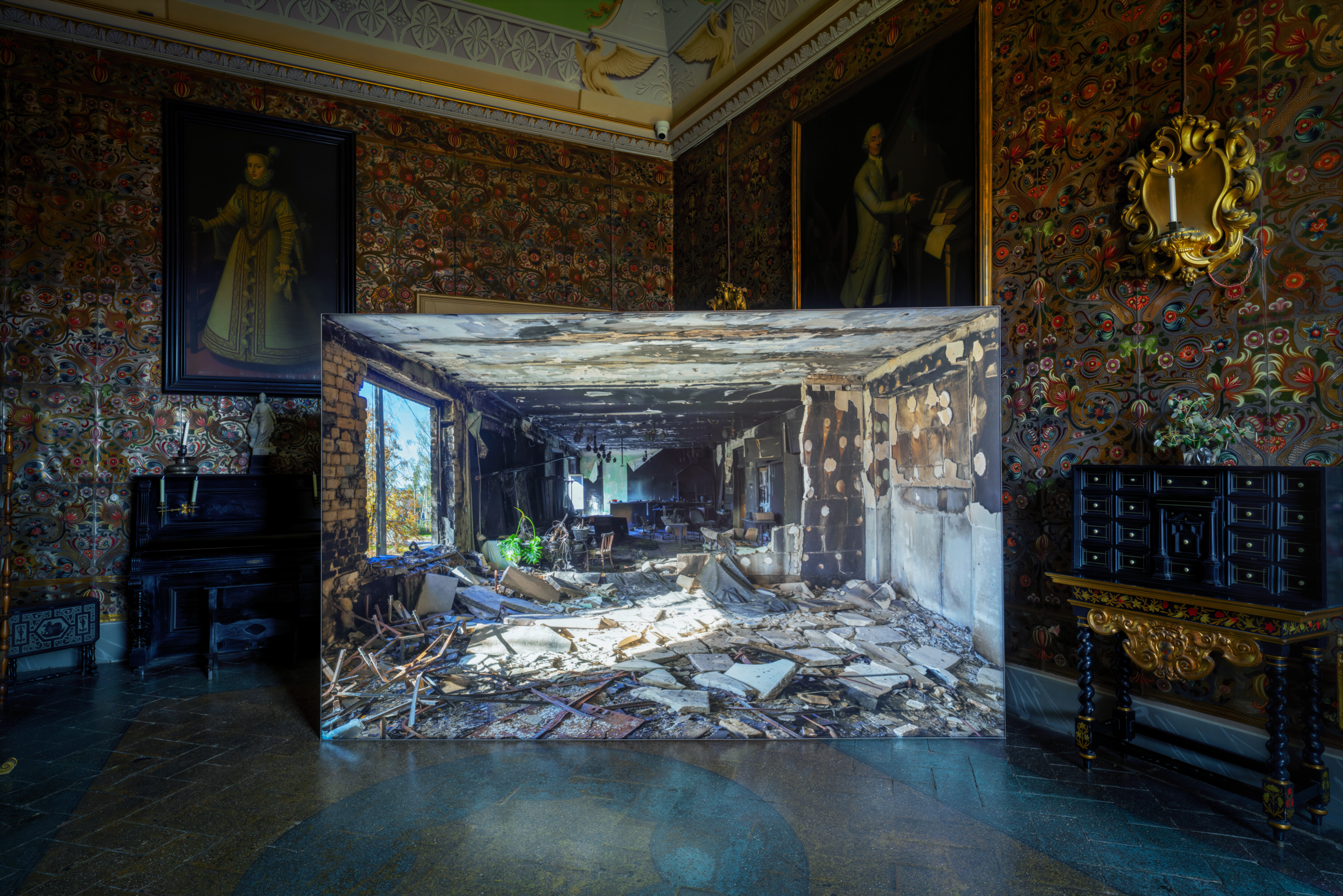
Work Description
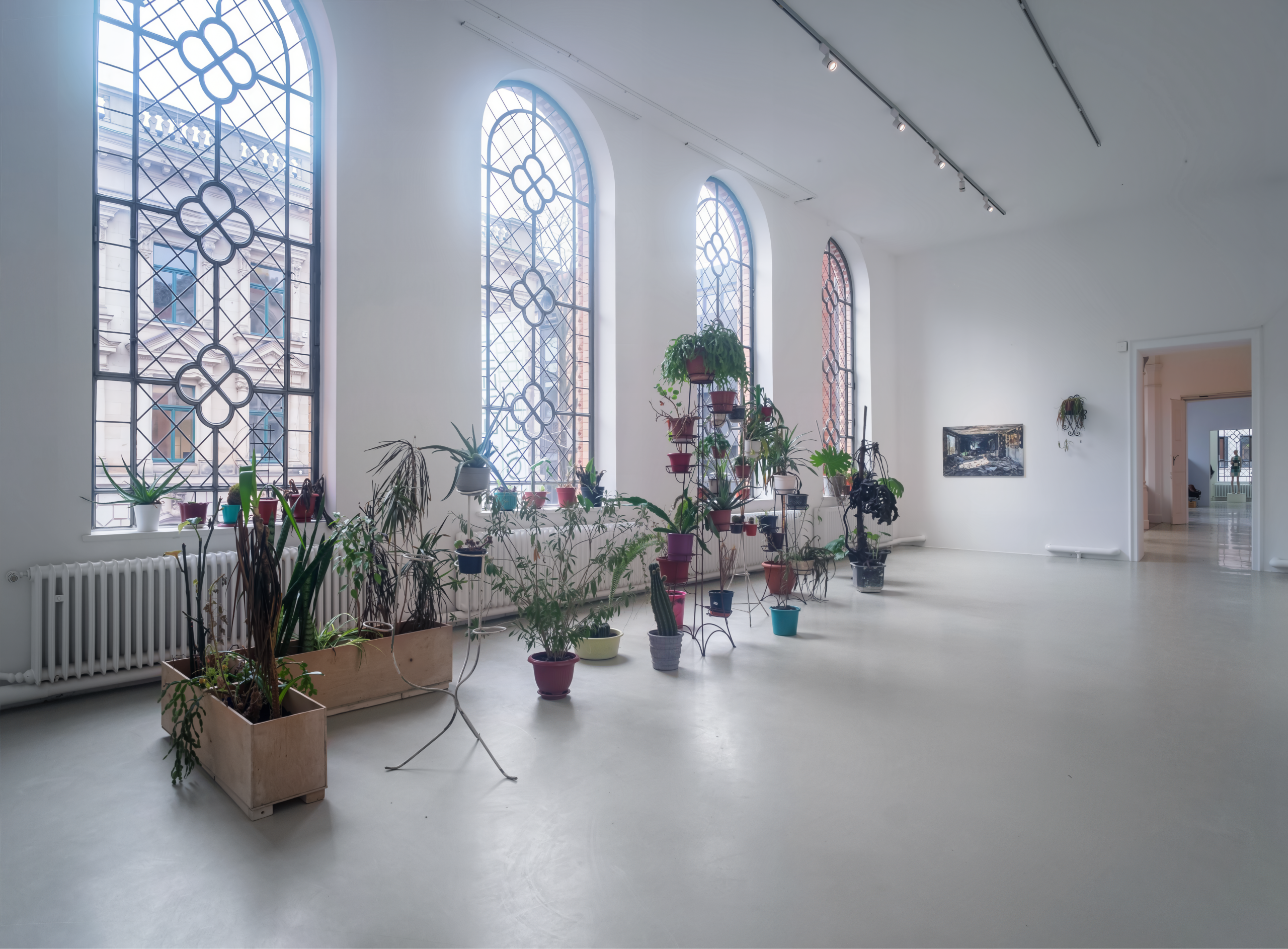
The installation consists of potted houseplants evacuated from destroyed buildings: half-alive, half-dried, or fire-scorched. The artist transported them from the villages of Kyrylivka and Bohdanivka in the Kharkiv region after their de-occupation. Mostly, these plants inhabited public spaces: local schools, hospitals, or libraries. Now they are refugees just like people or animals. The plants have imprinted the experiences they endured, reflected in their physical damage, and similarly bear the marks of war.
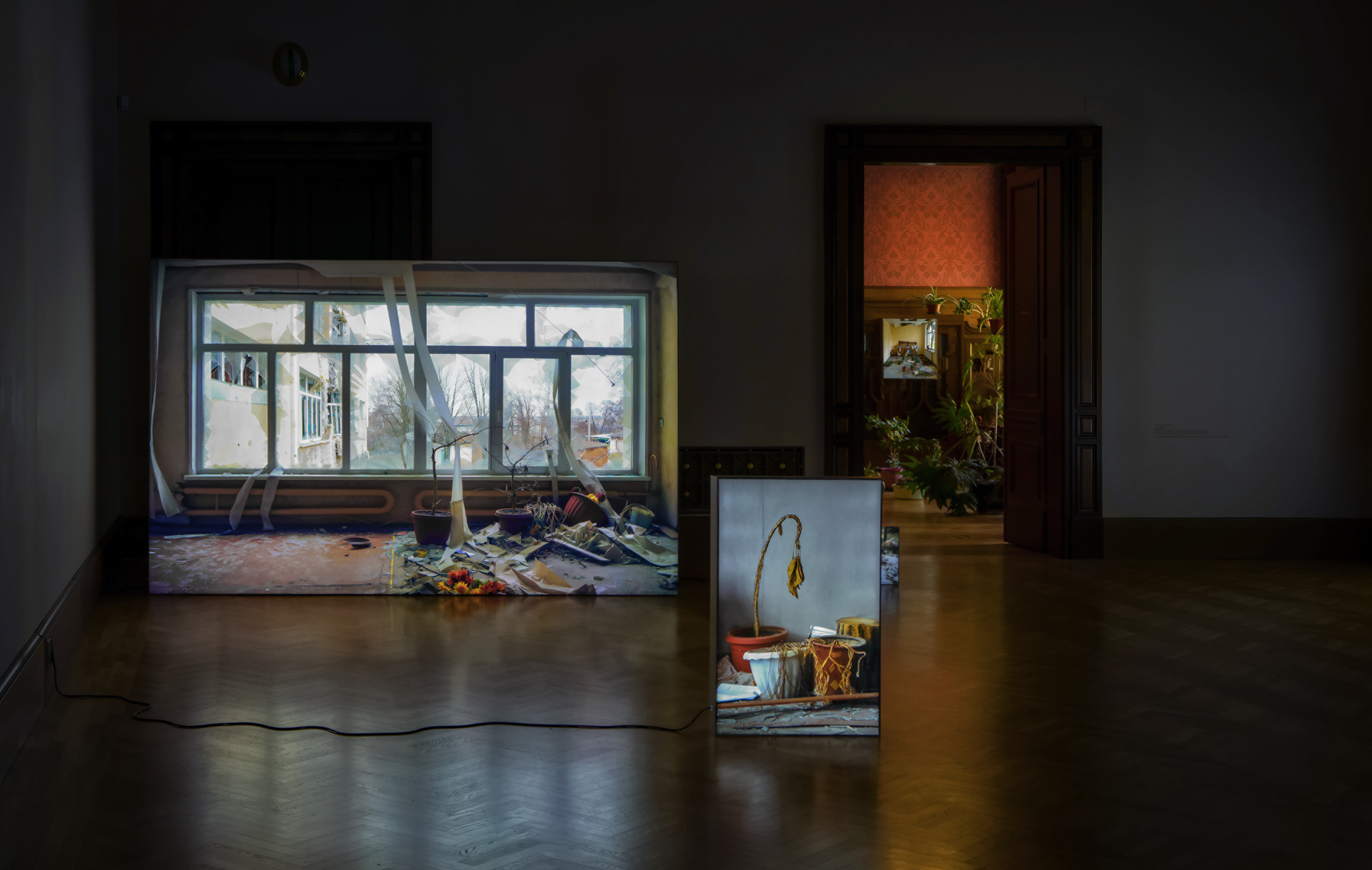
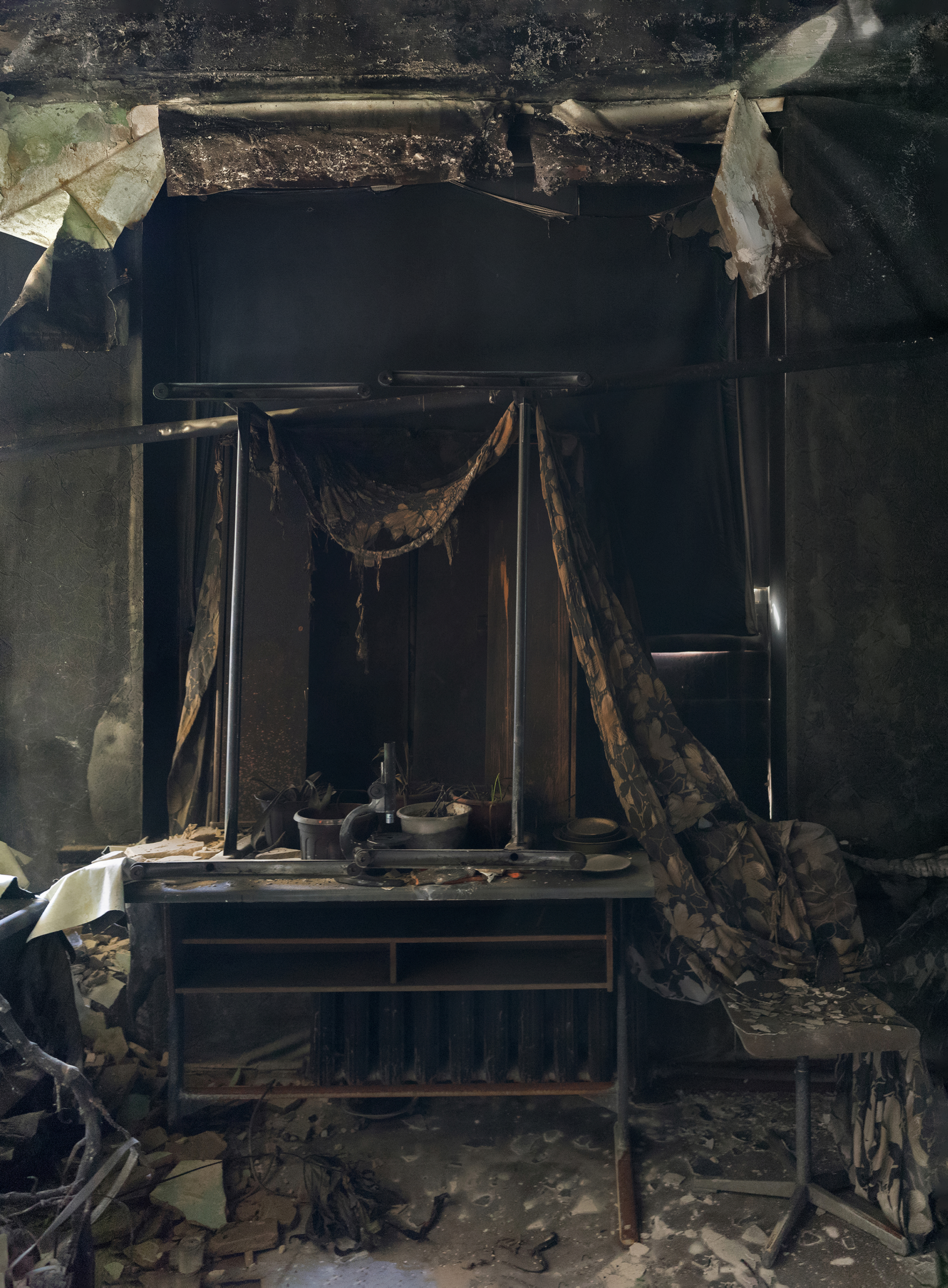
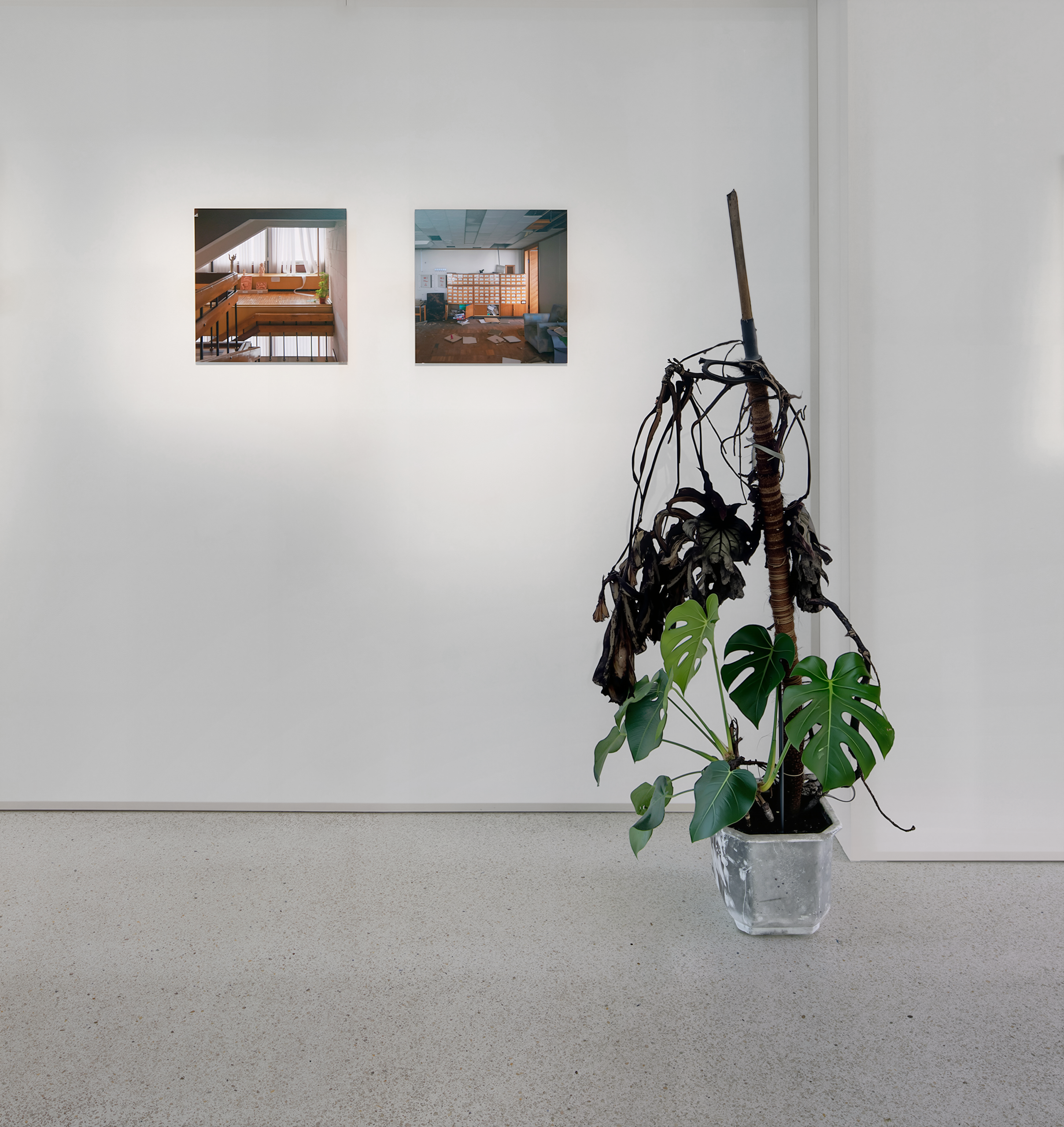
The exhibited plants are complemented by photo and video materials. In the videos, owners share personal stories of displacement and survival in the war’s hotspots. The photographs document burned rooms with shattered interiors, some completely scorched. The lavish decoration typical of traditional Zimmerbilder — interior portraits that became popular in European art from the late 17th century and mostly depicted the pompous halls of palaces — has been replaced in Kadyrov’s work by ruins and real scenes of desolation. Like other installations from the time of the full-scale invasion, these works aim to sober up foreign audiences by dismantling utopian notions of guarantees of peace and democracy in the world.