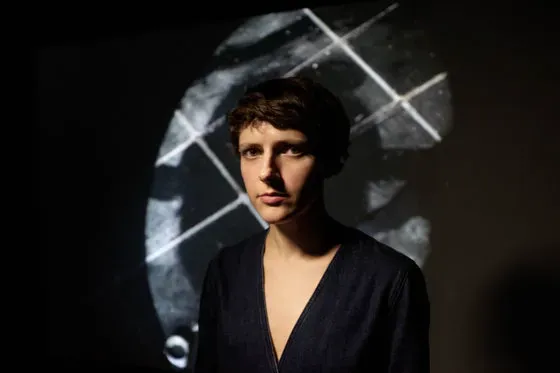
Anna Zvyagintseva (b.1986) was born in Dnipropetrovsk, Ukraine. She lives and works in Kyiv. She graduated from the National Academy for fine Arts and Architecture in Kyiv, Easel Painting Section. Member of the Hudrada curator group she is also a co-editor of Prostory.net.ua, an online publication on art, letters and translation. She was a shortlisted artist of the MUHi 2010 young Ukrainian artists contest and the PinchukArtCentre Prize 2013. She was the winner of the special prize and of the Public Choice Prize under the PinchukArtCentre contest in 2015 and the Main Prize winner in 2017. In 2015 she also represented the National Ukrainian Pavilion at the 56th Biennale di Venezia as part of the group exhibition “Hope”. Zviagintseva´s latest solo shows are “Misplaced touches”, PinchukArtCentre, Kyiv, 2017; “The radio behind the wall|”, Closer, Kyiv, 2015; “Trusting movement”, Scherbenko Art Center, Kyiv, 2013. Selected group exhibitions and projects are Mappe. Sguardi sui confine, Palazzo Litta Cultura, Milan, Italy, 2018; Sguardi sui confine, Triennale di Milano, Palazzo della Triennale, Milan, Italy, 2018; Exercises in the Dust, Tobacco 001 Cultural Centre, Ljubljana, Slovenia, 2018.
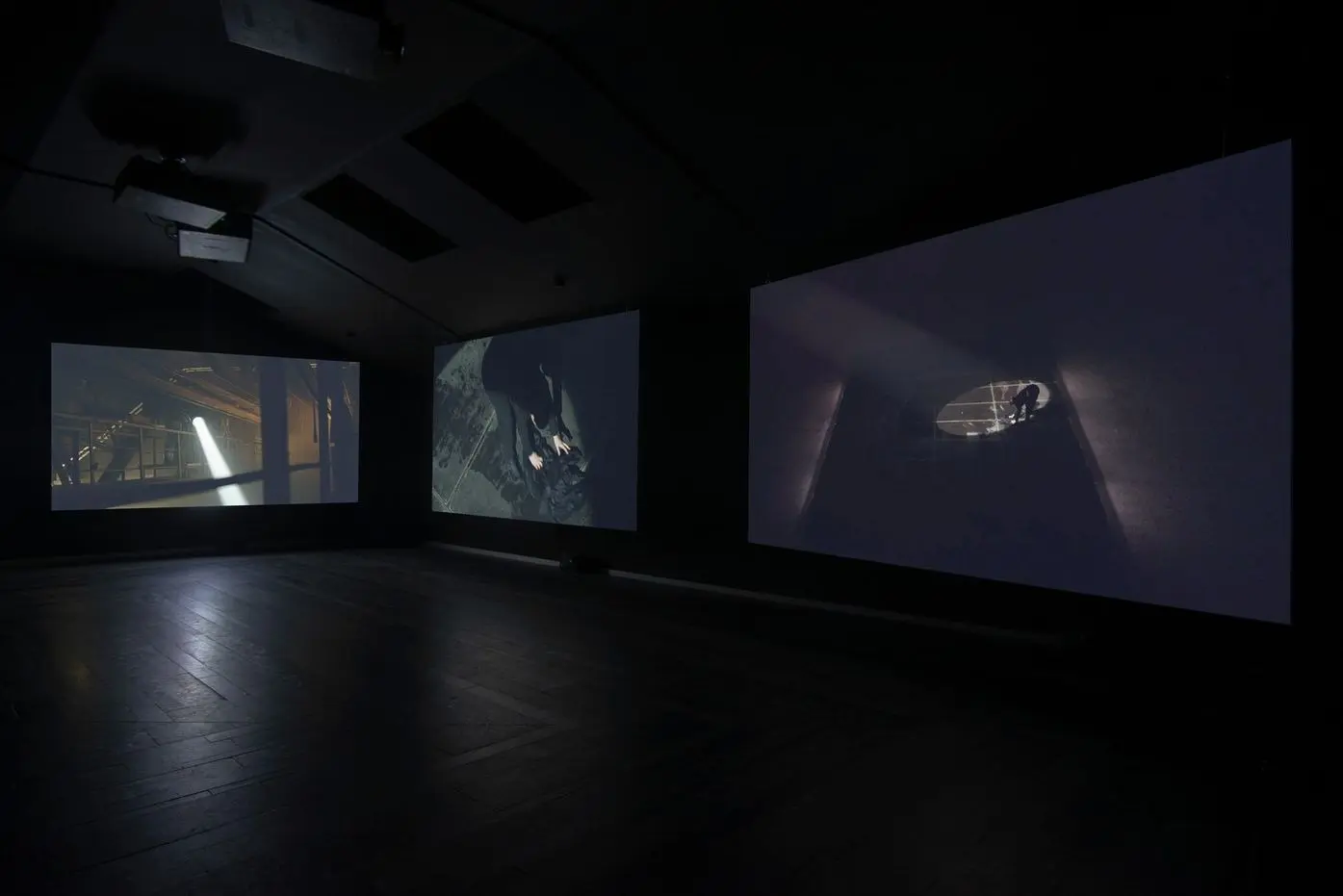
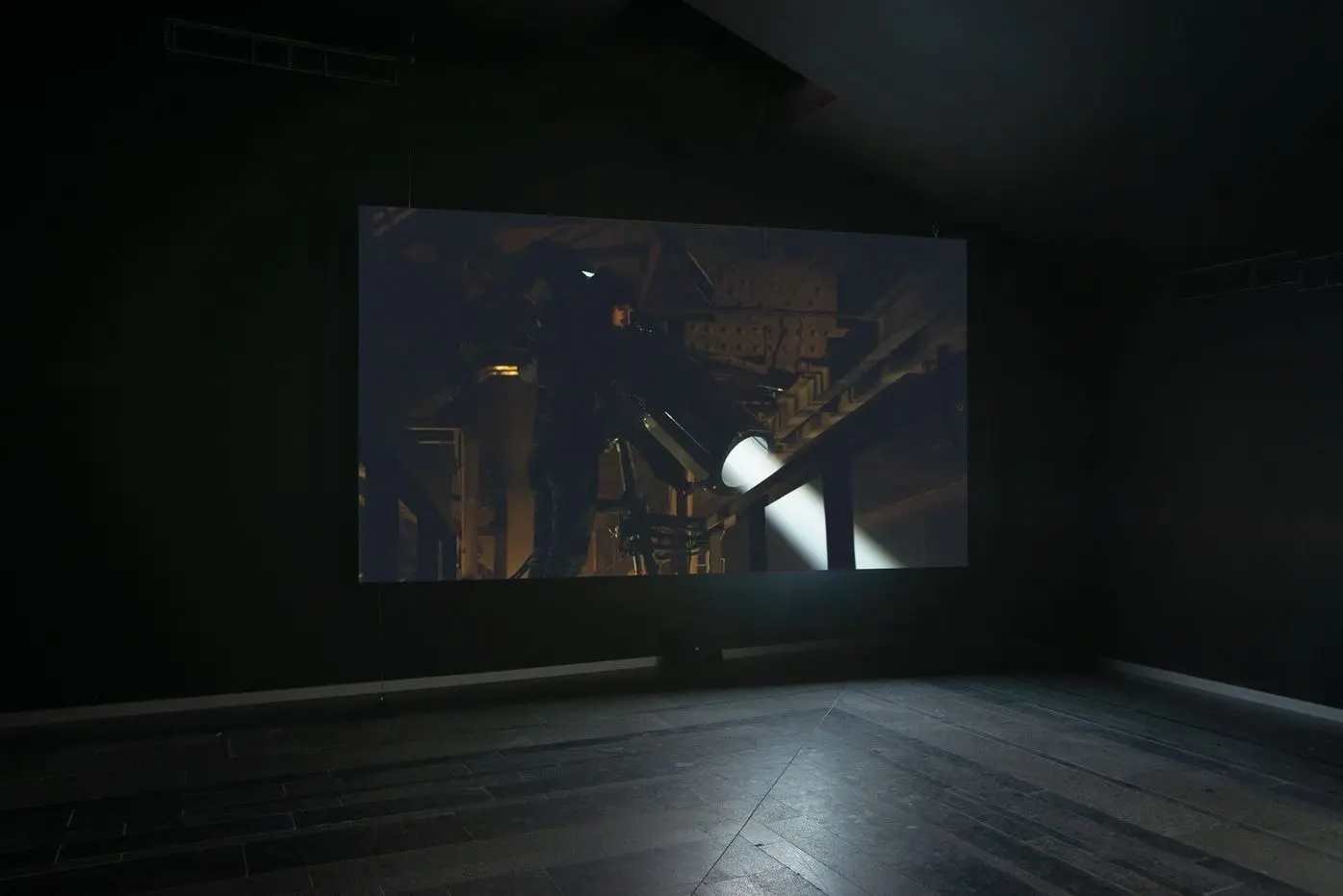
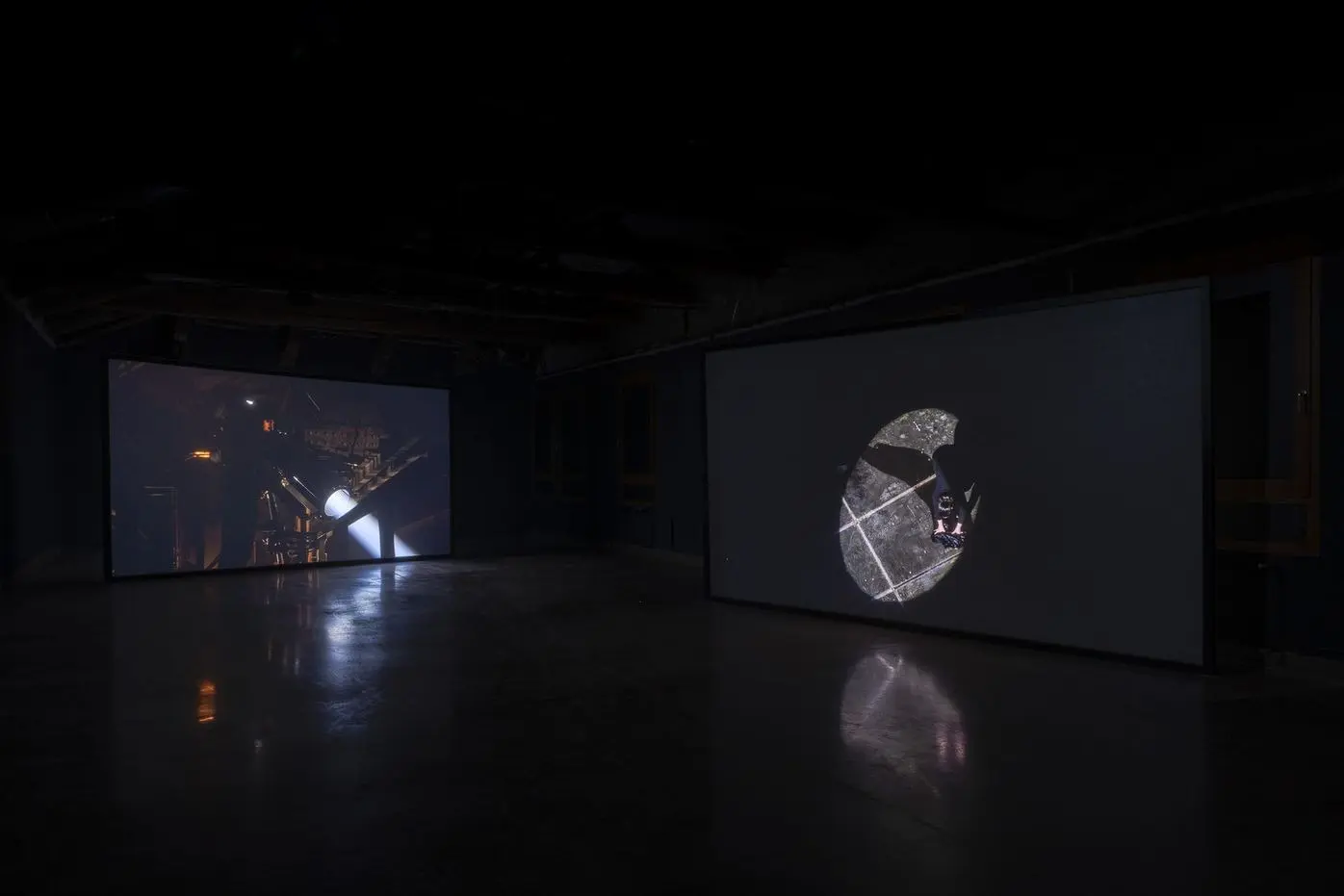
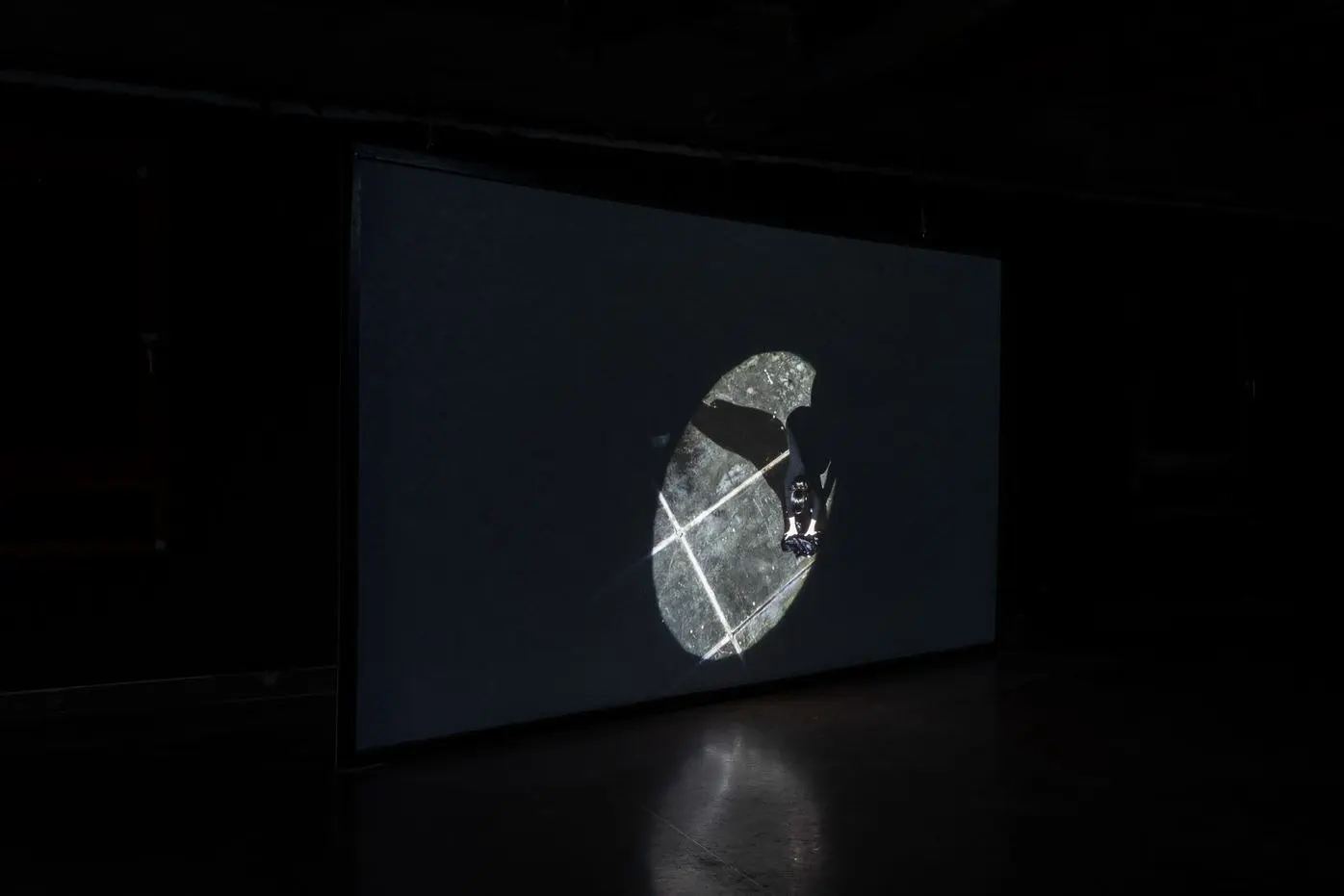
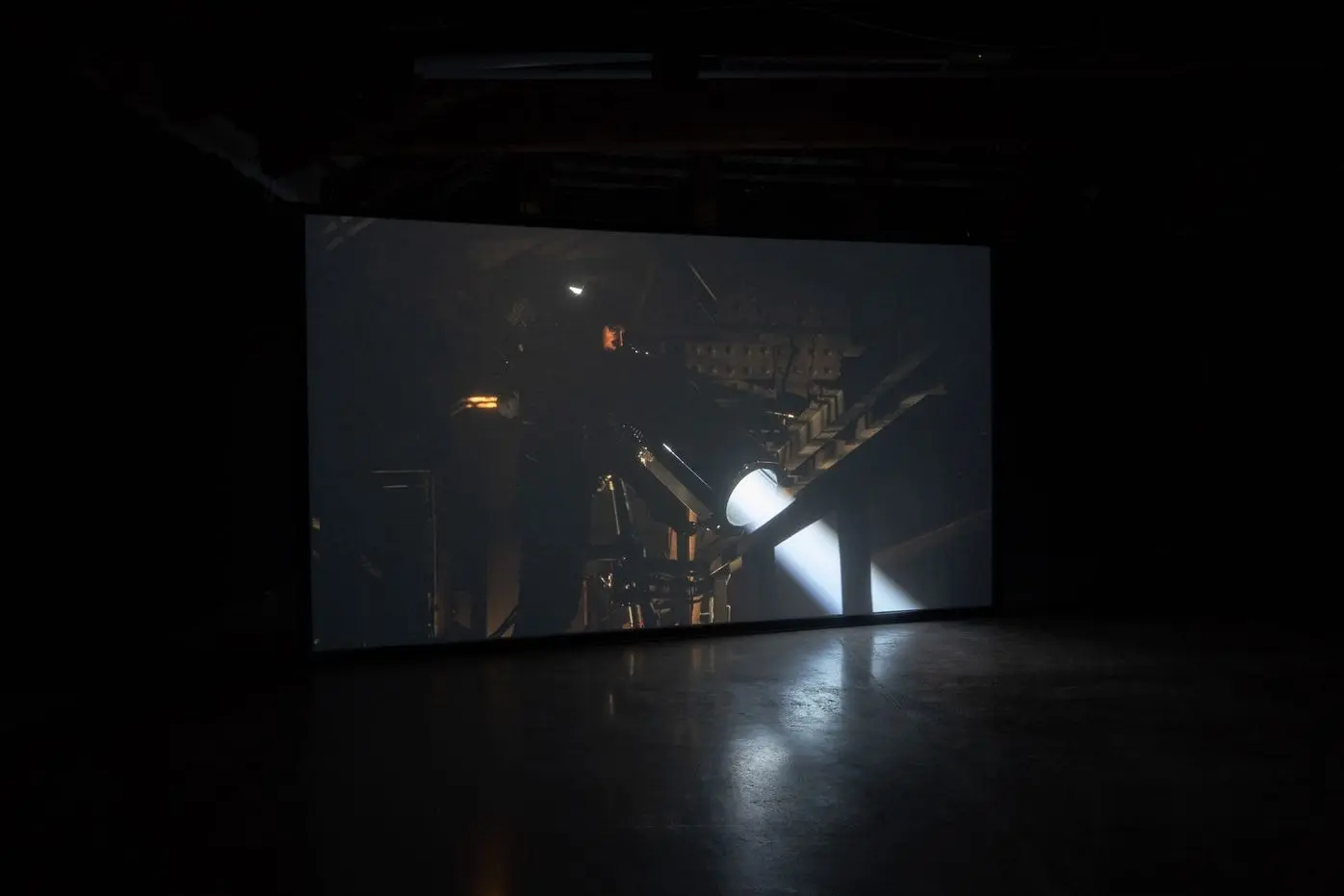
The artistic practice of Anna Zvyagintseva can be viewed through the exploration of a drawing as automatic and off-radar trace. In her video Declaration of Intent and Doubt Zvyagintseva continues her work with the essence of traces. In this new work the stage replaces a piece of paper. Proposing film-based experience artist underlines spatial interactions and conflicts between the characters and stresses on how the roles can shift. The viewer sees the woman washing the floor. But she is not. Only traces of water remain after her and flicker so fast recalling fleeting results of any efforts. An interplay of a woman and the ray shows an establishment of subordination between the leading and the driven, but at the same time reveals the figure of the doubt in such a process. Driven by a will of the ray, the woman acts there where it points, but later her emancipation changes the dynamic of her movements and she cut the knot of dependence.