
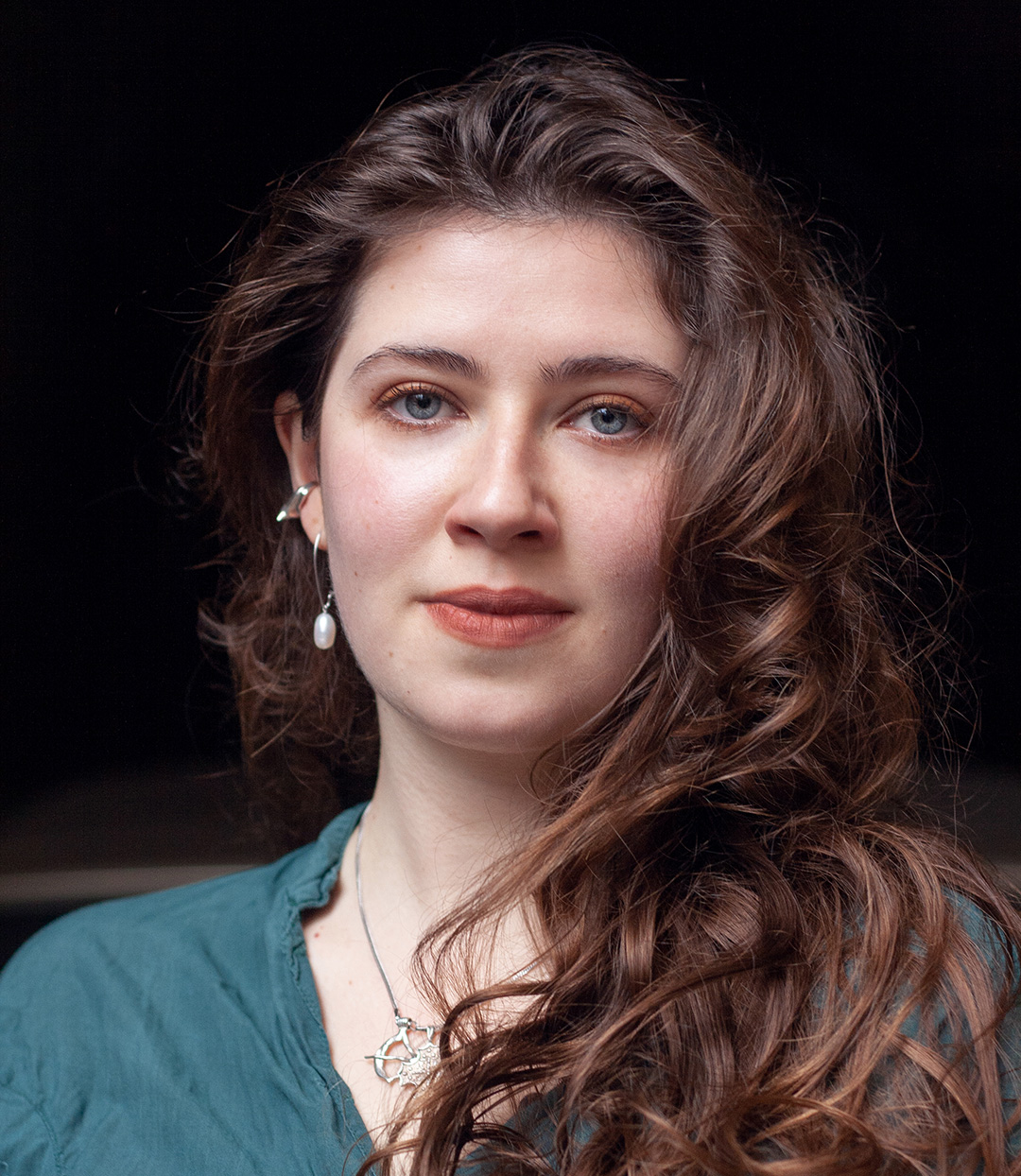
Kateryna Aliinyk
Depicting nature in its most secret manifestations, Kateryna Aliinyk focuses on situations that provoke fear and tension. Viewers witness events that are usually hidden from the human eye. Wild boars, clouds of insects, or something rustling in tree roots — the scenes are so self-sufficient that they evoke a sense of spying, as if you are doing something inappropriate. The unpredictability of further developments increases the feeling of tension.
One of the central themes in the series is the ‘fragmentation’ of love, freedom, and death. War forms the suffocating backdrop, distorting the standard ideas of these notions, turning them into something fragile and twisted. The artist thus focuses her love, splintered into almost invisible manifestations, on the surrounding world, whose vulnerability is especially prominent now.
The canvas titled He Died of Old Age depicts a dead boar. This image embodies hope and restores the natural sequence of events, as an organic death becomes a privilege in the context of war. Other works in the series show how natural processes are cyclical. A seething cloud of insects, reminiscent of a biblical plague, becomes a harbinger of the Apocalypse. At the same time, the earth, filled with the movement of living beings, is shown not as an environment of the end, but as a place with its own turbulent existence.
The artist explores how fear, tension, and constant vigilance affect our perception of nature. In her landscapes, nature loses its idealized innocence, turning into a place of tension and anxiety instead. Through these paintings, Aliinyk reflects how war changes our ideas of love and beauty, turning even the most profound feelings into a source of stress. Creating landscapes that are both mesmerizing and frightening, the artist seeks a new way of finding love in a world where this feeling has become dangerous.
Special Prize
Commenting on the work by first special prize winner Kateryna Aliinyk, the jury said:
“Kateryna Aliinyk is awarded the first Special Prize for her work that is a moving emotional record in which painting becomes a tool of memory, mourning and resistance. The artist, born in Luhansk, addresses the loss of her home as an unattainable landscape charged with an eerie intimacy—wild boars, dense clouds, insects and rustling tree roots—each scene rendered with such precision and quiet unease that the viewer feels like an uninvited witness.
In creating a visual language for tenderness under duress, Aliinyk offers a quietly radical proposition: that even in the most volatile environments, the search for connection remains.”
Artworks

He Died of Old Age, 2024 oil on canvas The Whole Life is Still Ahead of Them!, 2024 oil on canvas A Dream Came True!, 2024 oil on canvas Freedom is Just Another Word for Nothing Left to Loose, 2024 oil on canvas
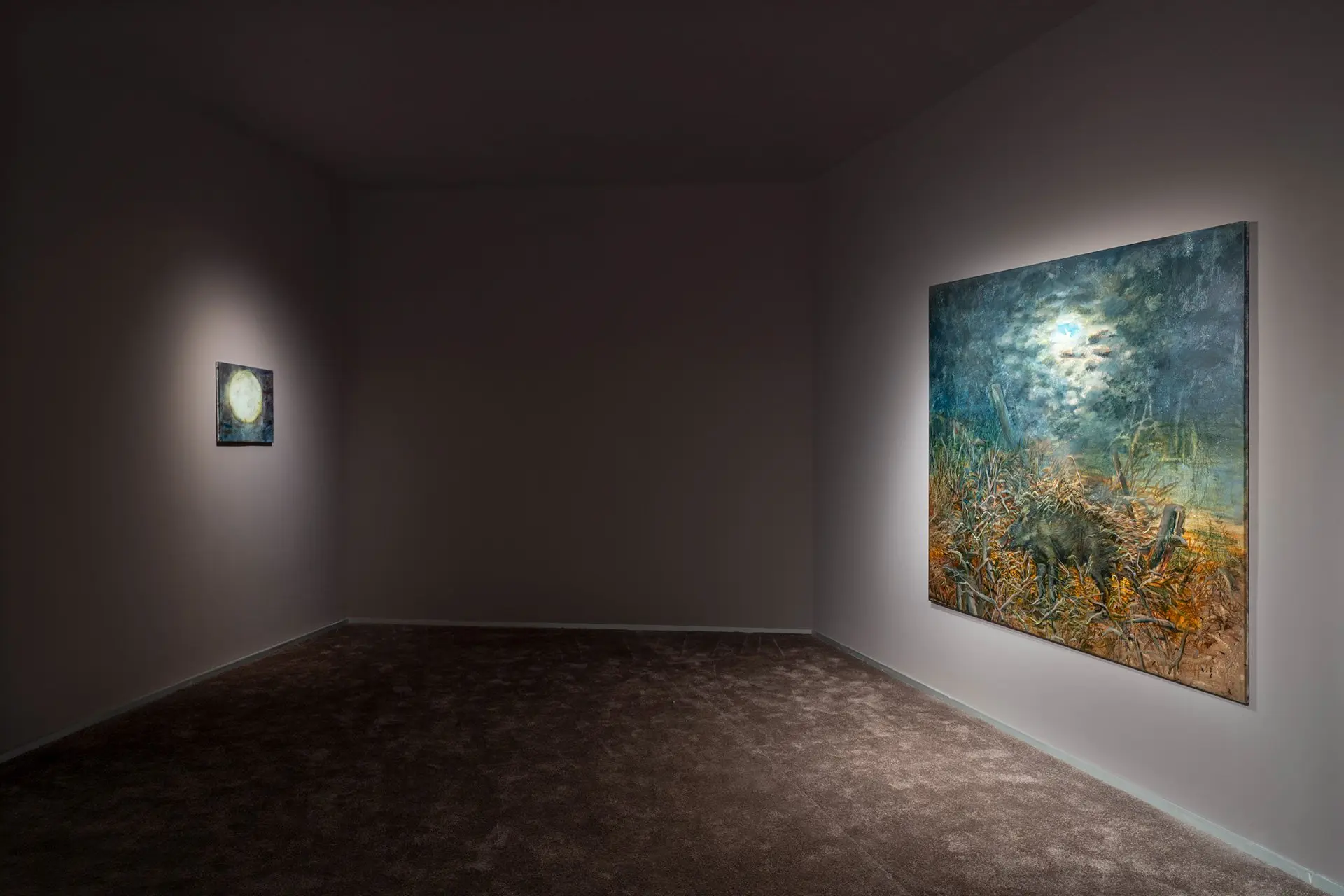
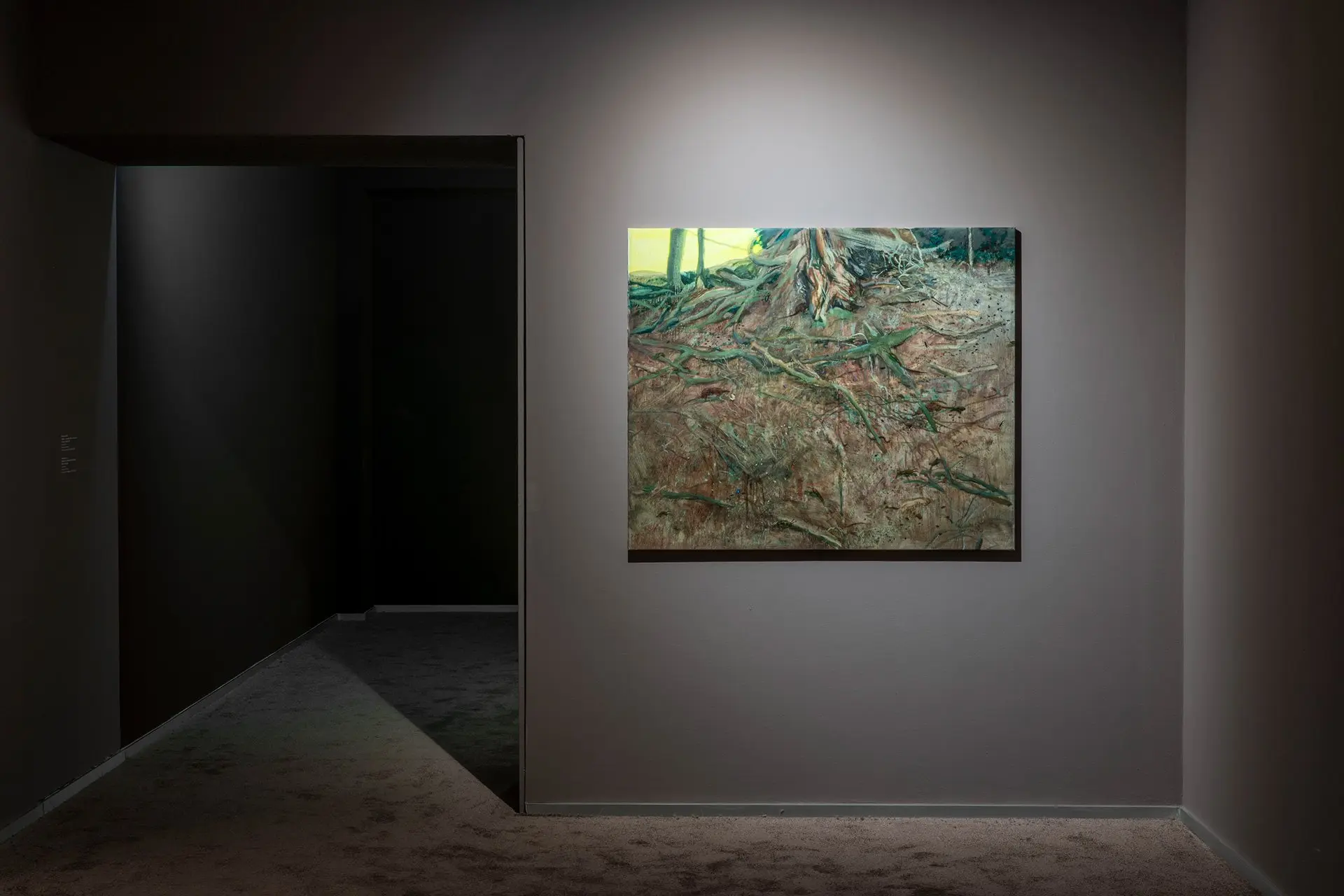
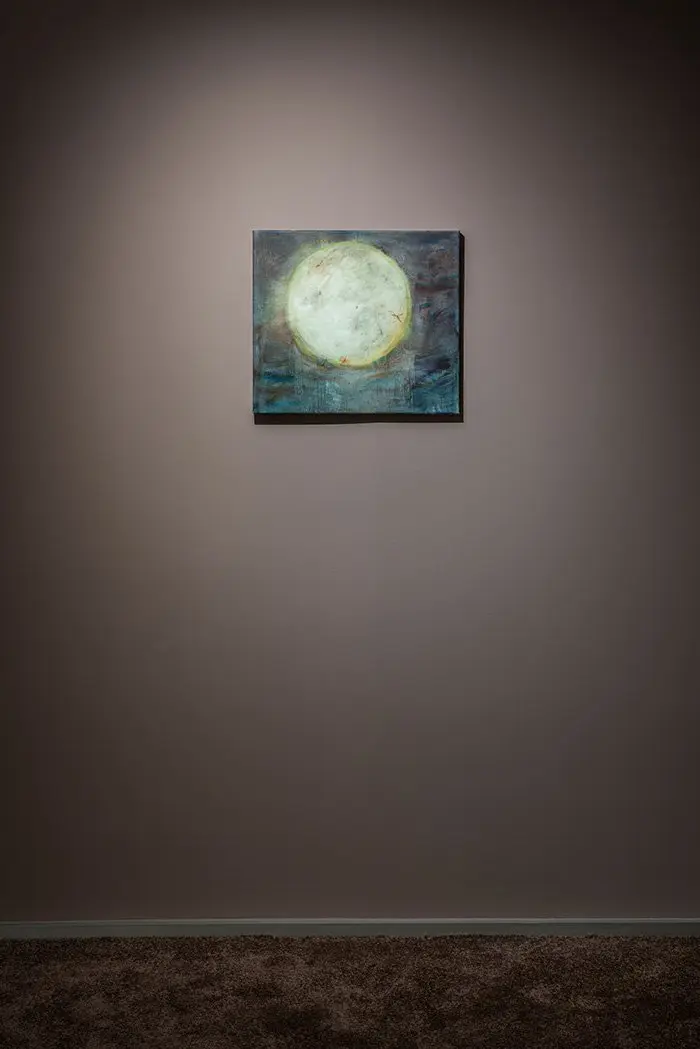


He Died of Old Age, 2024 oil on canvas The Whole Life is Still Ahead of Them!, 2024 oil on canvas A Dream Came True!, 2024 oil on canvas Freedom is Just Another Word for Nothing Left to Loose, 2024 oil on canvas