
Self-employed
The life of a young artist (whatever that means) in Ukraine often means being self-employed, unbridled, untethered, and so on. The word “homeless” could also be fitting. While this exhibition was still underway, the State Migration Service of Ukraine ordered that the premises of the Institute of Automation, which housed dozens of artists, including some of the participants in the project, be vacated. During the same period, on May 24, 2026, there was yet another massive shelling of Kyiv, which damaged nine cultural institutions, including the National Art Museum of Ukraine.
Exhibitions are thus being created not within the sterile white walls of galleries (hereinafter “White Cube”) but in building entrances and kitchens. Works can be made from random trash and improvised materials, or they can generate income for artistic practice elsewhere. Real-life examples include assembling drones, teaching, monetizing erotic content, working an office job at an IT company, etc. On the one hand, I believe this limbo is tied to a generational desire to isolate from the outside world with its chaos and cruelty and to create a private utopia in your apartment or an abandoned factory. On the other, it is about the impulse to speak out about problems, to address complex topics, and thus independently create conditions that suit you. At the same time, such an untethered state is due to a lack of resources and the instability of the institutional system. It is also caused by limited attention to beginners, since large artistic institutions focus on interactions with more mature artists and more predictable artistic practices.
By inviting emerging artists to create new works and display them on the shelves, stairs, niches, and in the pantry of the art center, the project highlights their existence on the periphery of public space and the White Cube. This is a unique moment of creative formation, as it is marked by both extreme insecurity and a certain freedom of action. An artist who does not respond to state, social, commercial, or institutional demands risks losing the recognition and privileges provided by the system. At the same time, this distance from established expectations for “good contemporary art” leaves more room for experimentation and the pursuit of new artistic forms. And ultimately, this drives art.
The institution, as Andrea Fraser notes, exists in the minds, desires, and relationships of art professionals, not only within buildings or walls. Therefore, it is possible to organize a “correct” exhibition, aligned with the established idea of contemporary art, even in an ordinary apartment. But can truly experimental art be created in an art center? The Self-Employed give their own response.
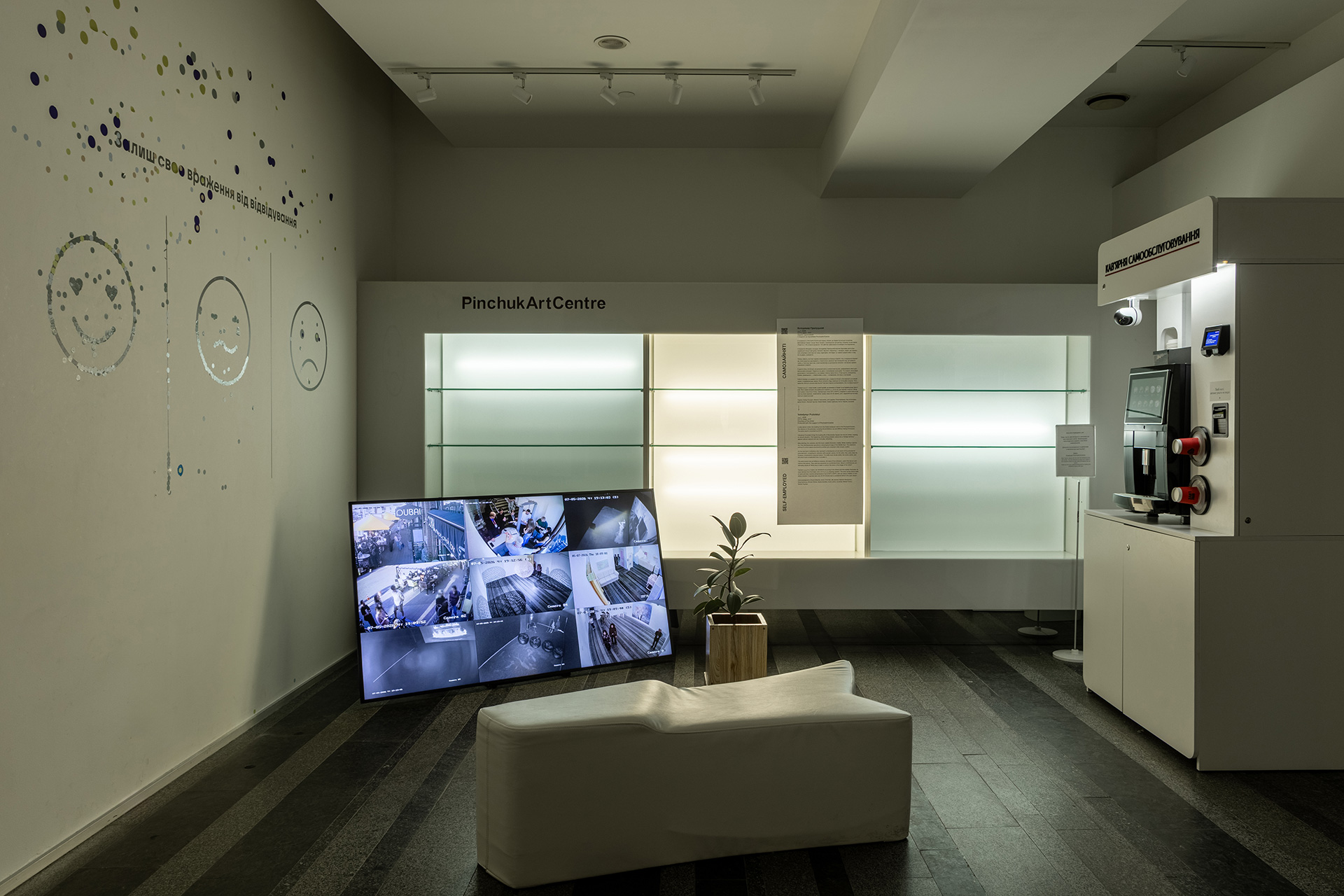
A belly dancer enters the building from the Dubai restaurant next to the PinchukArtCentre. She dances on the premises, including the exhibitions Joy and Without Asking Permission. The entire event is recorded via CCTV.
Volodymyr Prylutskyi brings the bustling life of Besarabska Square into the art center, creating an absurd situation. The happening, which brings popular culture into a “foreign territory,” appears almost indecent and yet, ironically, refreshing.
Belly dancing, the costume, and the music radiate the body’s vitality. While creating a spectacle, they simultaneously reproduce a stereotypical image of the Middle East. This explosive mixture in a strict space structured by written and unspoken rules reveals conflict.
On the one hand, institutions that represent contemporary art are aware of its potential for entertainment, competing for attention with popular culture. On the other, they rarely allow its frivolous, unrestrained corporeal nature. The walls must remain white, the rooms sterile, and the show more complicated than it actually is.
The work shows how surveillance cameras, the eyes of the institution, watch the dancer and visitors from above. They read any movement as a potential threat. What is contemporary art ultimately afraid of? What does it seek to control: the body or the image of the other?
*Samūm (سموم) is a violent, dry windstorm occurring in the Sahara and the Arabian Peninsula. Its name derives from the Arabic root s-m-m (س-م-م), meaning “poison.” The wind carries dense walls of sand and dust, reaches temperatures of up to 54°C (130°F), and can reduce visibility to zero within minutes. It typically lasts only 20–30 minutes but is considered lethal in the open desert
Acknowledgments: Khulud Alharthi, Anton Cherniak, alik darman, Mykyta Herasymov, Rosa Kаrimova, Roman Khimei, Nastia Kolodka, Iryna Loskot, recrental, Nikolai Trunov, Semen Tsyvilov.
Courtesy of the Artist
Produced with the support of PinchukArtCentre
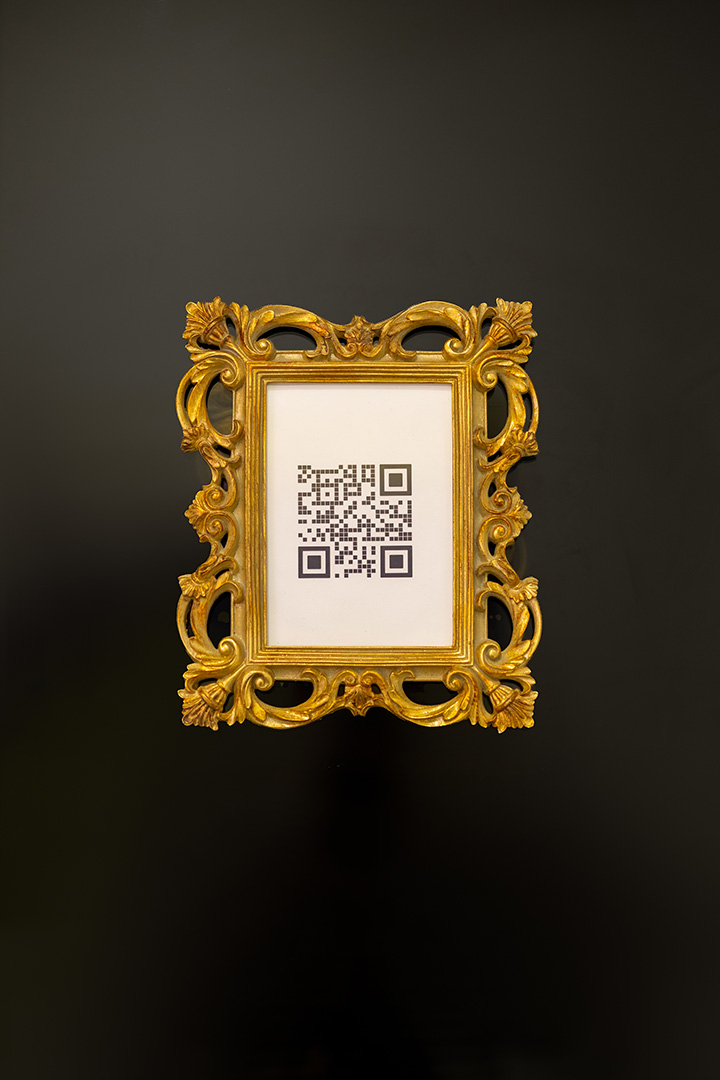
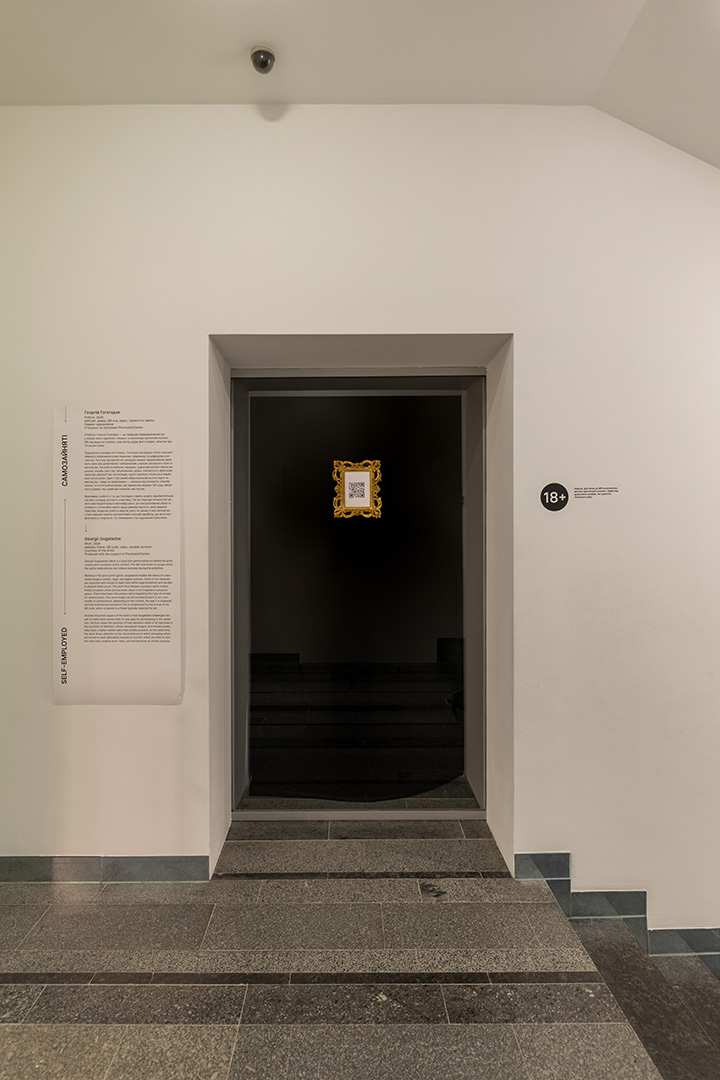
Georgii Gogatadze’s Work is a performative act in which the artist creates and monetizes erotic content, aiming to earn more than he was paid to participate in the exhibition. The QR code leads to a page where the artist uploads photos and videos made during the preparation of the work.
Work began as an attempt to compare the value of artistic labour with the price of a sexualized body. However, during its execution, it evolved into an investigation of the mechanisms by which institutions, legal norms, and social perceptions determine what may be classified as pornography. Despite legal definitions, this concept remains ambiguous. Its boundaries can be drawn anywhere, from the display of an erect penis or simulated sexual intercourse to the appearance of a sex toy in the frame. Ultimately, the artist repeatedly changed the images.
Some materials are censored with emojis to keep them within legal limits. In doing so, he does not so much conceal the image as highlight the artificiality of these criteria. Does masturbation cease to be masturbation if you place a shiny unicorn over the body and add music? Does the meaning of the image change when it is exhibited in an art institution? Work addresses the value of the body and its right to be an expression, not just an object of regulation.
The frame serves as a metaphor for legal, institutional, and cultural constraints. At the same time, the format of the link reveals how Work simultaneously belongs to the institutional space and extends beyond its boundaries.
Courtesy of the Artist
Produced with the support of PinchukArtCentre
Courtesy of the Artist
Produced with the support of PinchukArtCentre
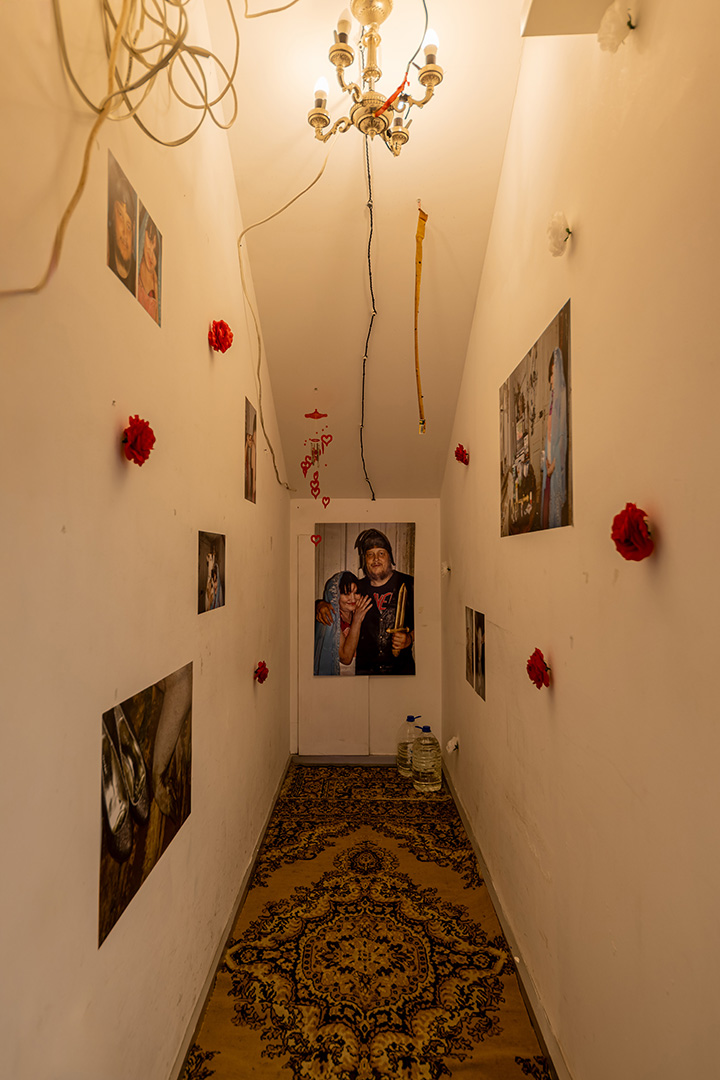
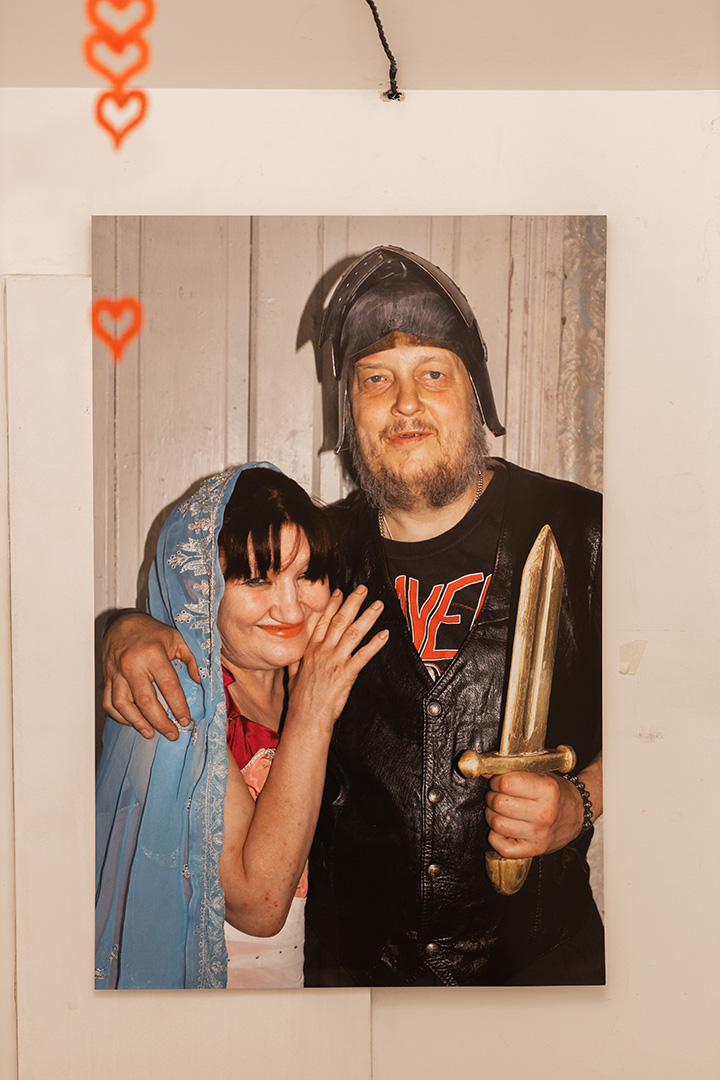
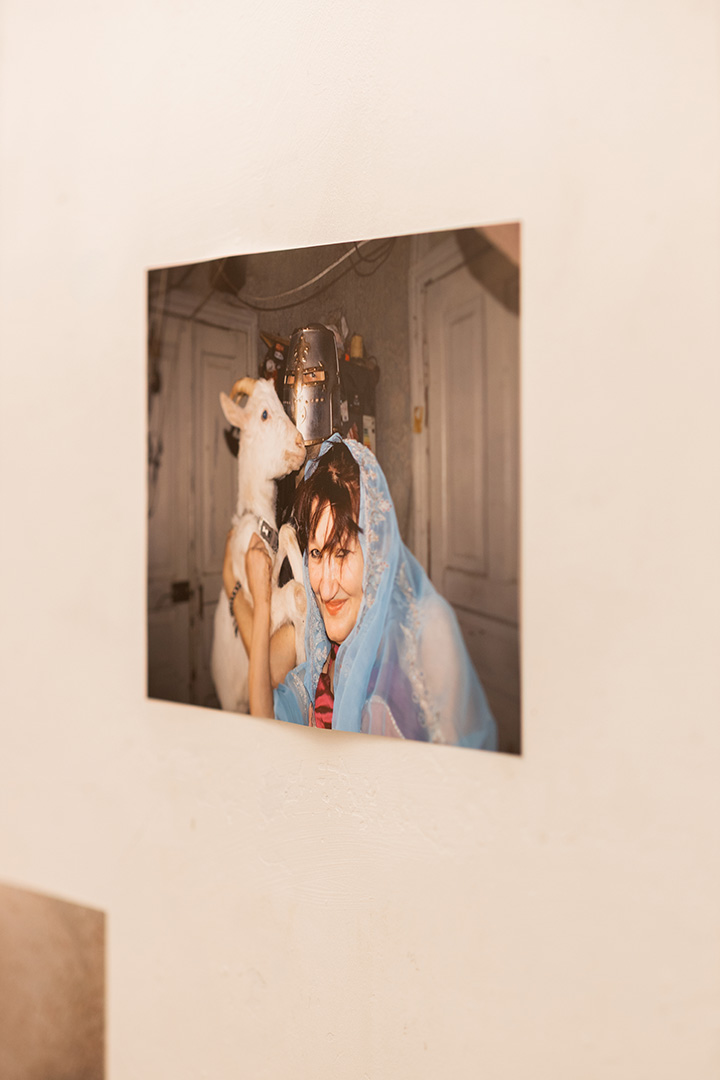
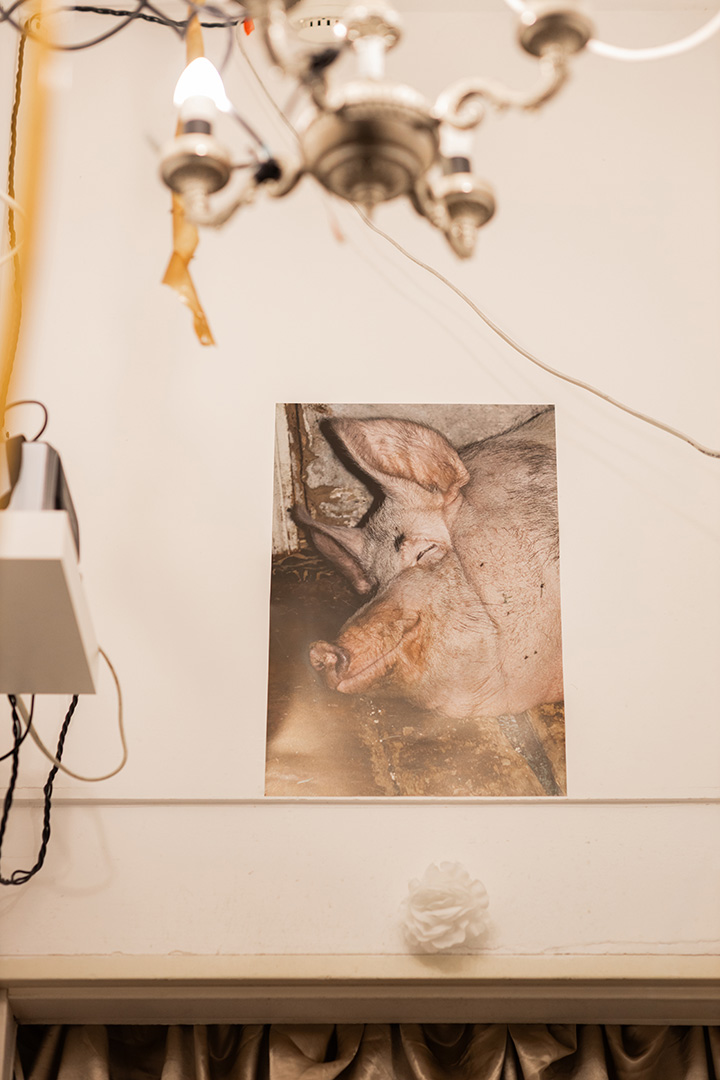
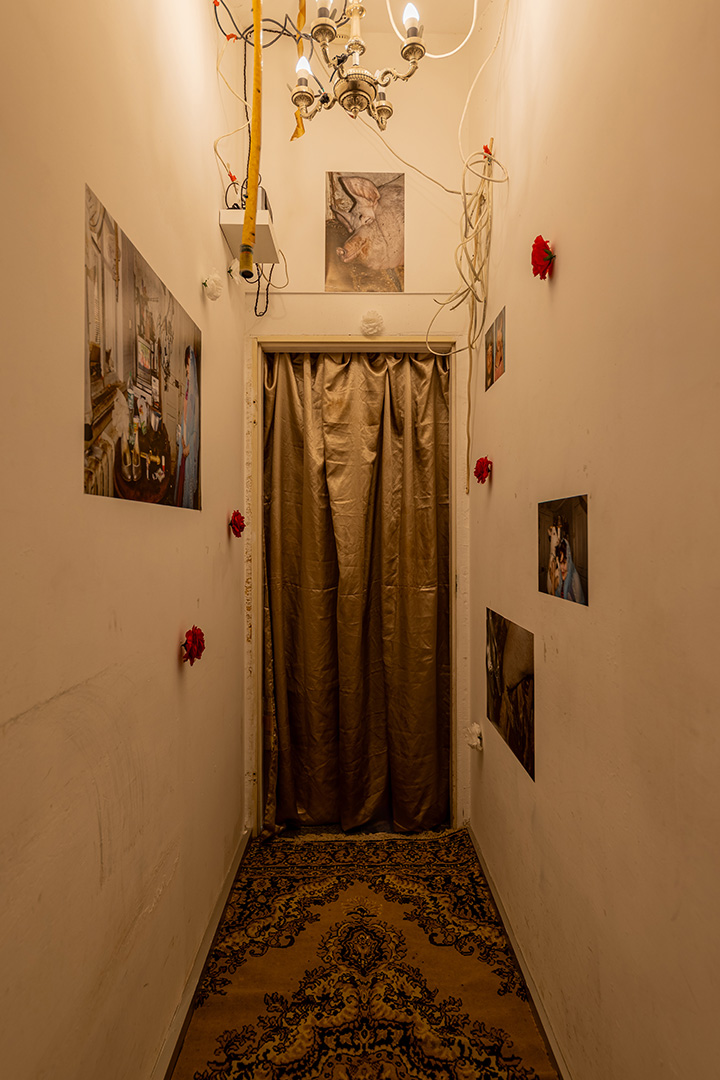
Hristina Novykova’s work By Day, My Castle Is Empty introduces the viewers to the world of Lafa and Vika, a couple who have chosen a rather unusual lifestyle. They are unemployed, live in a cottage in a village with pigs and goats, and their TV is always on, playing “The World Inside Out”. Lafa is somewhat famous on the Internet thanks to his participation in video blogs on popular YouTube channels. He is an obsessive hoarder and sometimes sells random items, scrap metal, and antiques. He also plays the guitar and loves motorcycles. Vika originally comes from Siberia. She likes doing makeup and manicures but does not enjoy leaving the house.
In “decent society,” such people are called freaks or weirdos. Novykova, however, shows them as people who are different from the majority, without trying to align them with social expectations. The work was created with the consent and cooperation from its characters. The photos, where the couple poses in outfits they chose together, are accompanied by a short audio play, at the end of which Lafa plays heavy metal. Grotesque outfits and romantic lines, partly unintelligible because of their pronunciation, emphasize the couple’s bizarre life and personalities. The knight and maiden appear as funny characters, but at the same time sincere and happy people.
The PinchukArtCentre’s pantry is a cramped space, emphasizing the rare representation of such people in popular visual culture, but inviting us to be with them, however small the available space is.
Courtesy of the Artist
Produced with the support of PinchukArtCentre
Courtesy of the Artist
Produced with the support of PinchukArtCentre
Courtesy of the Artist
Produced with the support of PinchukArtCentre
Courtesy of the Artist
Produced with the support of PinchukArtCentre
Courtesy of the Artist
Produced with the support of PinchukArtCentre
he work [][][][][][][][] [][][] [][][][][][][][][][][][] (unsupported font) teases the viewer by creating tension between what is shown and what is hidden.
On both sides of the stairs, Maryna Shchehelska installs doors that look as if they have always been part of the art center. Behind them, the artist places a series of objects: small sculptures, binoculars with fogged lenses, a fogged-up transparent box; a book whose pages barely turn. This generates interactions bursting with contradiction: on the one hand, the work is intriguing, and on the other, it resists being fully seen or understood.
This way, Shchehelska manifests her own experience as a young artist, when desire to be seen coexists with the desire to hide from judgmental or inattentive looks. The work also follows up on a series of contradictions in the exhibition itself: it provides space by emphasizing the lack of space and makes things visible by focusing on invisibility. The artist says, “It’s like flipping the bird at the viewer, the institution, and myself.”
![Maryna Shchehelska
[][][][][][][][] [][][] [][][][][][][][][][][][] (unsupported font), 2026](https://pinchukartcentre.org/wp-content/uploads/2026/06/pinchukartcentre–self-employed-10.jpg "Maryna Shchehelska [][][][][][][][] [][][] [][][][][][][][][][][][] (unsupported font), 2026")
Courtesy of the Artist
Produced with the support of PinchukArtCentre
![Maryna Shchehelska
[][][][][][][][] [][][] [][][][][][][][][][][][] (unsupported font), 2026](https://pinchukartcentre.org/wp-content/uploads/2026/06/pinchukartcentre–self-employed-7.jpg "Maryna Shchehelska [][][][][][][][] [][][] [][][][][][][][][][][][] (unsupported font), 2026")
Courtesy of the Artist
Produced with the support of PinchukArtCentre
![Maryna Shchehelska
[][][][][][][][] [][][] [][][][][][][][][][][][] (unsupported font), 2026](https://pinchukartcentre.org/wp-content/uploads/2026/06/pinchukartcentre–self-employed-21.jpg "Maryna Shchehelska [][][][][][][][] [][][] [][][][][][][][][][][][] (unsupported font), 2026")
Courtesy of the Artist
Produced with the support of PinchukArtCentre
![Maryna Shchehelska
[][][][][][][][] [][][] [][][][][][][][][][][][] (unsupported font), 2026](https://pinchukartcentre.org/wp-content/uploads/2026/06/pinchukartcentre–self-employed-11.jpg "Maryna Shchehelska [][][][][][][][] [][][] [][][][][][][][][][][][] (unsupported font), 2026")
Courtesy of the Artist
Produced with the support of PinchukArtCentre
![Maryna Shchehelska
[][][][][][][][] [][][] [][][][][][][][][][][][] (unsupported font), 2026](https://pinchukartcentre.org/wp-content/uploads/2026/06/pinchukartcentre–self-employed-19.jpg "Maryna Shchehelska [][][][][][][][] [][][] [][][][][][][][][][][][] (unsupported font), 2026")
Courtesy of the Artist
Produced with the support of PinchukArtCentre
![Maryna Shchehelska
[][][][][][][][] [][][] [][][][][][][][][][][][] (unsupported font), 2026](https://pinchukartcentre.org/wp-content/uploads/2026/06/pinchukartcentre–self-employed-8.jpg "Maryna Shchehelska [][][][][][][][] [][][] [][][][][][][][][][][][] (unsupported font), 2026")
Courtesy of the Artist
Produced with the support of PinchukArtCentre
![Maryna Shchehelska
[][][][][][][][] [][][] [][][][][][][][][][][][] (unsupported font), 2026](https://pinchukartcentre.org/wp-content/uploads/2026/06/pinchukartcentre–self-employed-18.jpg "Maryna Shchehelska [][][][][][][][] [][][] [][][][][][][][][][][][] (unsupported font), 2026")
Courtesy of the Artist
Produced with the support of PinchukArtCentre
![Maryna Shchehelska
[][][][][][][][] [][][] [][][][][][][][][][][][] (unsupported font), 2026](https://pinchukartcentre.org/wp-content/uploads/2026/06/pinchukartcentre–self-employed-12.jpg "Maryna Shchehelska [][][][][][][][] [][][] [][][][][][][][][][][][] (unsupported font), 2026")
Courtesy of the Artist
Produced with the support of PinchukArtCentre
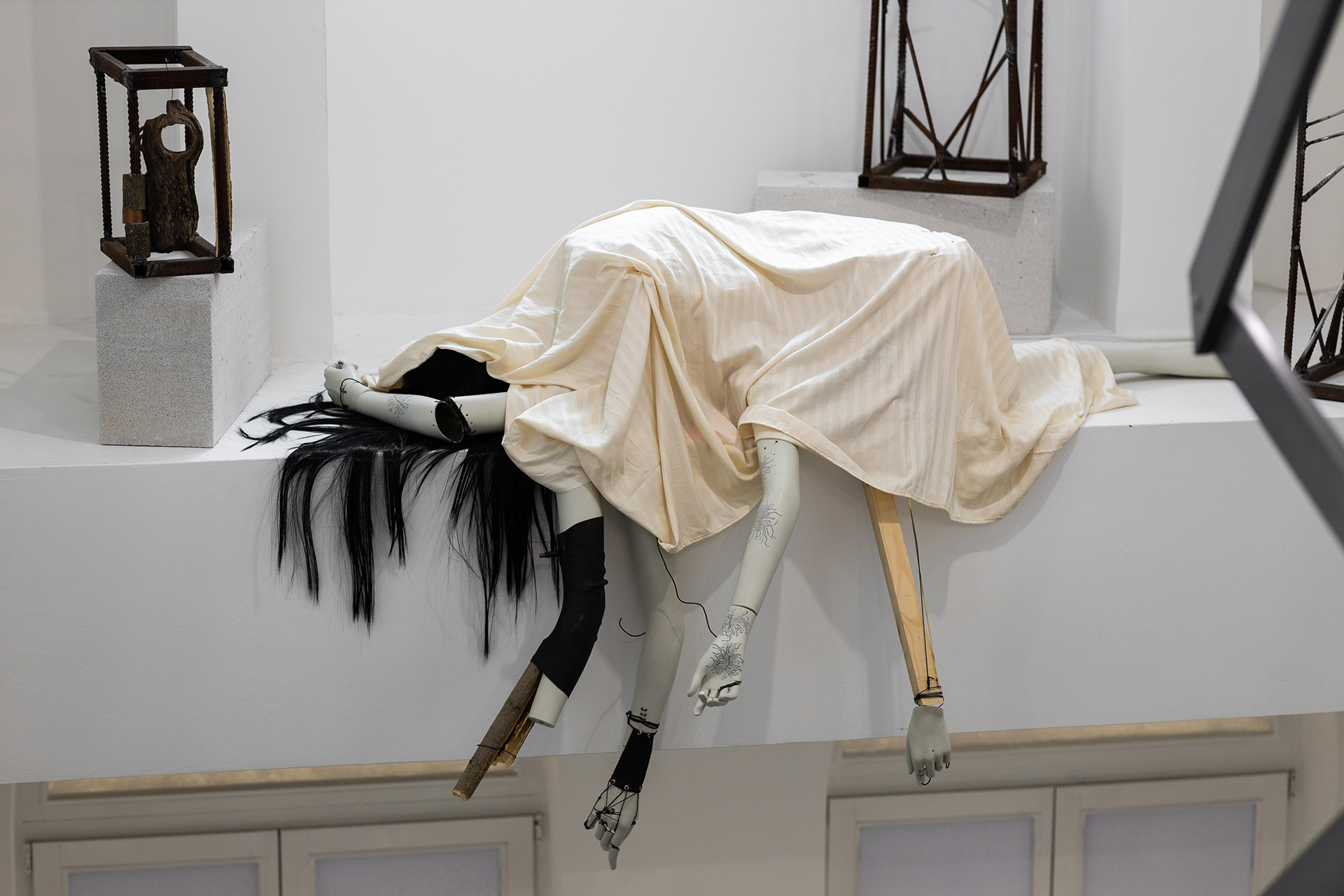
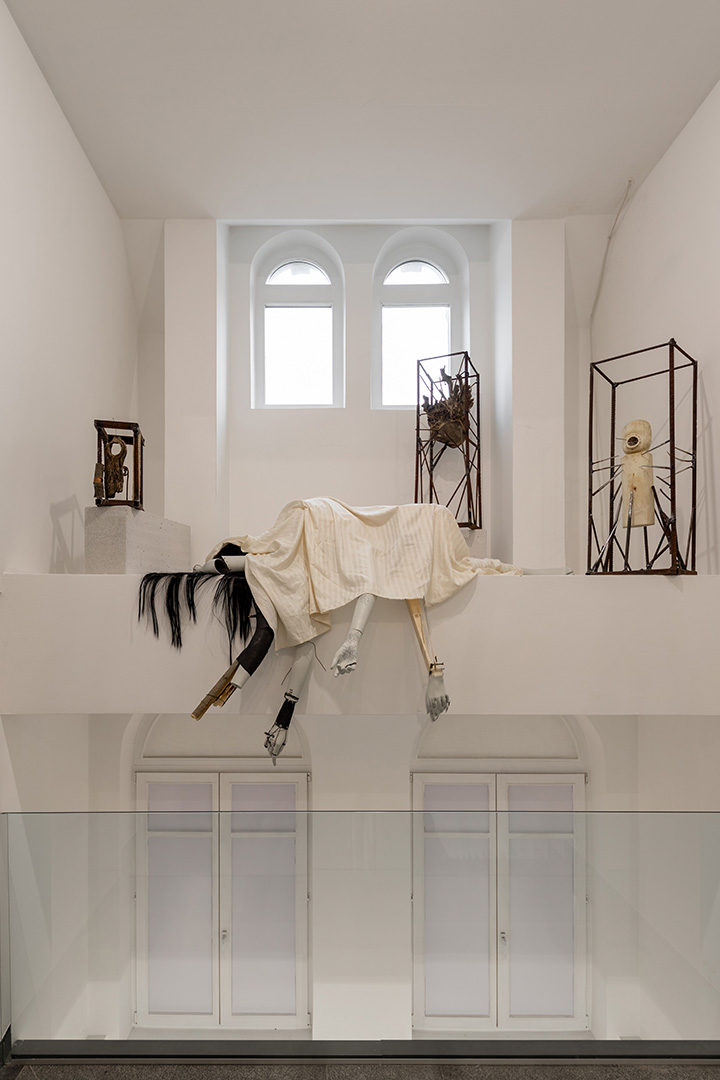
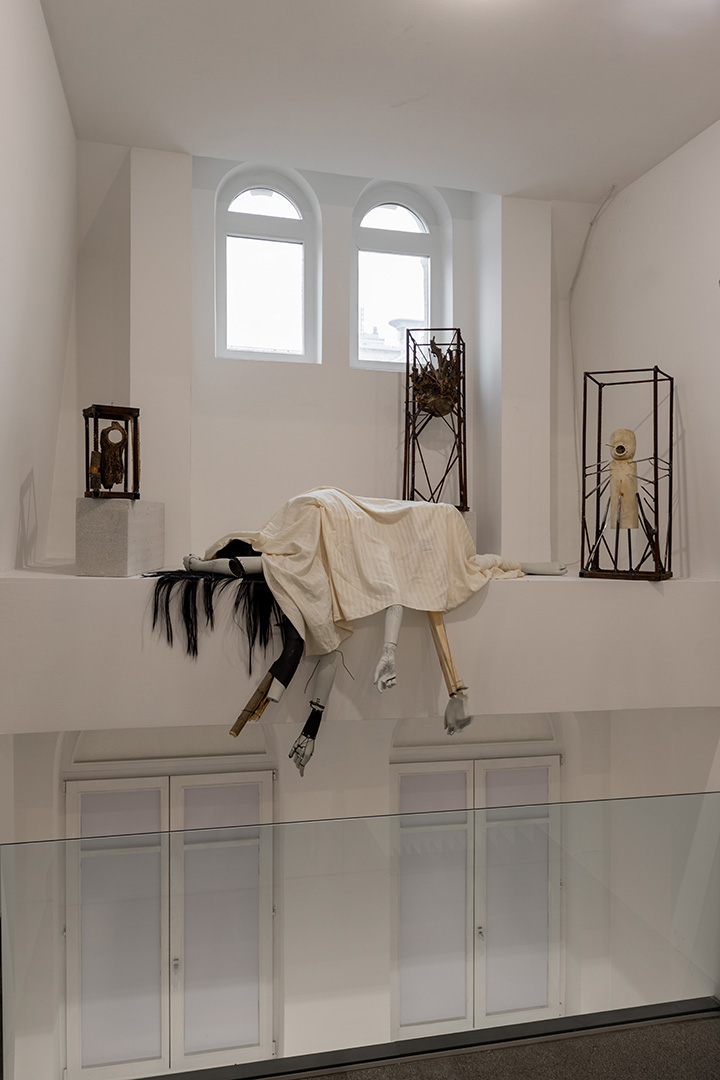
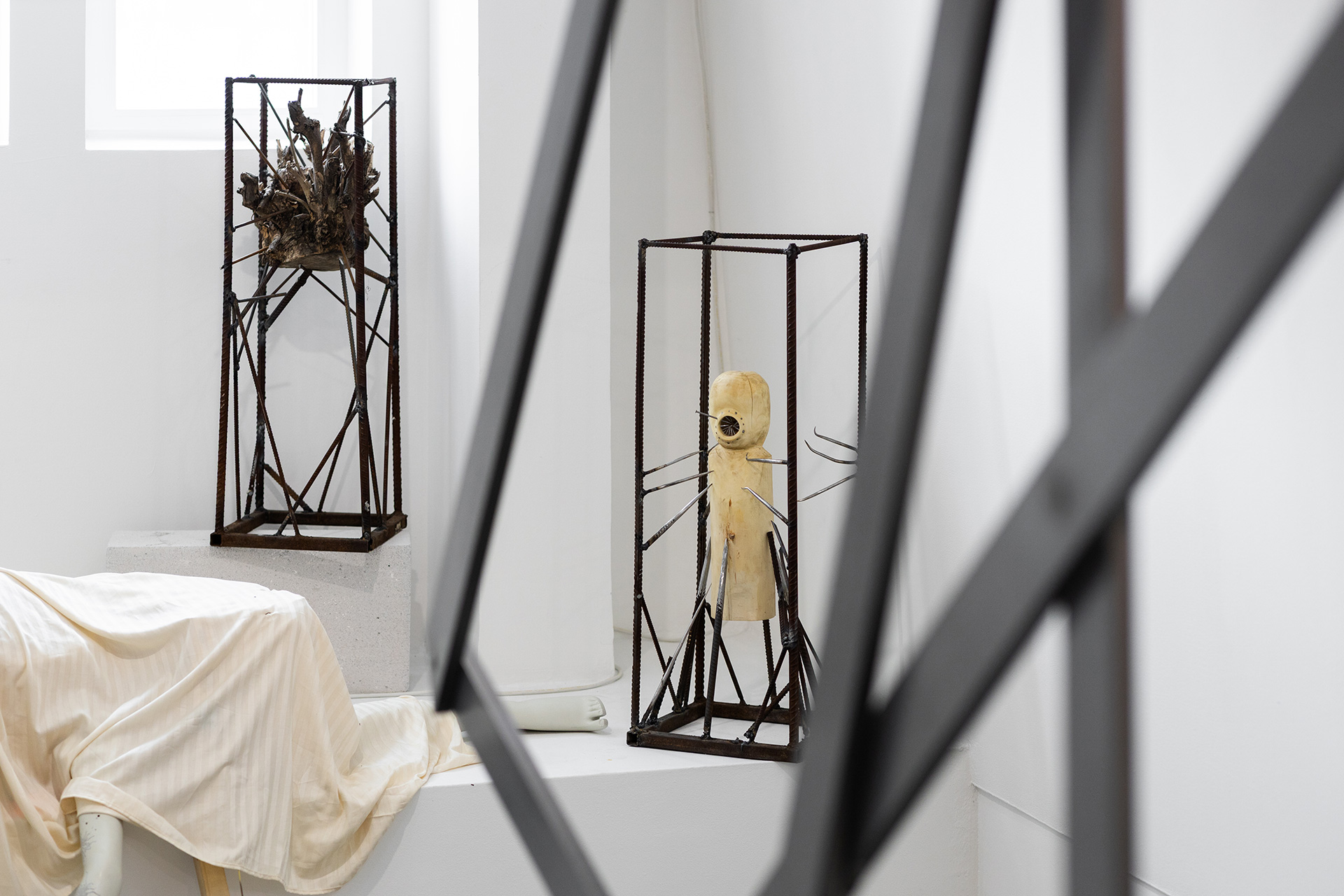
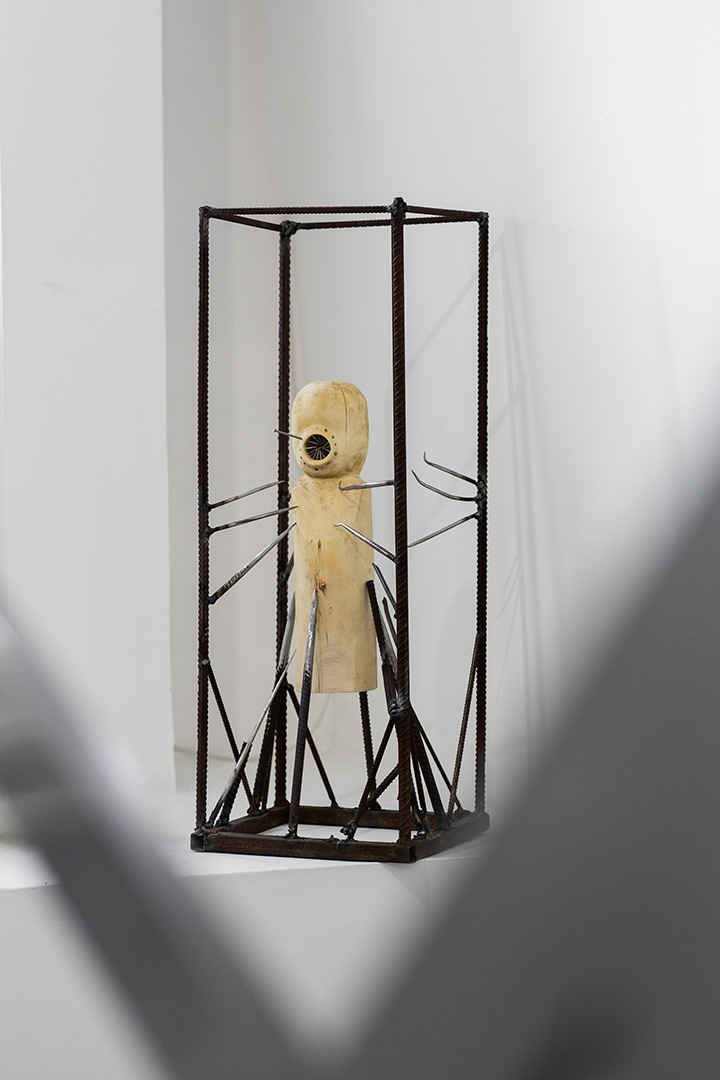
n one of the cells, menacing spikes press against a creature that seems not yet fully formed — not yet born. The first thing to emerge from its shapeless body is a mouth, lined with teeth as sharp as the spikes outside. It is ready to scream, to consume, or to defend itself. Either way, the organism continues to exist in this state and may have even learned to find pleasure in it — as a way of adapting to threat.
Another creature breathes heavily, and it is only through this breathing that we recognise it as alive. From beneath a blanket, plastic limbs and long hair are visible. Unlike the unborn one, this being has undergone so many changes and artificial transformations that it has become difficult to distinguish the living from the non-living within it.
In another cell, overgrown with bark, sits something that is at once a head, a celeriac, and a dragon’s skull.
In this work, the organic and the artificial, decay and regeneration, vulnerability and aggression coexist — and perhaps even depend on one another. The composition recalls a laboratory experiment in which existence is examined less as a regularity than as a paradox.
Courtesy of the Artists
Produced with the support of PinchukArtCentre
Courtesy of the Artists
Produced with the support of PinchukArtCentre
Courtesy of the Artists
Produced with the support of PinchukArtCentre
Courtesy of the Artists
Produced with the support of PinchukArtCentre
Courtesy of the Artists
Produced with the support of PinchukArtCentre
"Self-employed", 2026. PinchukArtCentre. Photo: B Studio