
Aziz Hazara
Aziz Hazara (b. 1992, Wardak, Afghanistan. Lives and works in Kabul, Afghanistan and Ghent, Belgium) is an interdisciplinary artist based in Kabul and Ghent. He works across mediums including photography, video, sound, programming languages, text and multimedia installations, exploring questions of identity, memory, archive, conflict, surveillance and migration in the context of power relations, geopolitics and the panopticon. “The visual exploration of my work is deeply entrenched in the geopolitics and the never-ending conflict that afflicts my native Afghanistan. The relevance of such issues, however, overcomes geographical specificities and appeals to a contemporary condition that is globally shared.”
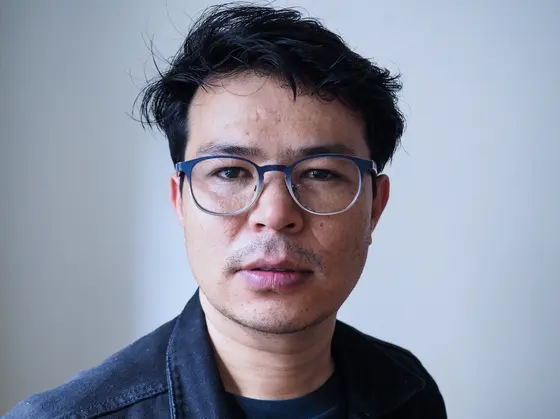
Aziz Hazara (b. 1992, Wardak, Afghanistan. Lives and works in Kabul, Afghanistan and Ghent, Belgium) is an interdisciplinary artist based in Kabul and Ghent. He works across mediums including photography, video, sound, programming languages, text and multimedia installations, exploring questions of identity, memory, archive, conflict, surveillance and migration in the context of power relations, geopolitics and the panopticon. “The visual exploration of my work is deeply entrenched in the geopolitics and the never-ending conflict that afflicts my native Afghanistan. The relevance of such issues, however, overcomes geographical specificities and appeals to a contemporary condition that is globally shared.”
Aziz Hazara focuses in his artistic practice on issues of memory, identity, archive, loss, and trauma. Appealing to the history of his native country of Afghanistan, he explores the effect that war and military conflict have on the life of individuals.
In the multichannel video installation Bow Echo, the title of which refers to a dangerous and destructive storm, five boys resist the wind by attempting to blow a bright plastic bugle. Their act represents the story of repression and suffering that their community has experienced unabated. In contrast, however, to the tradition of sounding a bugle in remembrance of those who have lost their lives, the notes of this flimsy instrument appear quite powerless. The sound blurs together with the noise of the wind and approaching drones.
Against the forces of nature, the boys’ efforts to play the bugle and hold their ground on the rocks seem incredible. Their fragility and insecurity become even more pronounced against the background of the mountain landscape of Kabul, now the site of their traumatic experience. Through pure picture and sound, Hazara creates a monument to the dramatic and violent struggle that generations of people in Afghanistan have experienced in the never-ending war.
