Joy
International Group Exhibition
PinchukArtCentre unveils the large-scale group project “Joy,” in which Ukrainian and international artists explore one of the most essential emotions that gives us strength in difficult times.
The exhibition “Joy” began with an urge to start a conversation about what sustains Ukrainians today, how many forms joy can take in times of war, and how it becomes a driving force — one that unites us, sustains us, and keeps our sense of self and will to live intact.
Artists: Kateryna Aliinyk, Lesia Vasylchenko, Ryan Gander, Tacita Dean, Anna Zvyagintseva, Alevtina Kakhidze, Pavlo Kovach, Katya Lesiv, Kateryna Lysovenko, Iryna Loskot, Simone Post, Ashfika Rahman, Daniel Turner, Tamara Turliun, Álvaro Urbano, Roman Khimei & Yarema Malashchuk, Julian Charrière.
Participants of the interviews: Oleksandr Androshchuk, Oleksandra Bezsmertna, Ksenia “Burevii”, Julia “Fobia”, Viacheslav Kaistro, Maiia Moskvych, Nazar “Reagan”, Alla Senchenko, Kseniia Shyian, Serhii Stratichuk, Oleksii Vasyliuk, Yaroslav Yaroshenko.
Curators: Björn Geldhof, Oleksandra Pogrebnyak
Head of Project: Ilona Demchenko
Manager: Kateryna Melnyk
Production: Evhenii Hladich, Valentyn Shkorkin, Yevhenii Sulyma
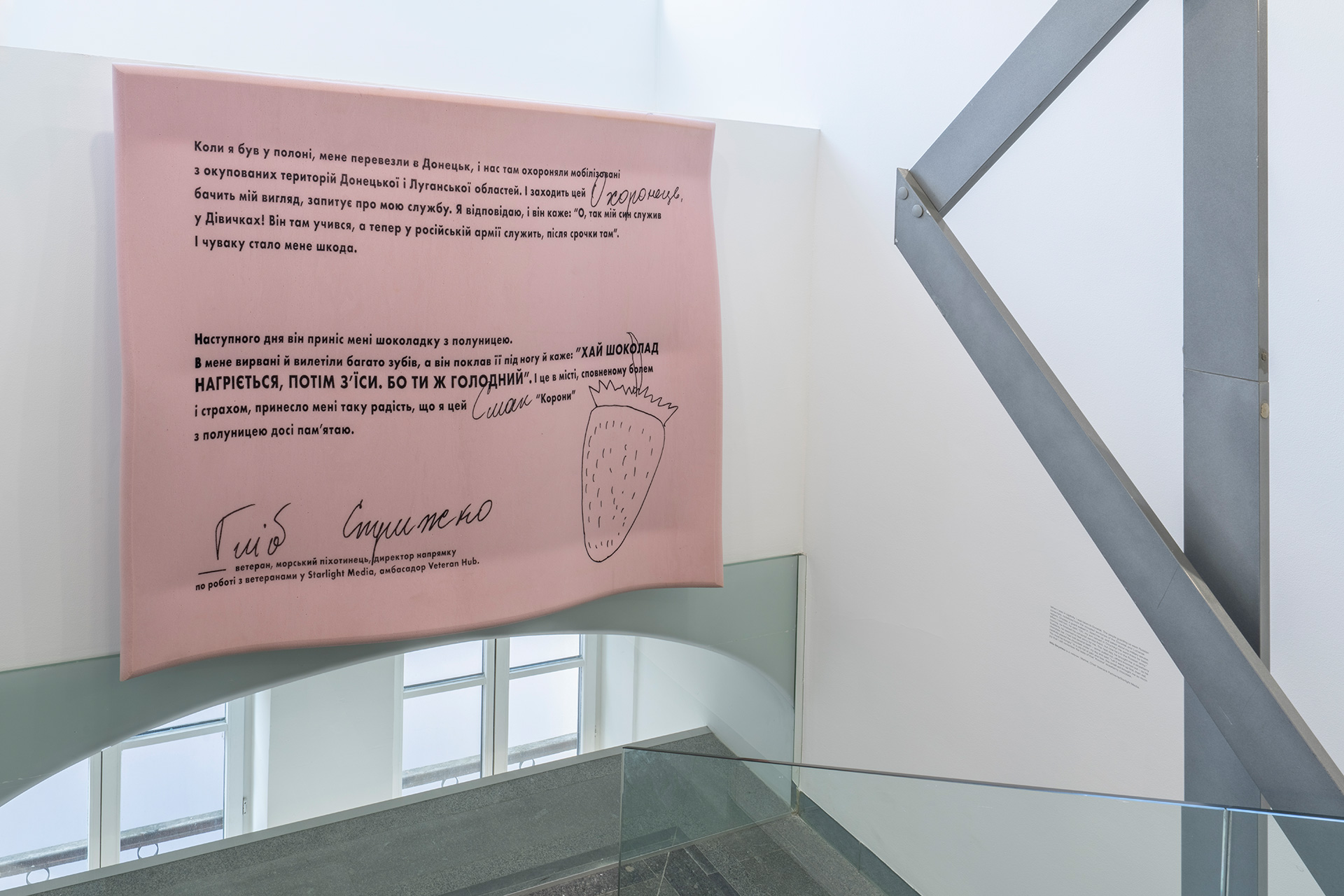
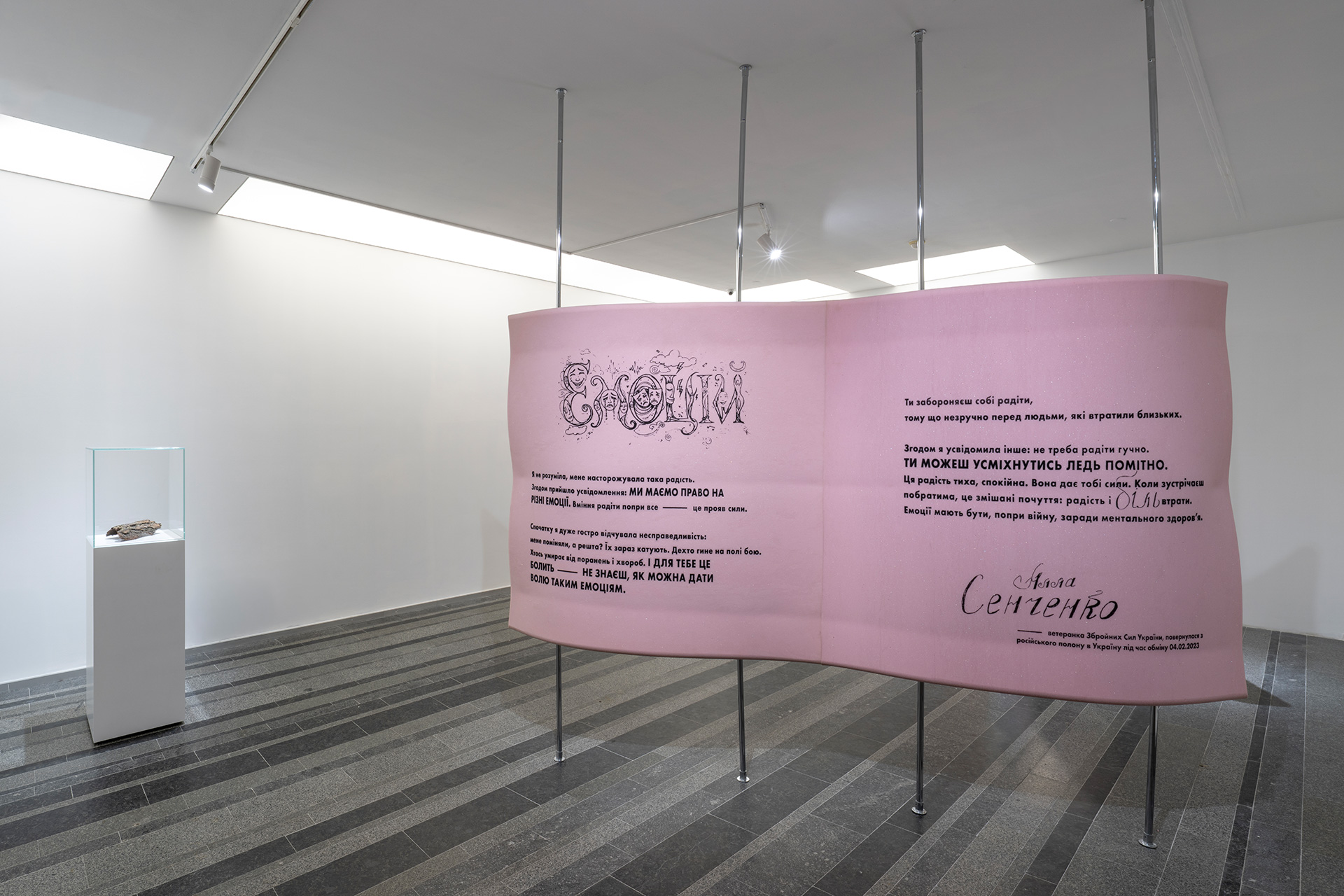
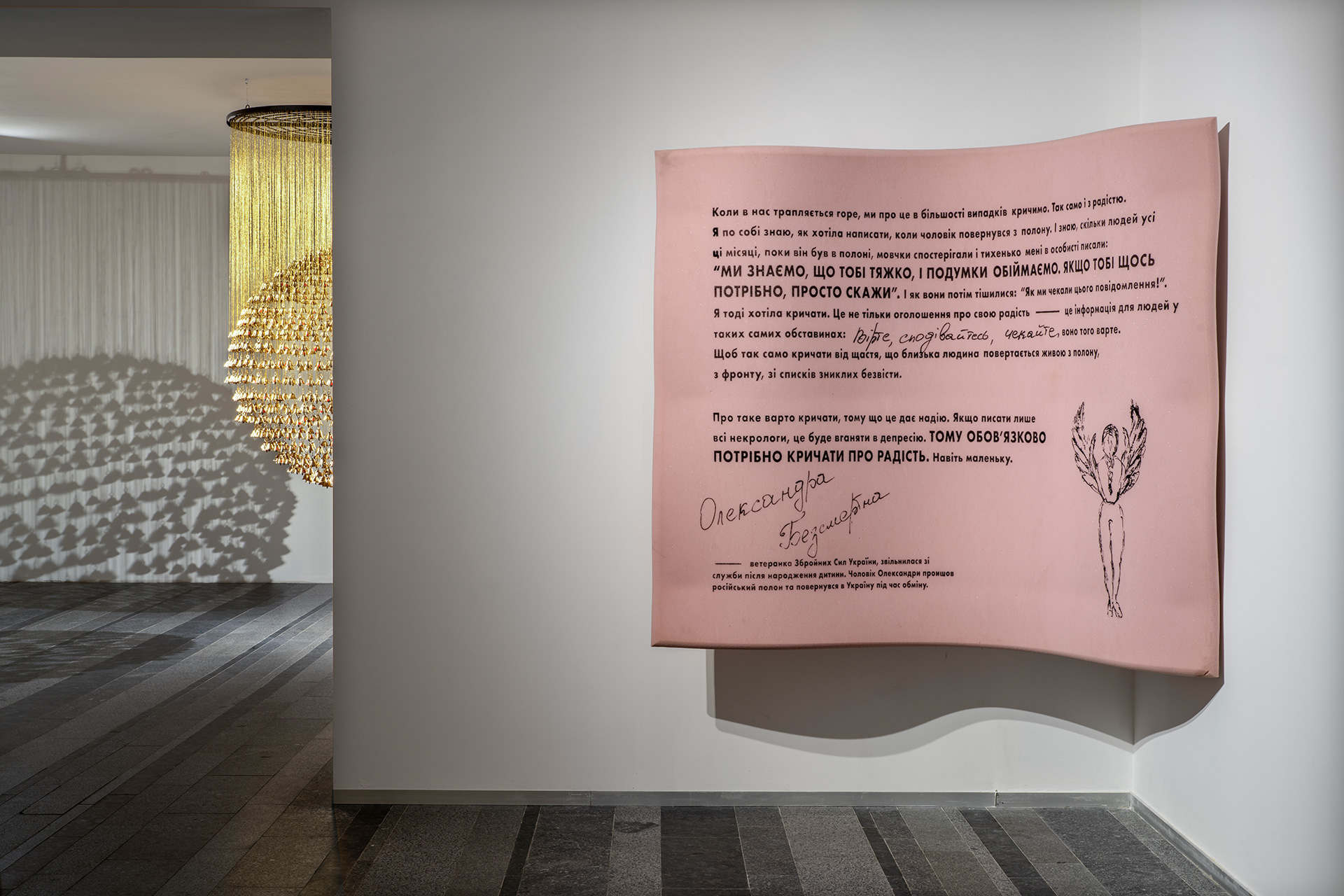
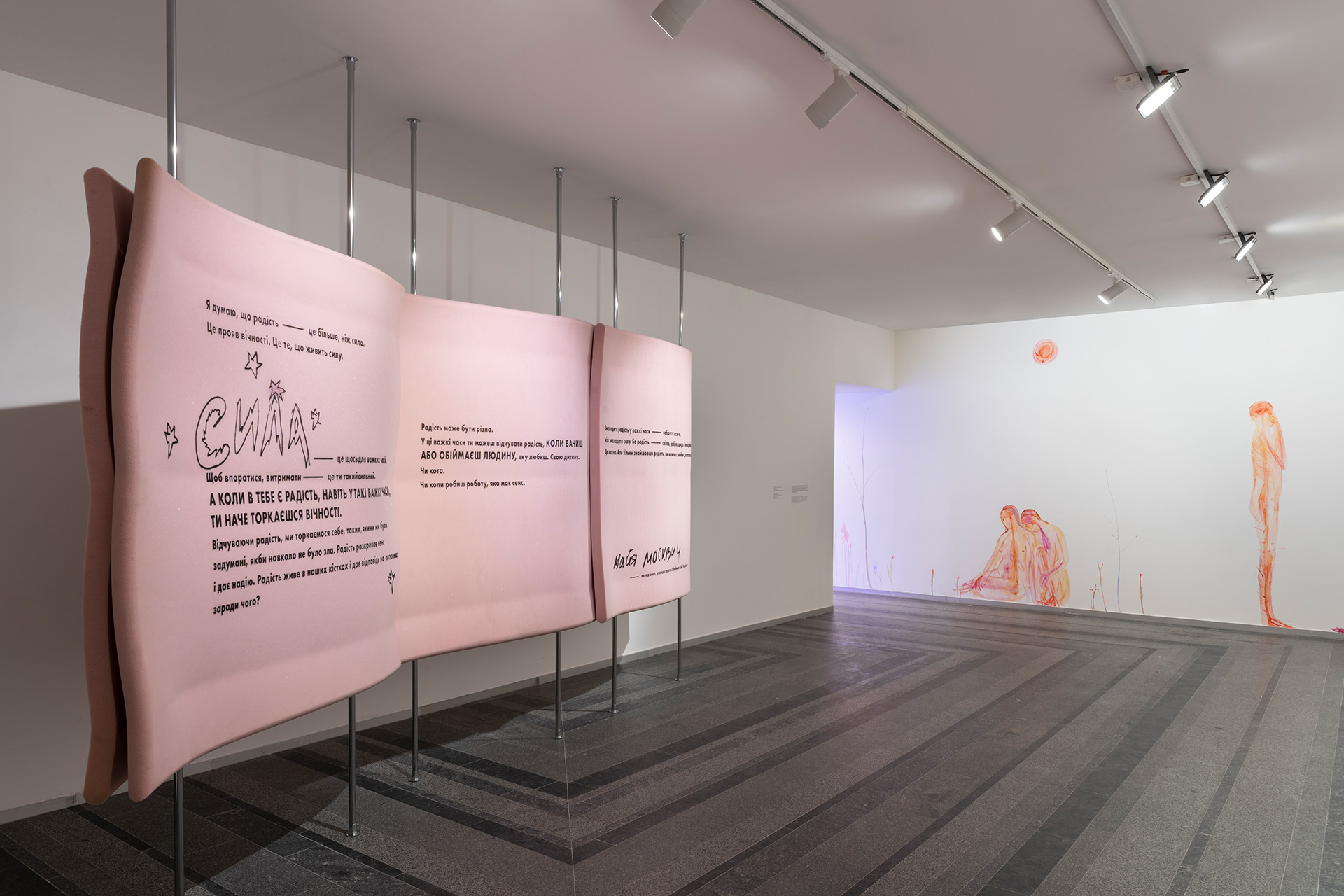
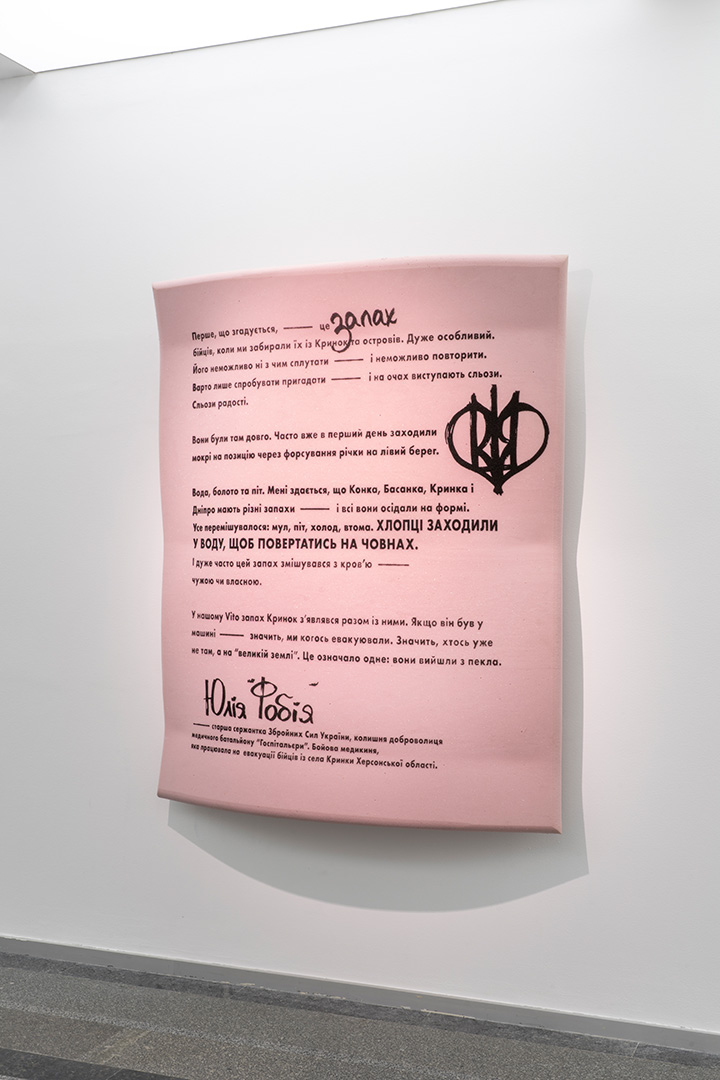
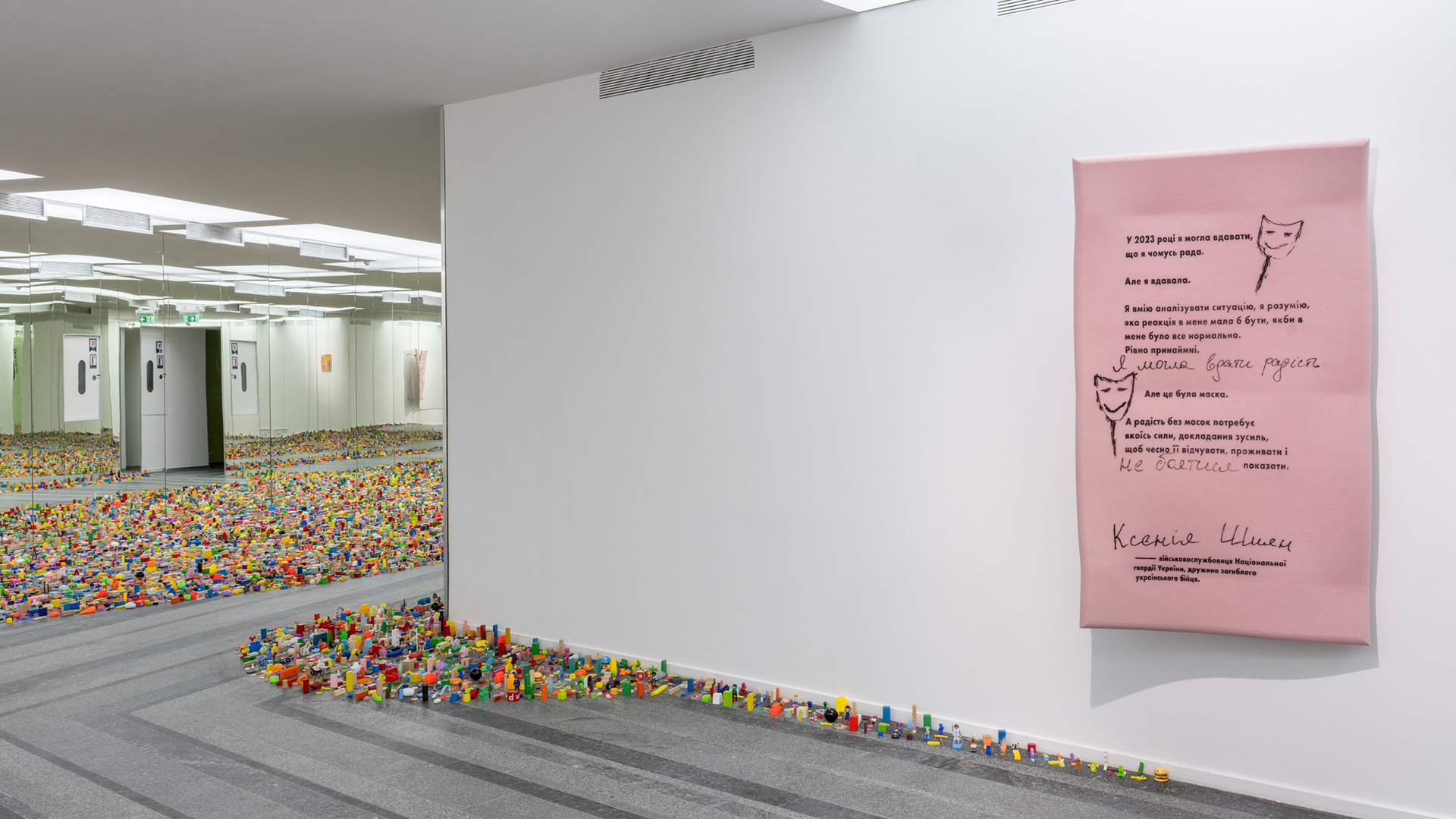
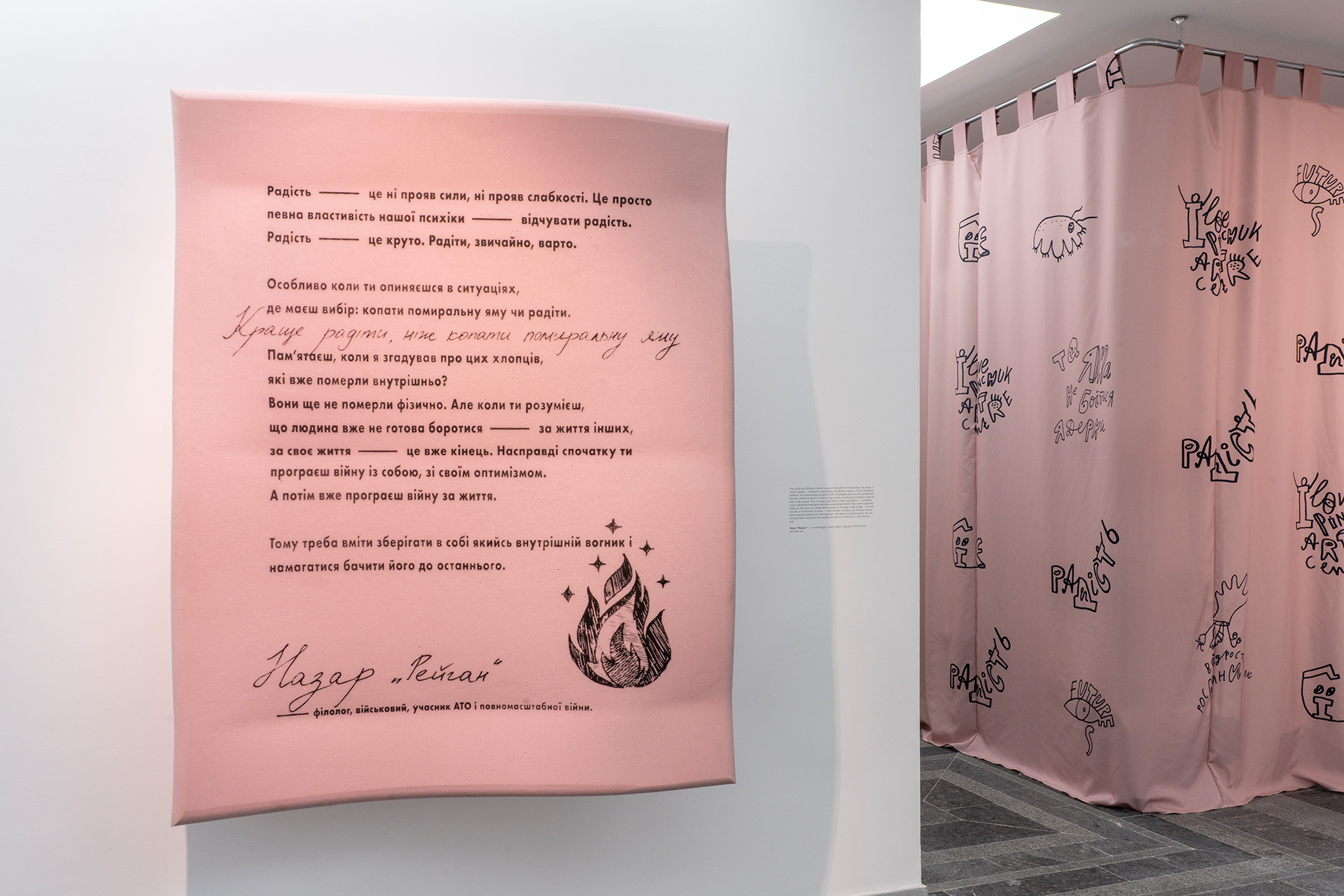
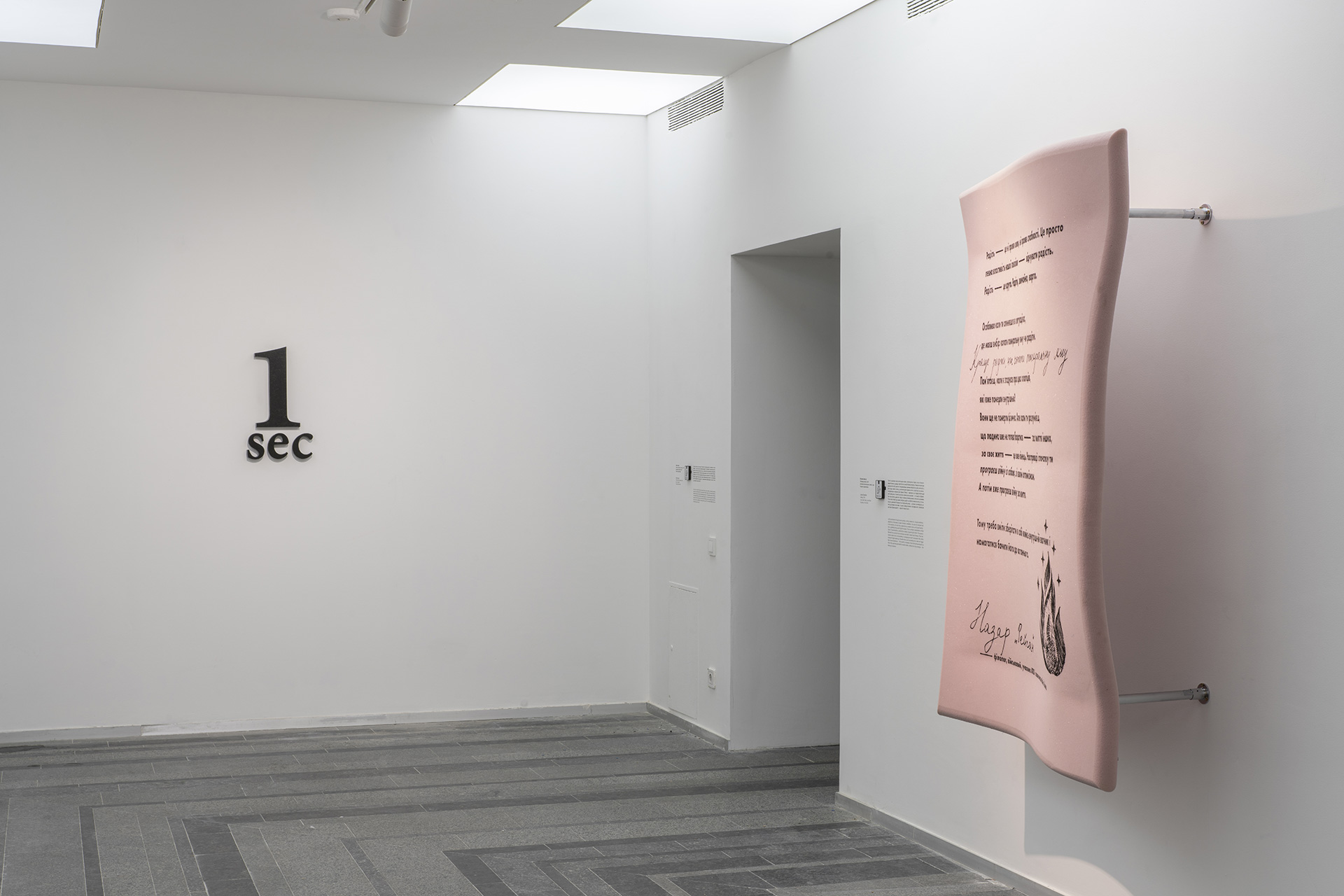
The starting point of the project was a series of written testimonies collected by Ukrainian veteran and marine Hlib Stryzhko. He conducted interviews with service members, veterans—both men and women—of the Armed Forces of Ukraine to learn what brings them joy and how they experience it today. Their stories become a disruptive agent, anchoring fragments of reality into the exhibition. Against the violence saturating our time, it offers joy and the sharing of joy as a radical act of humanity. Architect and artist Bogdana Kosmina transformed these texts into spatial objects that are just as significant within the exhibition as the works of the invited artists.
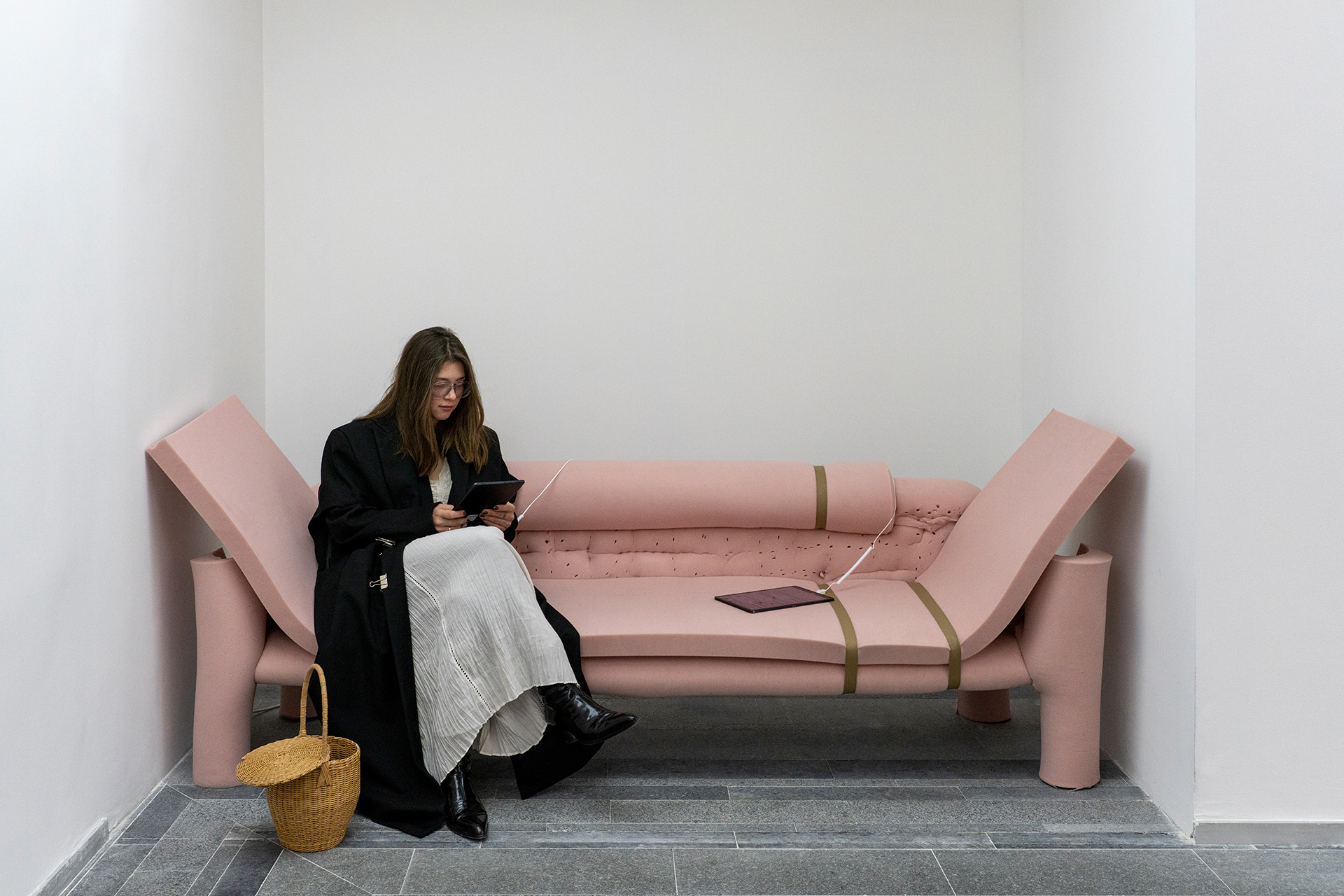
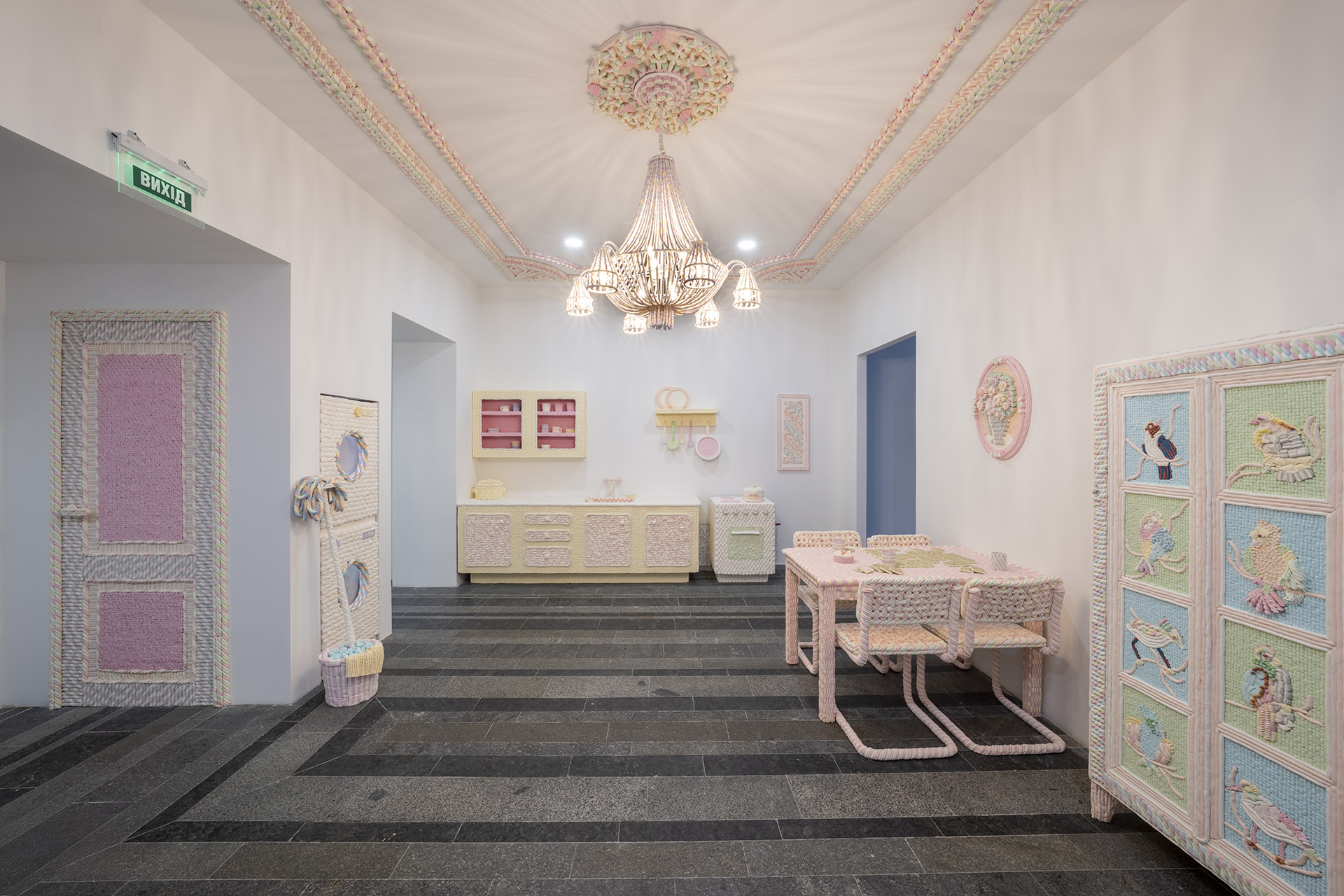
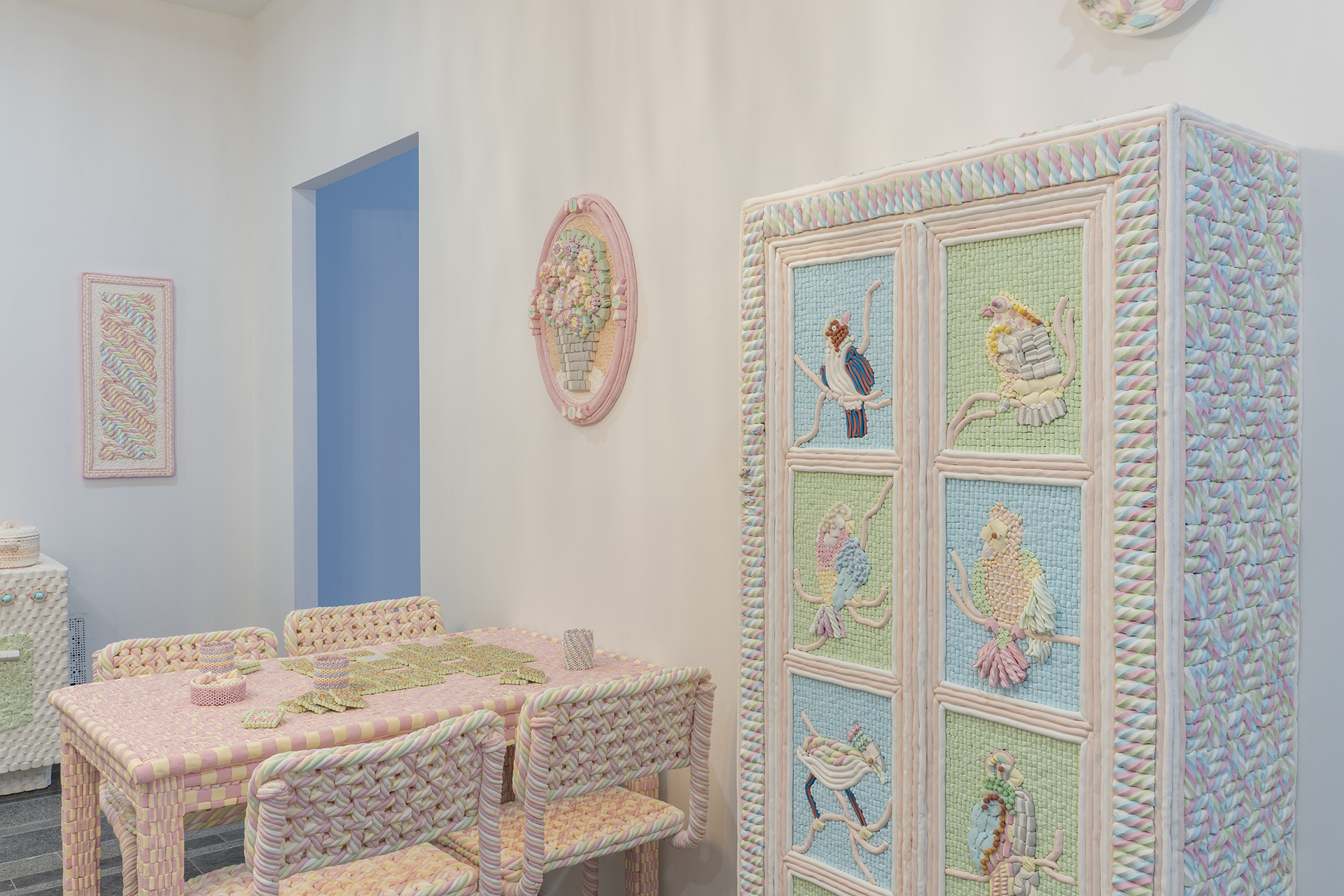
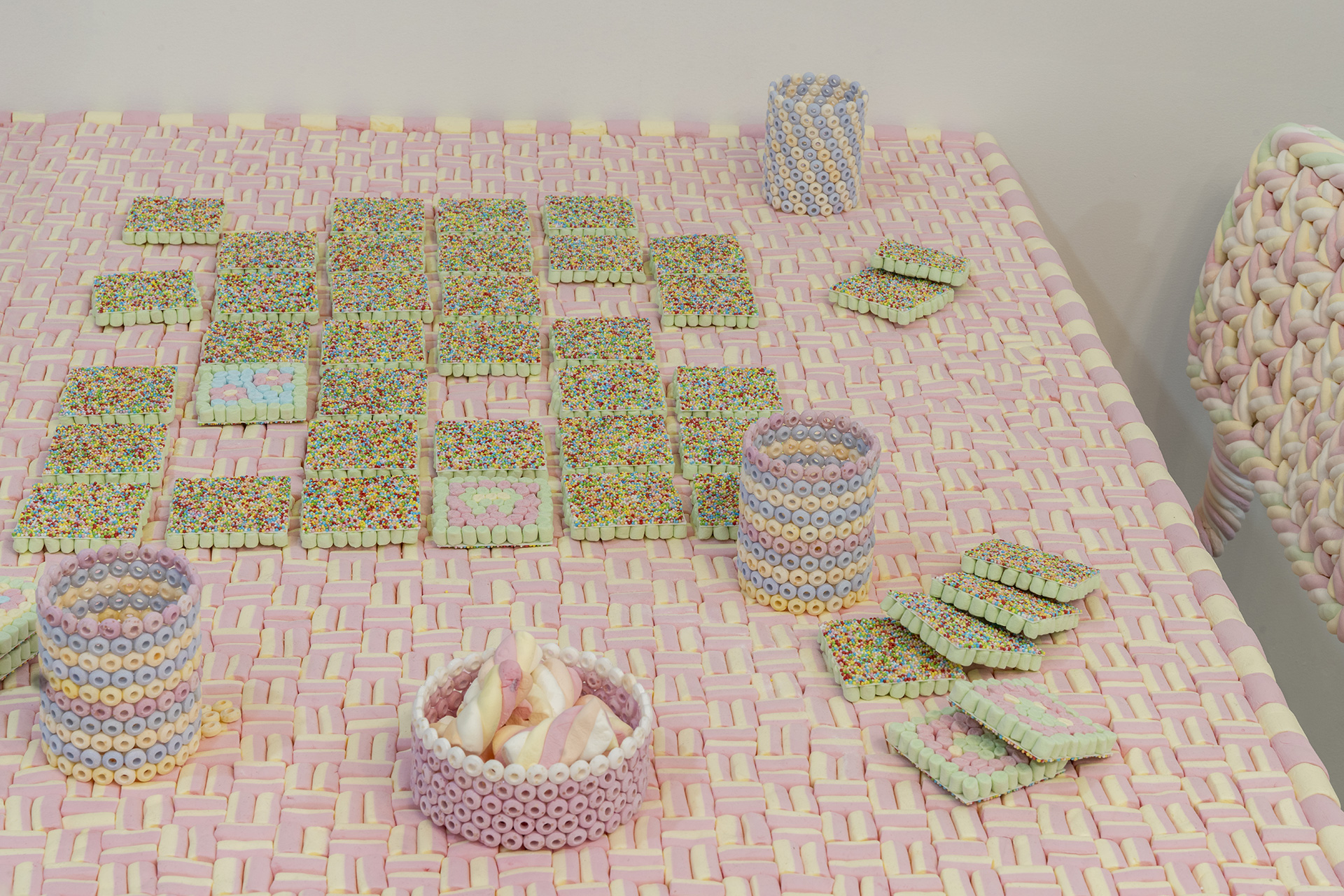
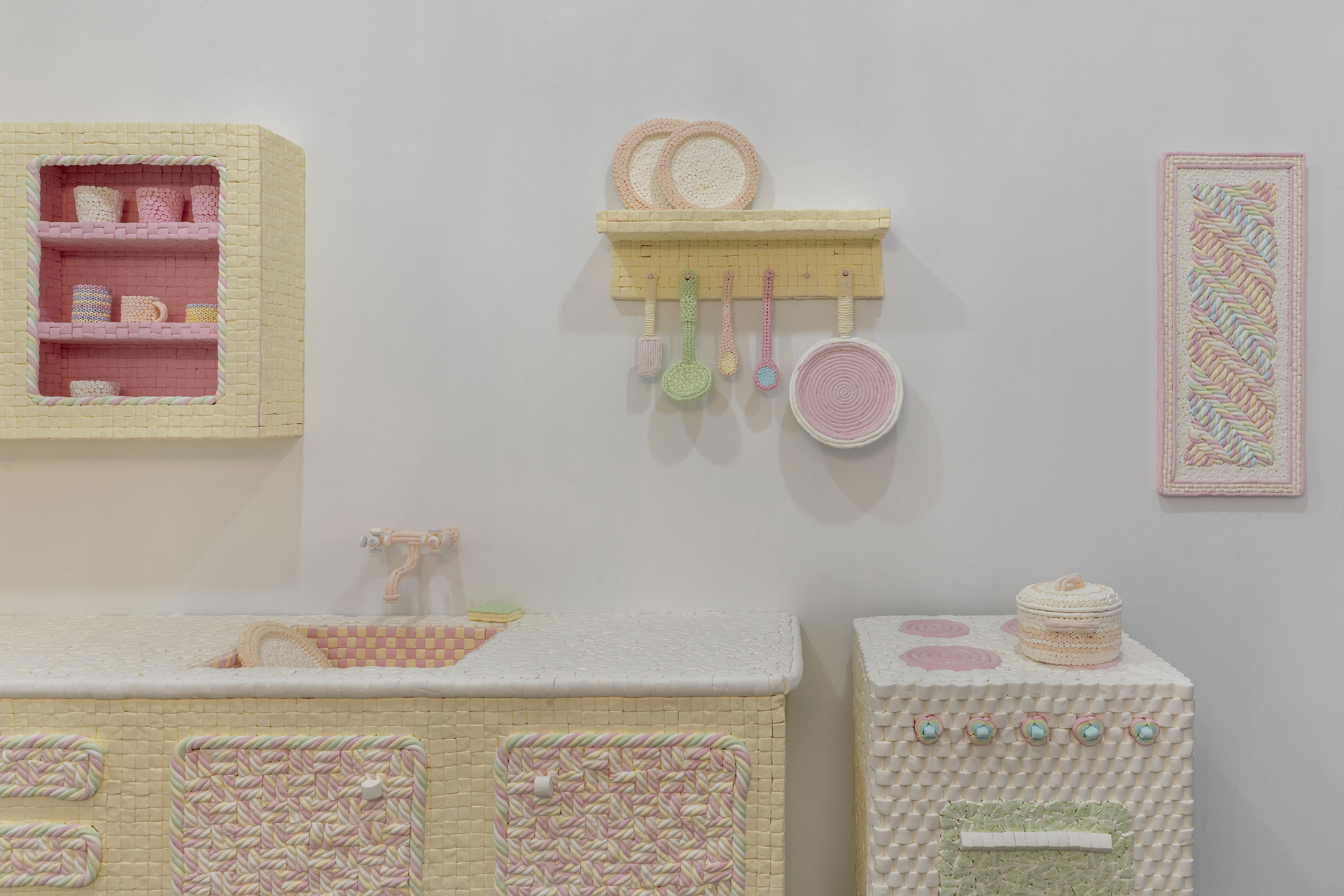
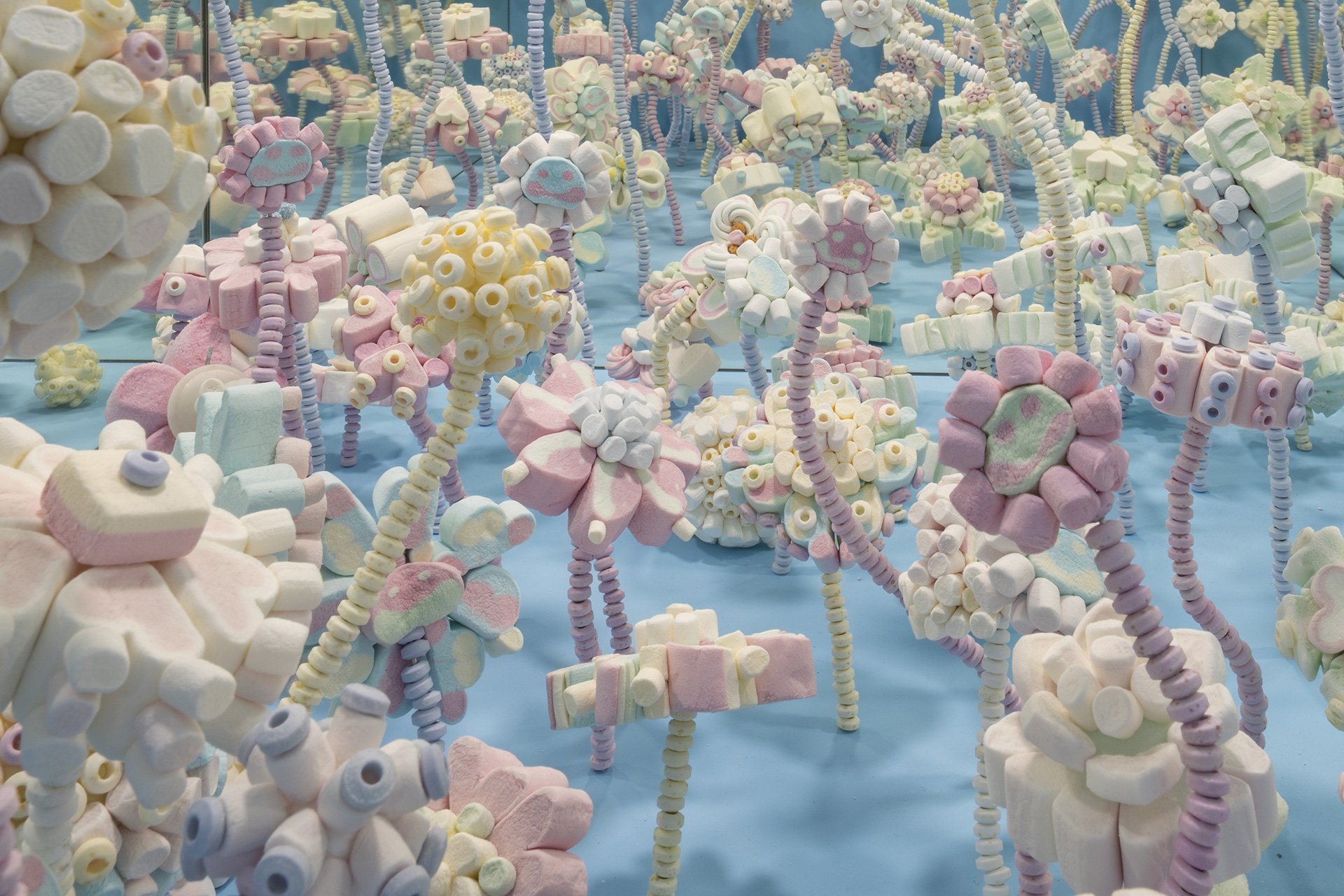
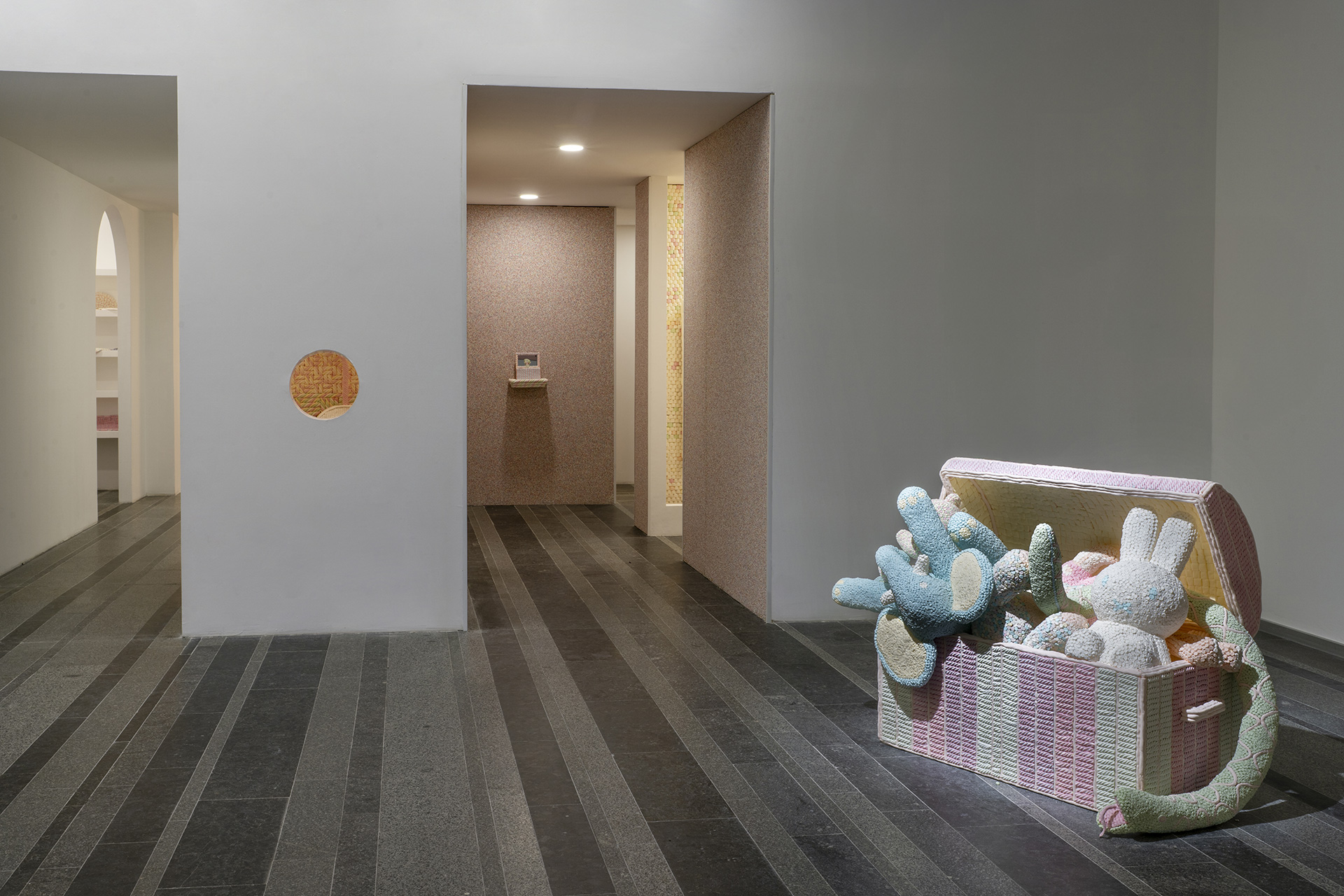
The exhibition invites visitors on a journey through the art center, provokes reflections, and presents different kinds of joy — from the playful, sincere delight sparked by an installation by Dutch artist Simone Post, created from candy and marshmallows, to the tender, poignant joy of Ukraine’s present in works by Kateryna Lysovenko, Kateryna Aliinyk, and Iryna Loskot.
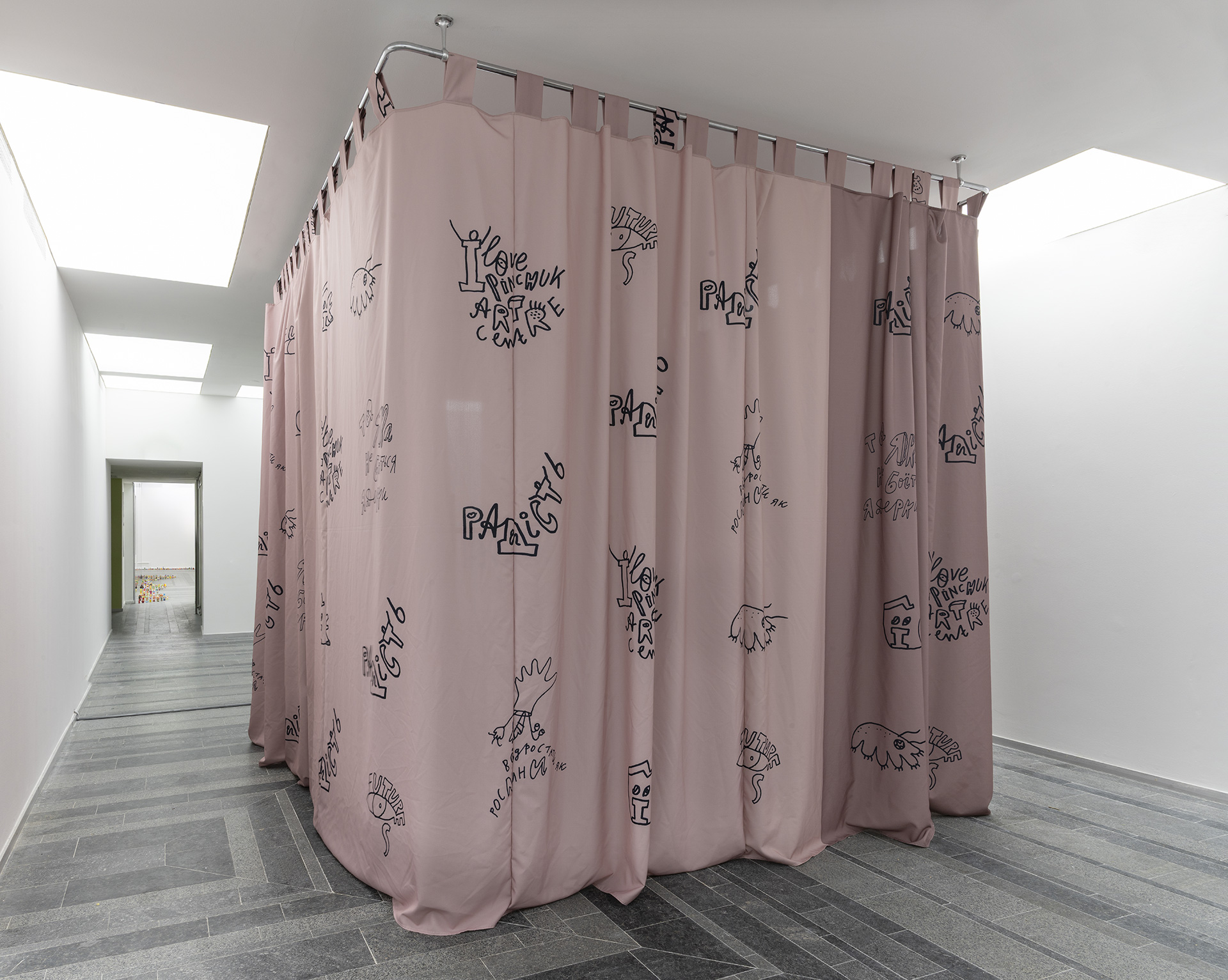
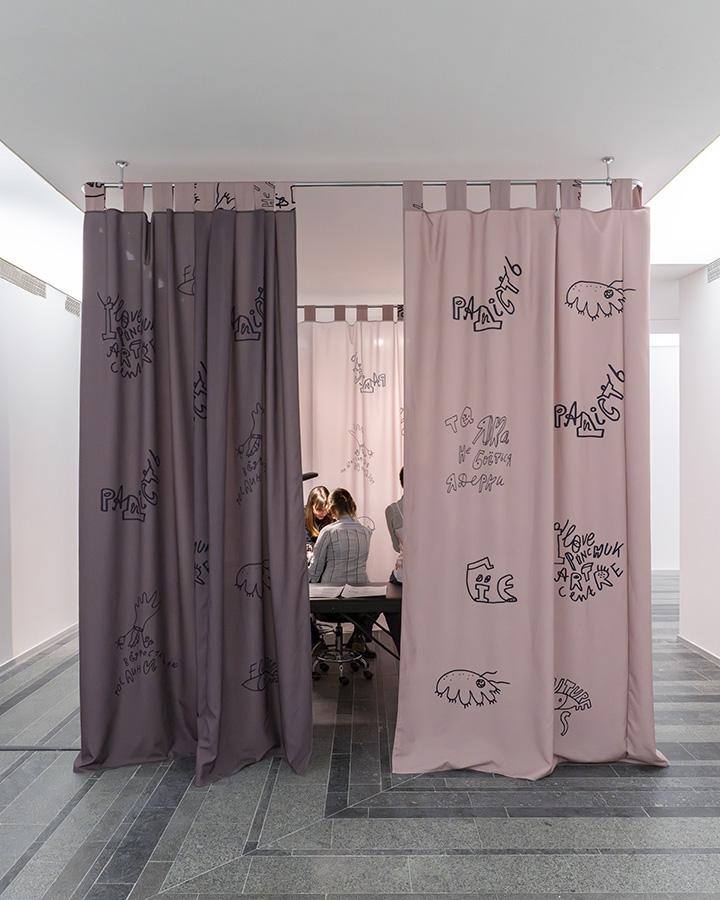
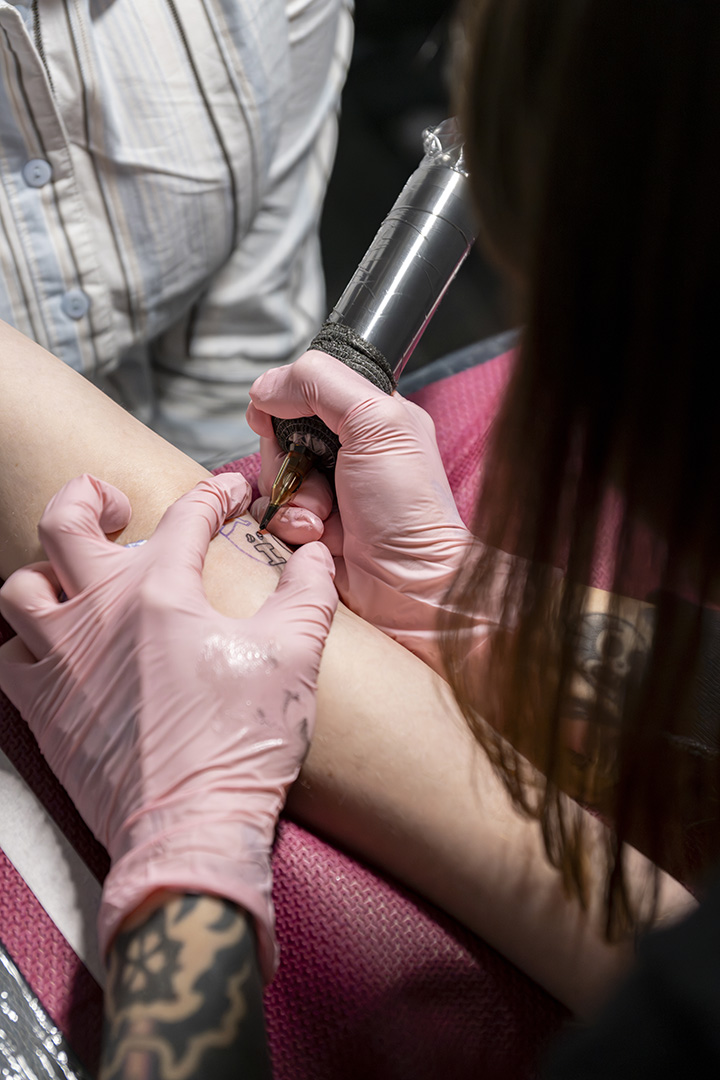
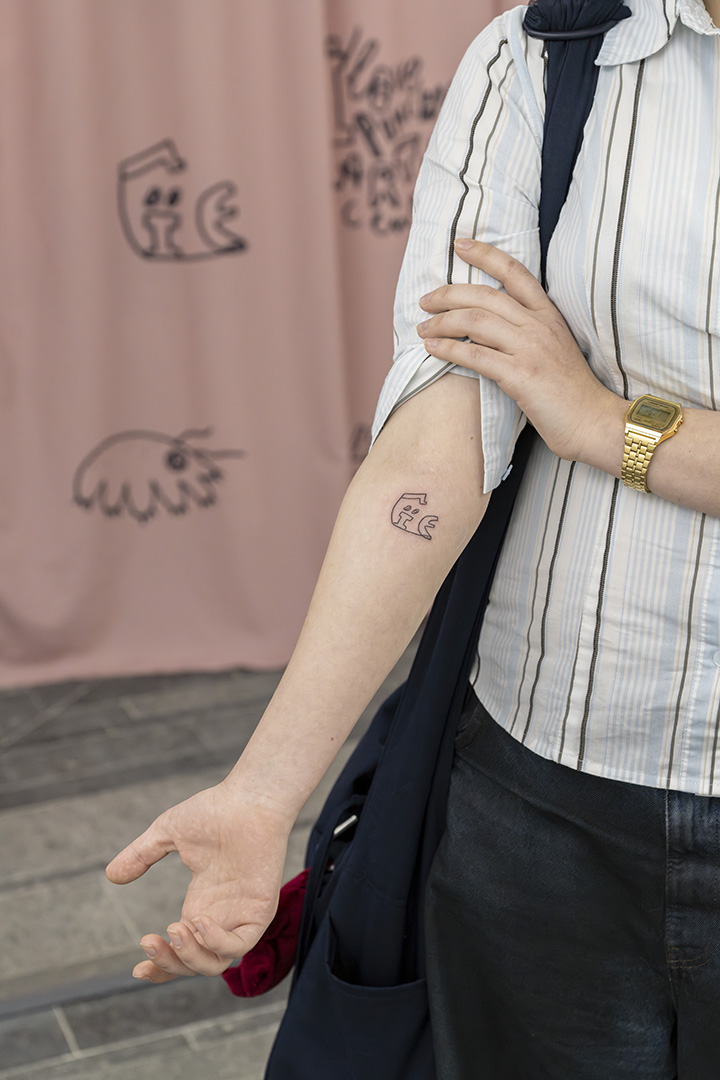
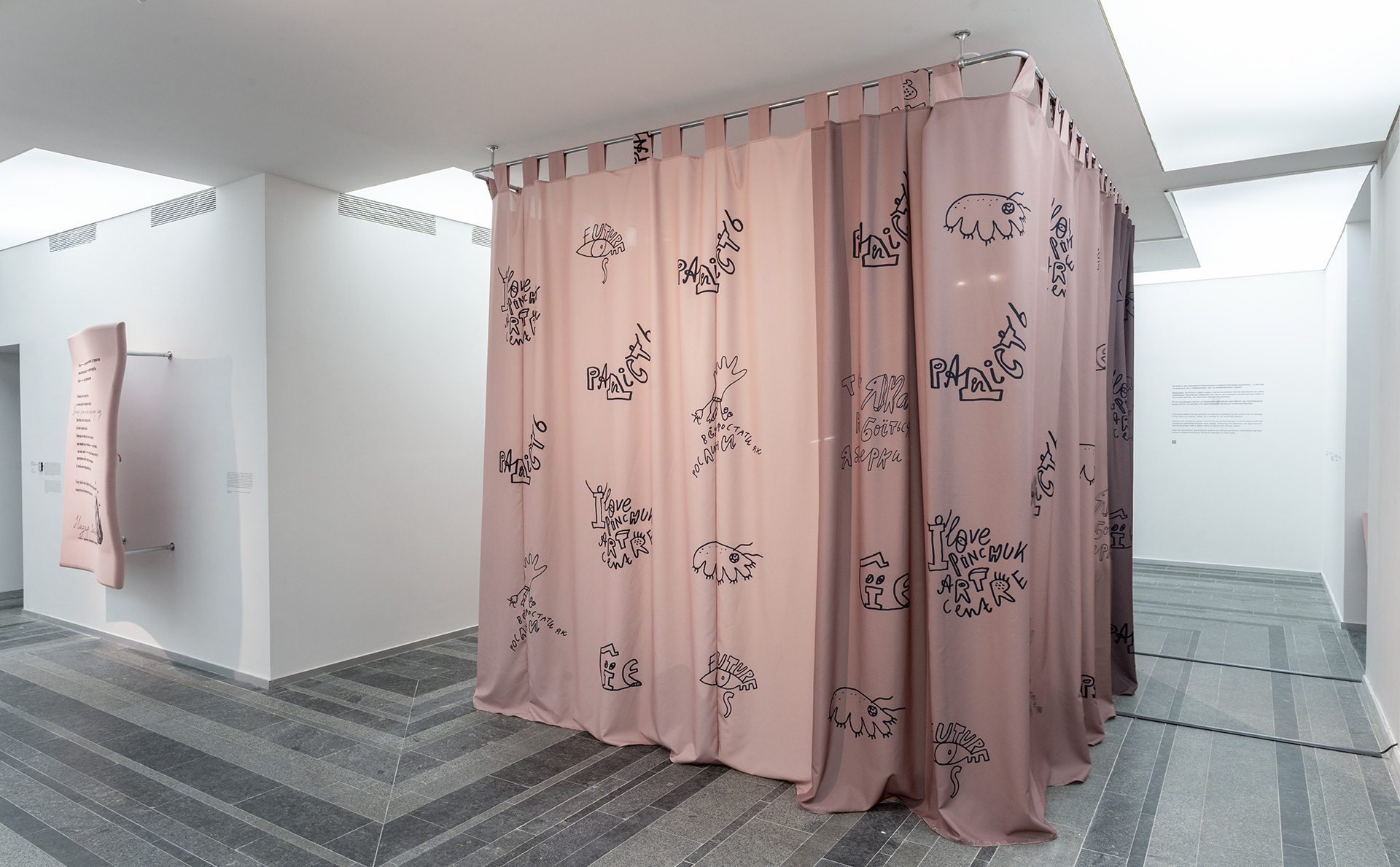
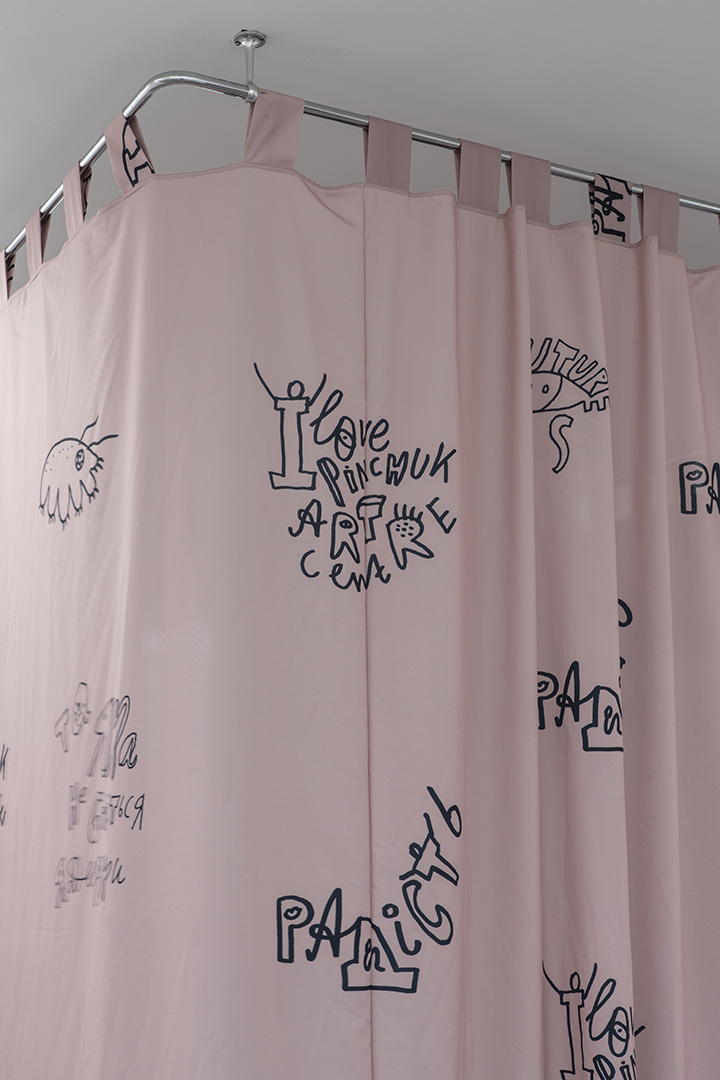
Alevtina Kakhidze will set up a tattoo salon within the walls of the PinchukArtCentre, offering visitors the chance to literally “place joy under the skin.” Those who wish to do so will be able to get a tattoo based on Alevtyna Kakhidze’s drawings, marking an important period in their lives and their own courage. The images created by the artist carry special meaning. For example, one of the pieces depicts a saxifraga flower that grows through stone in the mountains of Crimea, and this tattoo becomes a symbol of unbreakable resistance and a long-awaited return.
The project aims to bring attention to the moments that make us feel alive and affirm our human spirit even in the hardest times. It also shows the international community that today joy is something Ukrainian society leans on — an experience others can learn from.
At this exhibition that you have just started viewing, you will encounter many stories of joy — joy as an inner force, as a response to the outstandingly difficult reality. It emerges where you least expect it: sometimes on the surface, sometimes deep within. But it is always part of humanity’s essence and our response to violence and terror.
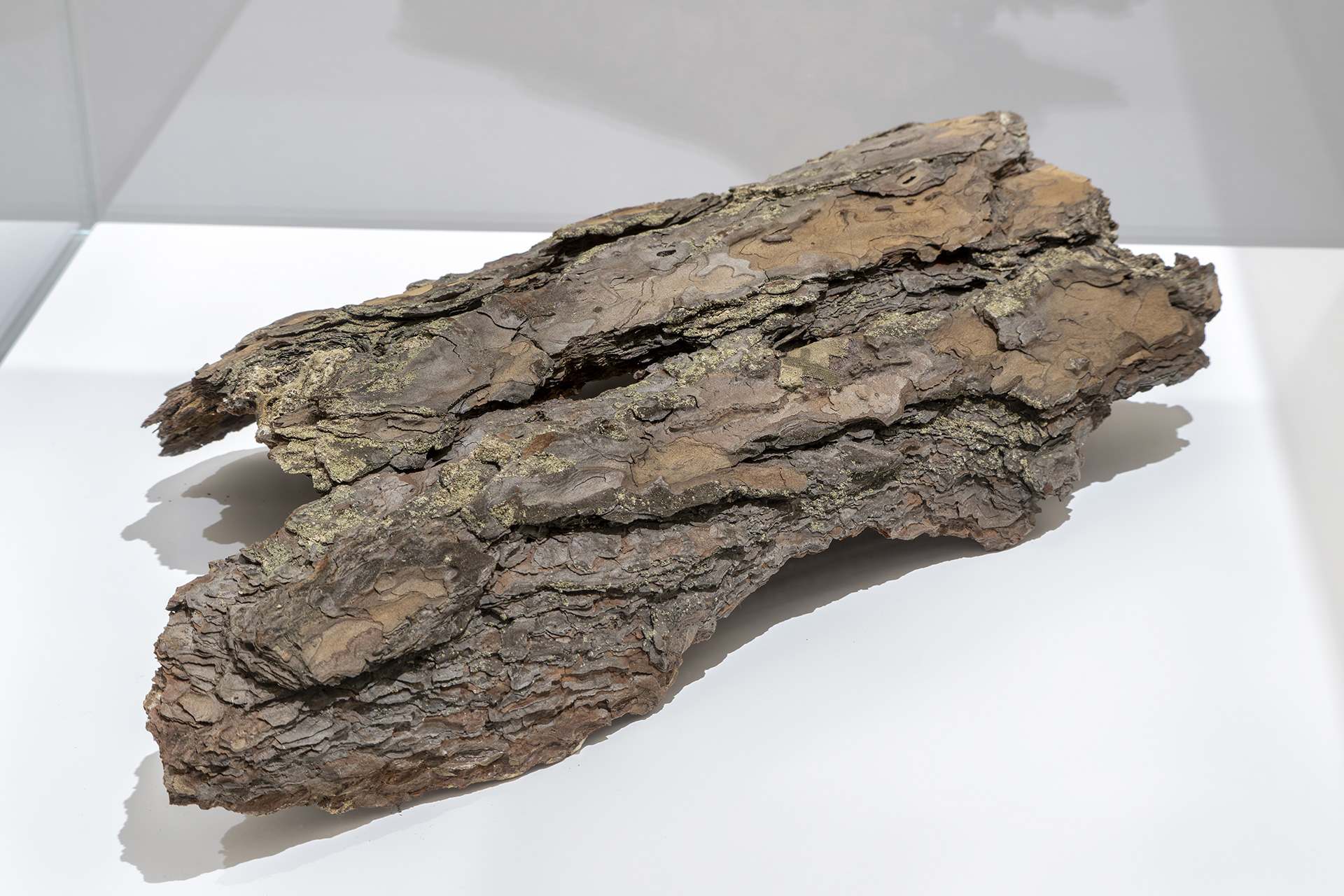
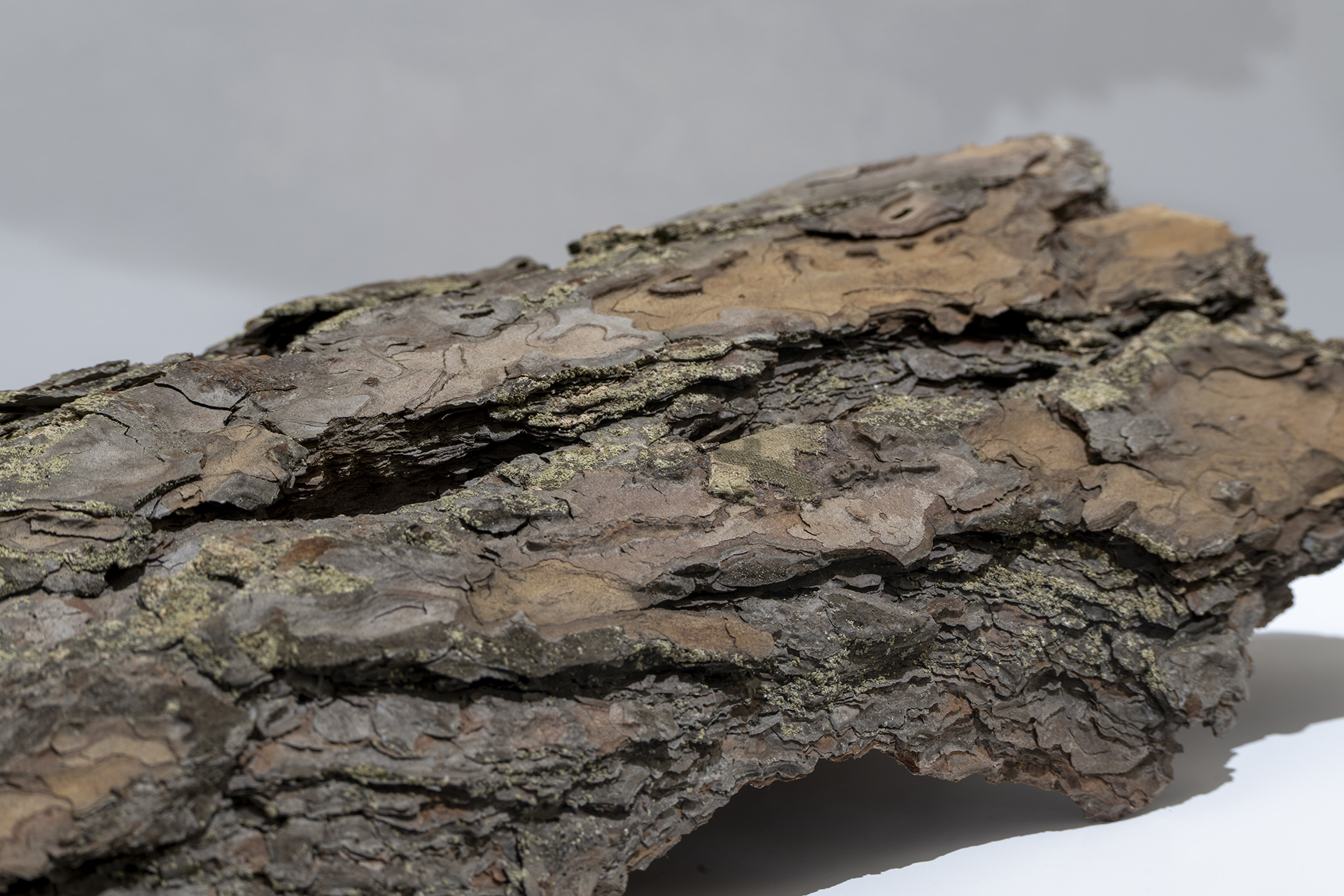
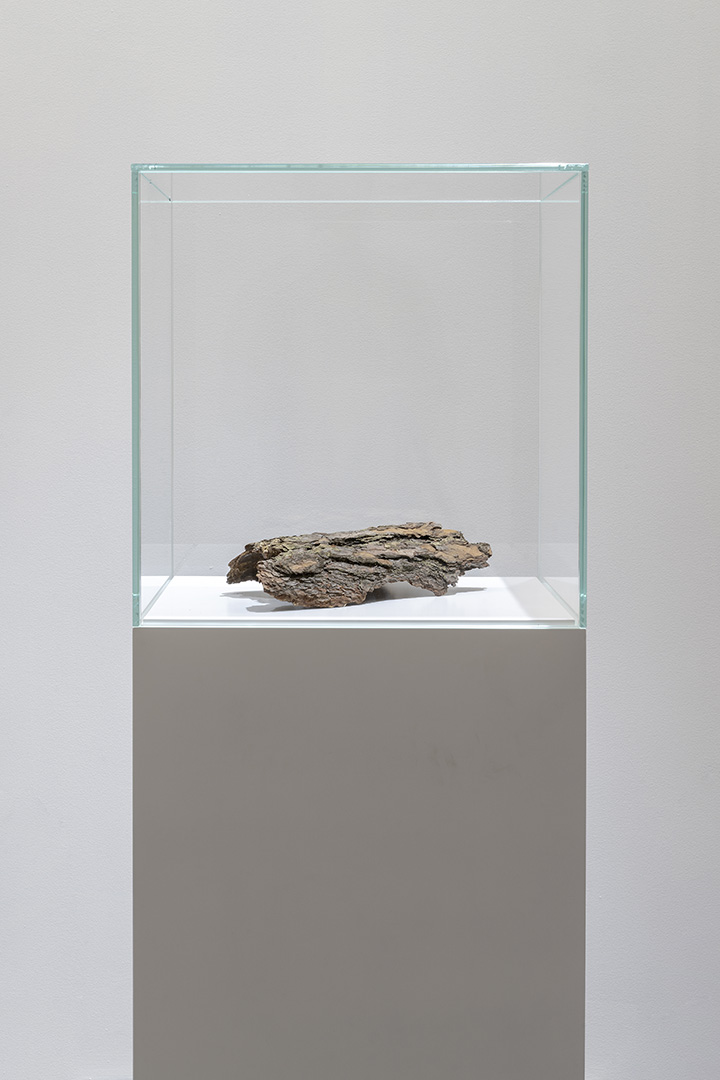
In the first room, the exhibition starts with Iryna Loskot’s work Camouflage. It is a piece of tree bark. But, if you take a closer look at its texture, you may notice something strange: by chance or as a result of evolution, the Ukrainian military pixel pattern “sprouts” from it. This small piece of fabric comes from the uniform of the artist’s stepfather who is defending the country in his native Sumy region, as a serviceman in the Armed Forces of Ukraine. Over the years of service, the camouflage has mutated in a way: it has learned to do its job so well that it has become part of the natural landscape.
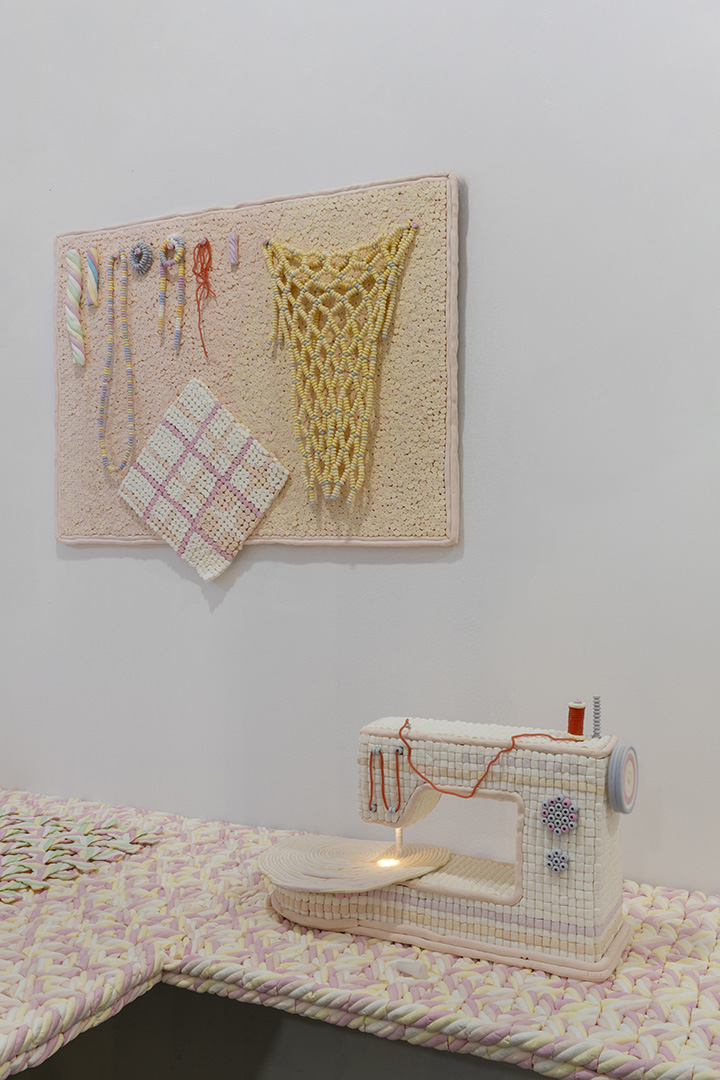
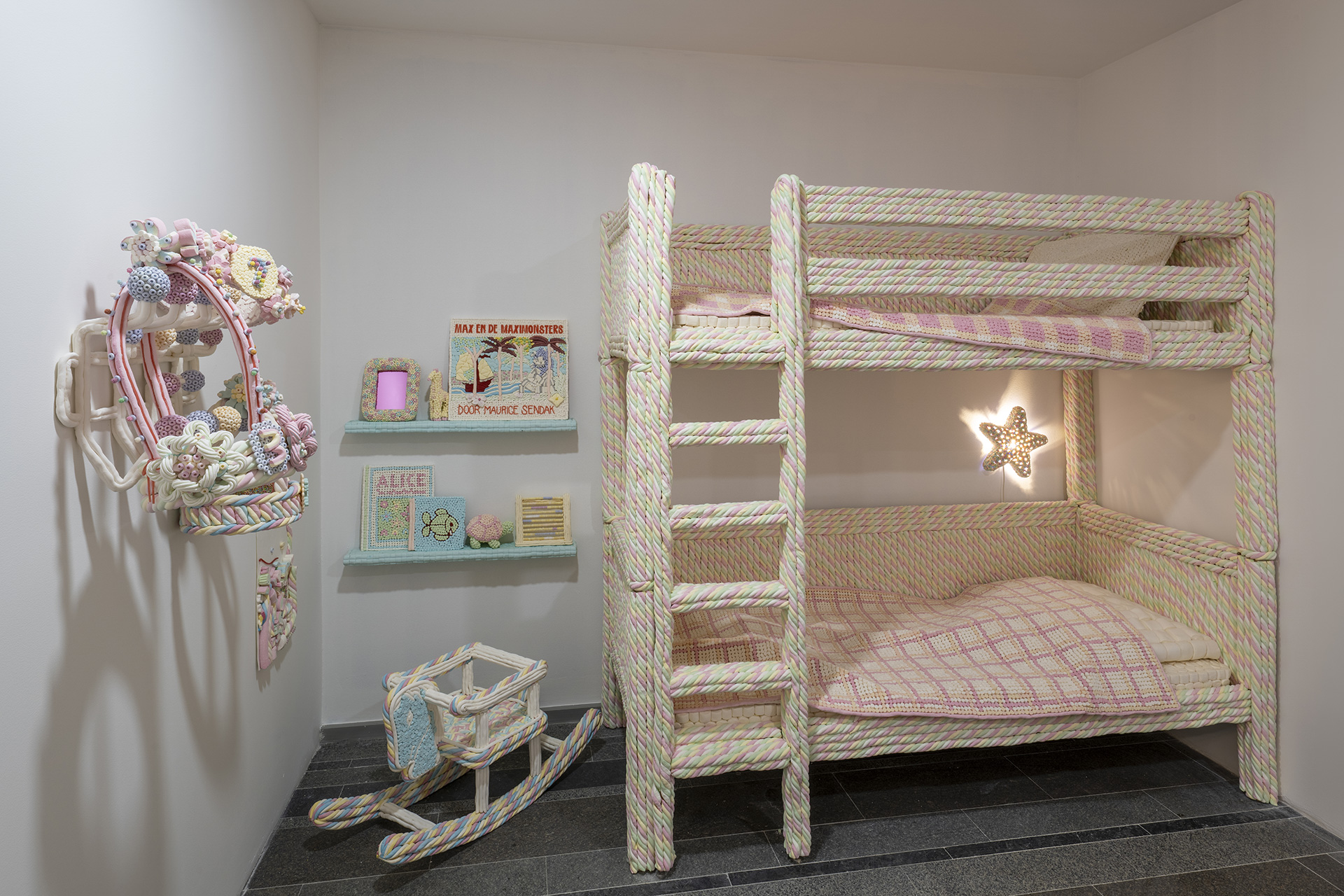
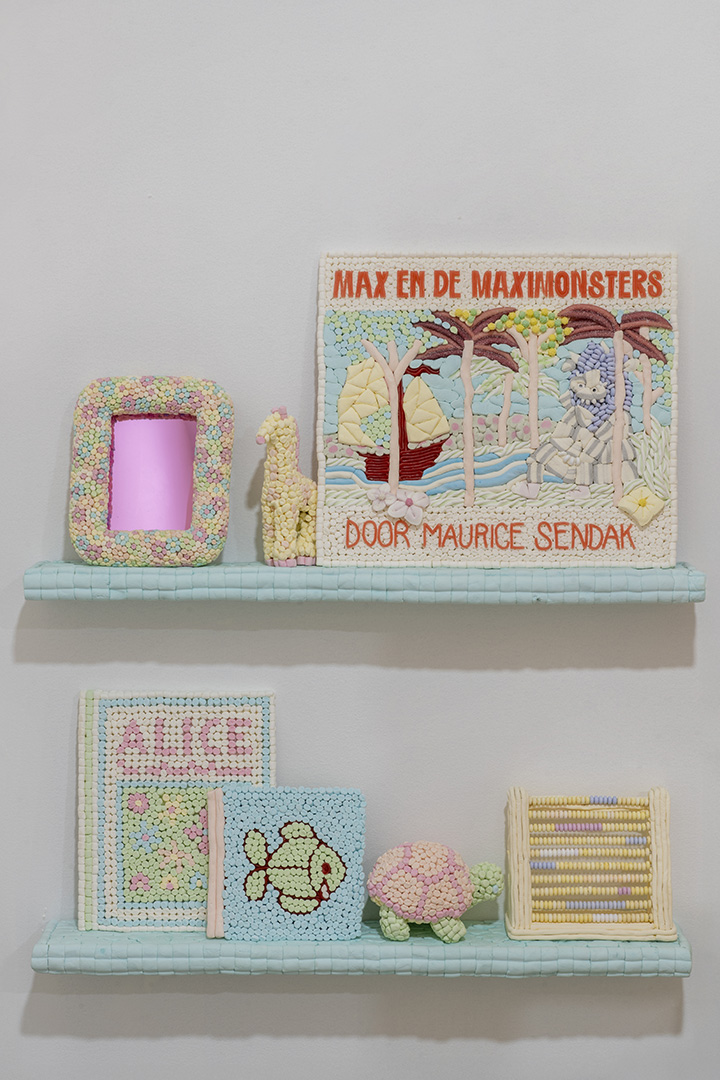
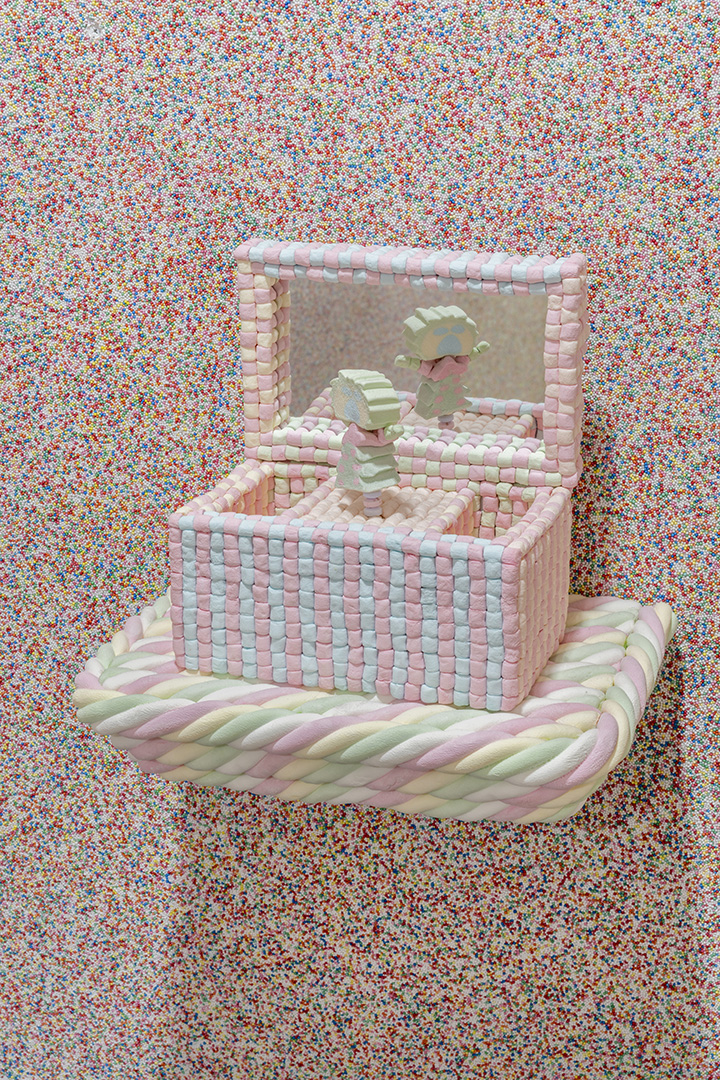
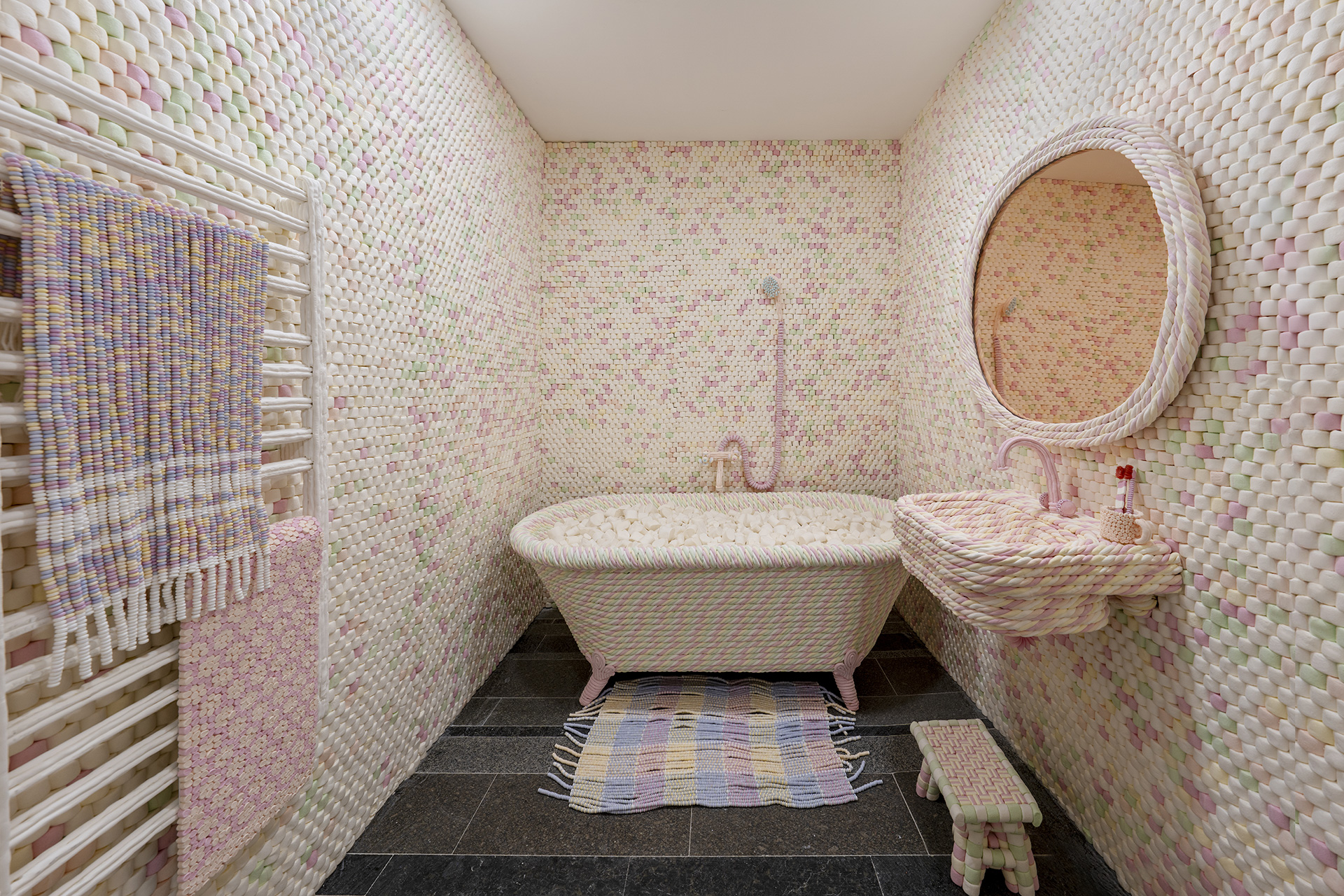
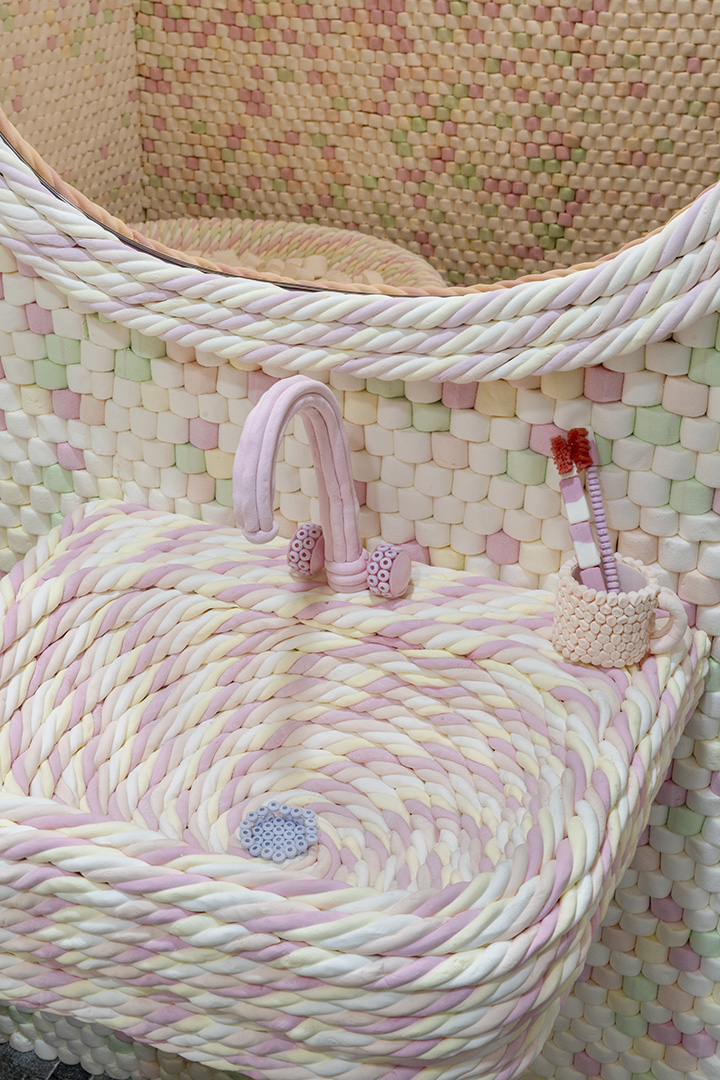
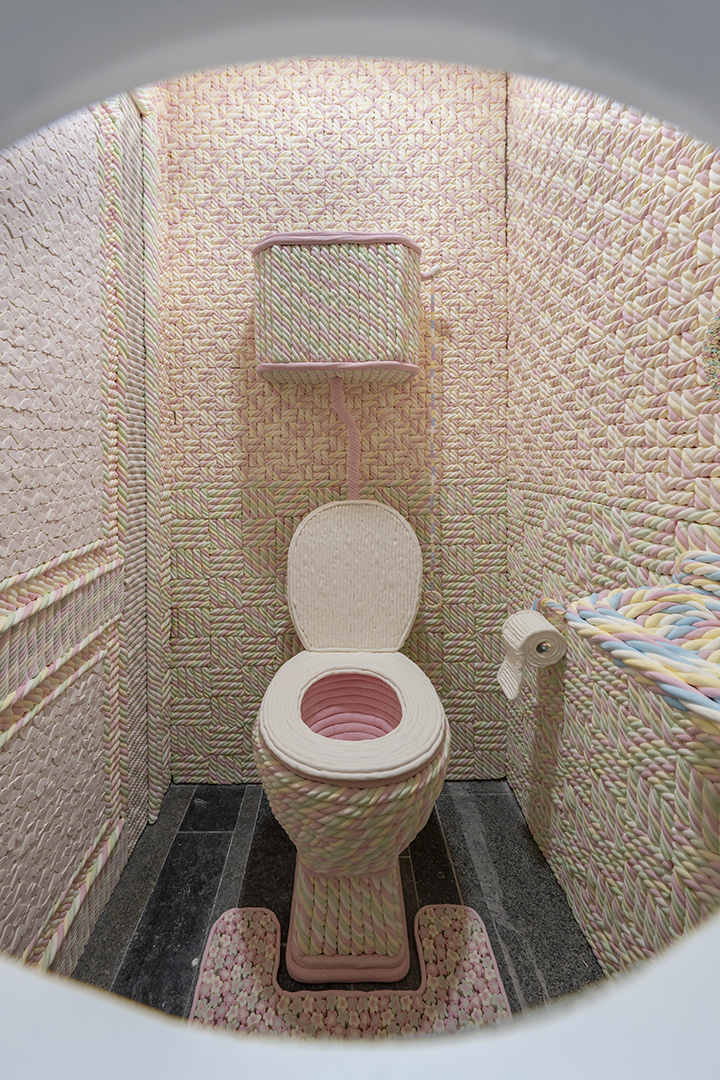
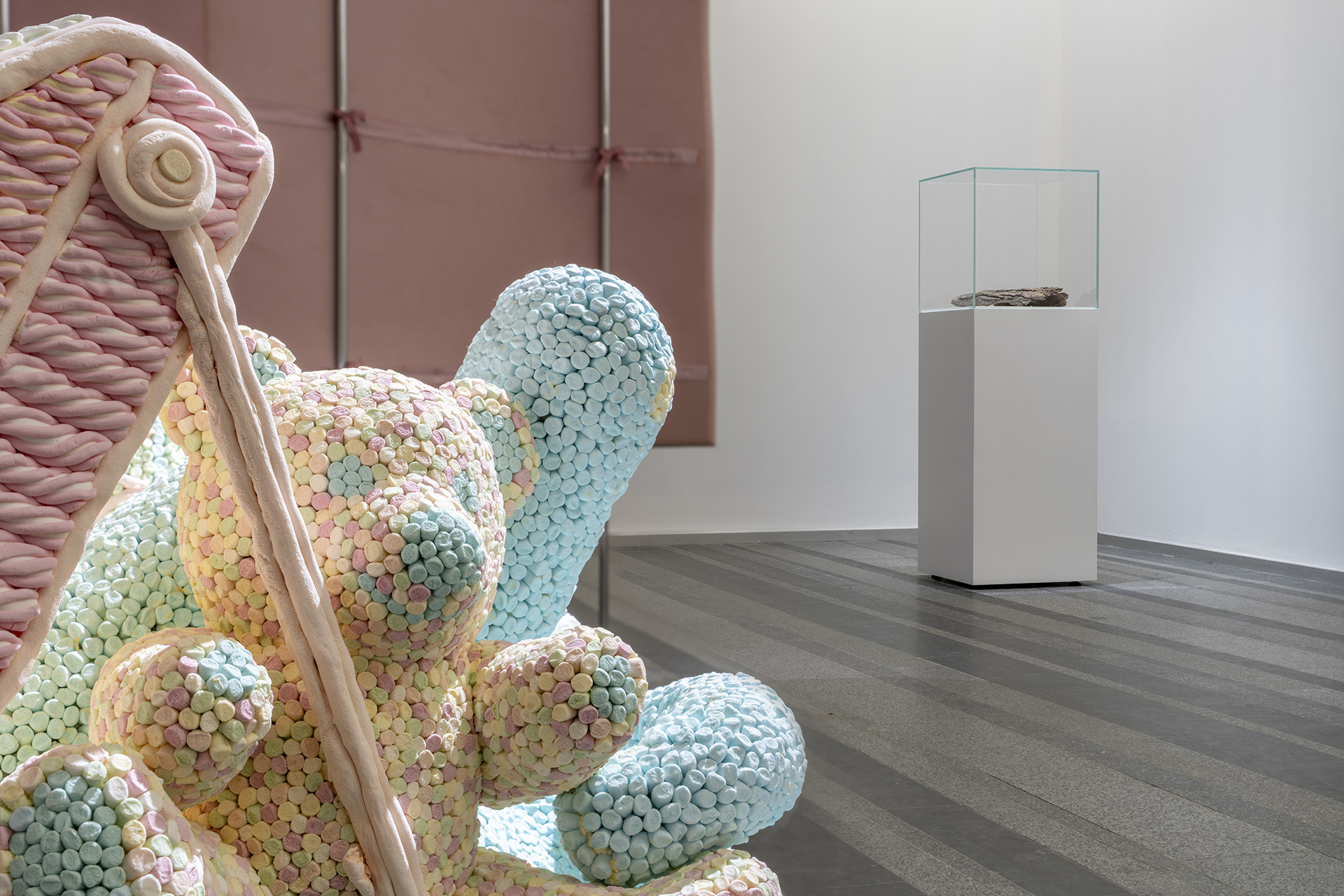
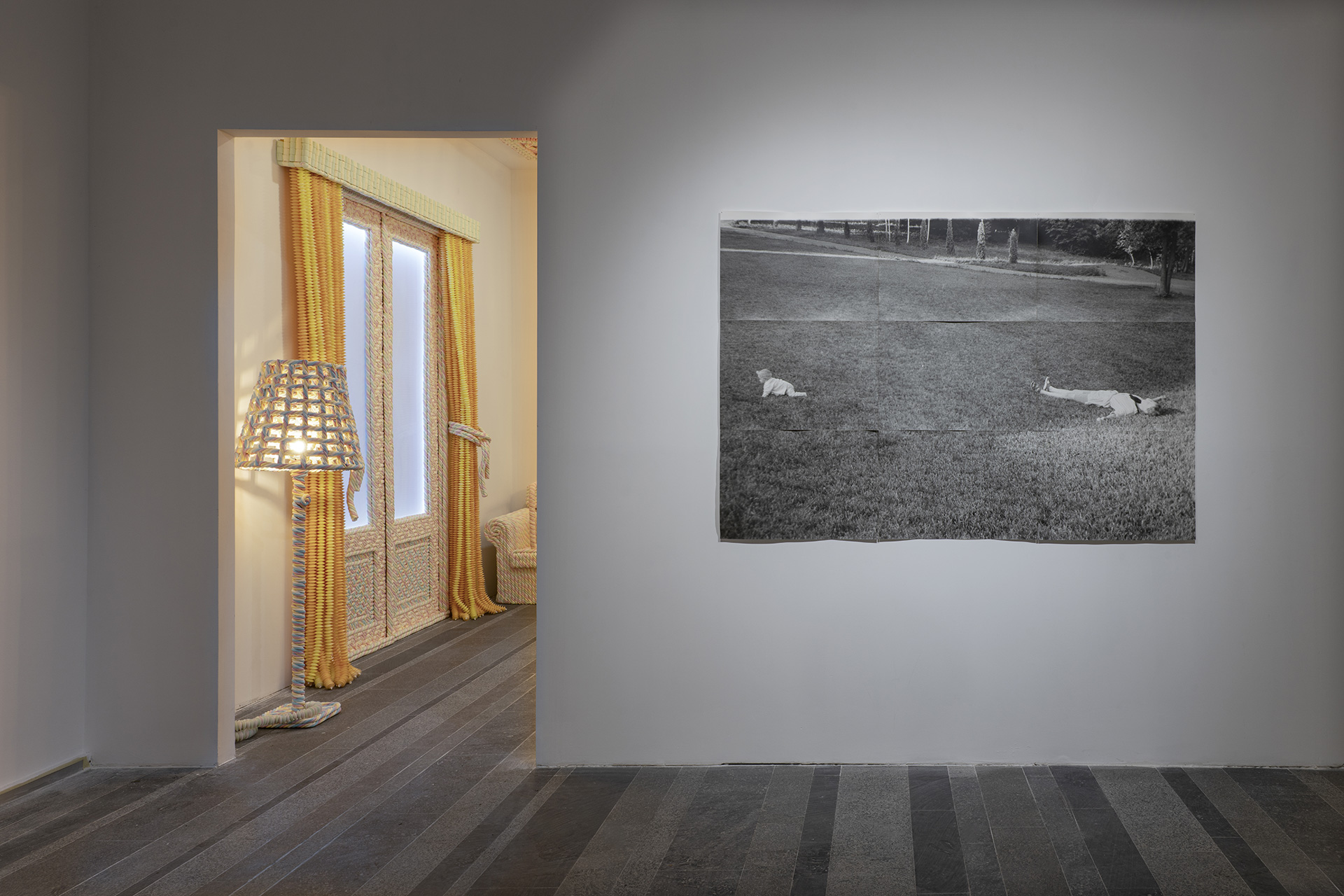
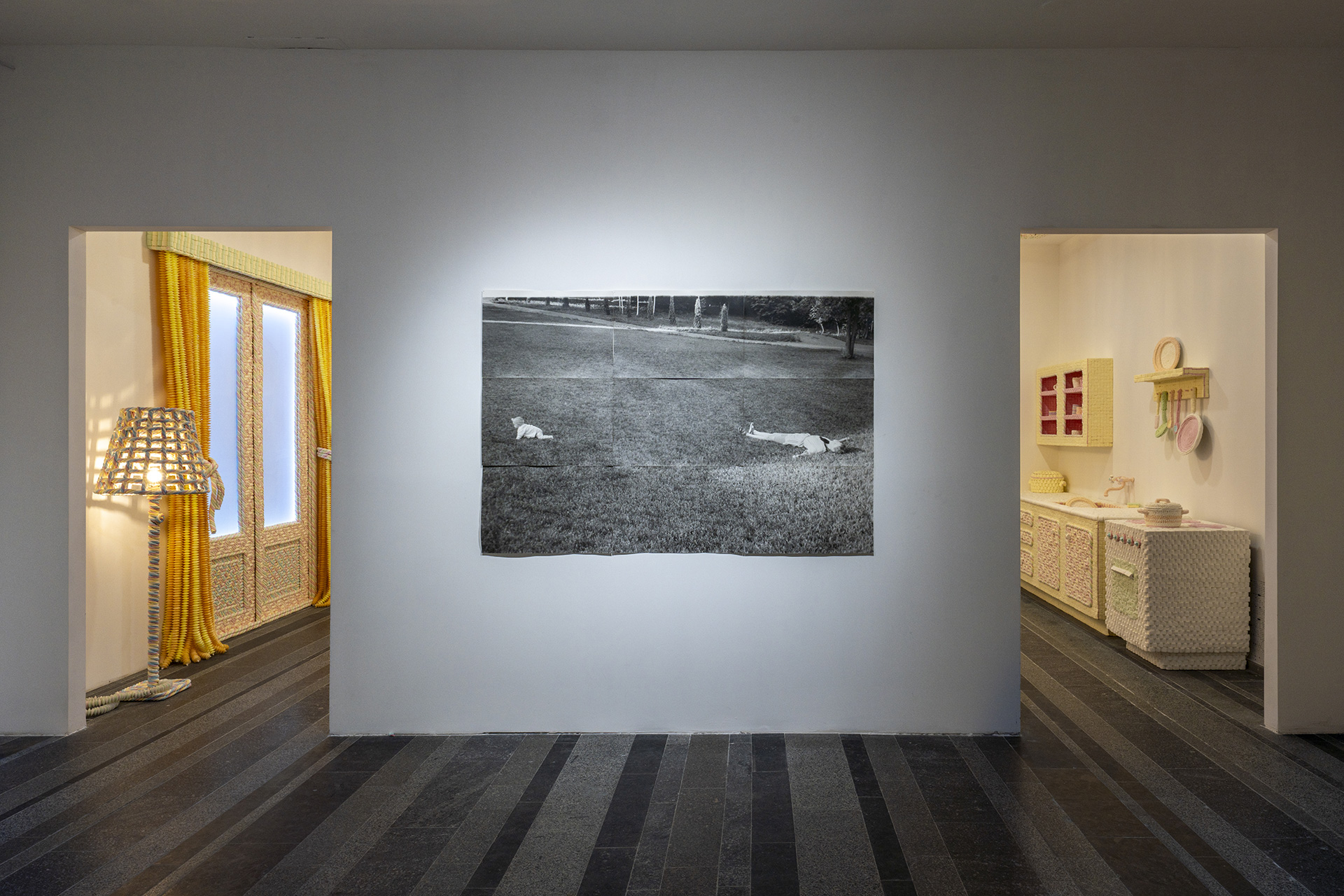
While the first piece is very quiet, the second work is hard to miss. Simone Post’s Sweet Memories is the Dutch artist’s childhood apartment fully replicated in candy and marshmallows. There are places we return to in our memories to retrieve a sense of safety and pure joy, the kind of joy that makes you feel exceptionally good. Growing up, we wanted ice cream for dinner or lollipops instead of cereal. Today, it is like a forbidden joy that the artist invites us to rediscover: walk through the rooms, peek into cabinets and look at the shelves, remember moments of childhood happiness, and maybe even feel that they are now closer than ever.
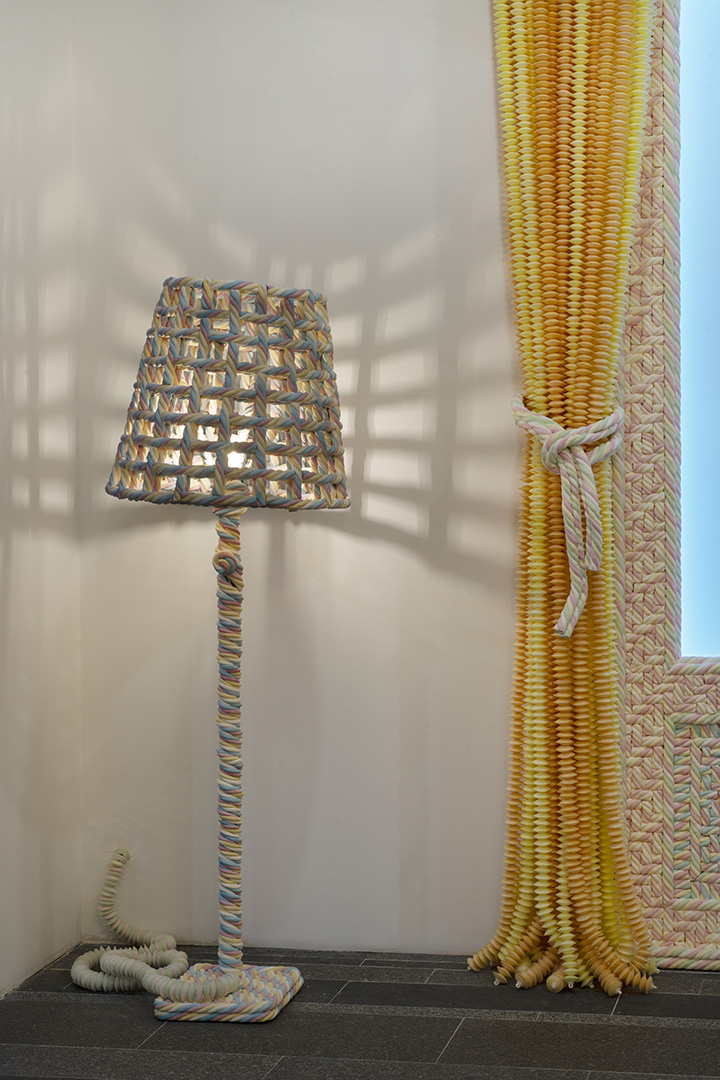
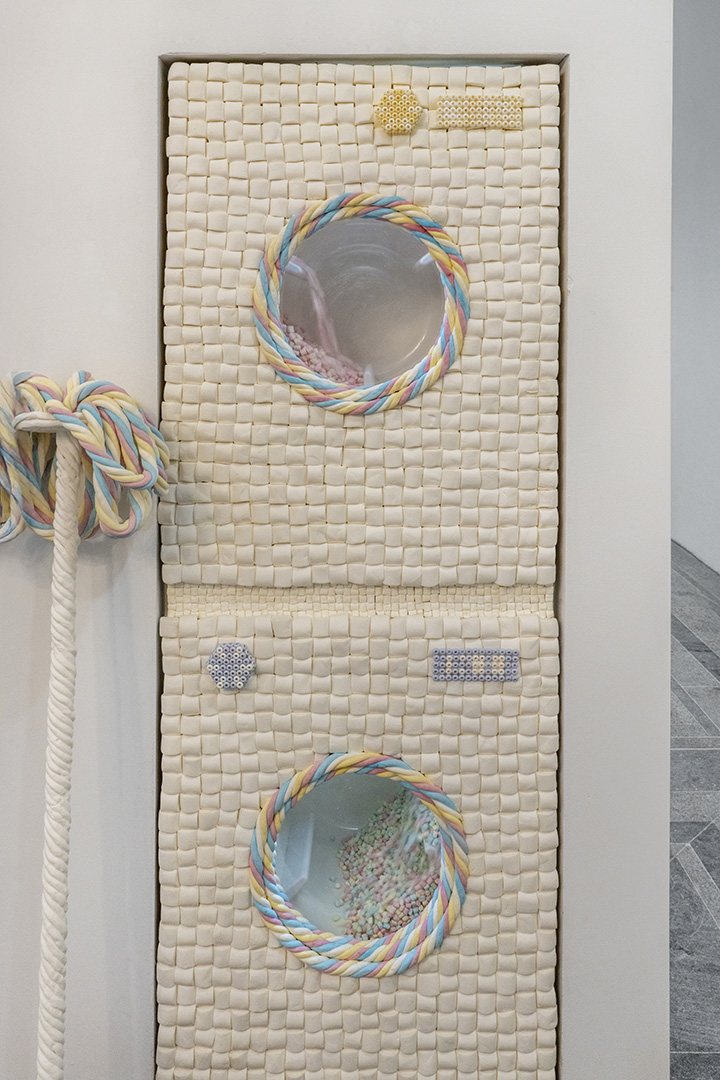
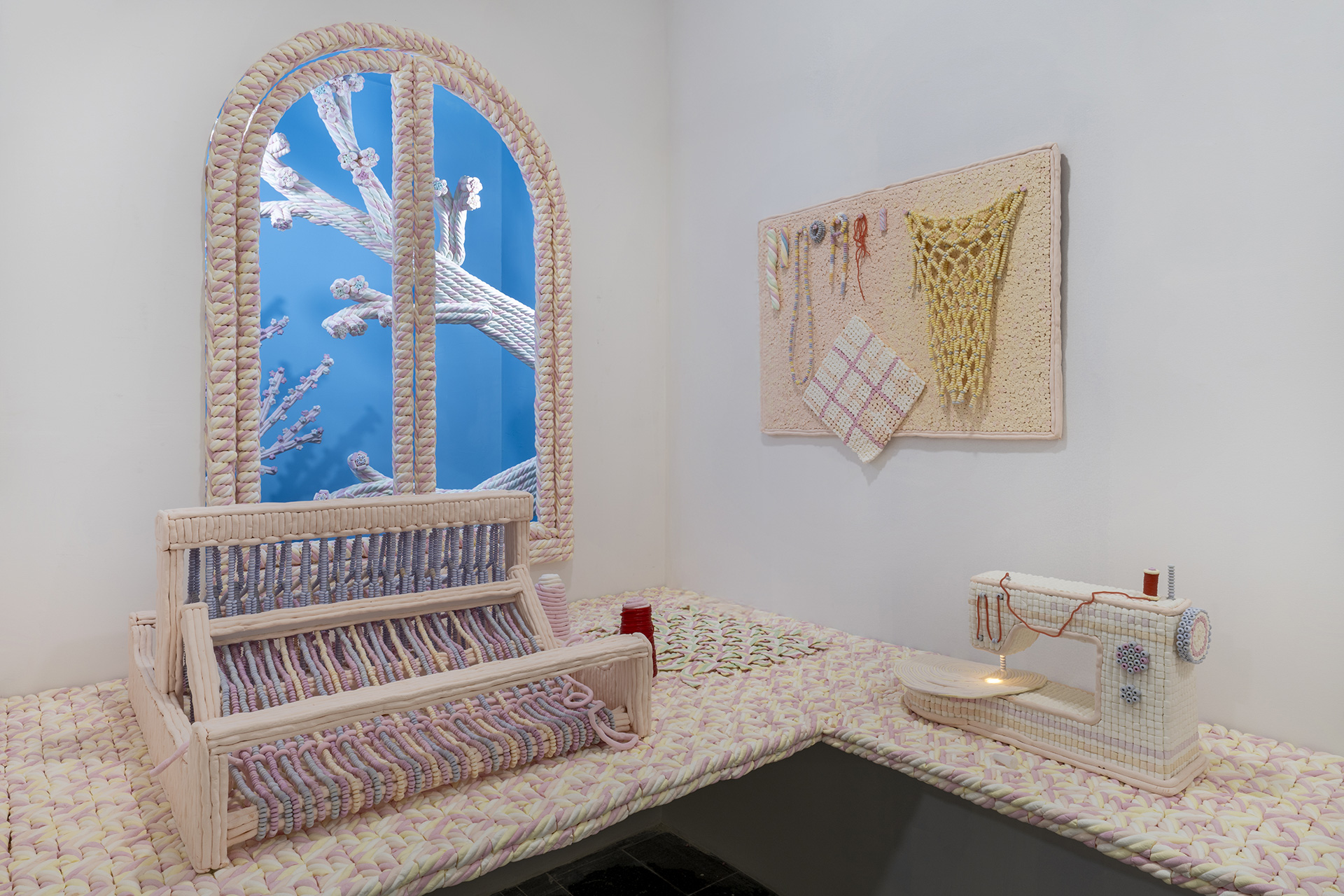
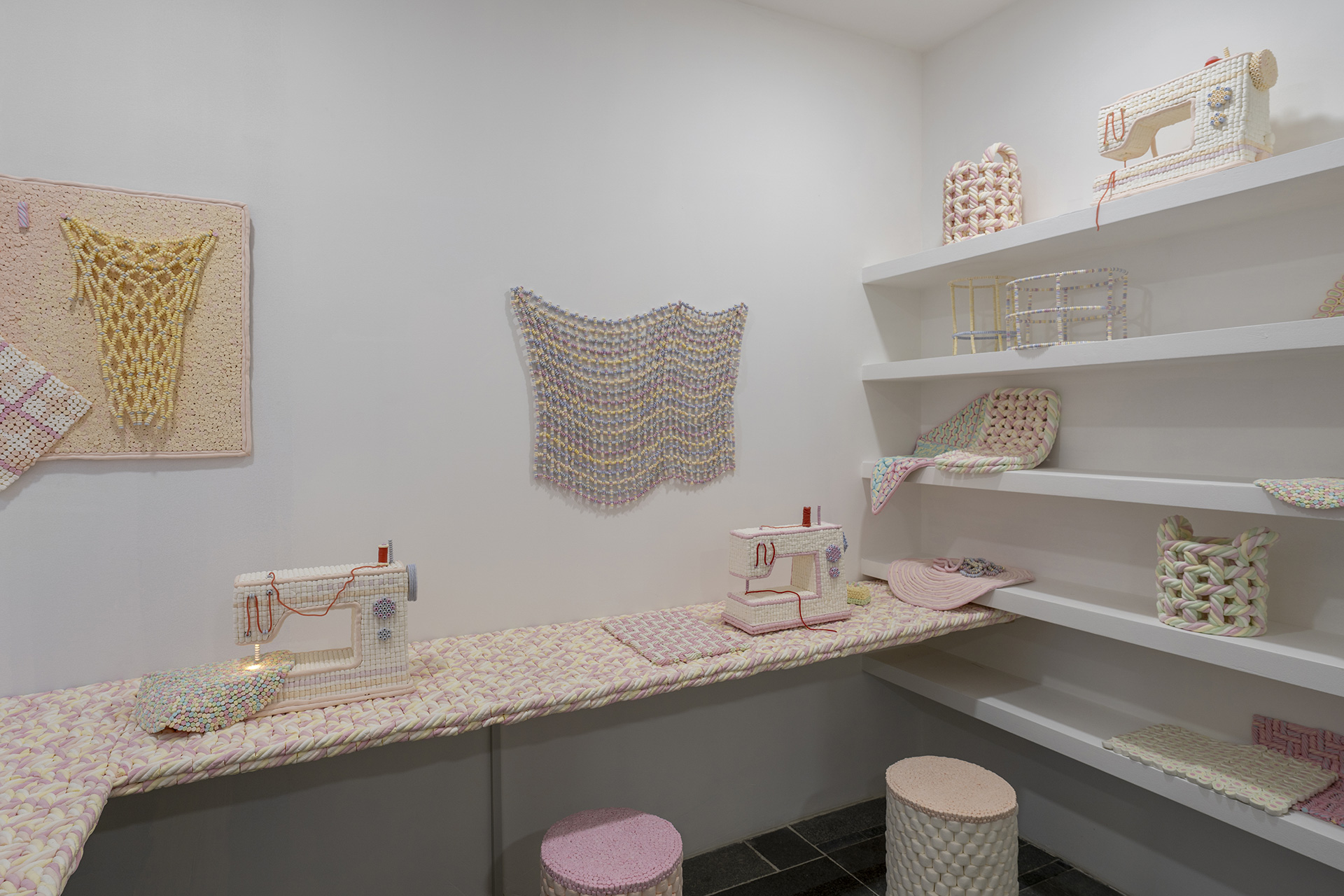
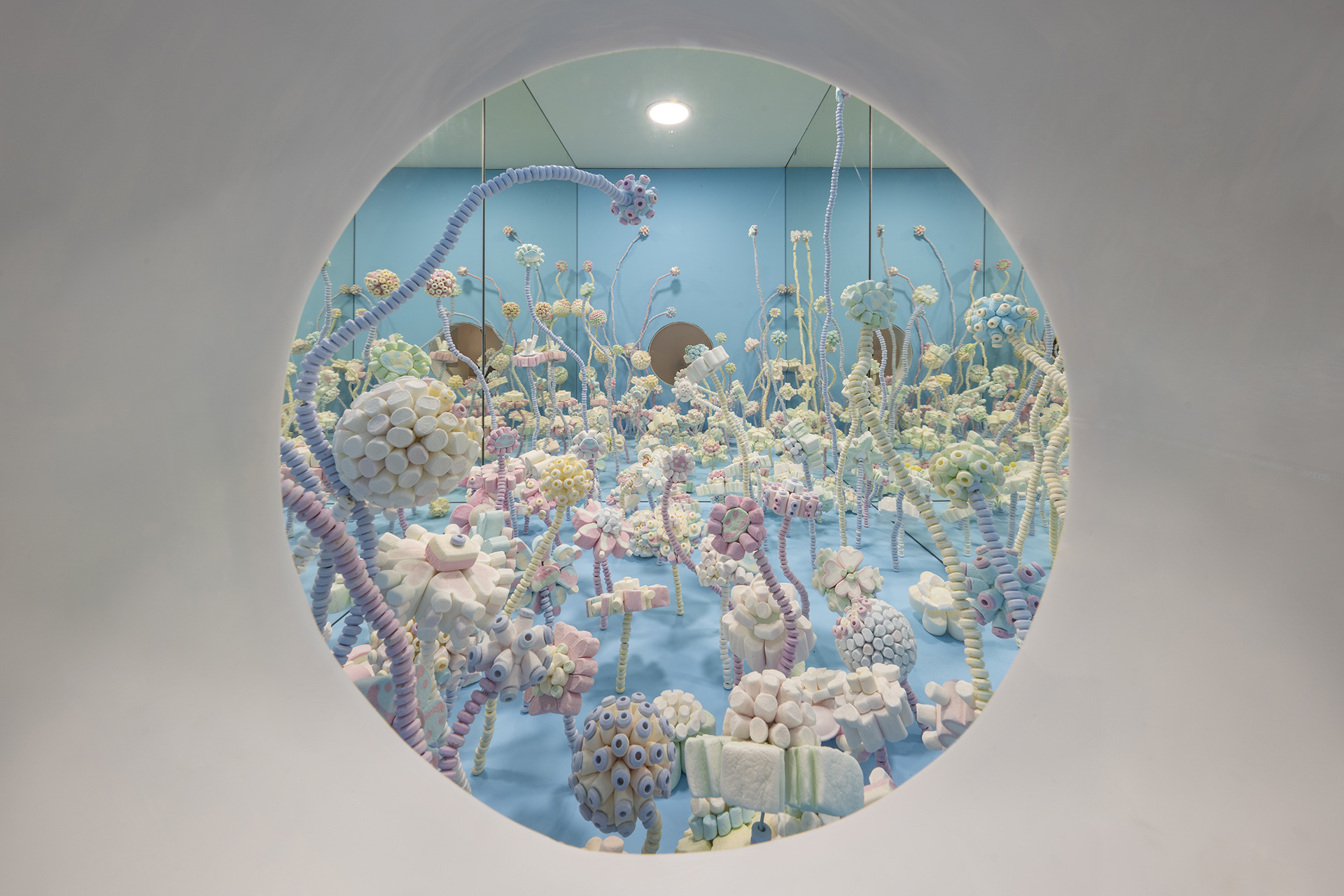
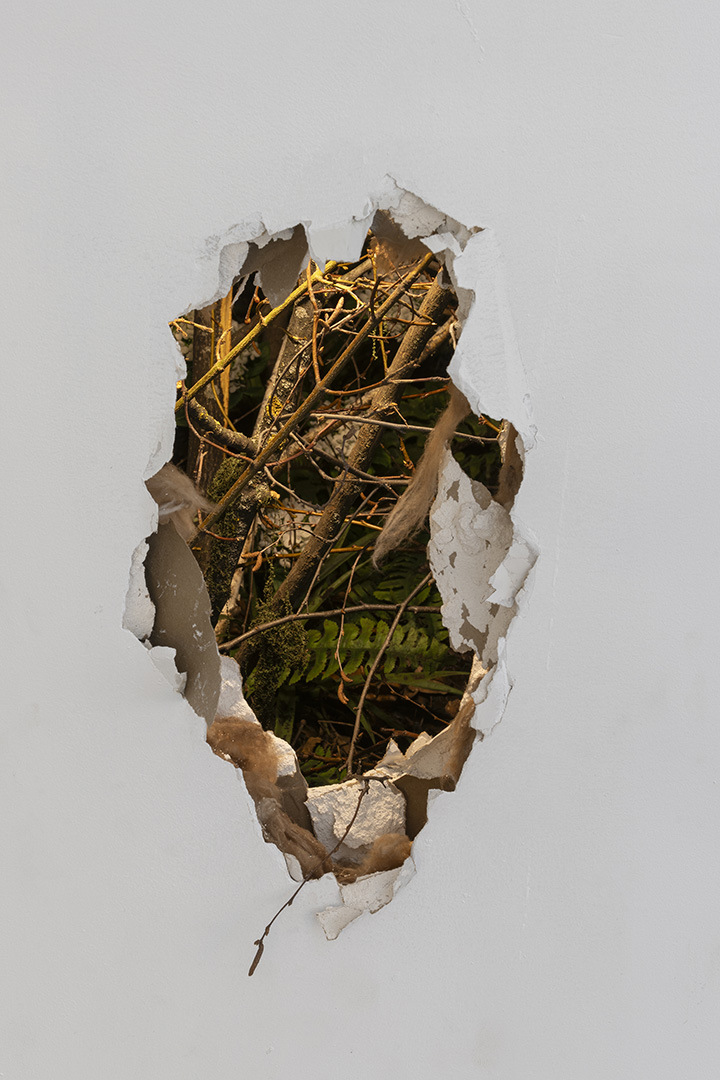
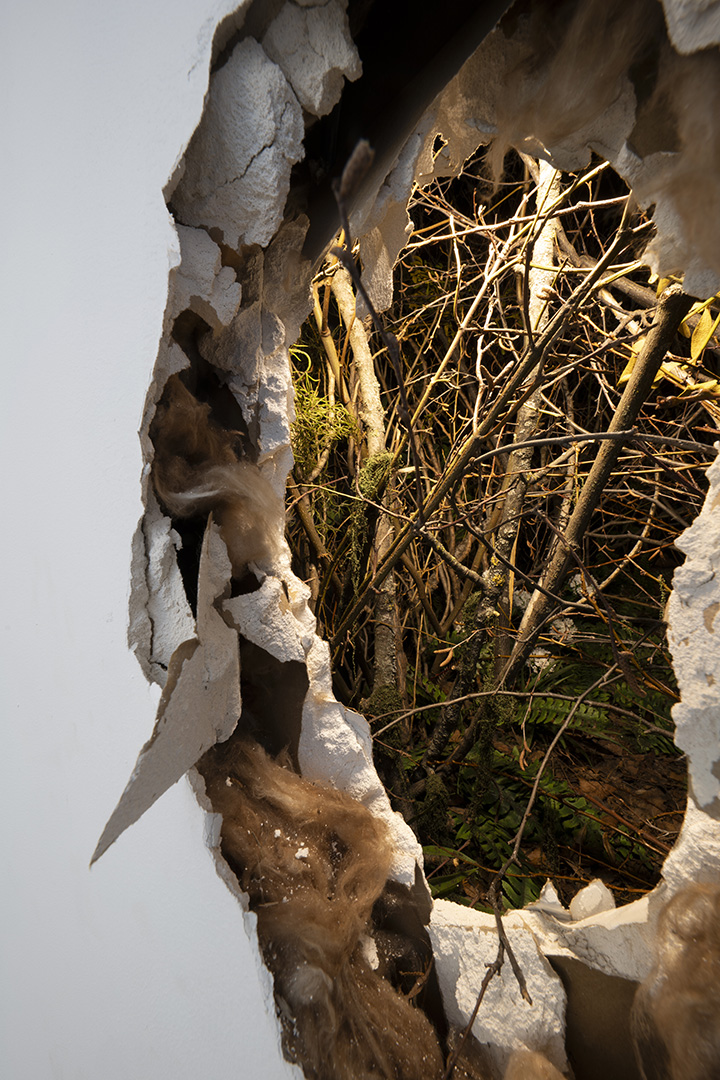
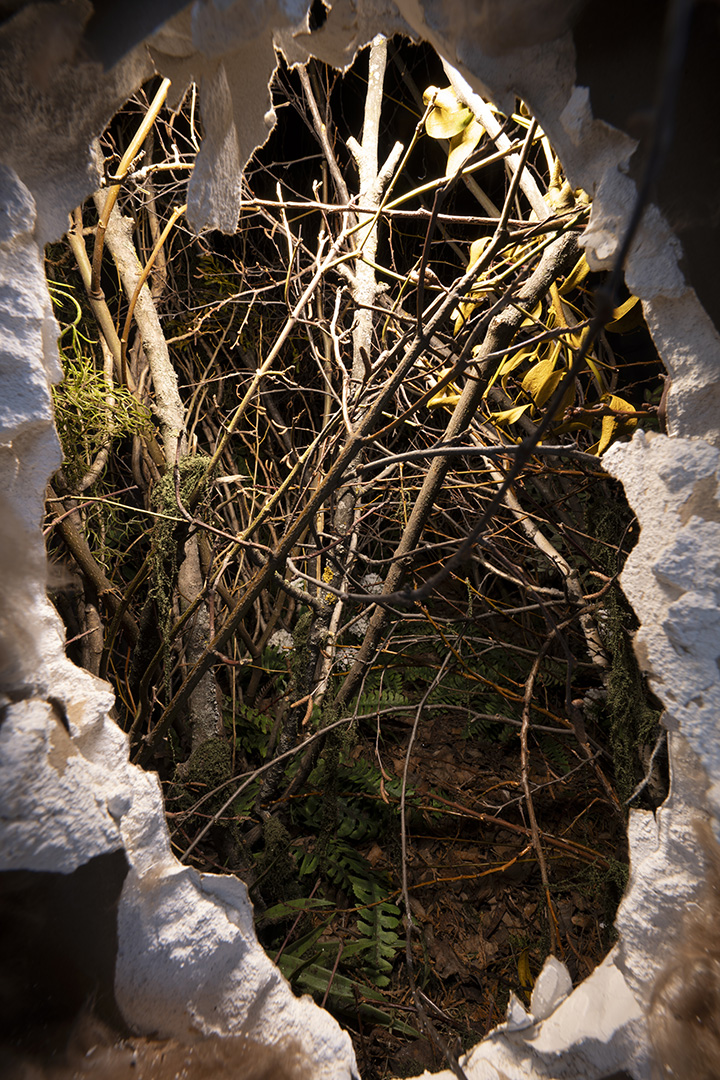
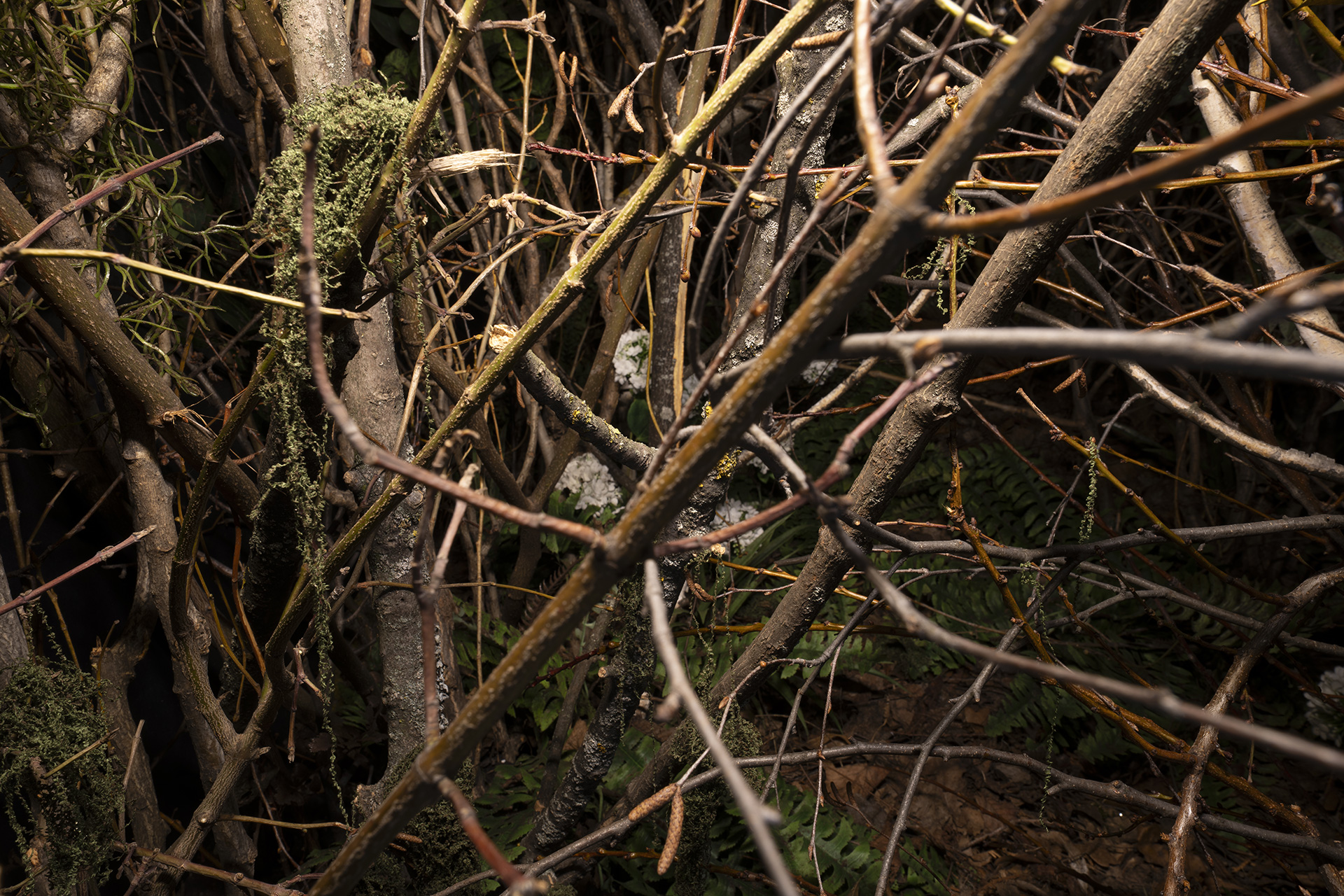
After the sweet, almost overwhelming openness of childhood memories, the space shifts — becoming more restrained and asking more of our attention. Álvaro Urbano’s work Untitled reconfigures the expectations of the viewer and what they can usually experience within a museum. A small opening in the wall reveals the floor of an unknown forest. This unexpected refuge shows a different kind of joy, the sort of tenderness that can only be produced by nature, during years and years of unrestricted growing. A fictional landscape that is free to be imagined from scratch. The ecological context of the museum is also incorporated into the artwork, since some of the vegetation and soil used in the installation have been sourced from nearby areas. And its sense of mystery invites reflection: Could it be that entire worlds are unfolding around us in different rooms,waiting for us to notice them?
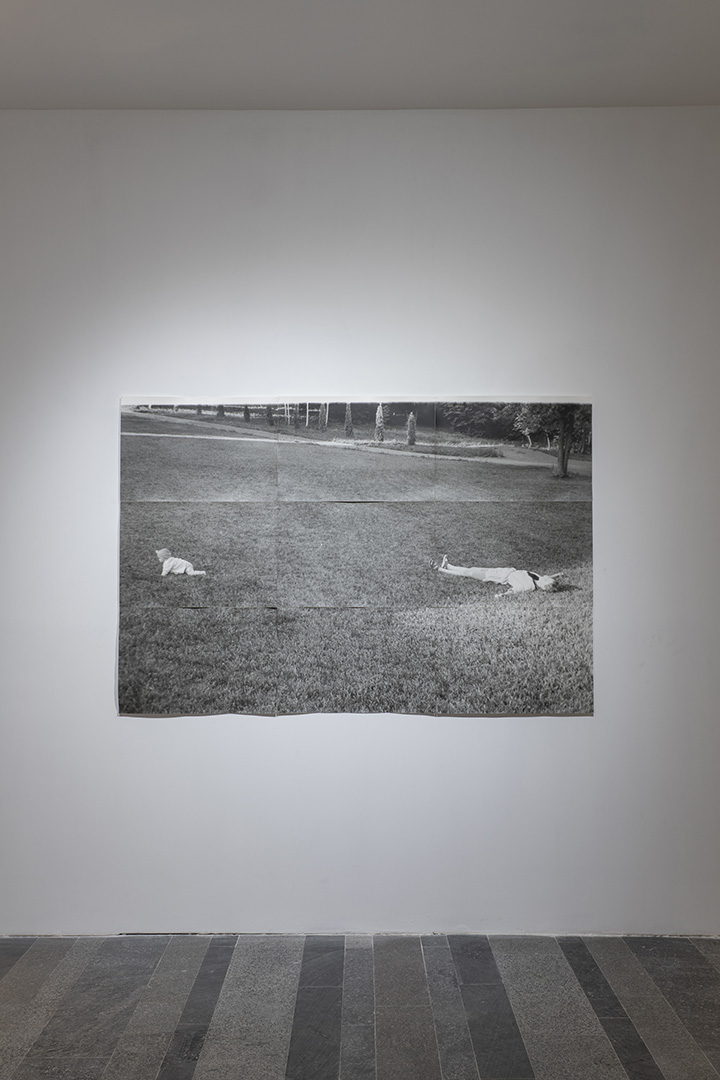
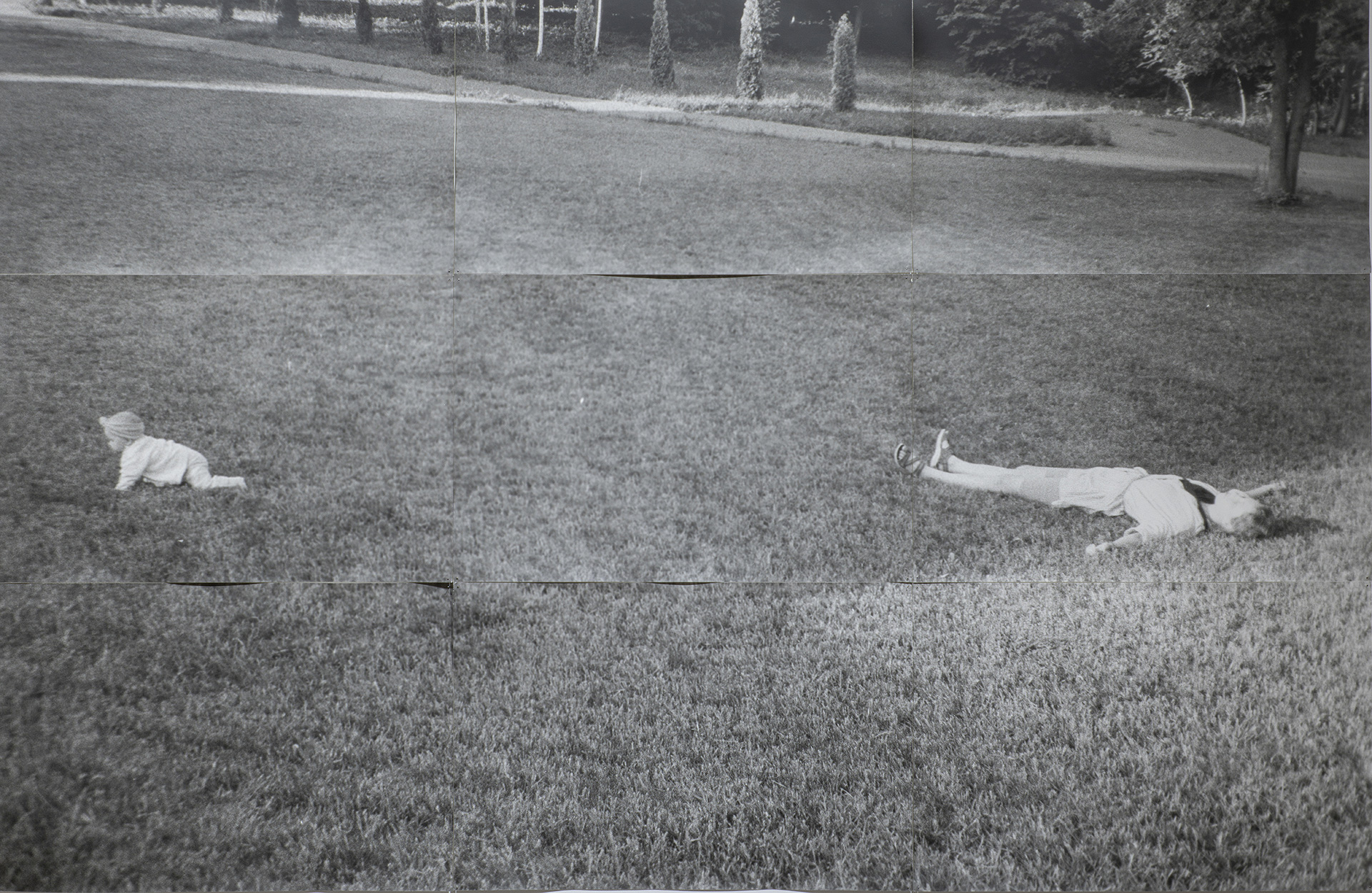
In Katya Lesiv’s work, there is a sense of liberation: letting go of fear, limitations, and prohibitions, returning to yourself. Her photo from the I am. Rada series is about involved motherhood and her relationship with her daughter, who appears as another person, independent, still unknown, and new. She needs protection and care, but also trust and acceptance. This is a story about connection and the joy of closeness, whether side by side or apart.
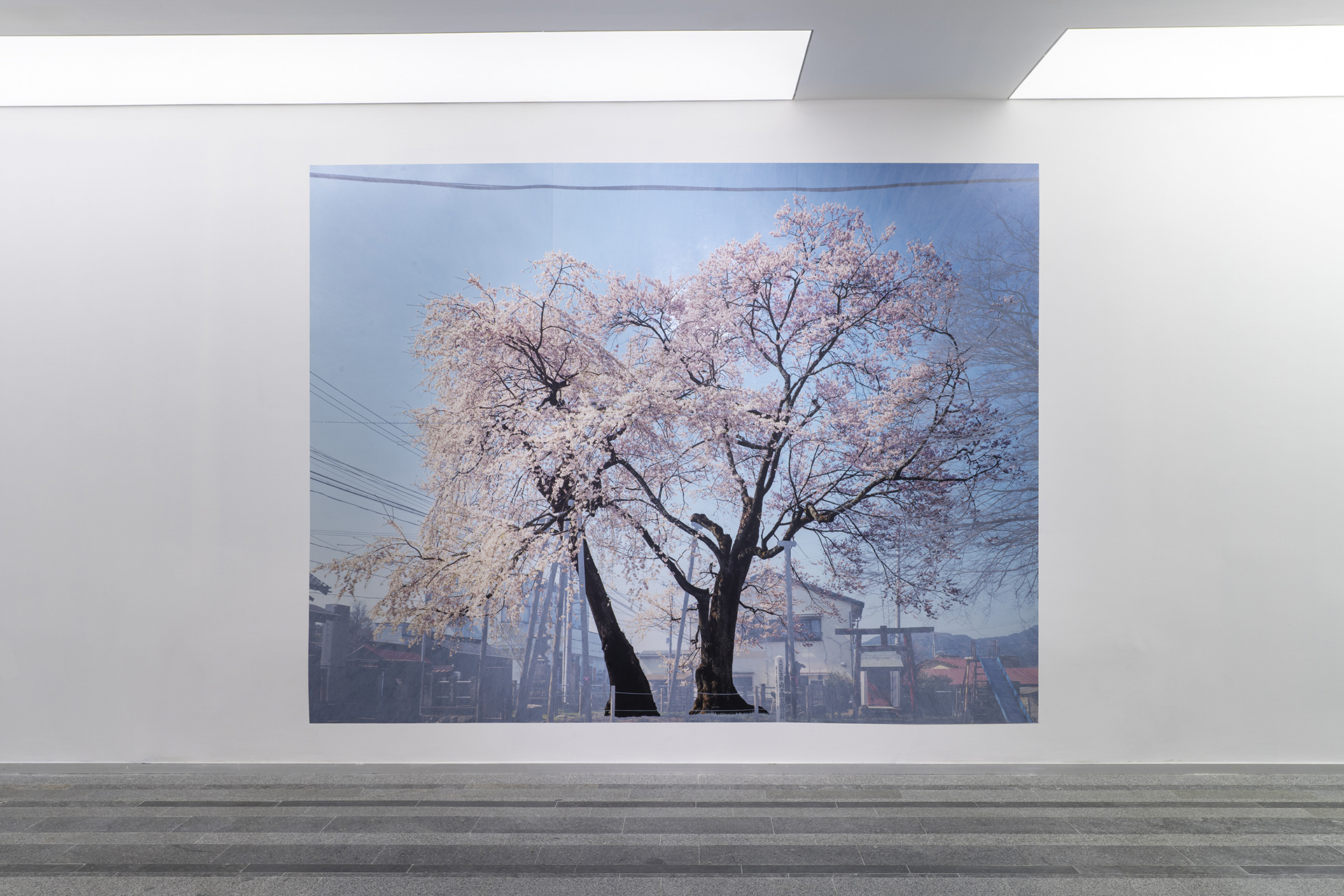
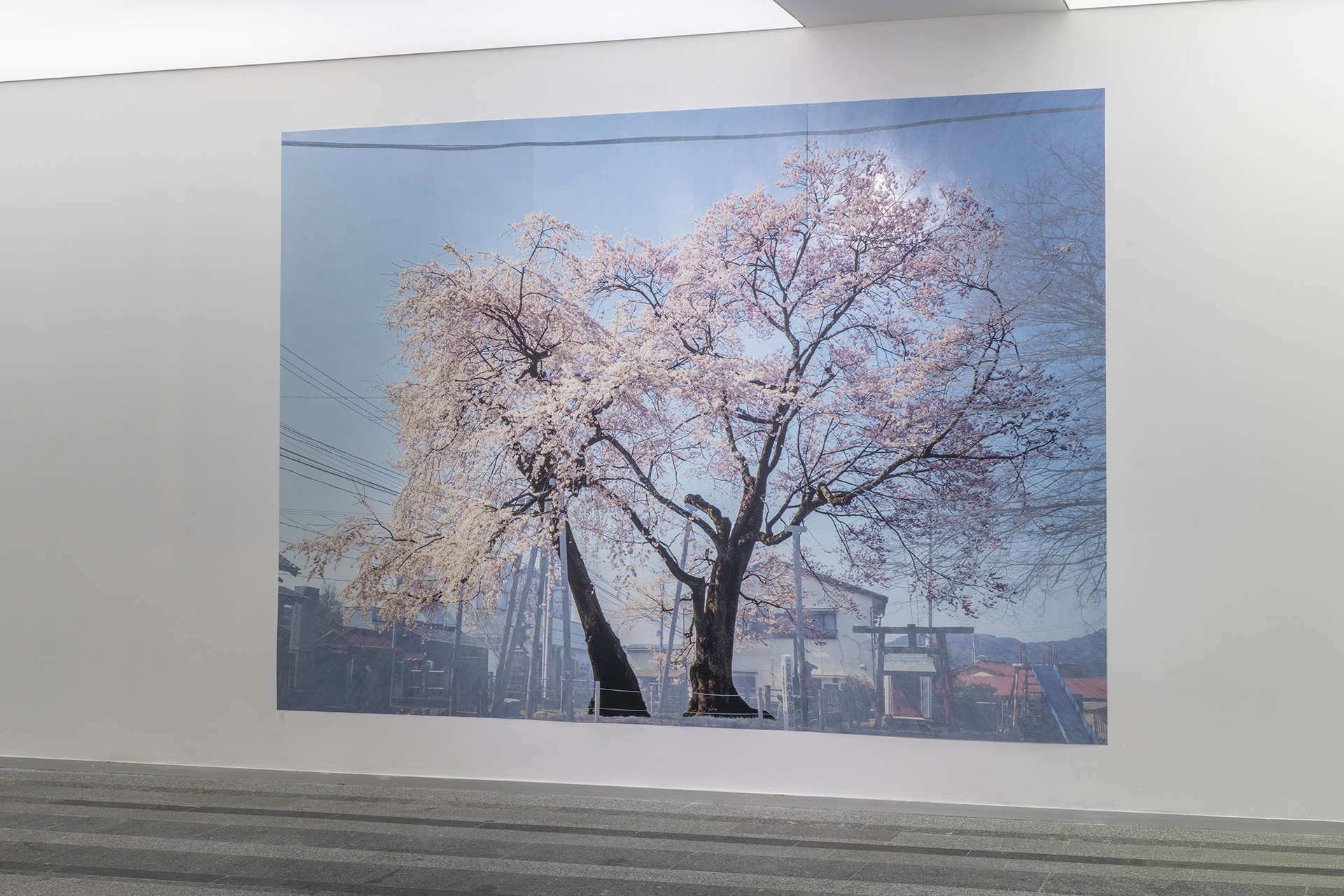
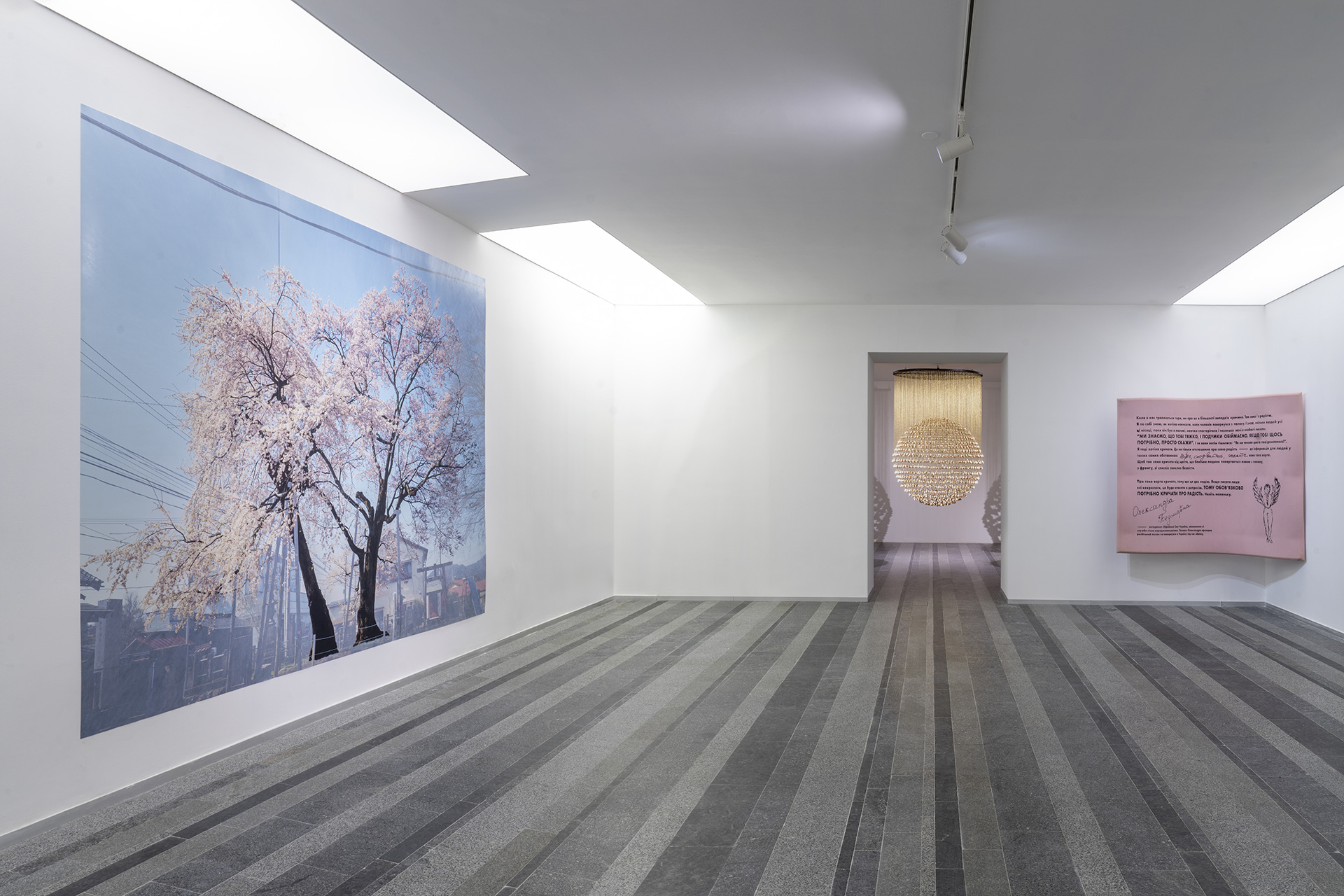
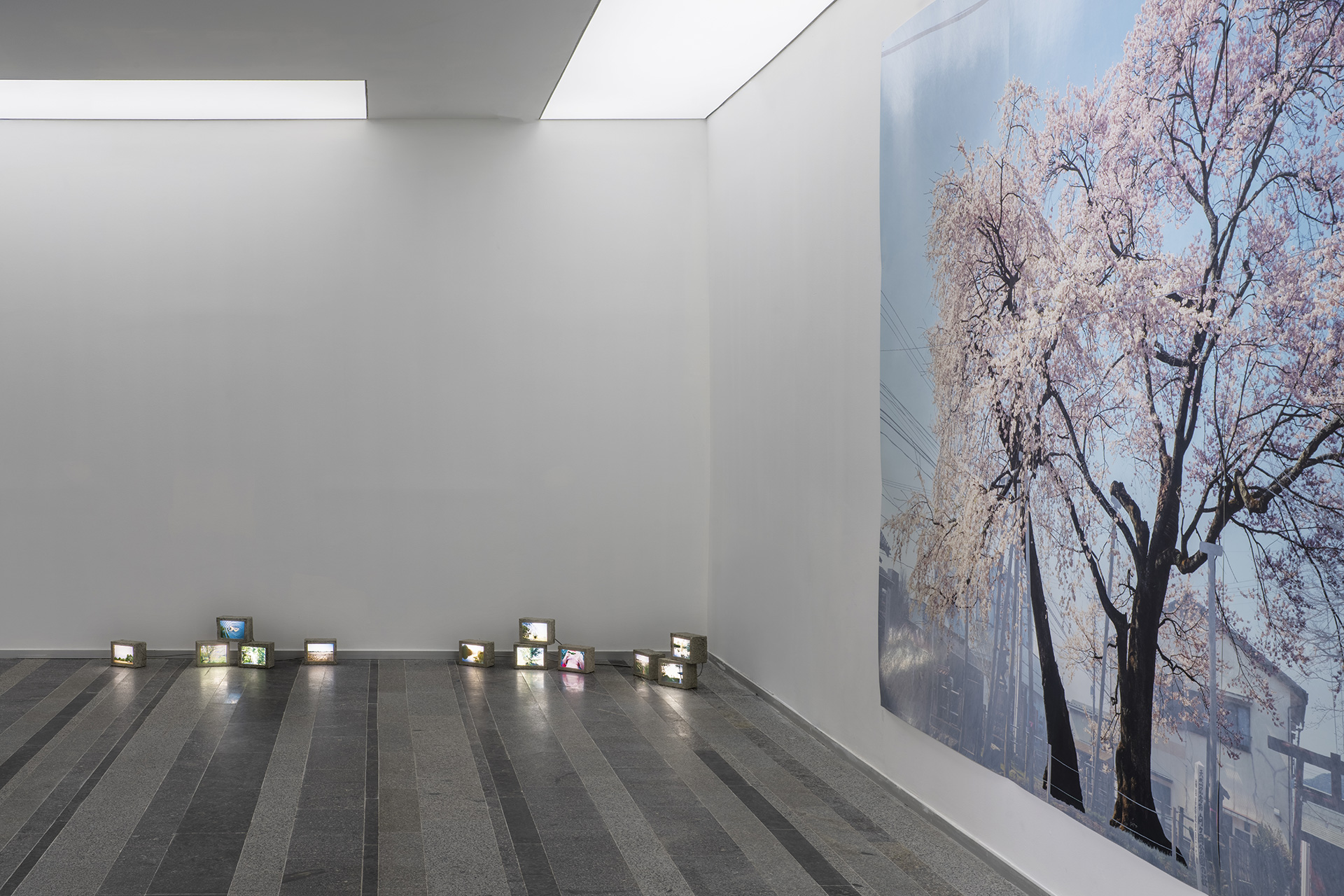
This floor is about roots that run deep — and the quiet labor of carrying one another forward. The first work you can see is Sakura (Mukogaoka Twins) from Tacita Dean’s long-running series in which she photographs centuries-old sakura trees in blossom. A careful support system for the branches prevents very old trees from breaking under their own weight, helping them live a long, dignified life. Despite the almost instantaneous production process, in Tacita’s work photography is like a performance. Each image is made photochemically. The background is then colored out in white or pink crayon to foreground the tree. The process takes time, attention, and endurance. And it is from all this that the joy of presence and coexistence is often born.
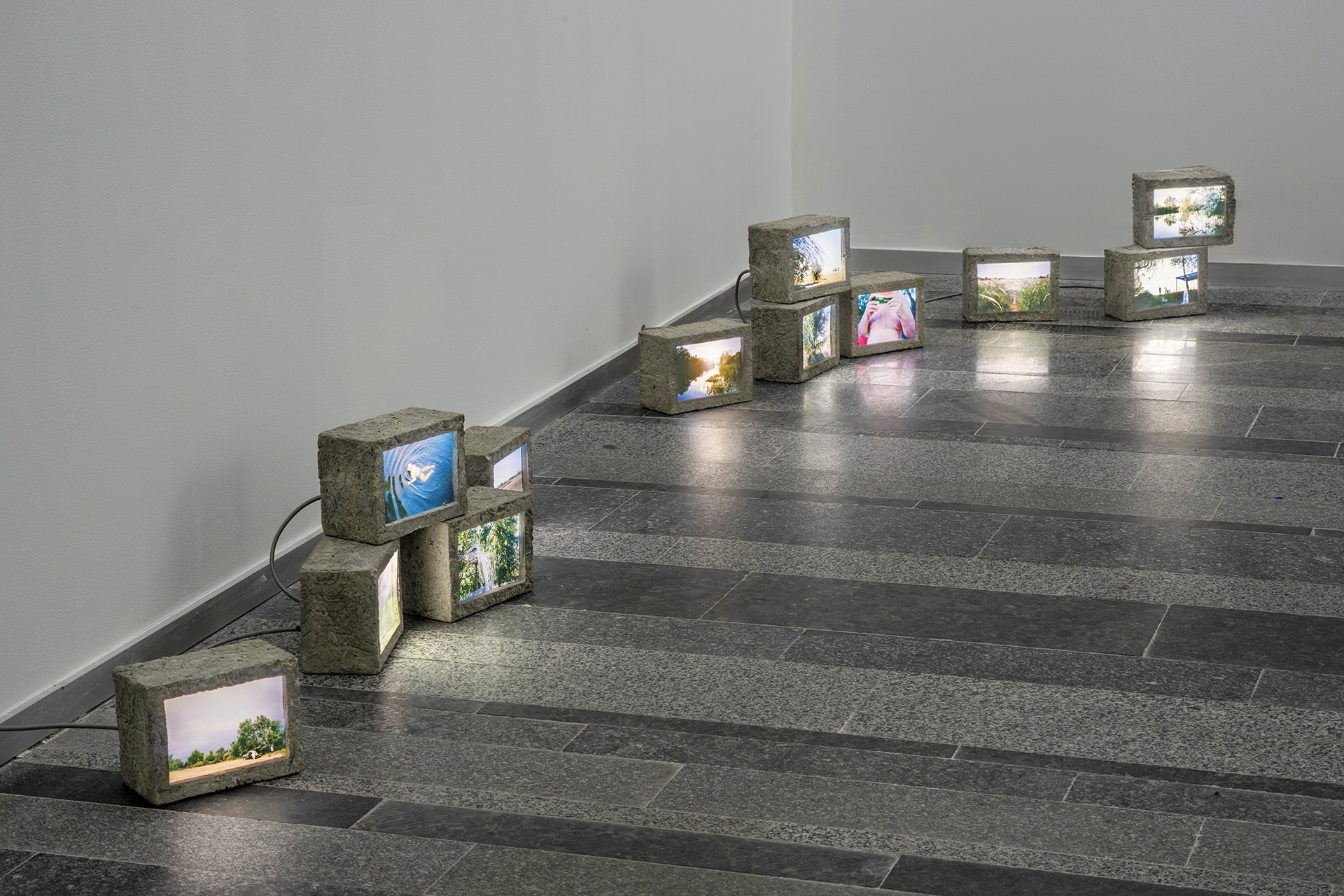
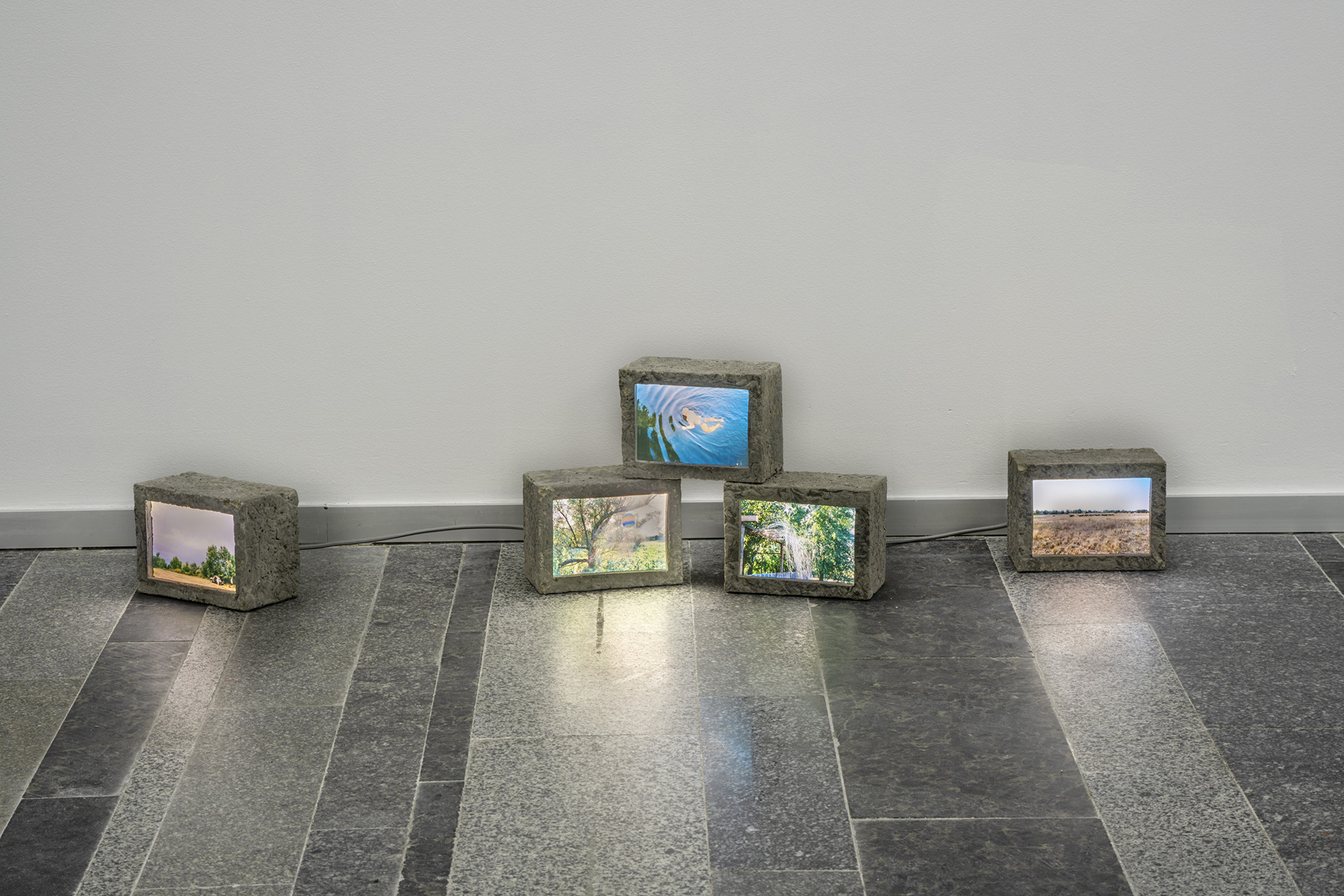
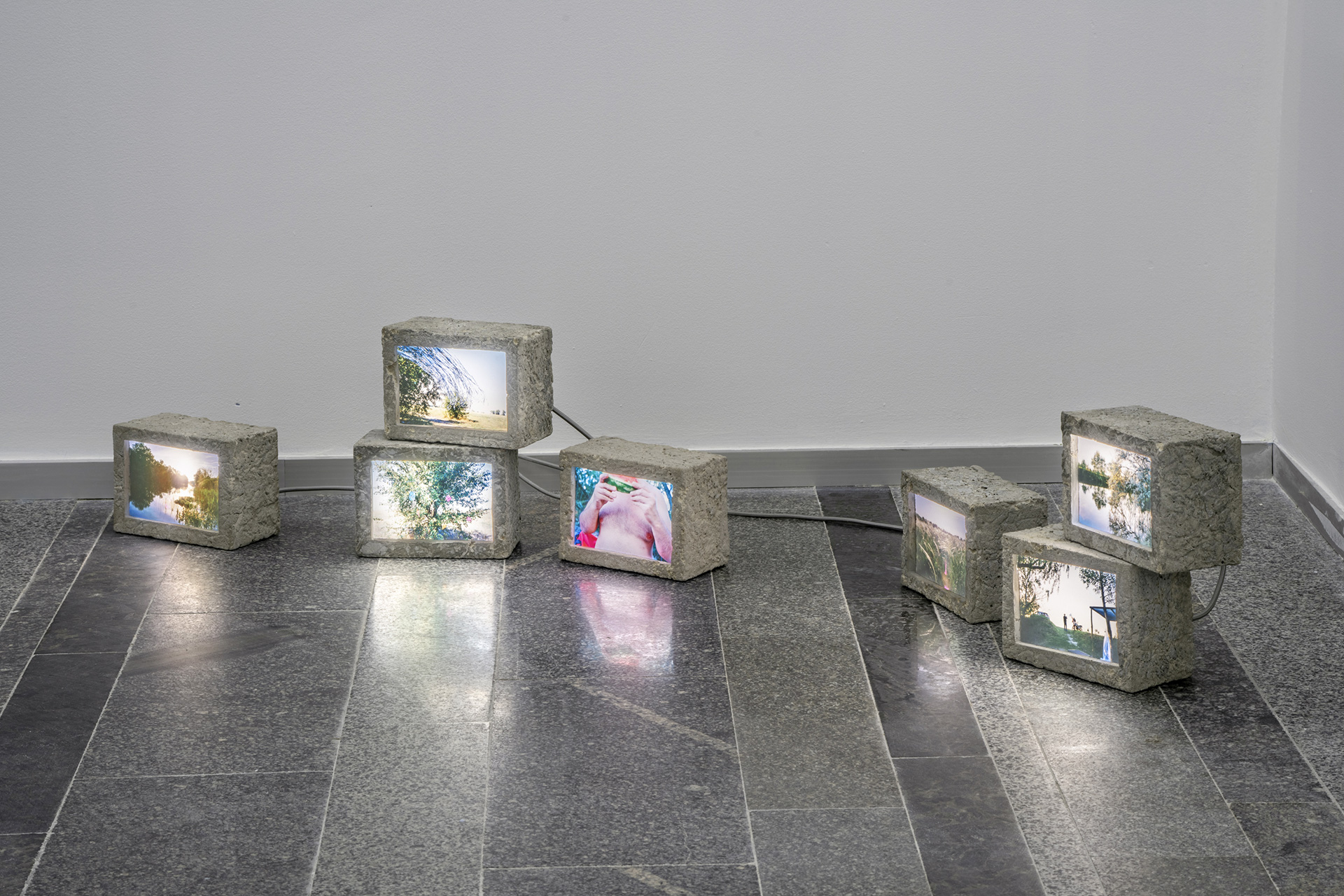
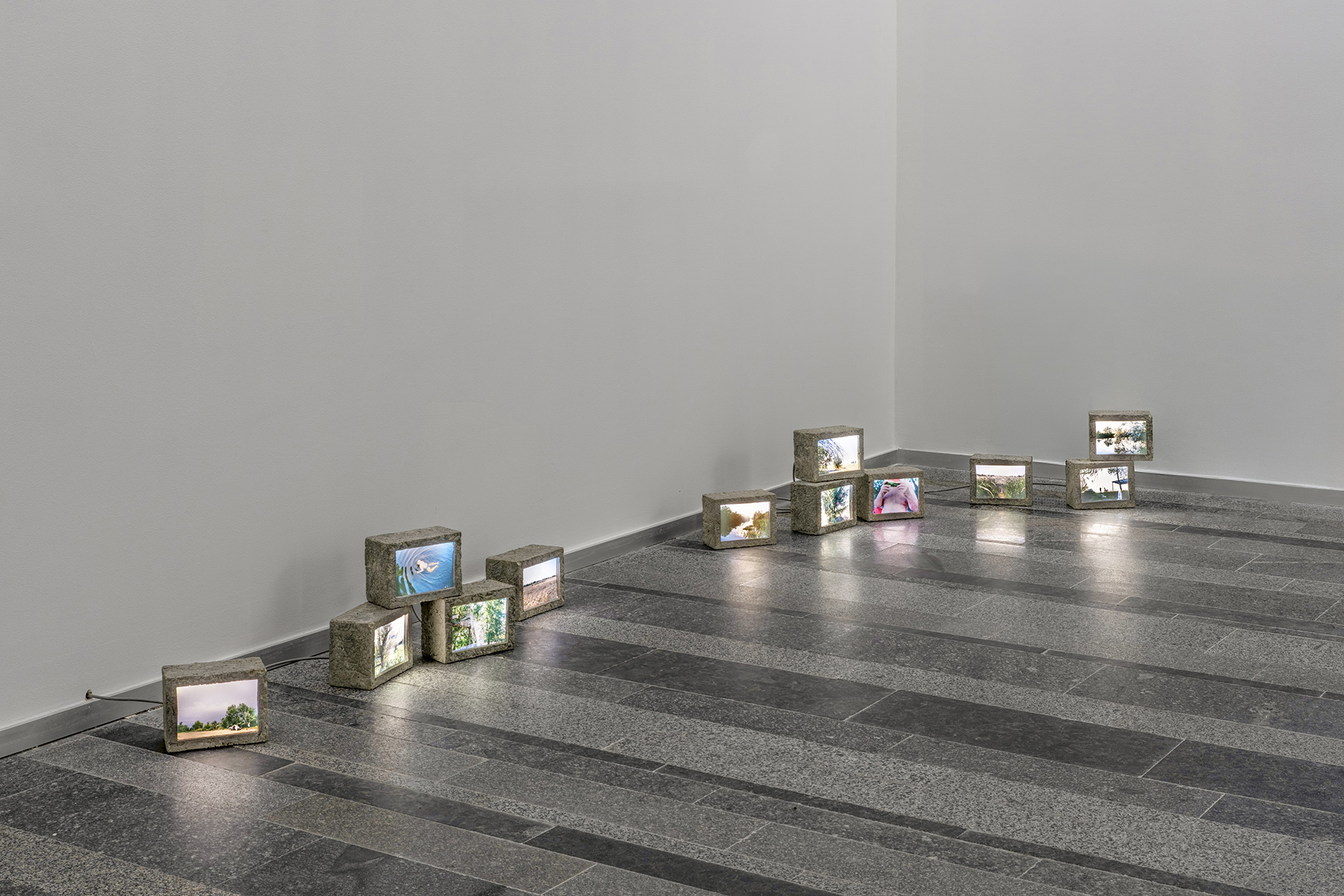
Similar devotion and tenderness can be observed in Tamara Turliun’s Nature Reserve. In the photos, we see the artist’s summer vacation with her family. Lightboxes become small but solid monuments that stick together and form strange architectural structures with a warm, soft glow. The landscape of the Dnipropetrovsk region, where the family spends time on holiday, is changing not only because of the movement of Russian troops but also climate change and agricultural activity. Our memories remain the most enduring pillars in an unstable world.
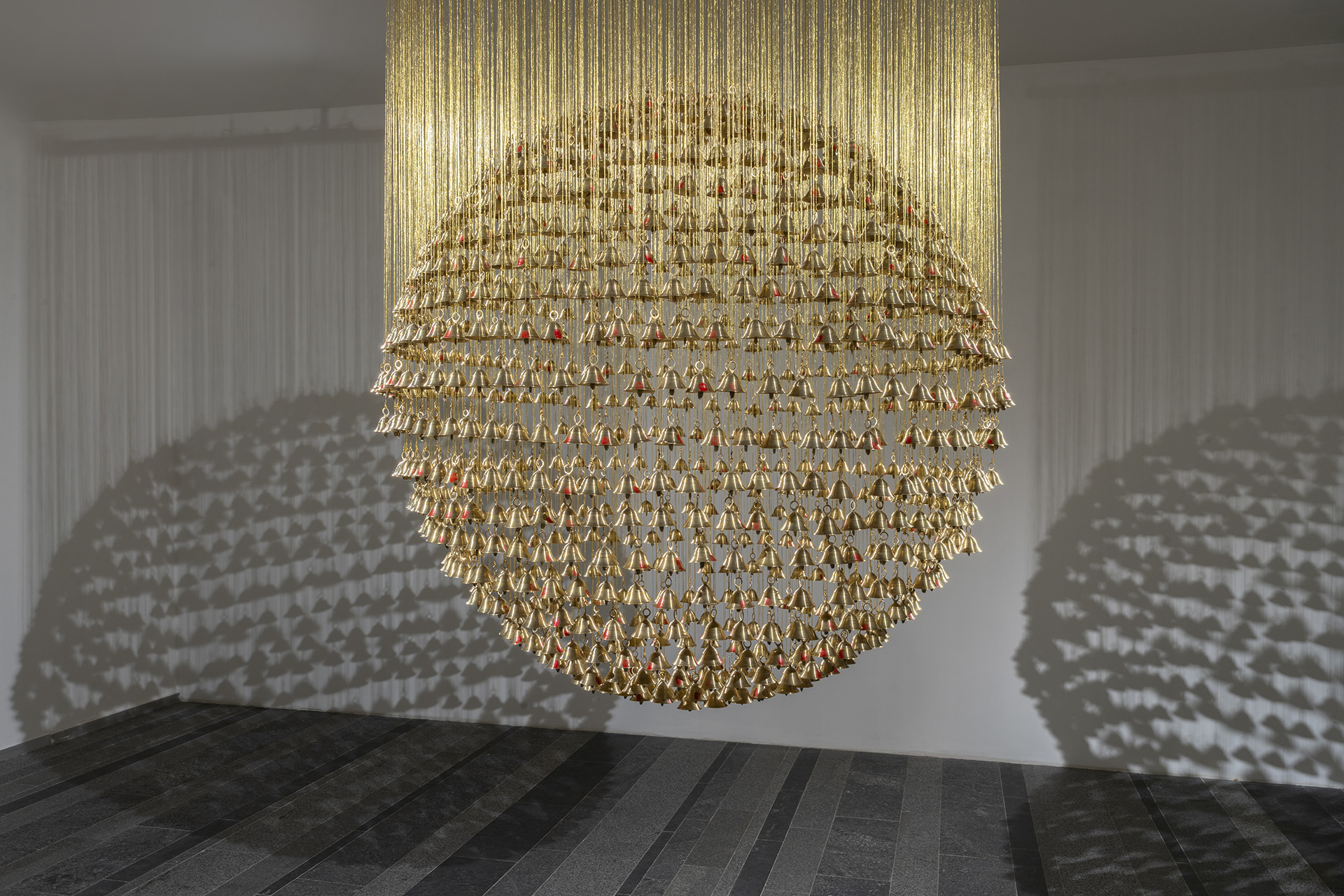
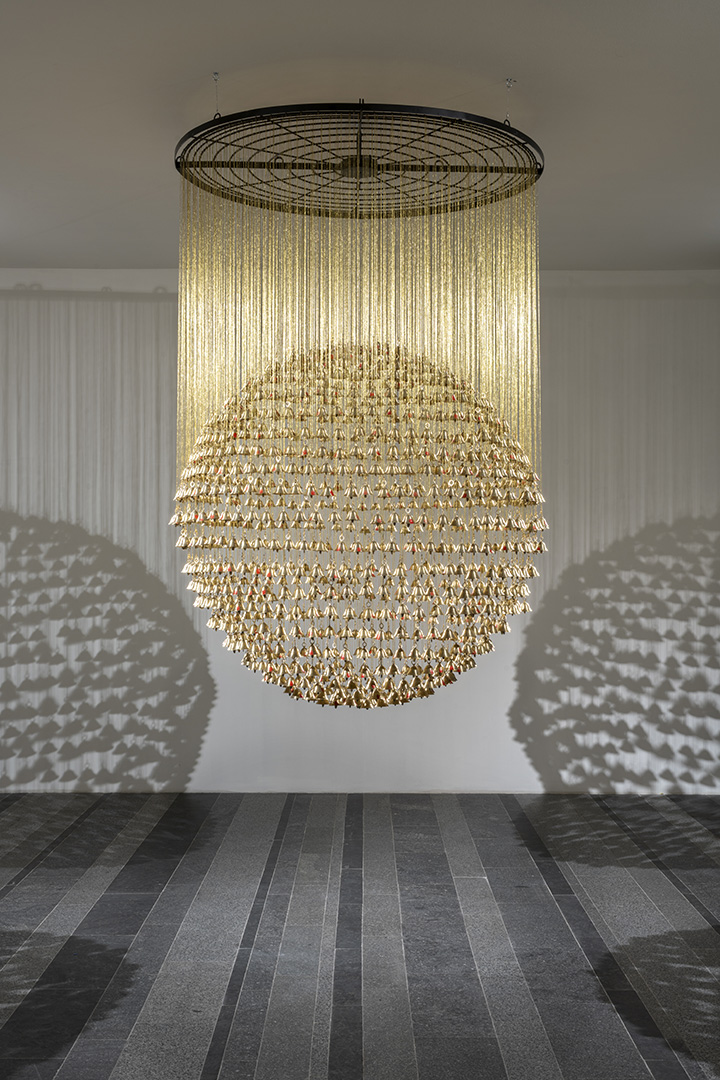
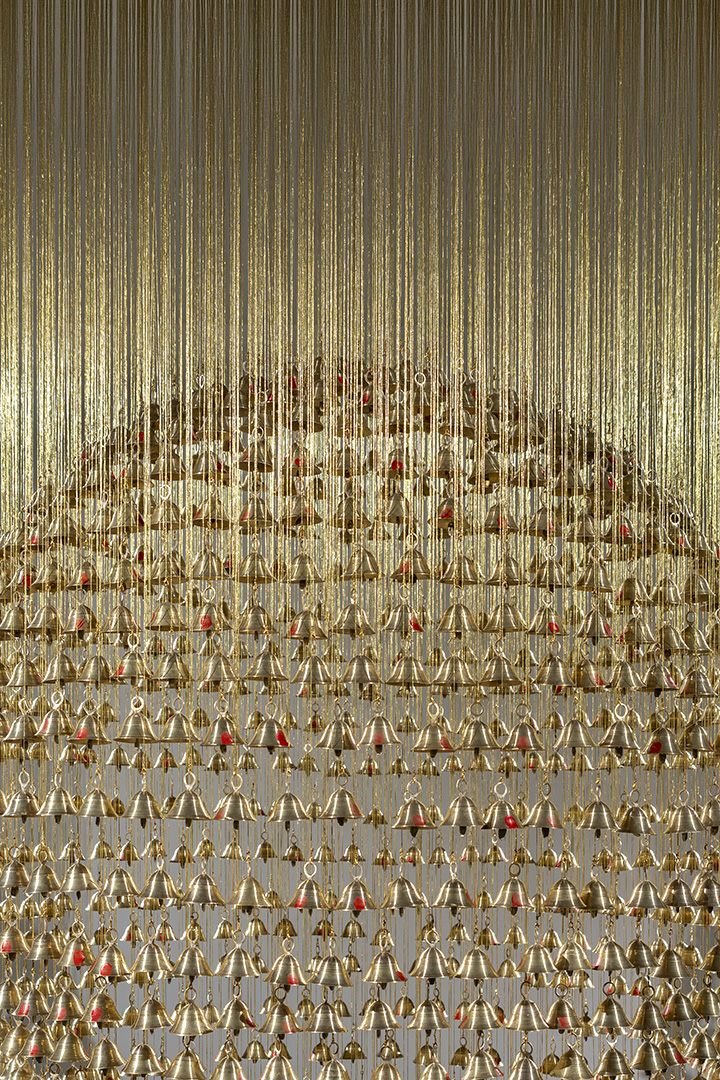
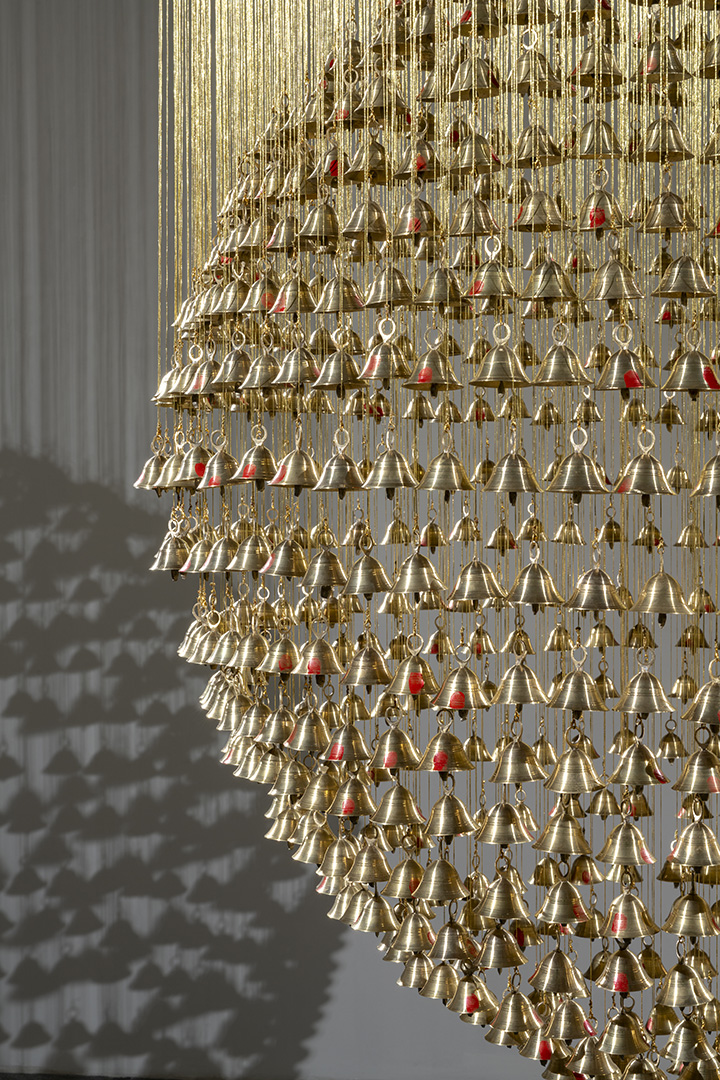
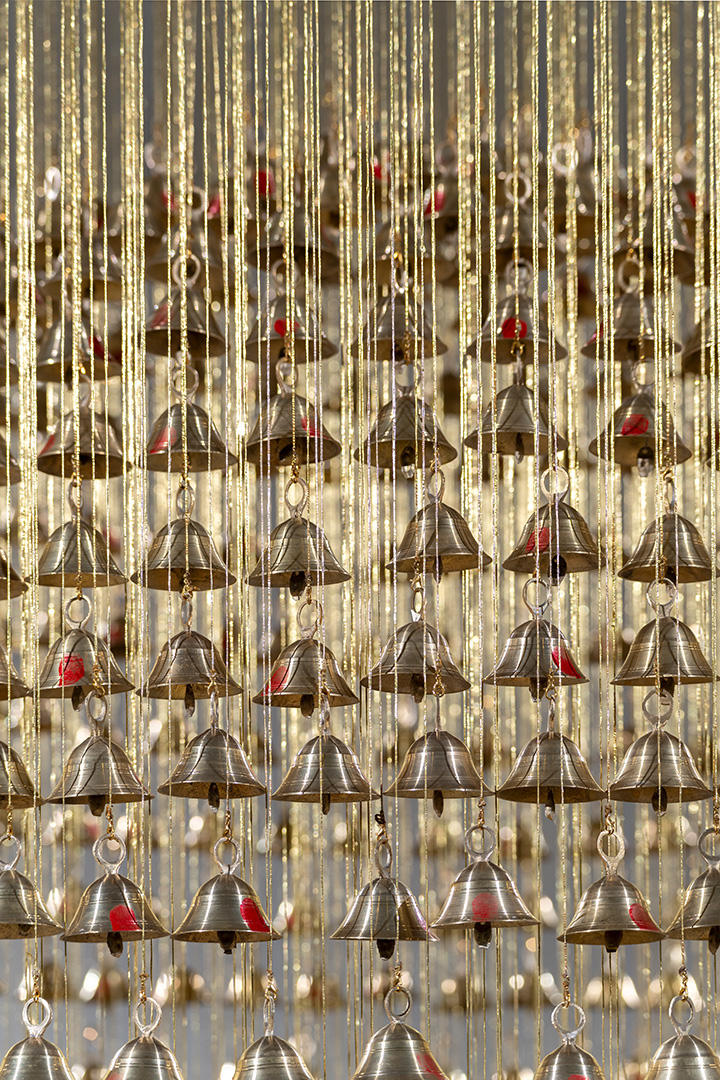
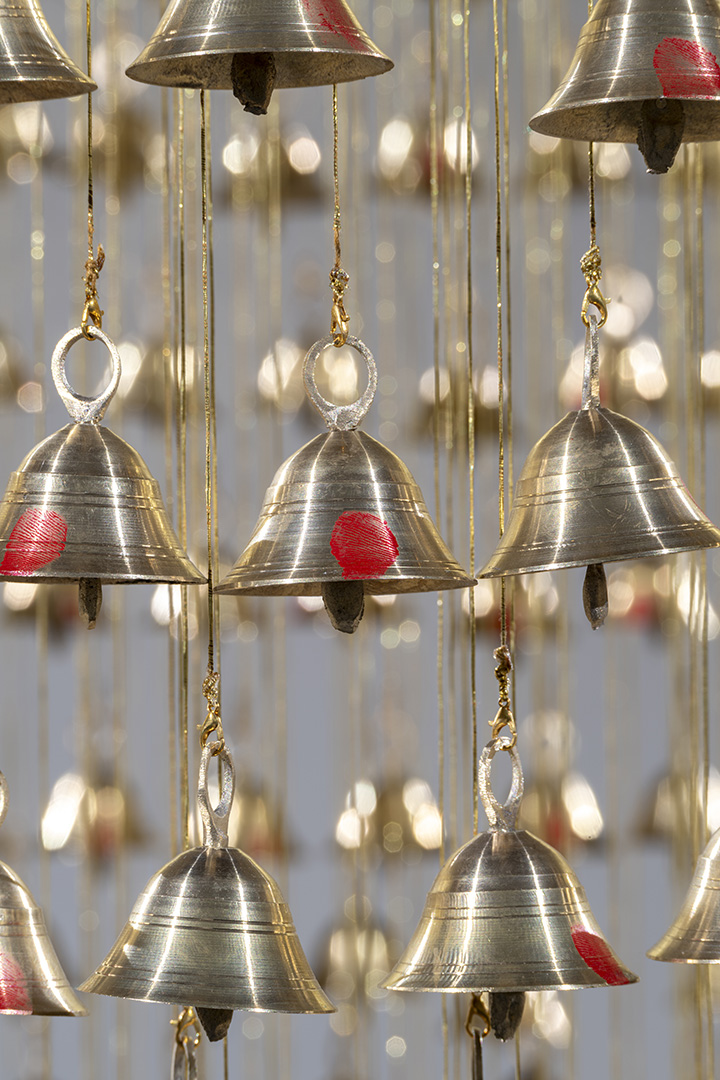
Ashfika Rahman’s work Than Para — No Land Without Us consists of over eight hundred temple bells. They hold the memory of the last gathering of a community from the borderlands of Bangladesh — people who were forced to leave their homes because of coercion and fear. Before leaving, the local residents left fingerprints on the bells — a silent testimony: “we were here,” “we remember one another.” Together, these bells form a large sun — an installation that, even when stationary, seems filled with a faint, sad chime.
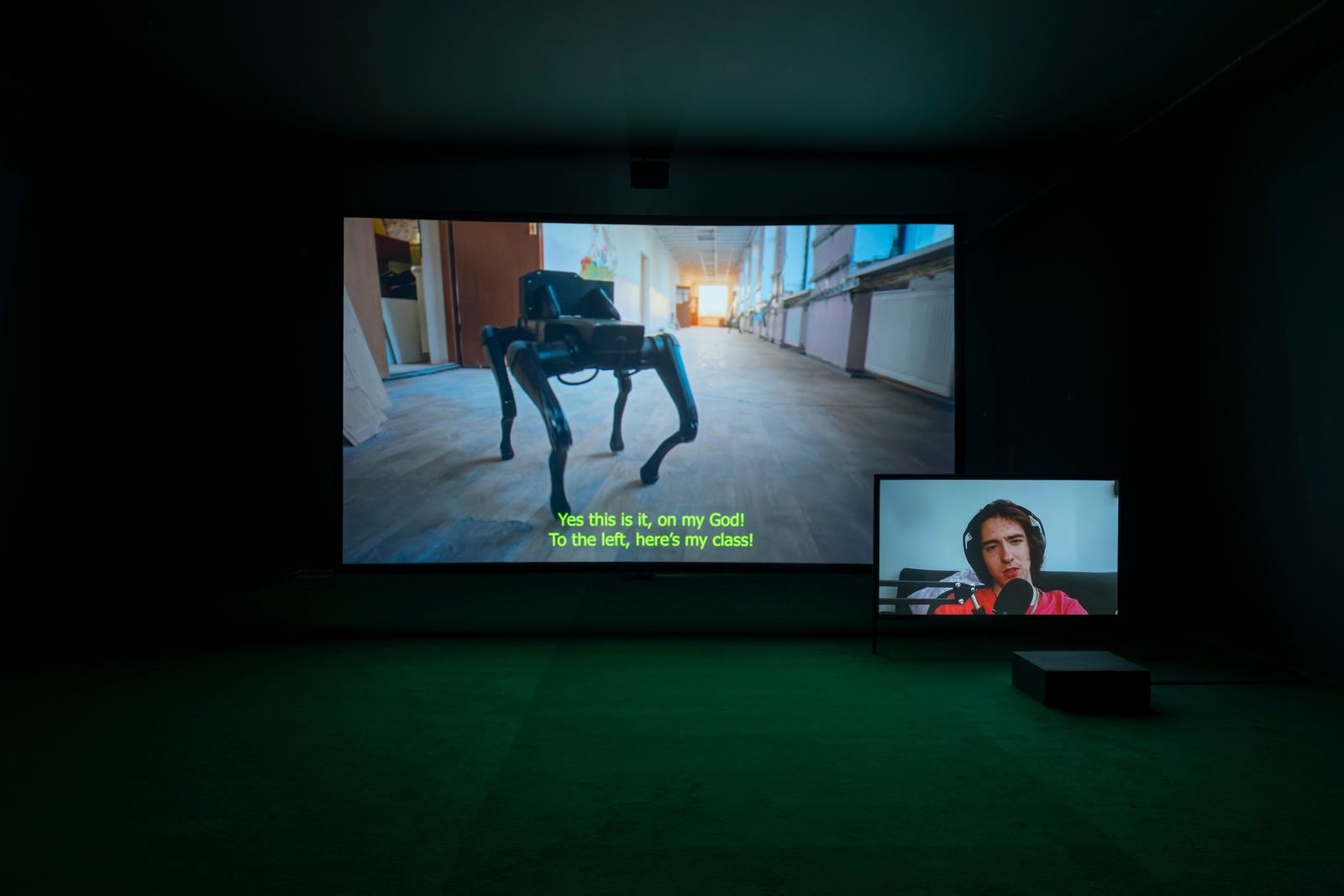
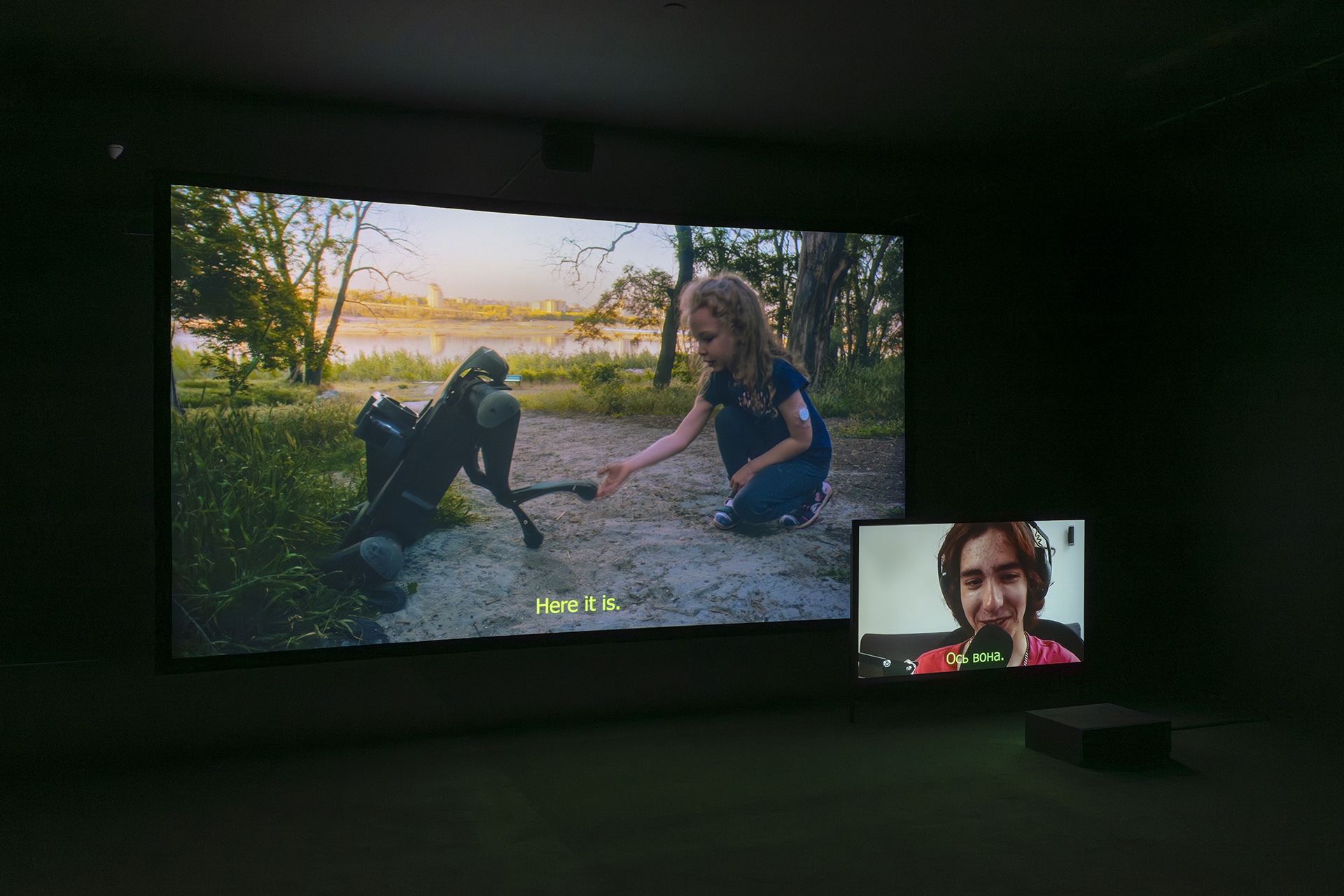
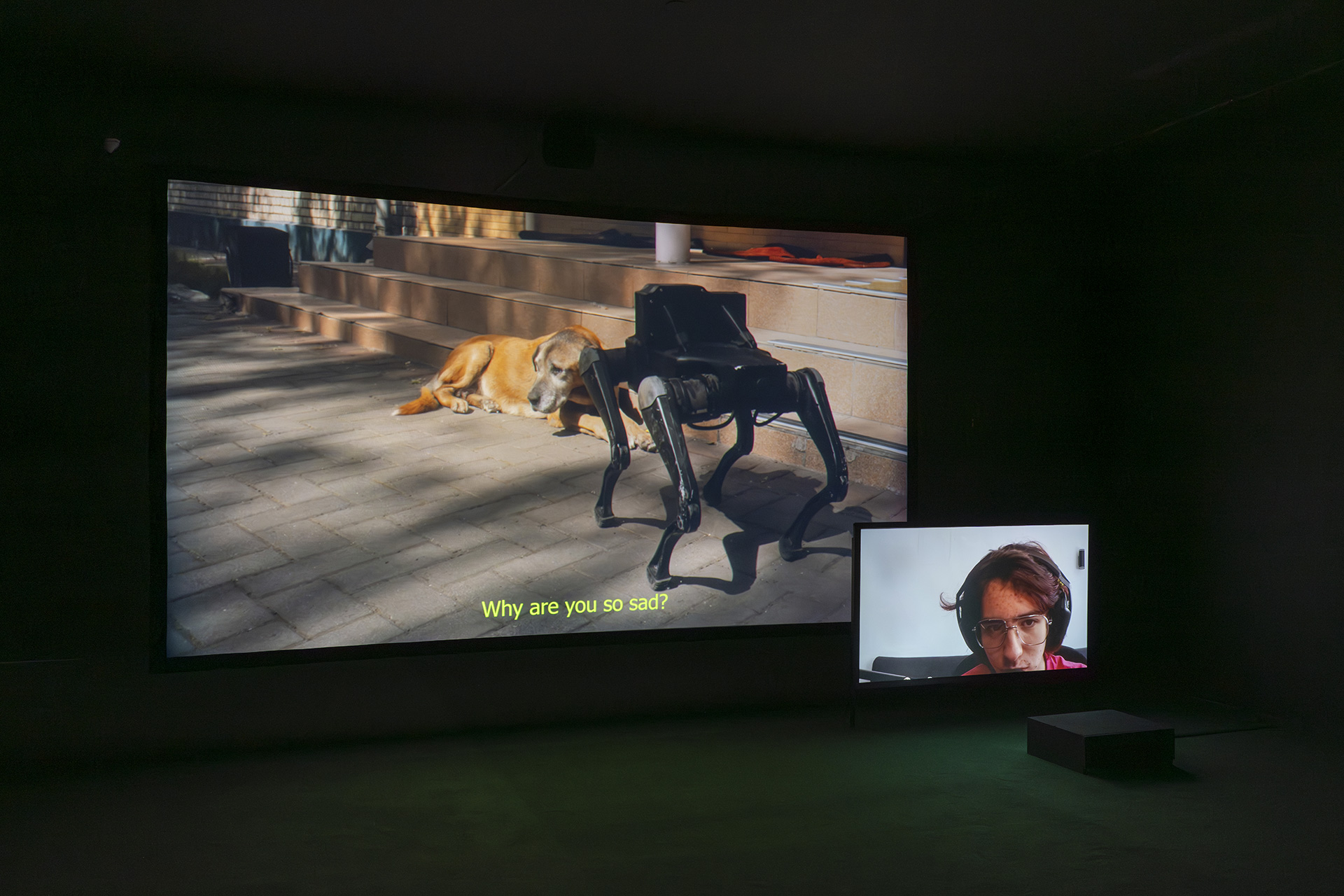
Open World by Yarema Malashchuk and Roman Khimei is more than a work about resettlement; it is a situation of return created by the artists. Against the backdrop of the total loss of home, they offered something special to a teenager who left Ukraine after the start of the full-scale war: to return home through the “eyes” of a mechanized robot. He controls the robot himself, speaking to the people around him through it. This technology was created for war so that machines could perform dangerous work and save lives. Now, it becomes a memory tool: it helps the boy to reestablish an emotional connection with home while maintaining a safe distance and his new peaceful life.
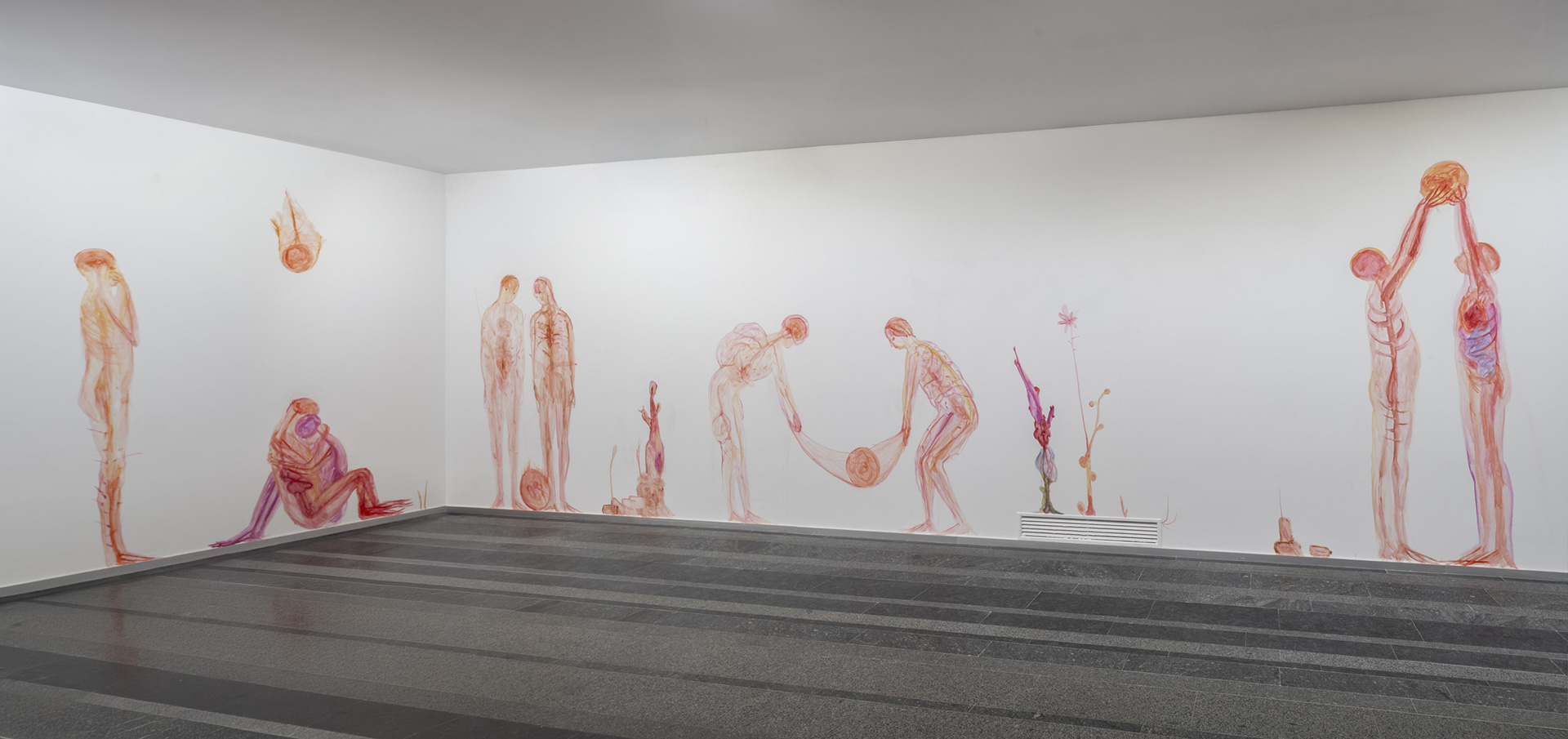
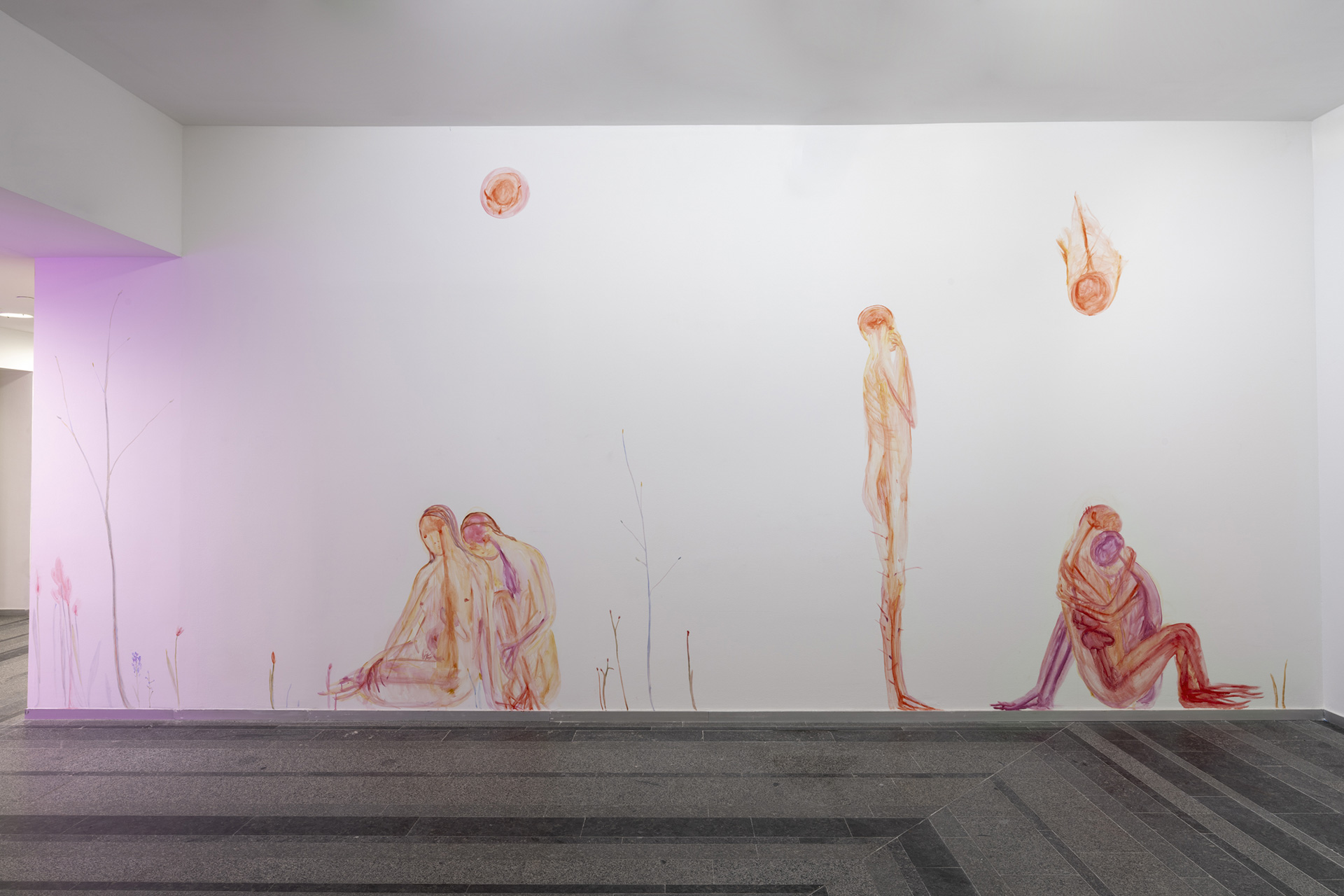
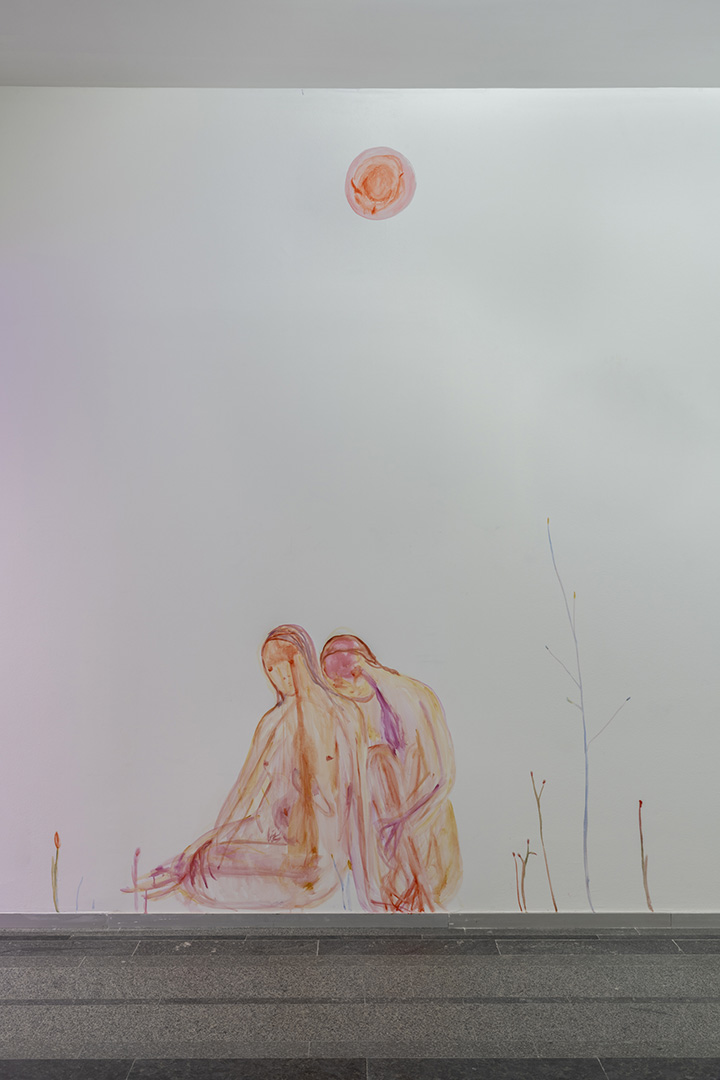
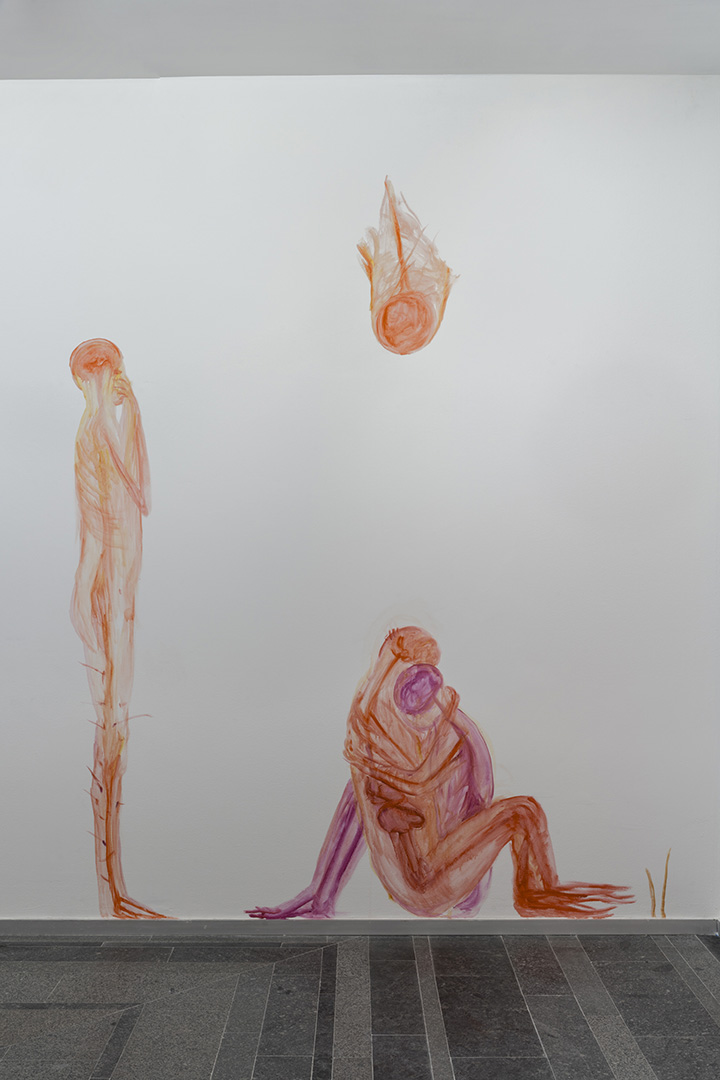
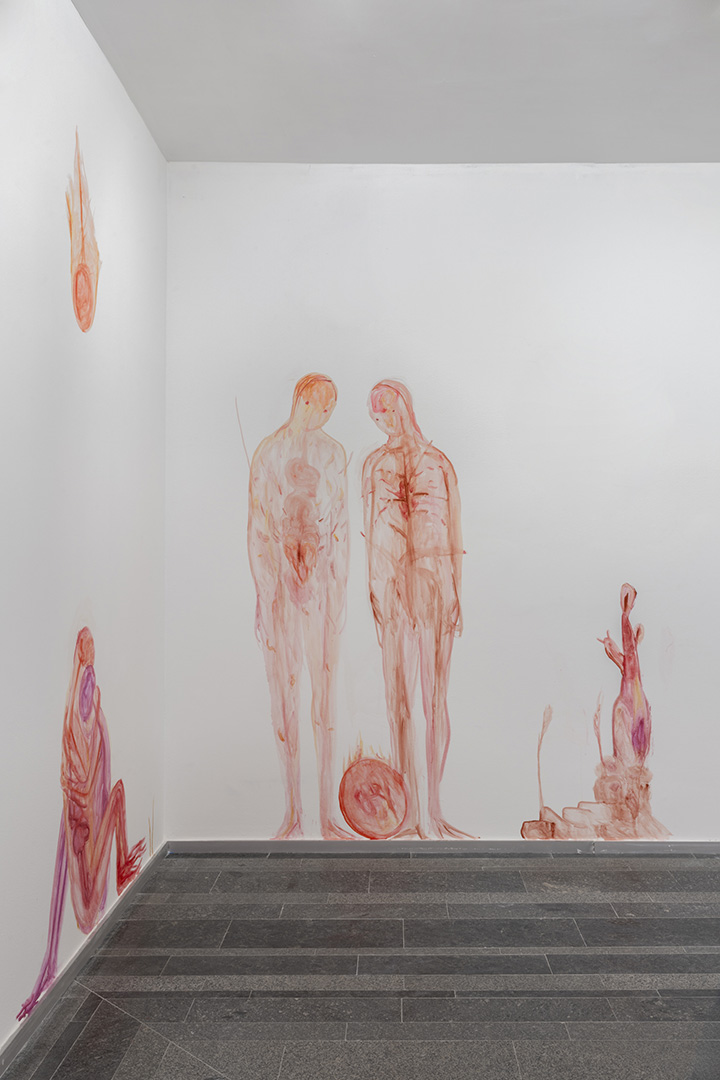
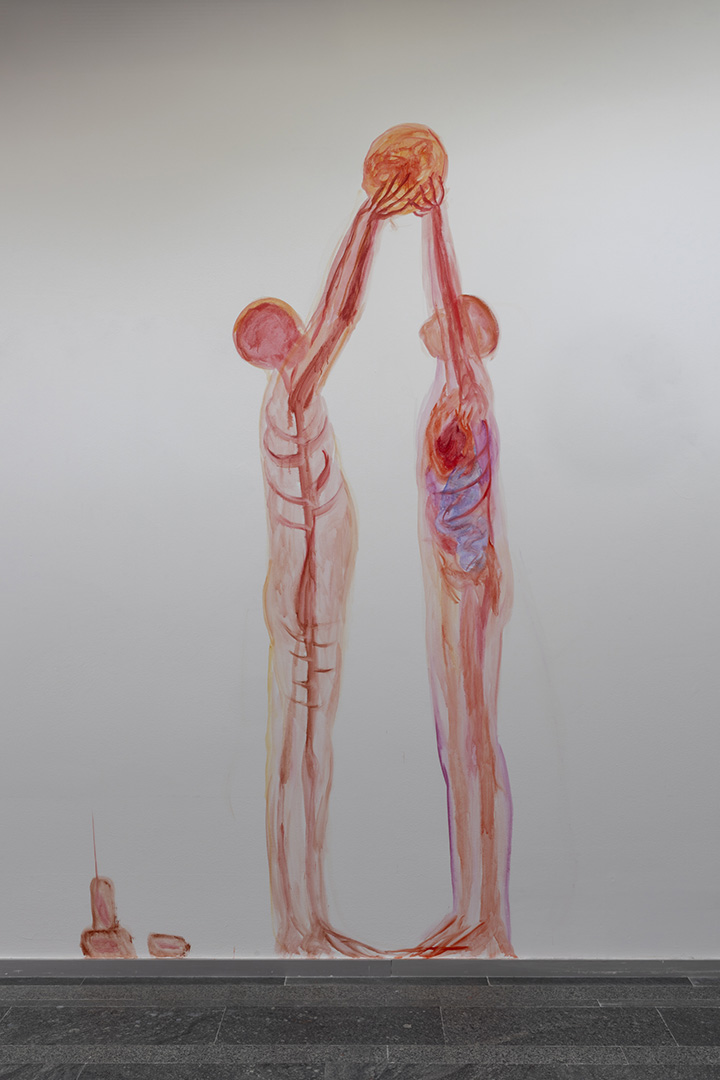
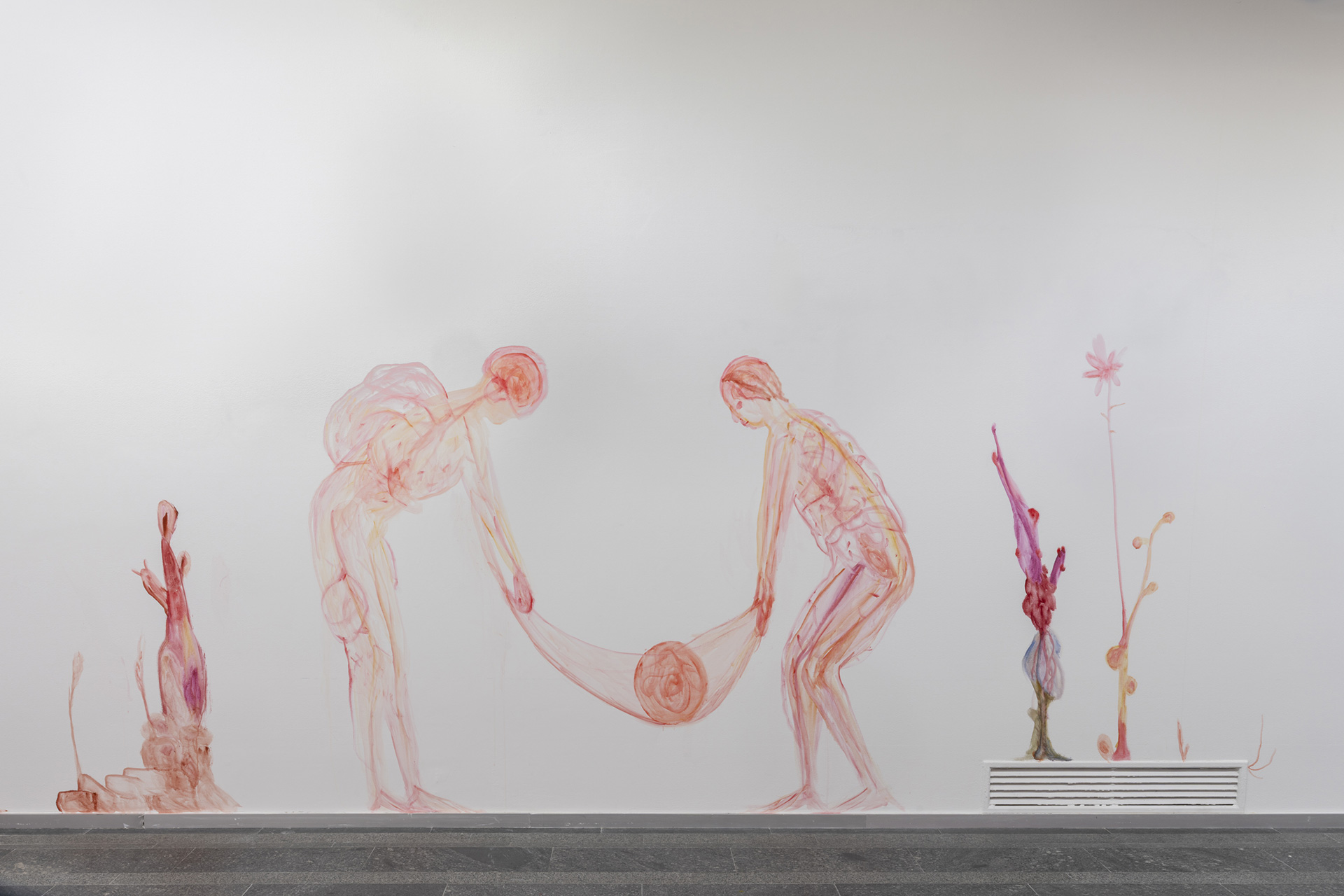
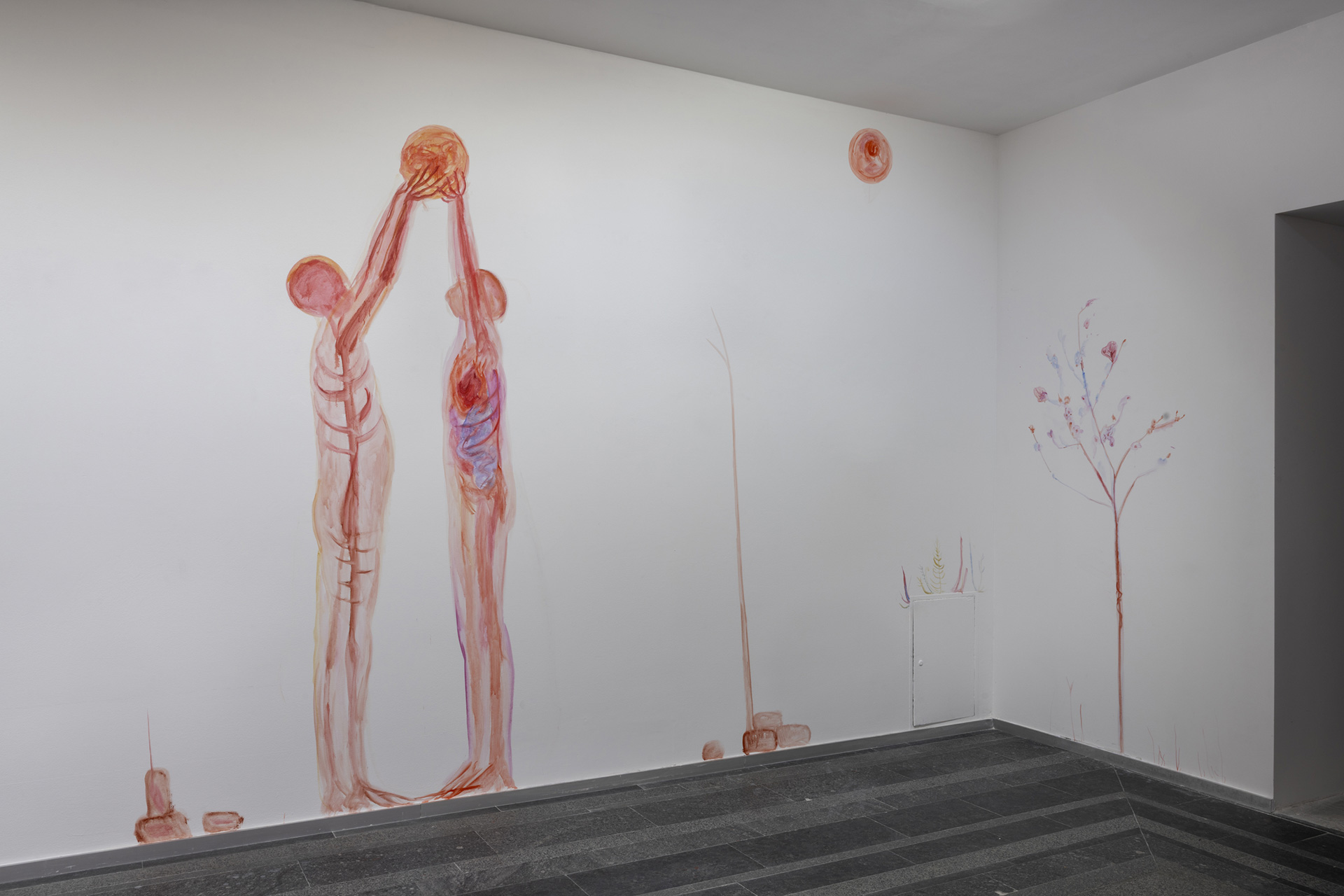
The heroes of Kateryna Lysovenko’s People, Trees, Buildings and Events mural are the “new” servicemen, –– those who used to dream and imagine themselves in many other civilian roles. This room is about marks on the body that leave traces and tell stories, both metaphorically and literally. In Lysovenko’s narrative, when rescuing the sun as it fell from the sky, the clothes of the people doing it gradually became covered with camouflage. It is as if the pattern emerged from within, making the invisible a recognizable marker of change.
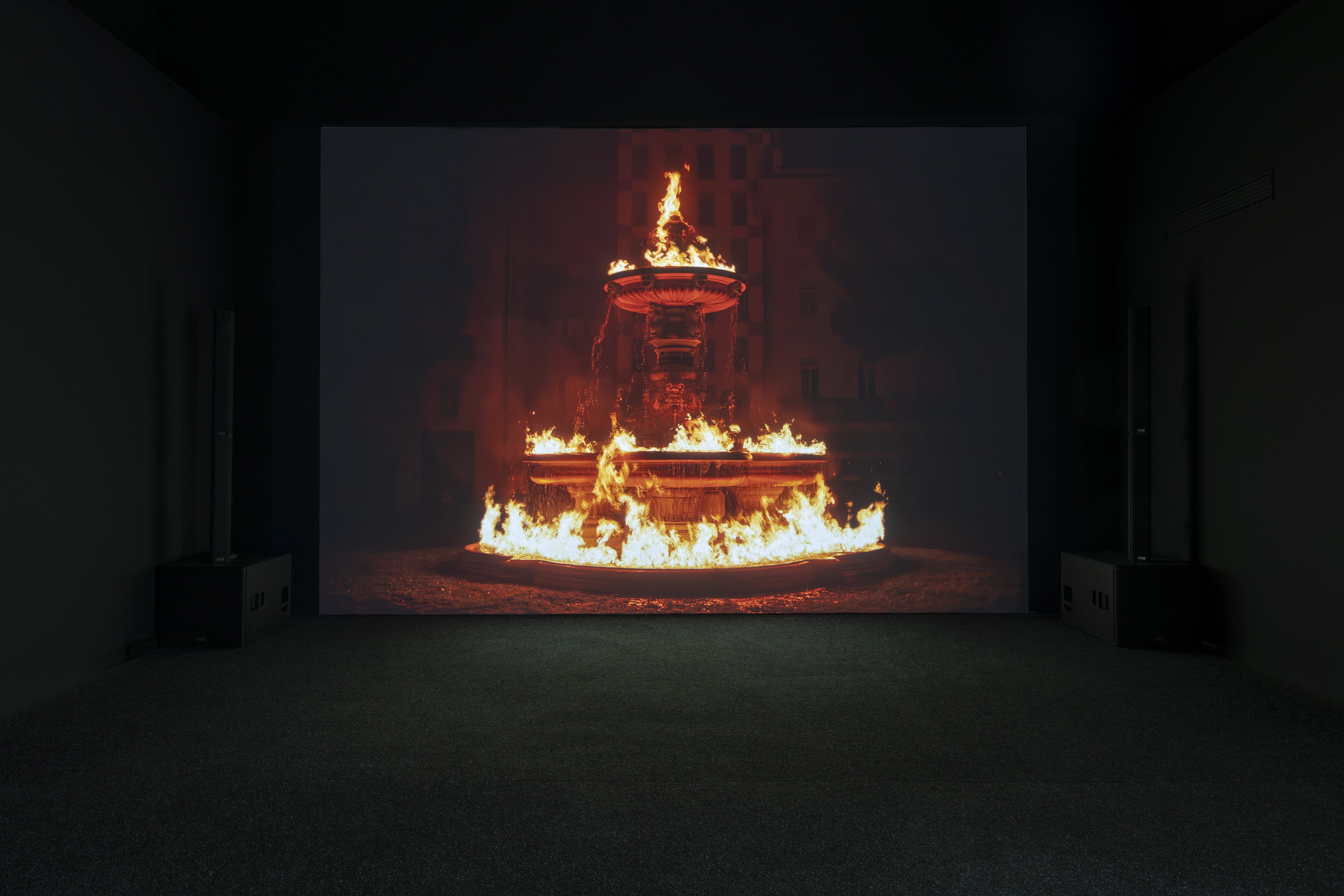
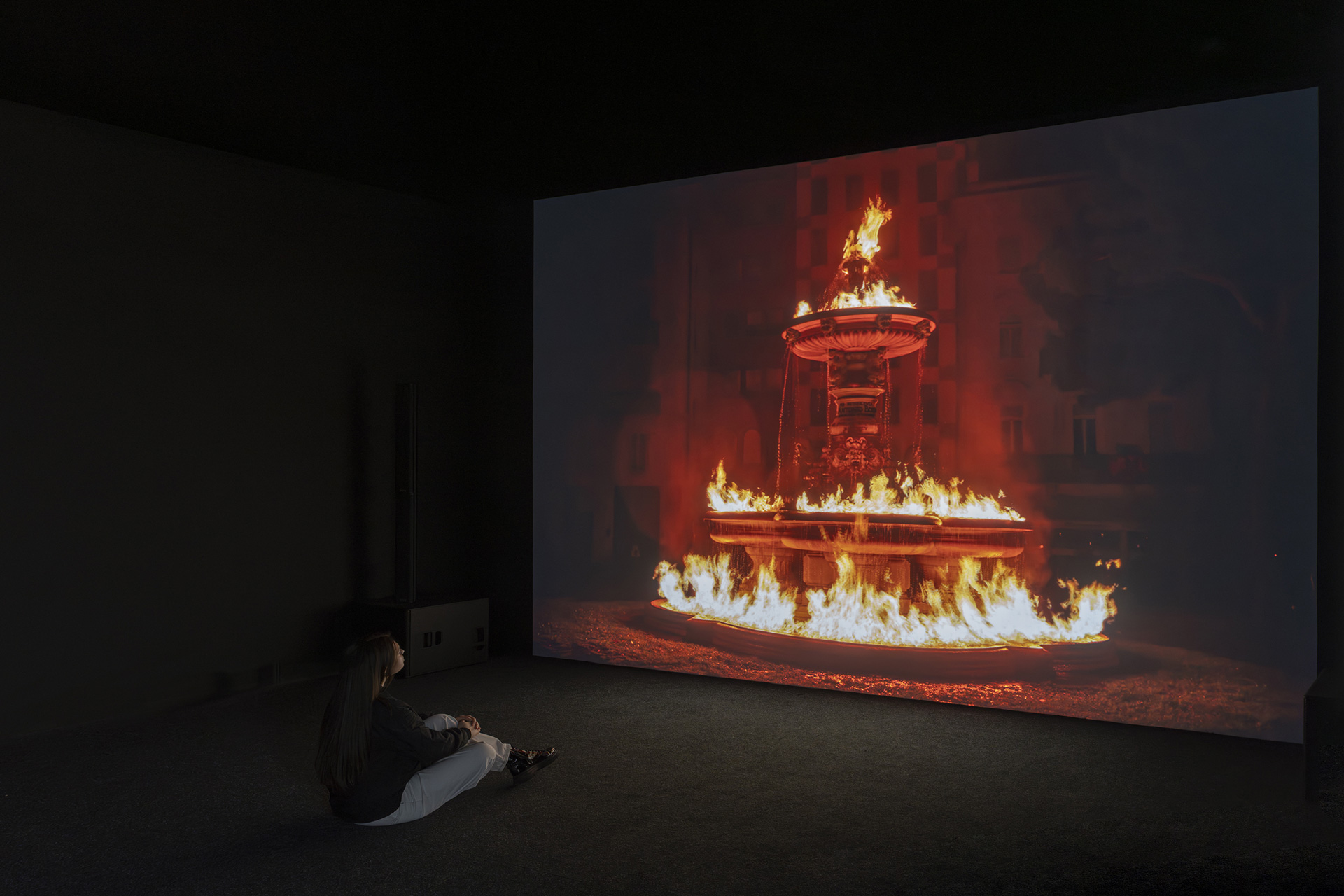
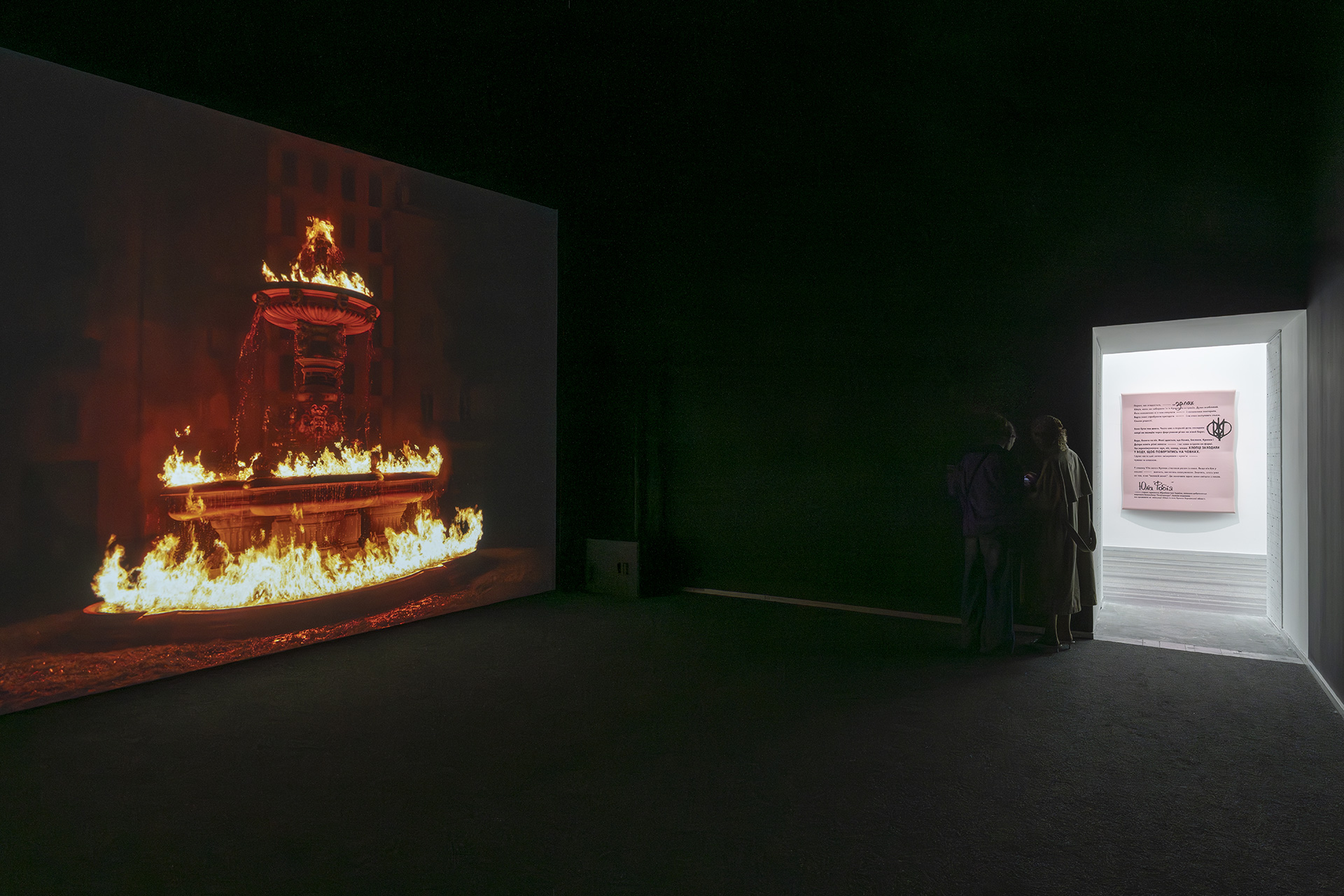
And Beneath It All Flows Liquid Fire by Julian Charrière is a monumental video installation combining two elements, fire and water. It refers to the original state of the planet, when the world had not yet been explained and arranged by humans. At the same time, for this meeting of the elements, the artist chooses the form of a classic stone fountain, a recognizable symbol of the city and civilization. Here, water, representing a source of life, is engulfed in flames, a symbol of destruction and, simultaneously, the power that once helped humankind declare its power over nature.
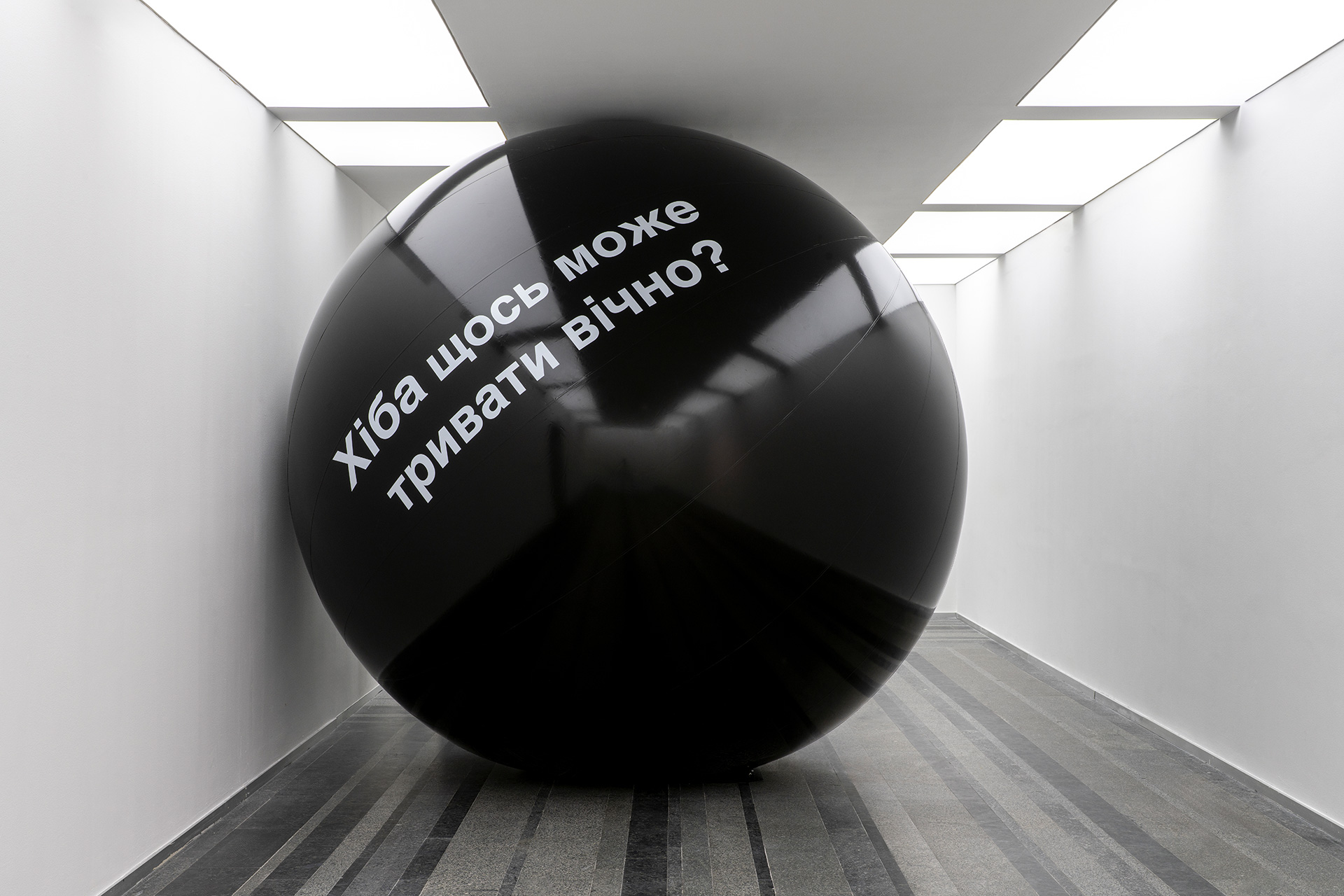
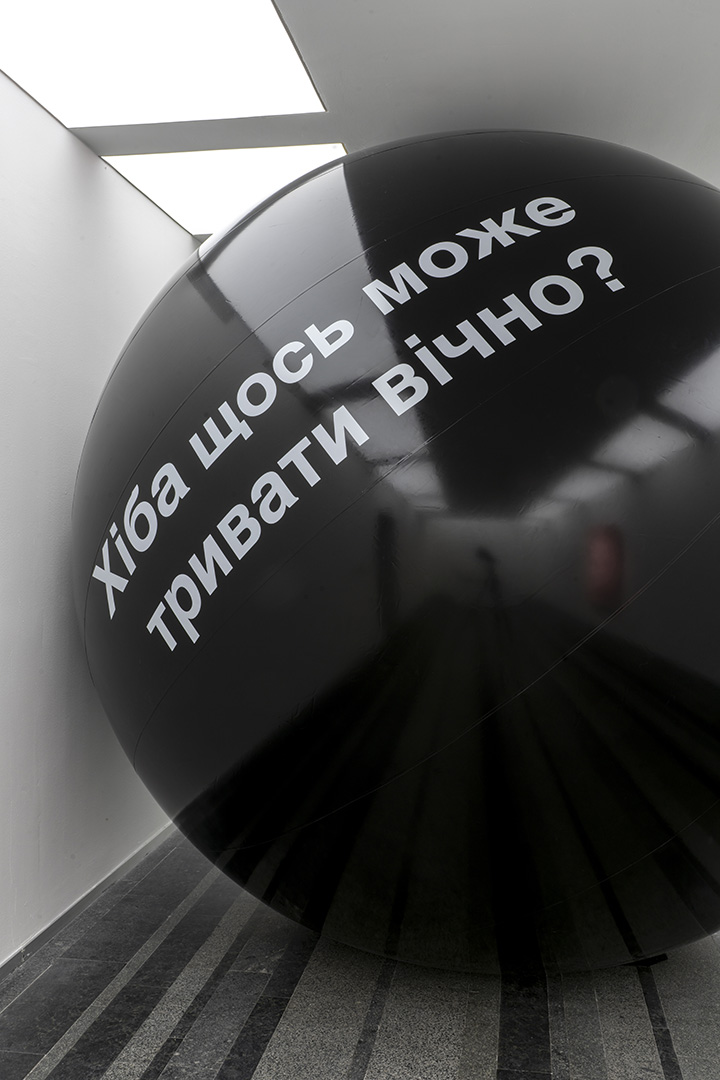
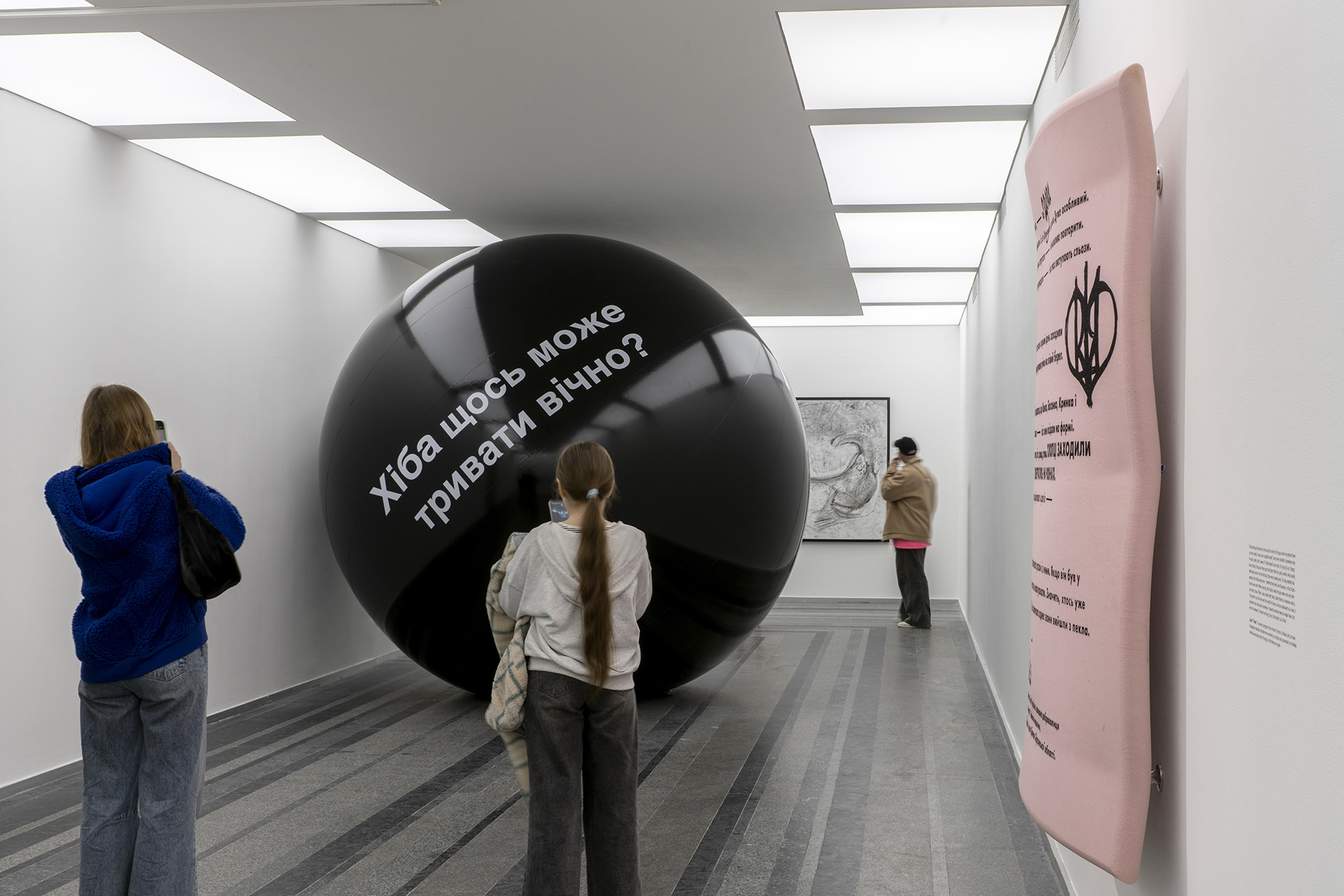
On a massive inflatable ball, which barely fits in the room and makes the space, including the visitors, visibly smaller, there is an inscription: “Can anything last forever?” This is both a question to us and the title of a work created by British artist Ryan Gander. He creates a series of large size black balls and places them in various cities and spaces, always in uncomfortable circumstances. Each time, he asks the viewers a question that we tend to put off, or have a hard time answering.
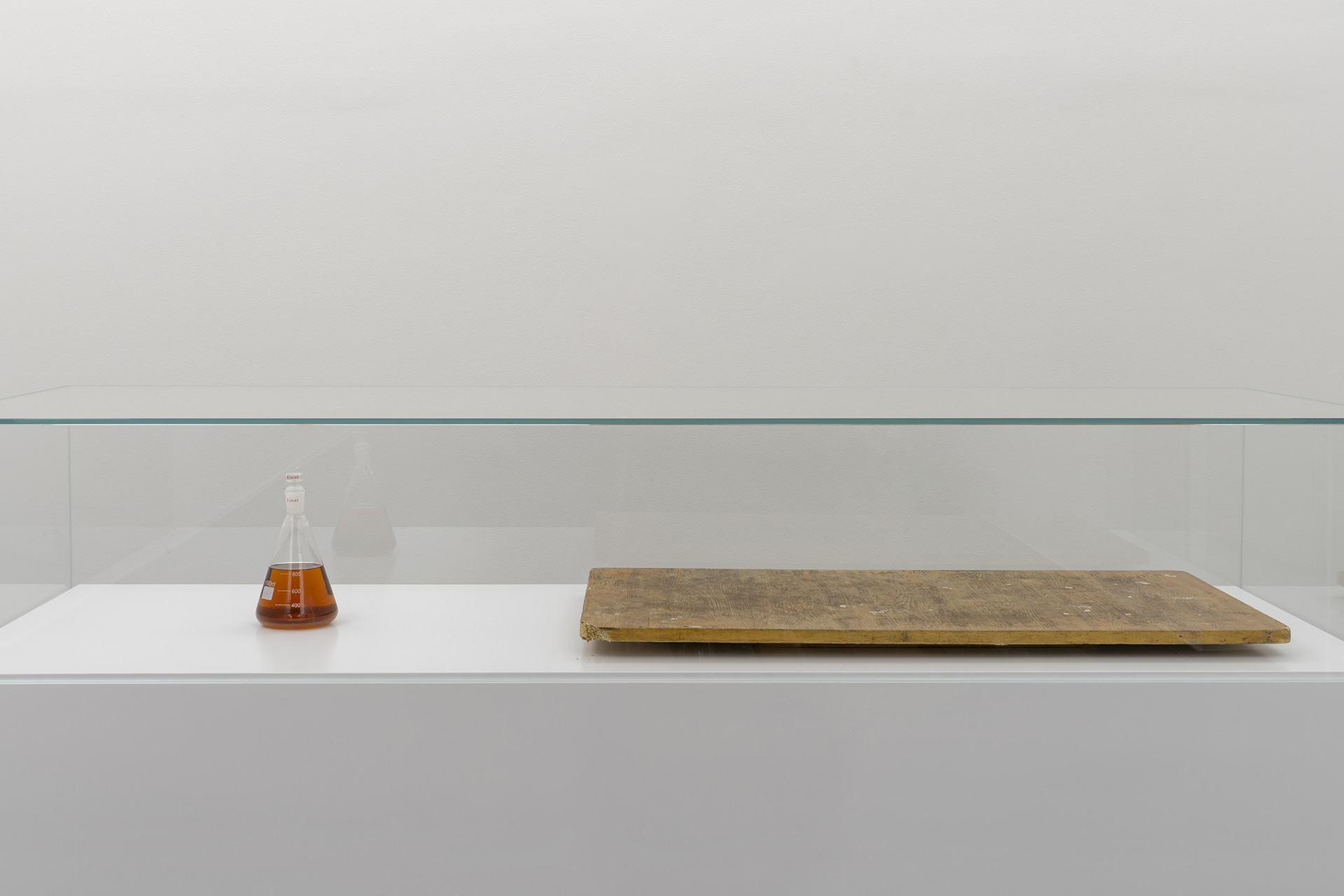
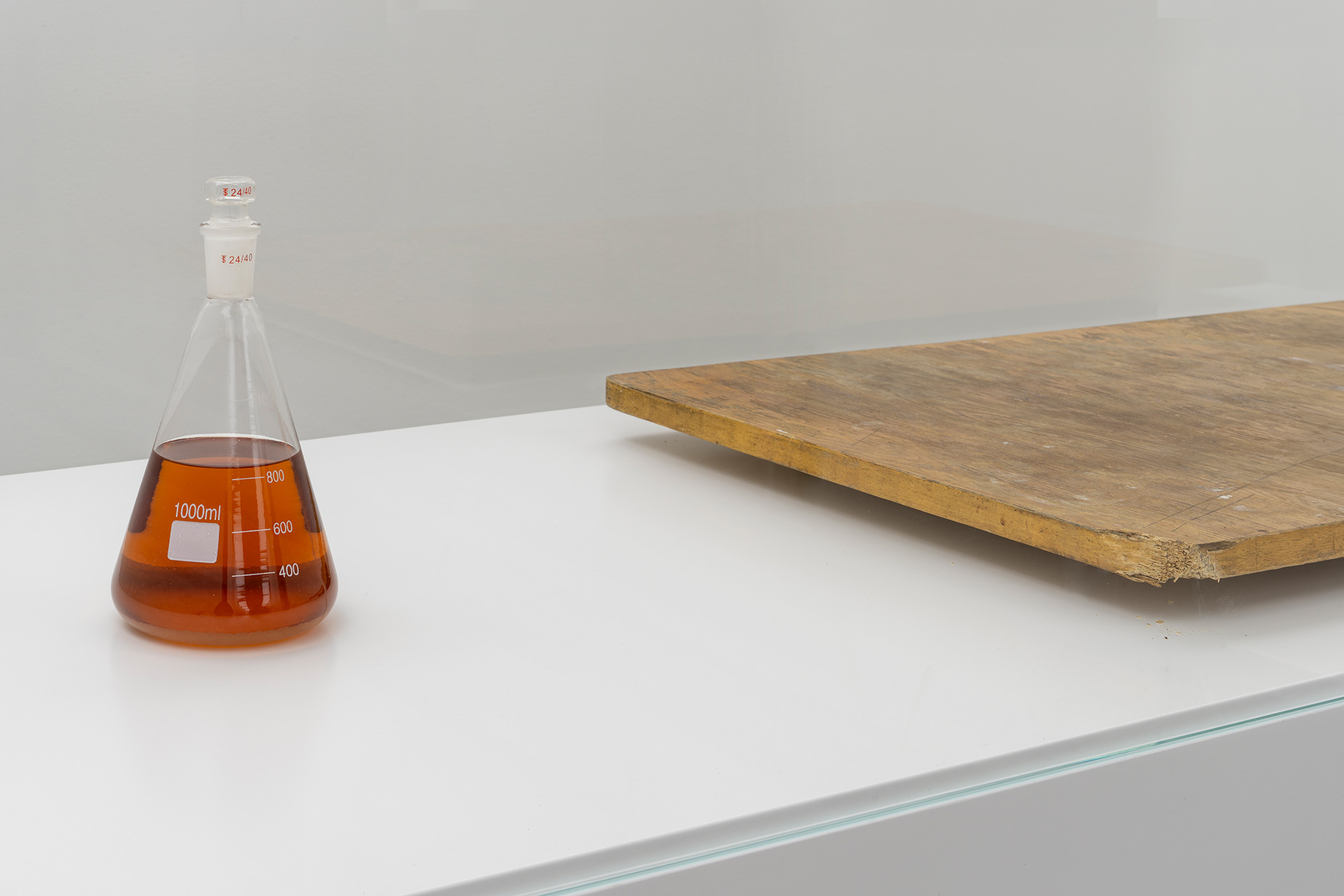
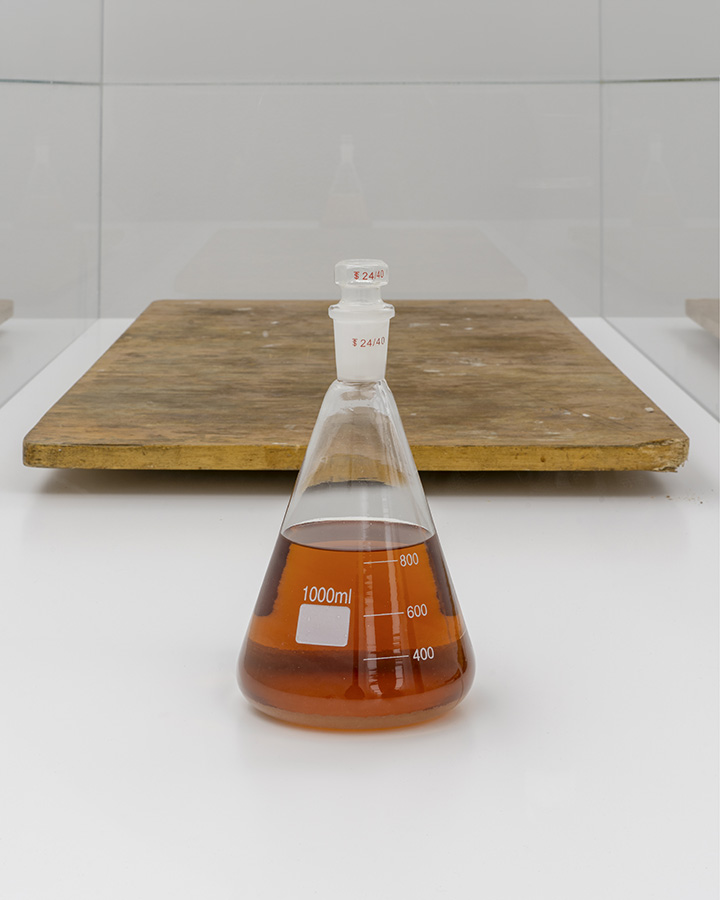
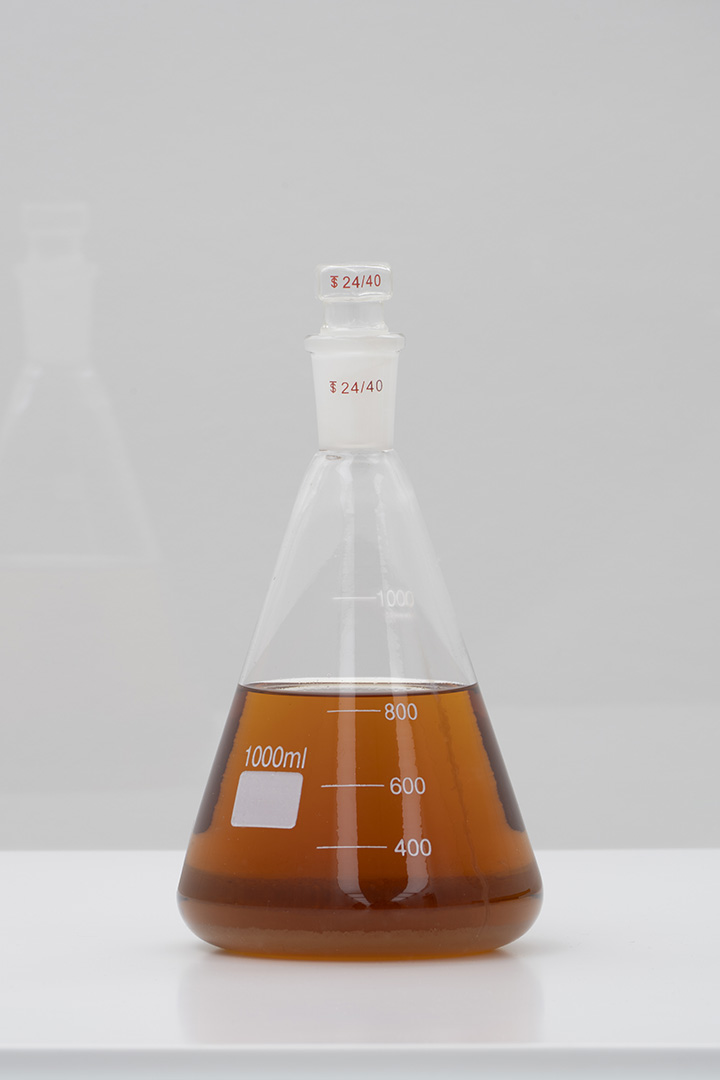
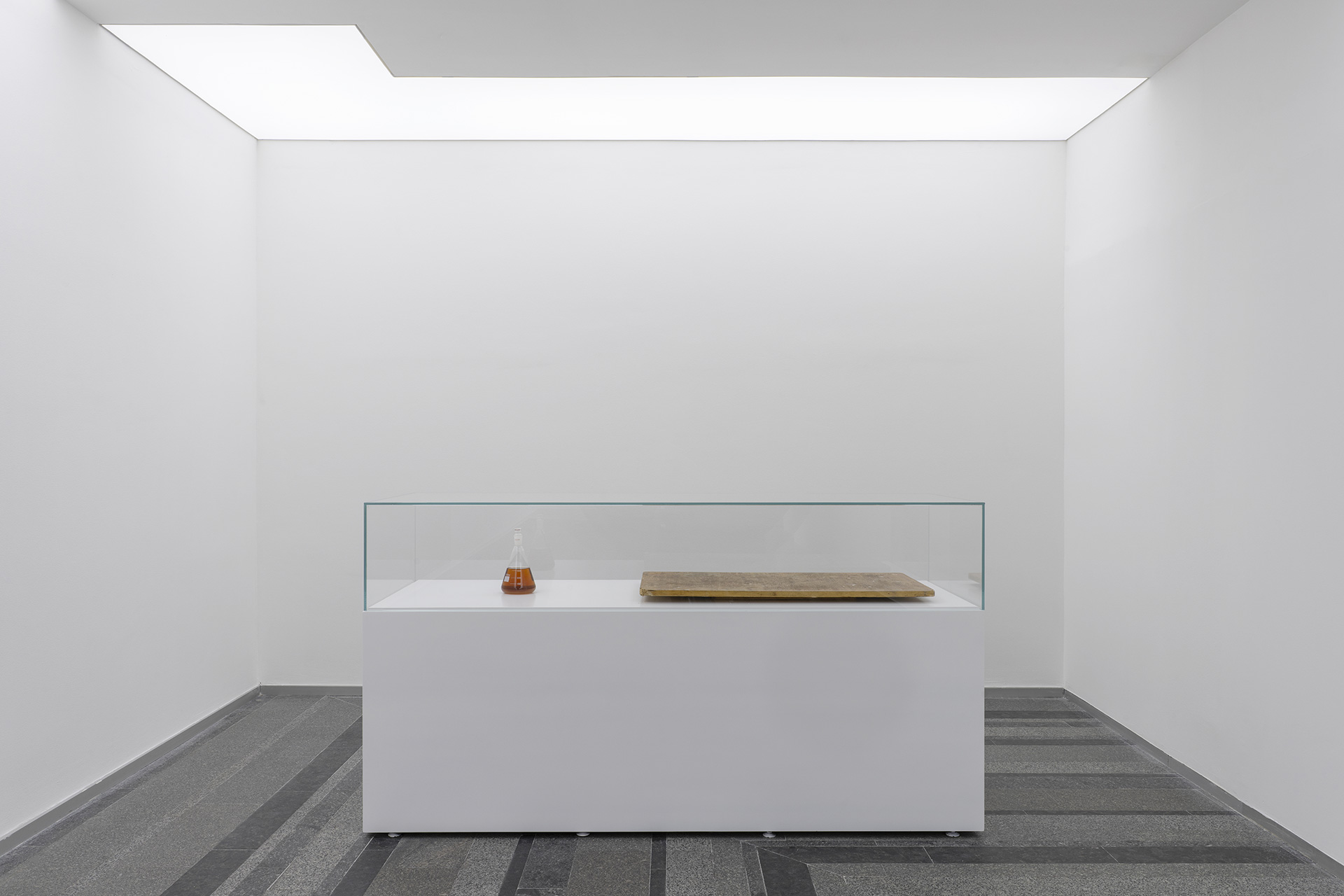
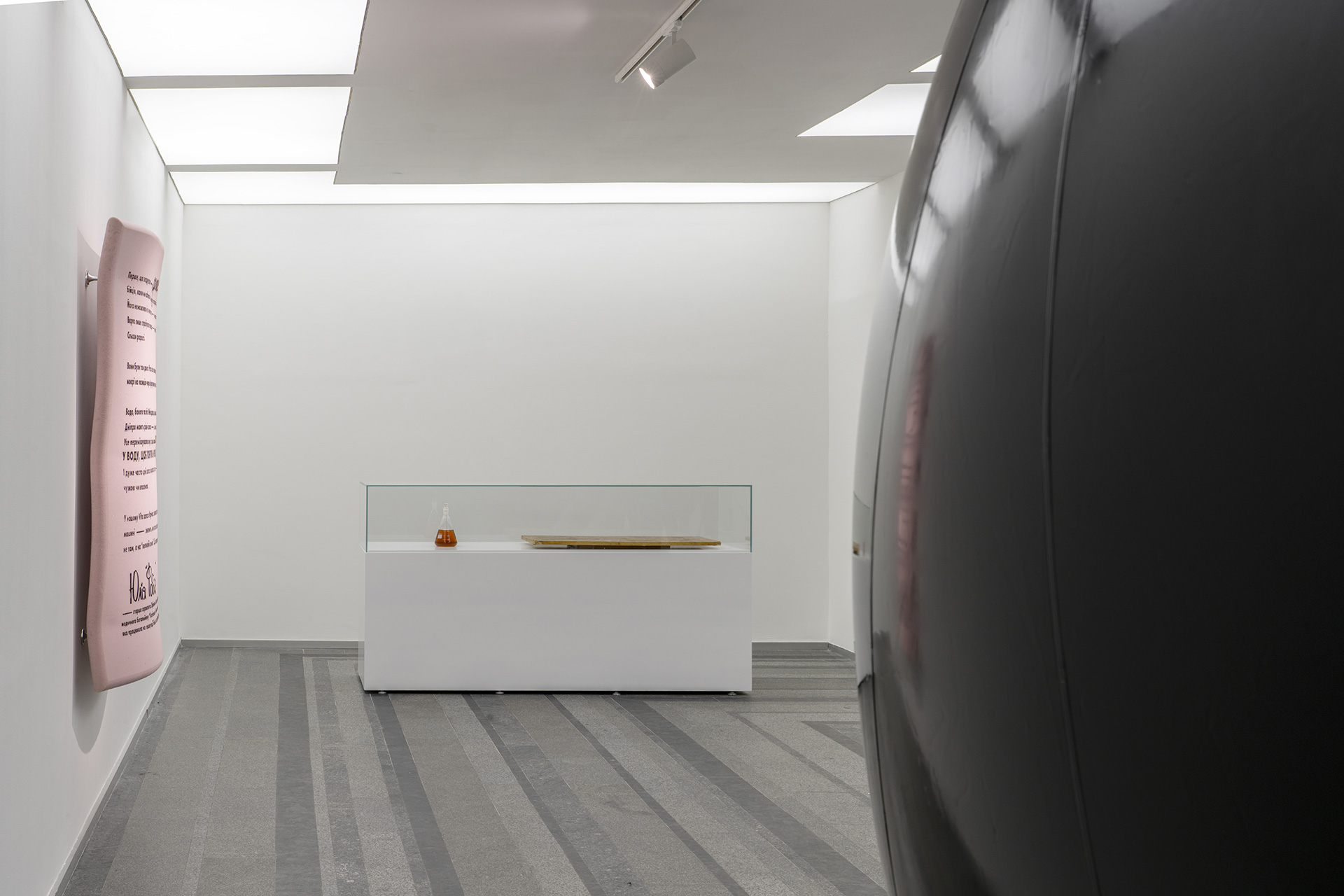
Daniel Turner’s work Conduction is placed in an almost sterile environment, reminiscent of a laboratory. A glass of liquid commands the viewers’ attention. It is oil pressed from the surface of a wooden table. The origin of this table is paramount: it was taken from the National Academy of Sciences of Ukraine, an institution where the country’s scientific knowledge was developed and preserved for decades. It is not a neutral space; it is an object with history rooted in a specific place and experience. Pressing oil becomes a way of releasing the memory of the material, which has absorbed the imprints of people and things, employees and random guests of the academy over the years.
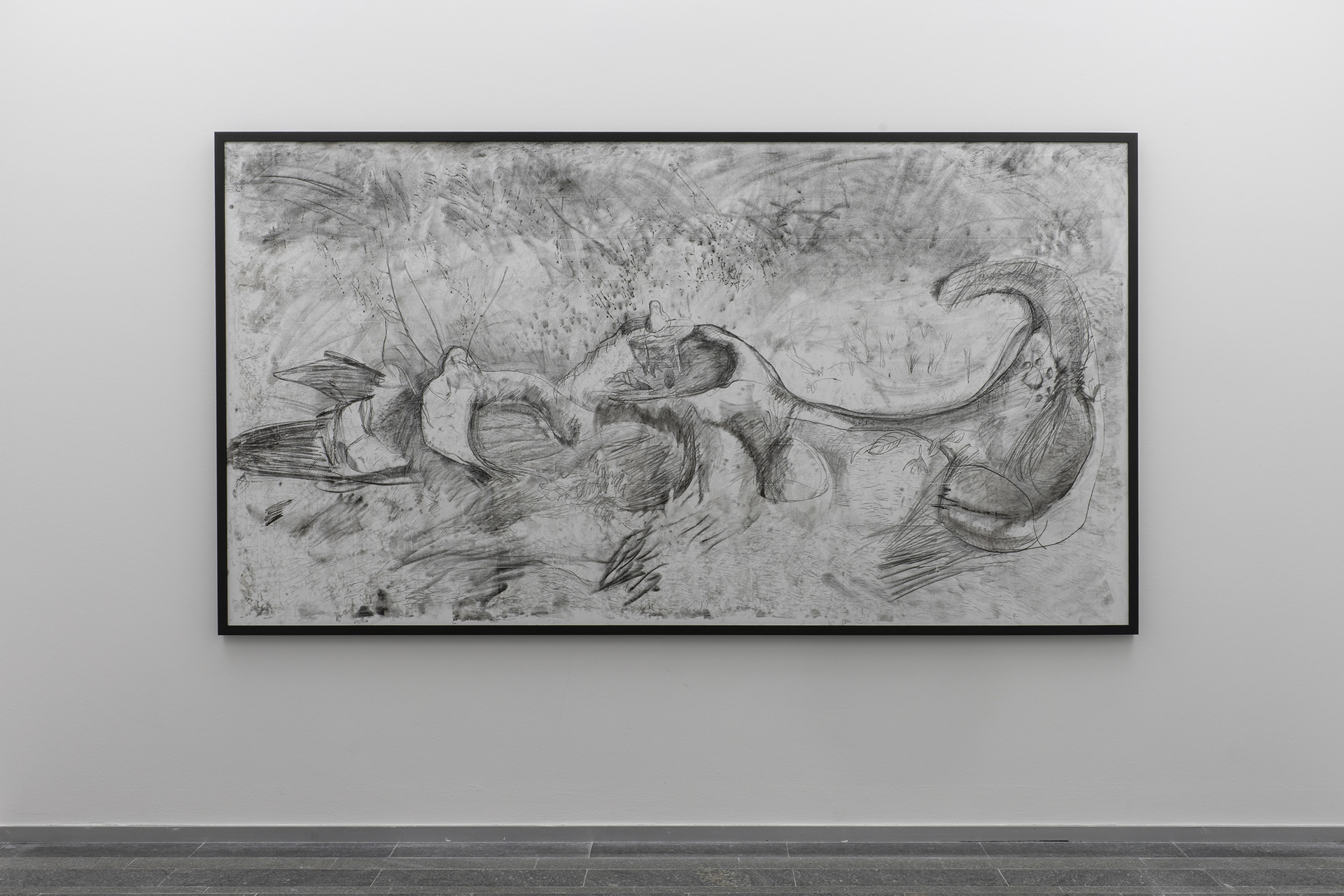
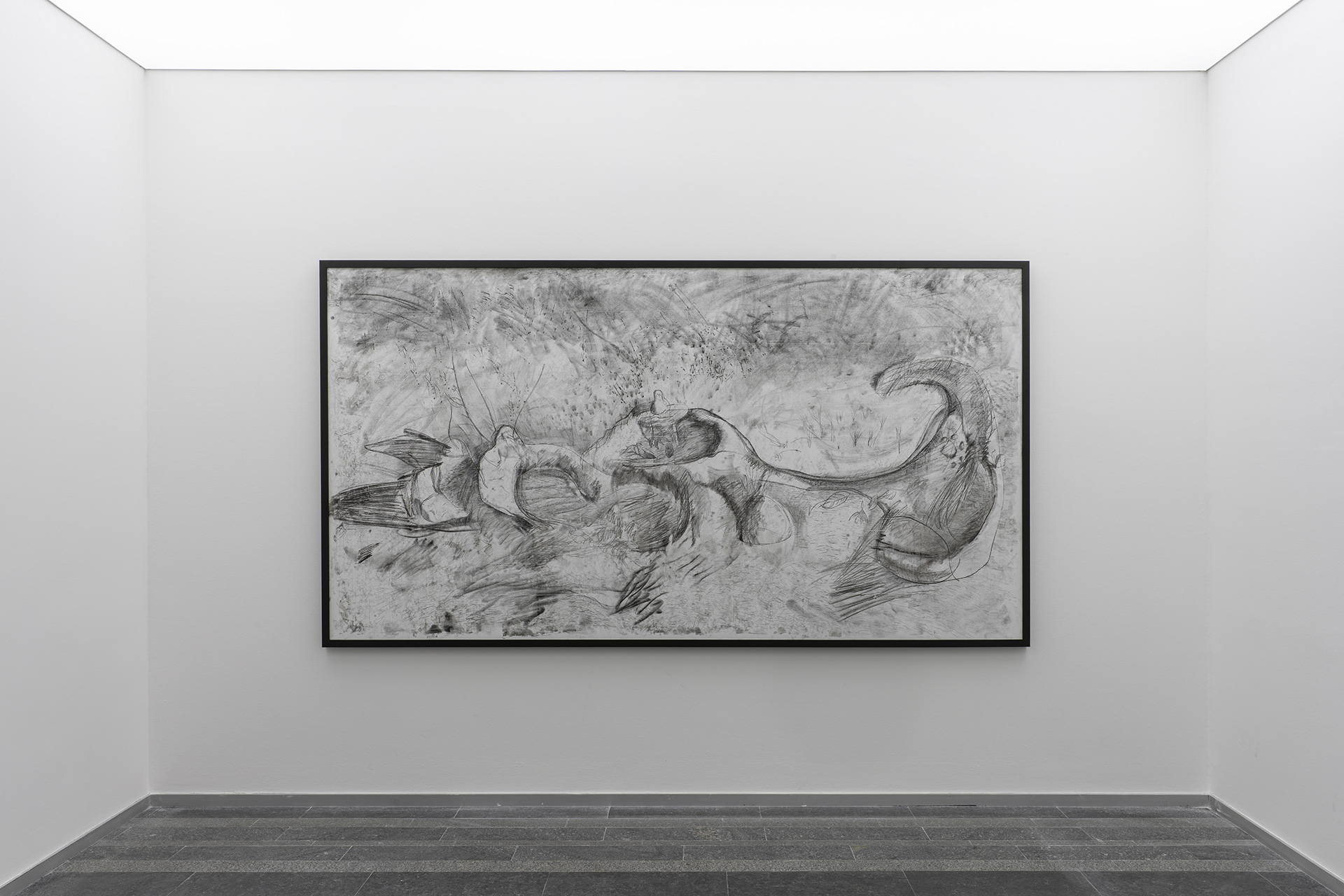
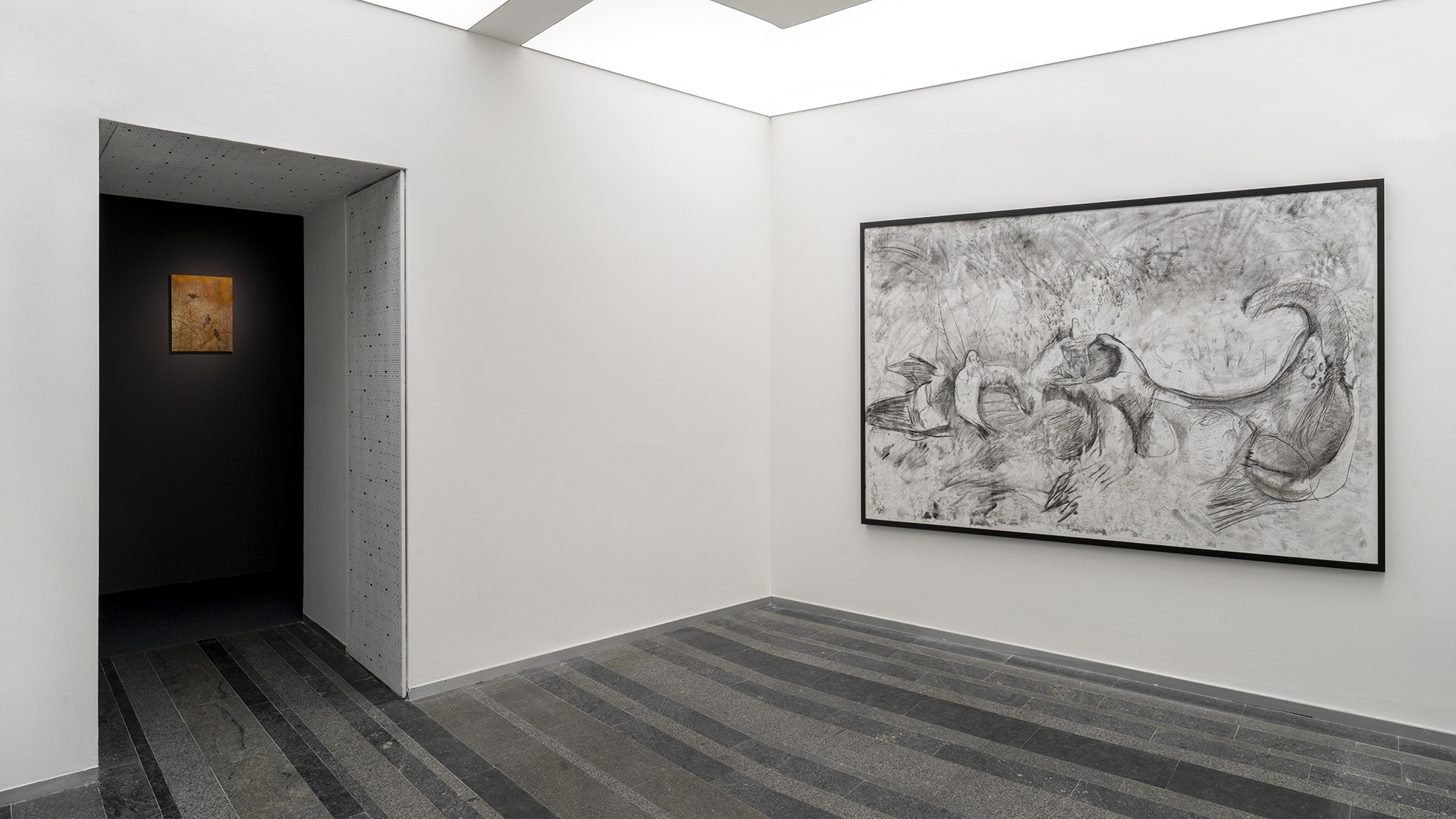
The environment created by Anna Zvyagintseva in her work Fortifications (based on Zoia’s sandcastles) is inspired by her daughter Zoia’s sandcastles. Taking a closer look at this black and white landscape, you can see a multitude of minuscule details: plants, rocks, maybe even children’s lost toys. Behind the walls of the sand fortification, they seem to be safe and at peace. Meanwhile, we look into this world by leaning over or even hiding, protecting ourselves from the surrounding dangers.
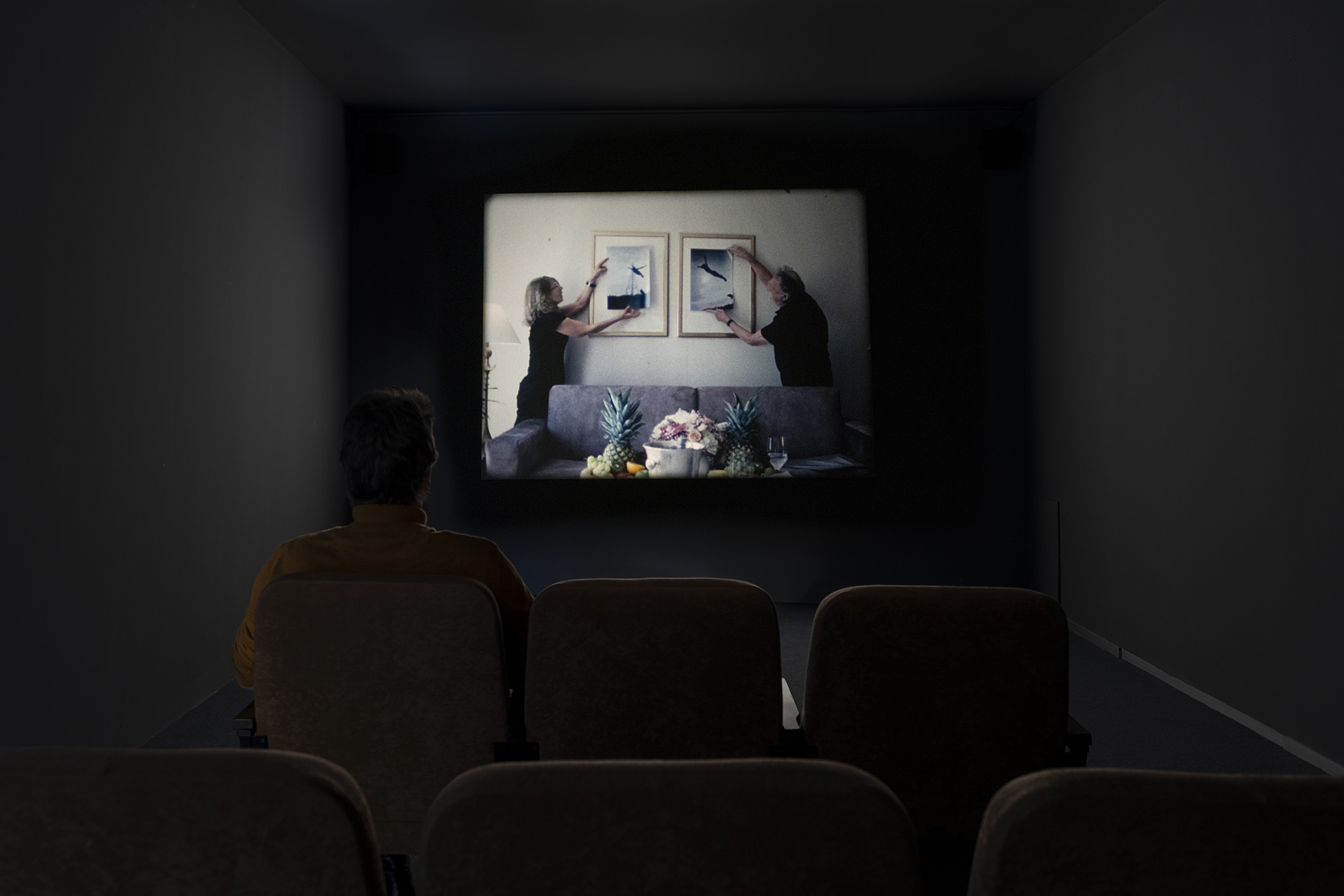
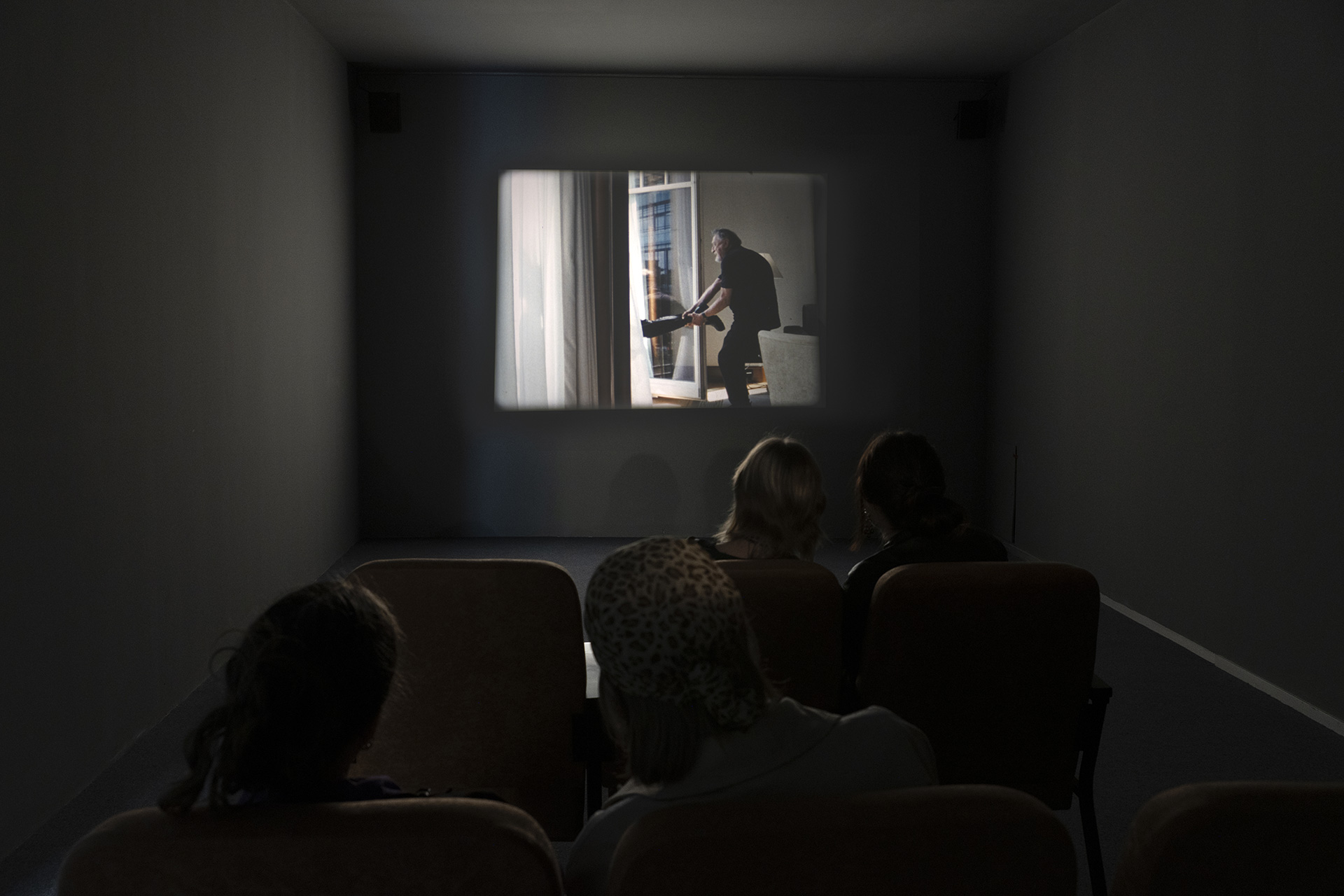
If I Were in the Adlon is a 16mm film by Tacita Dean about Ukrainian artist Borys Mykhailov and his wife, Vita Mykhailova during an August afternoon spent in the Adlon Hotel in Berlin. The film becomes an intimate portrait of the couple, revealing the humour and tenderness in their relationship and the way they work together. The hotel room with its view over the Brandenburg Gate also plays a role in this profoundly moving testament to love, marriage, and art.
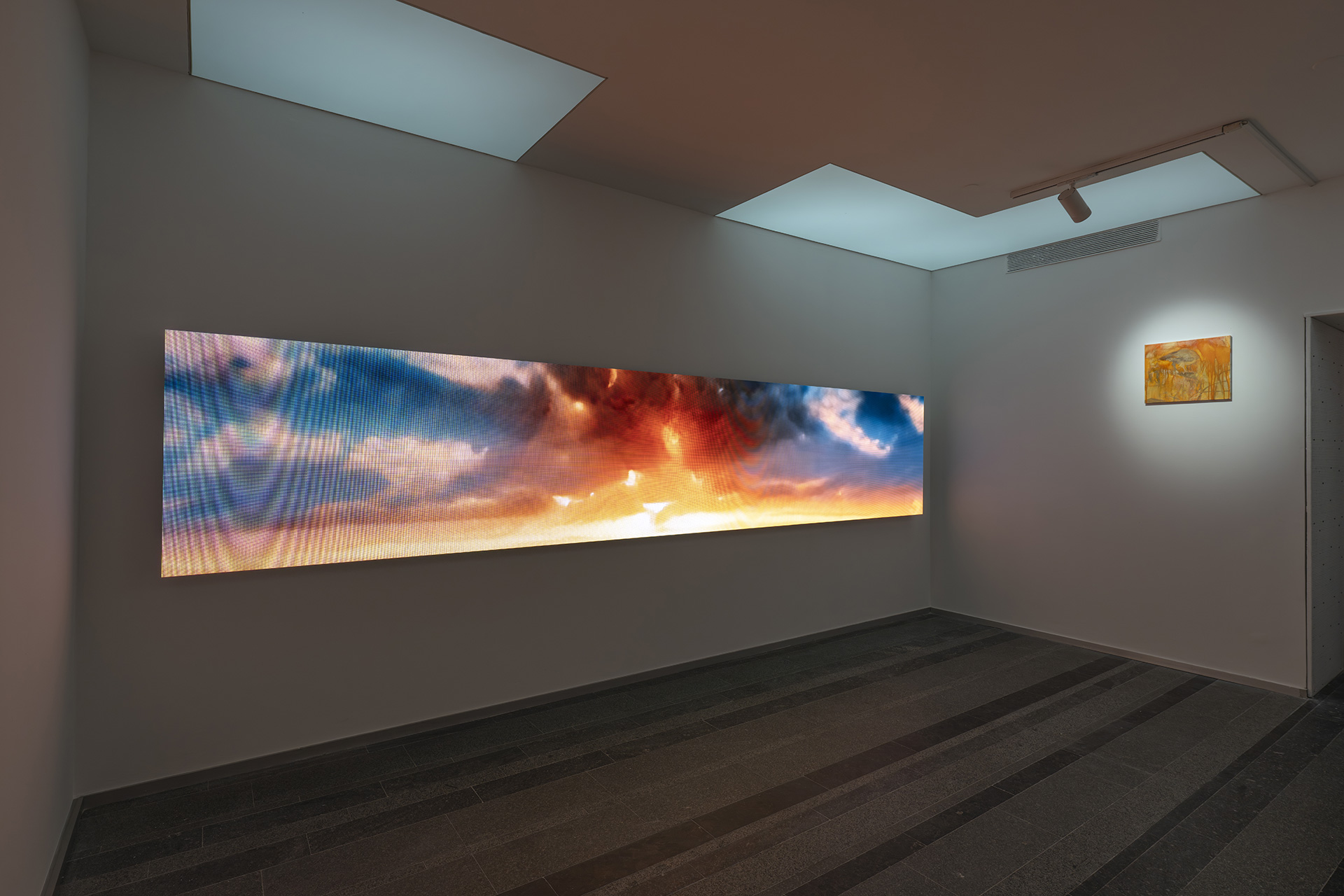
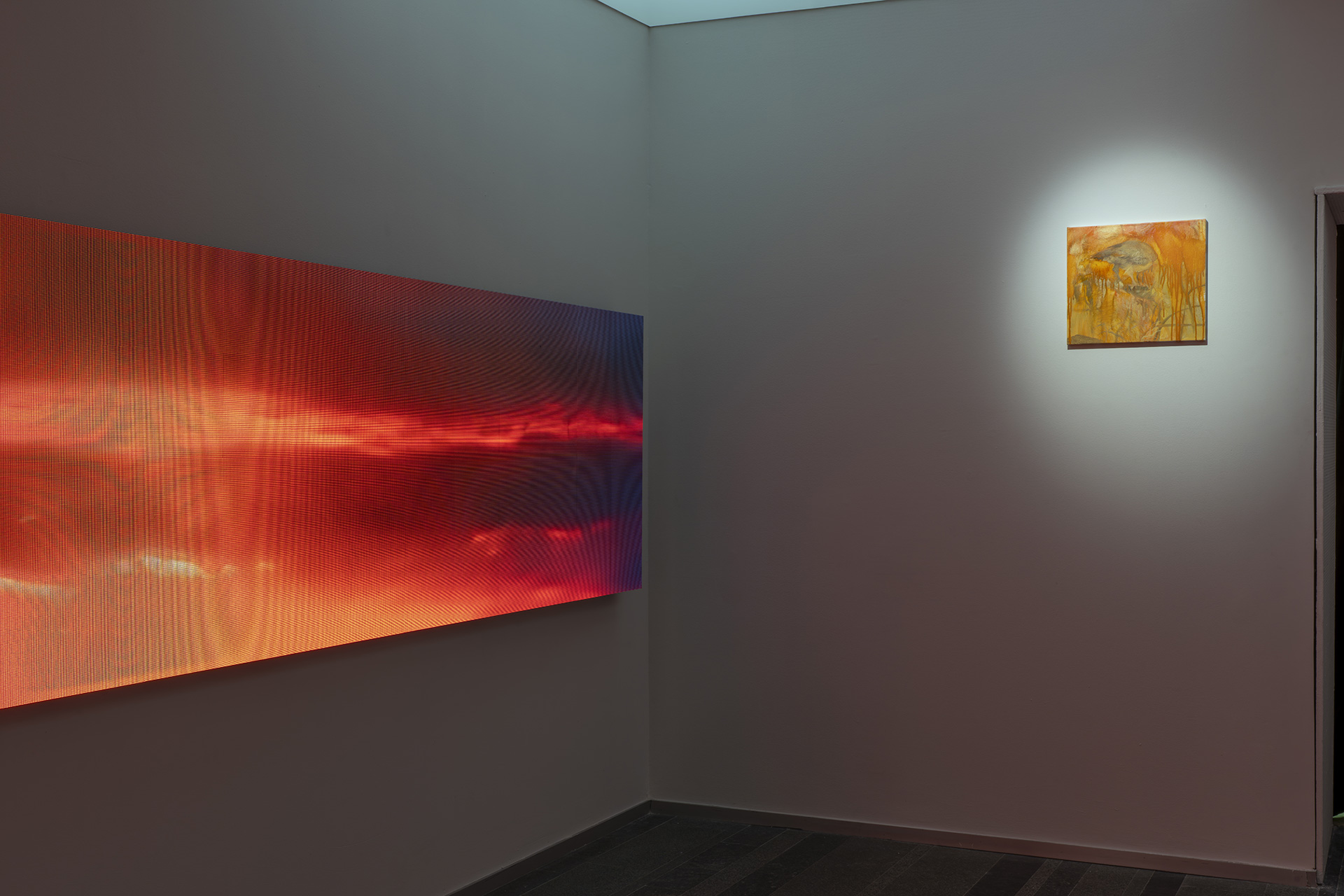
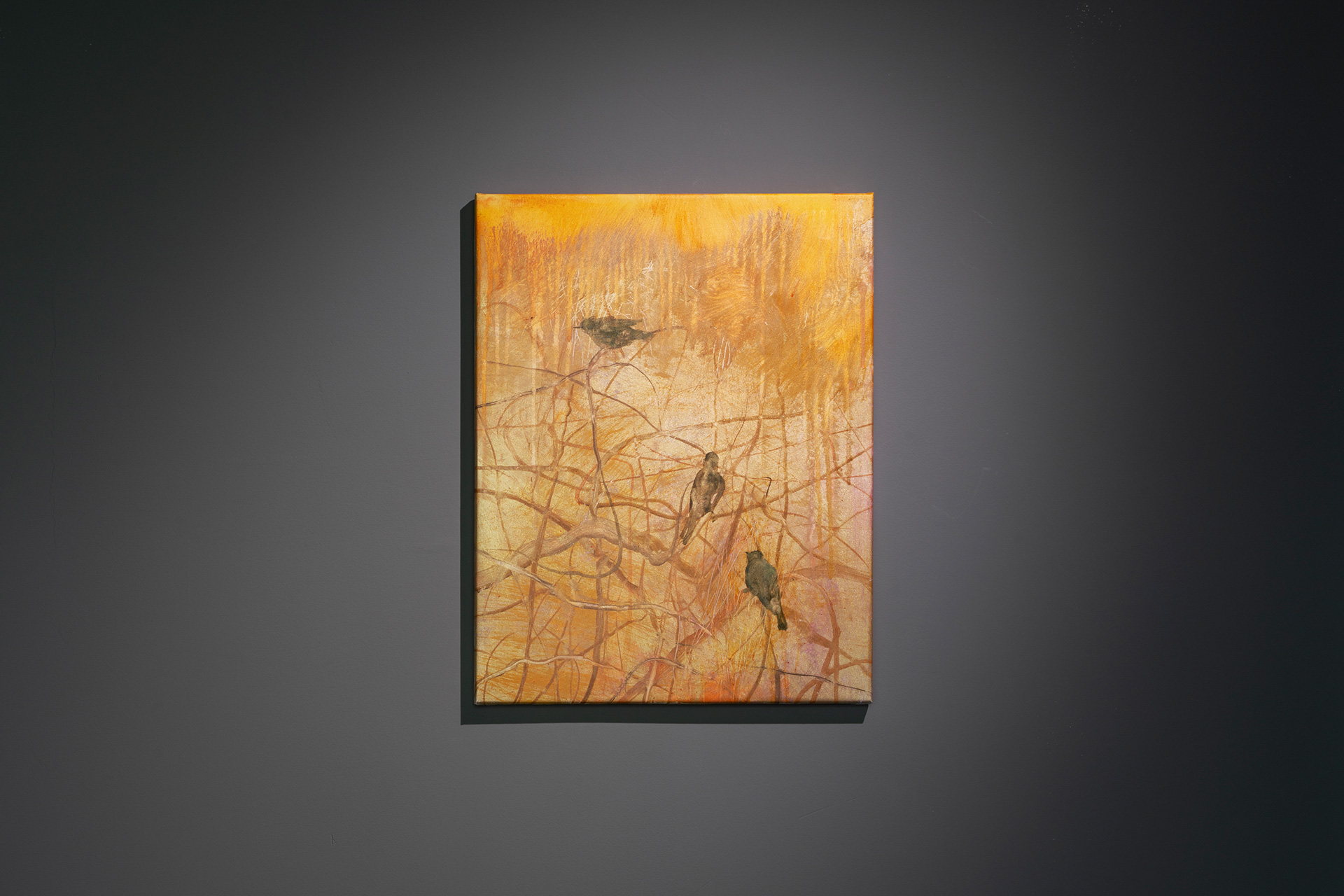
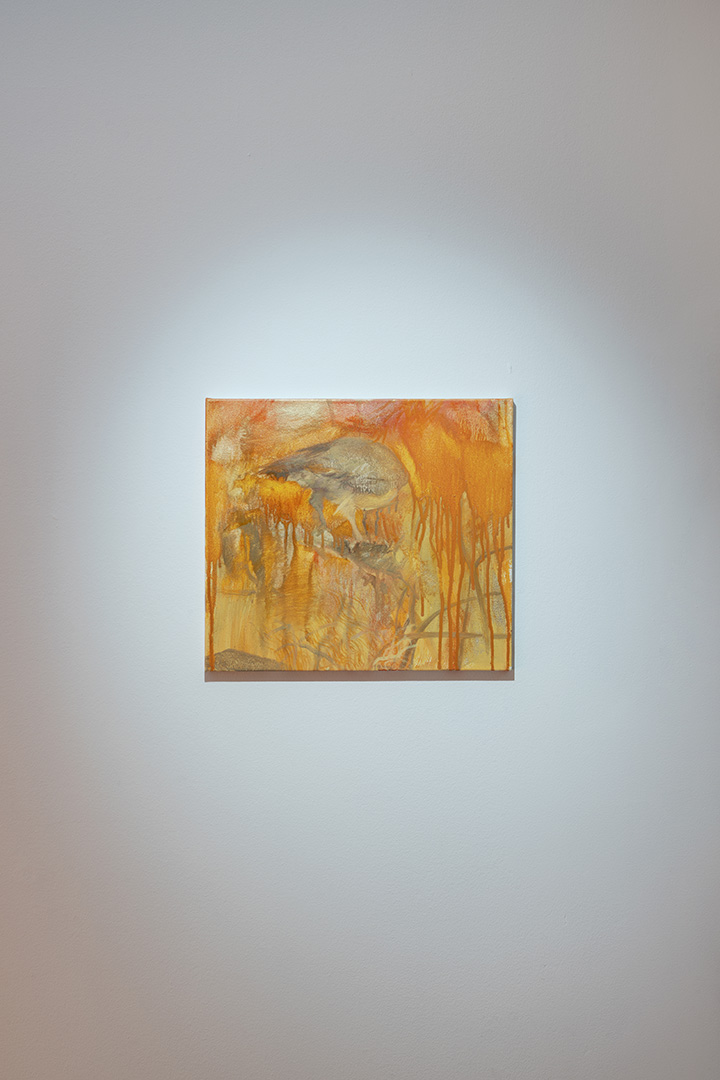
Kateryna Aliinyk’s paintings from Till Tomorrow! series depict birds peering into the distance, where the horizon is awash with the heavy light of the setting sun. The air is rich and dense, either with dust particles floating smoothly in the rays of sunshine or with the shimmering silhouettes of tiny insects coming to life in the evening glow. We see the world as it appears on the line between day and night, full of tension and elusive tenderness. The day comes to an end, and a new one awaits, with its own challenges, discoveries, and joys. And for now — till tomorrow!!
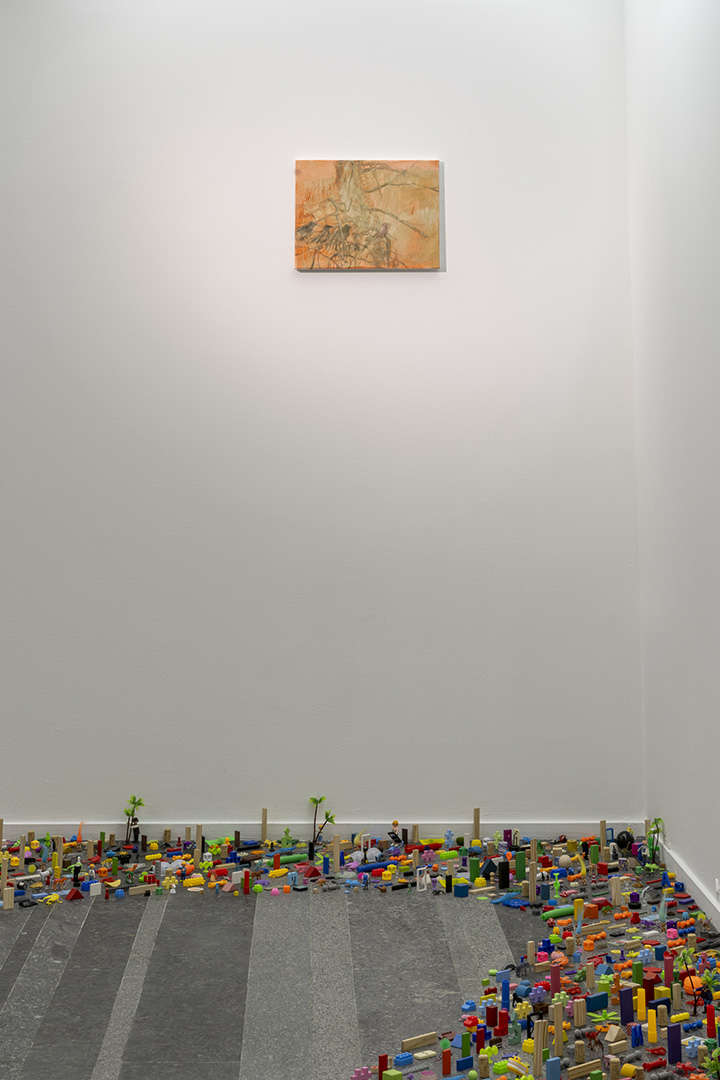
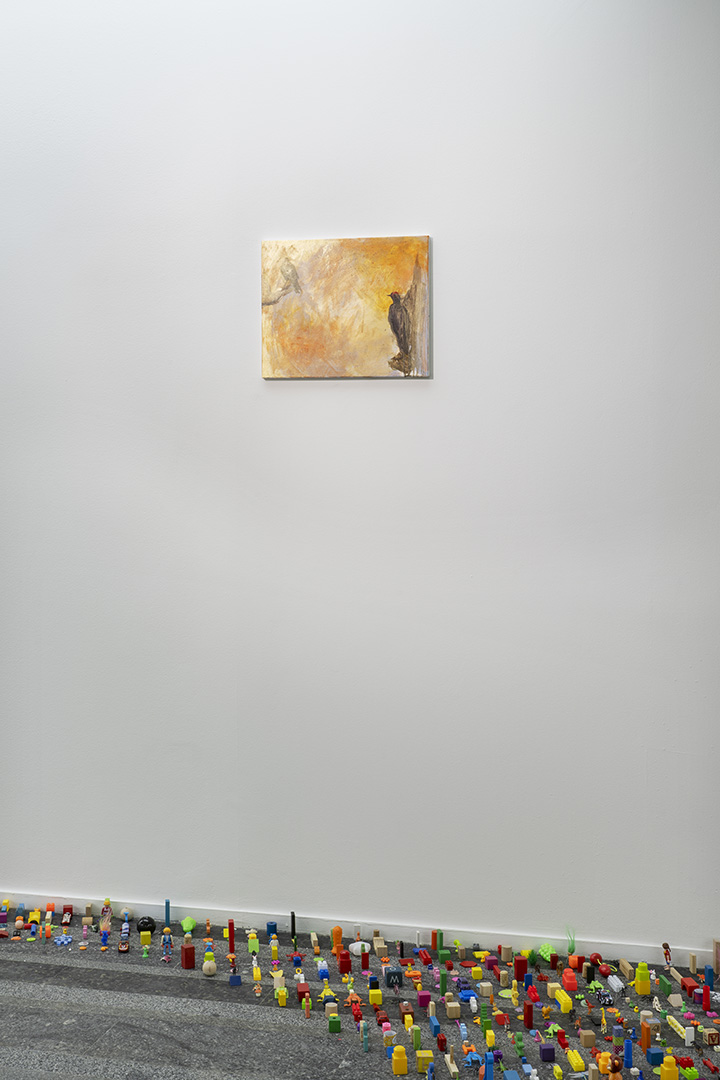
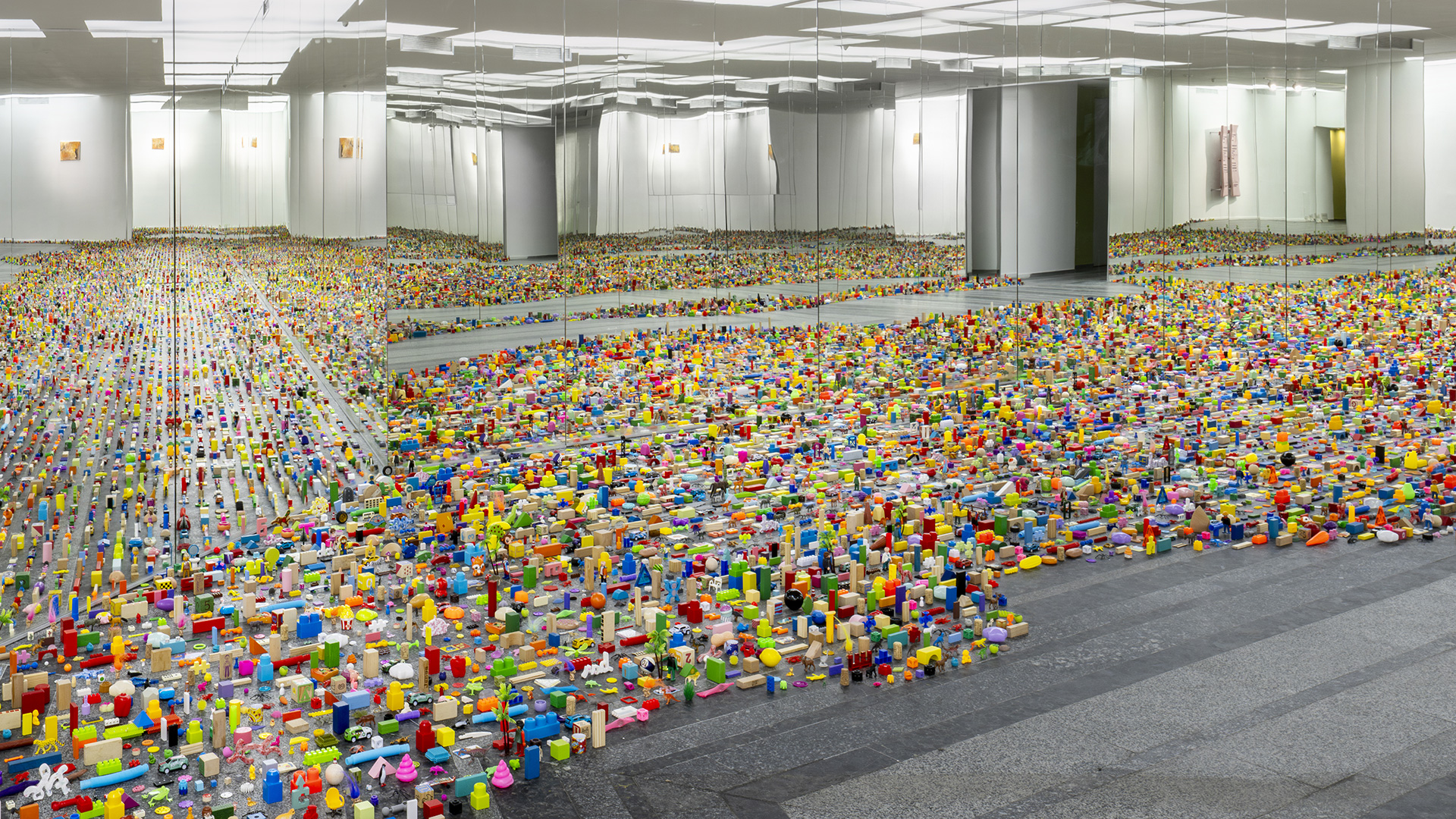
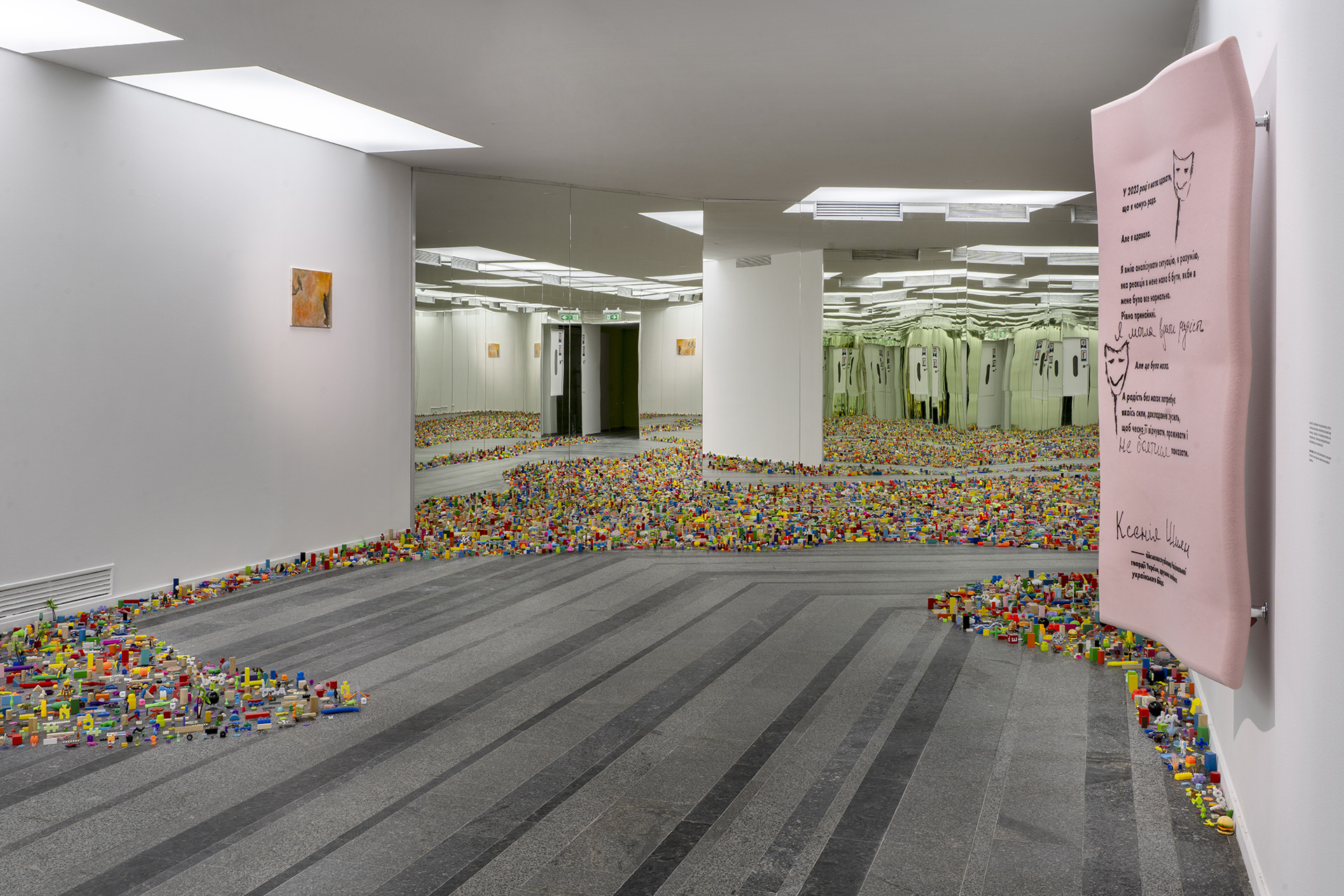
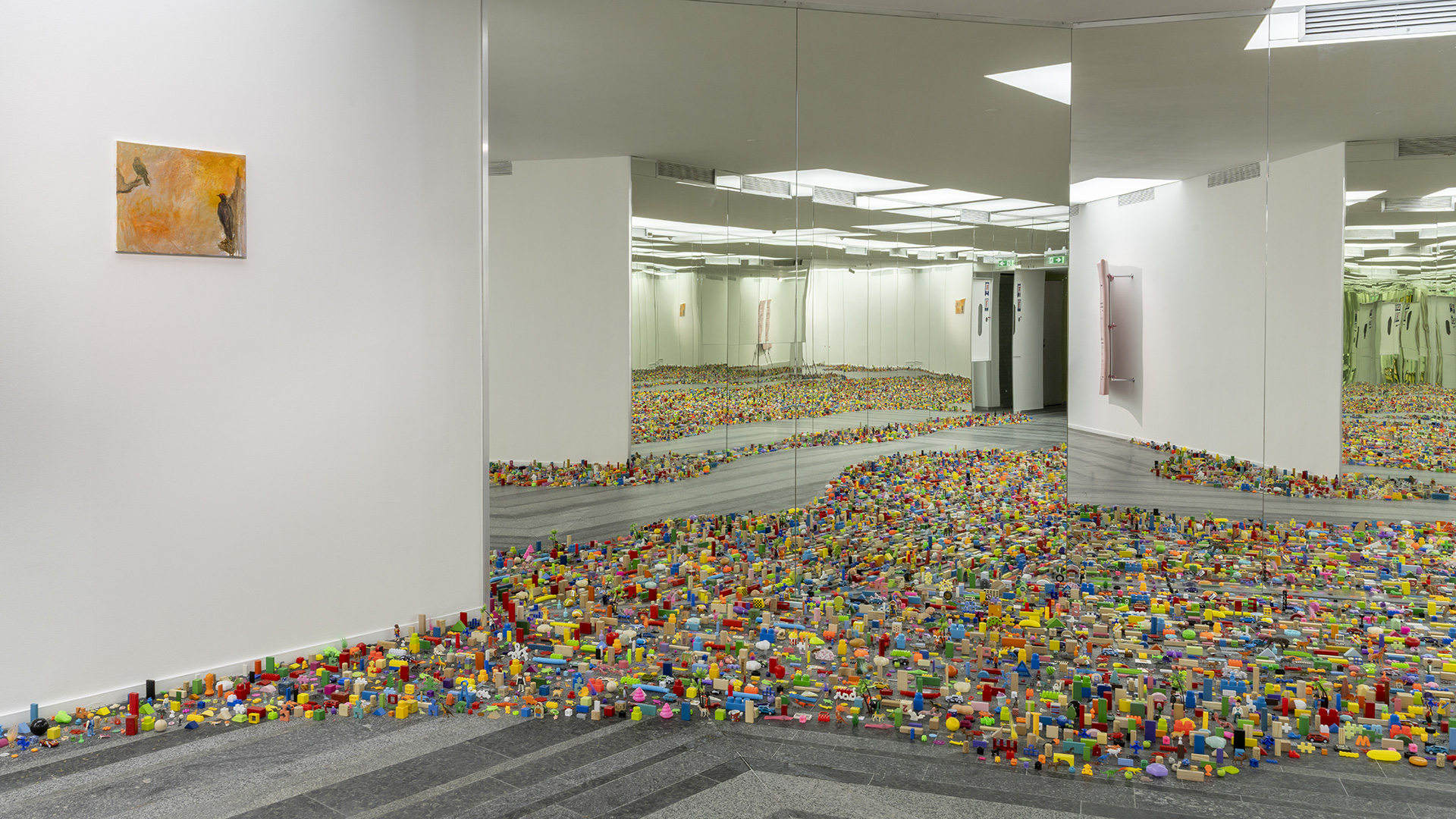
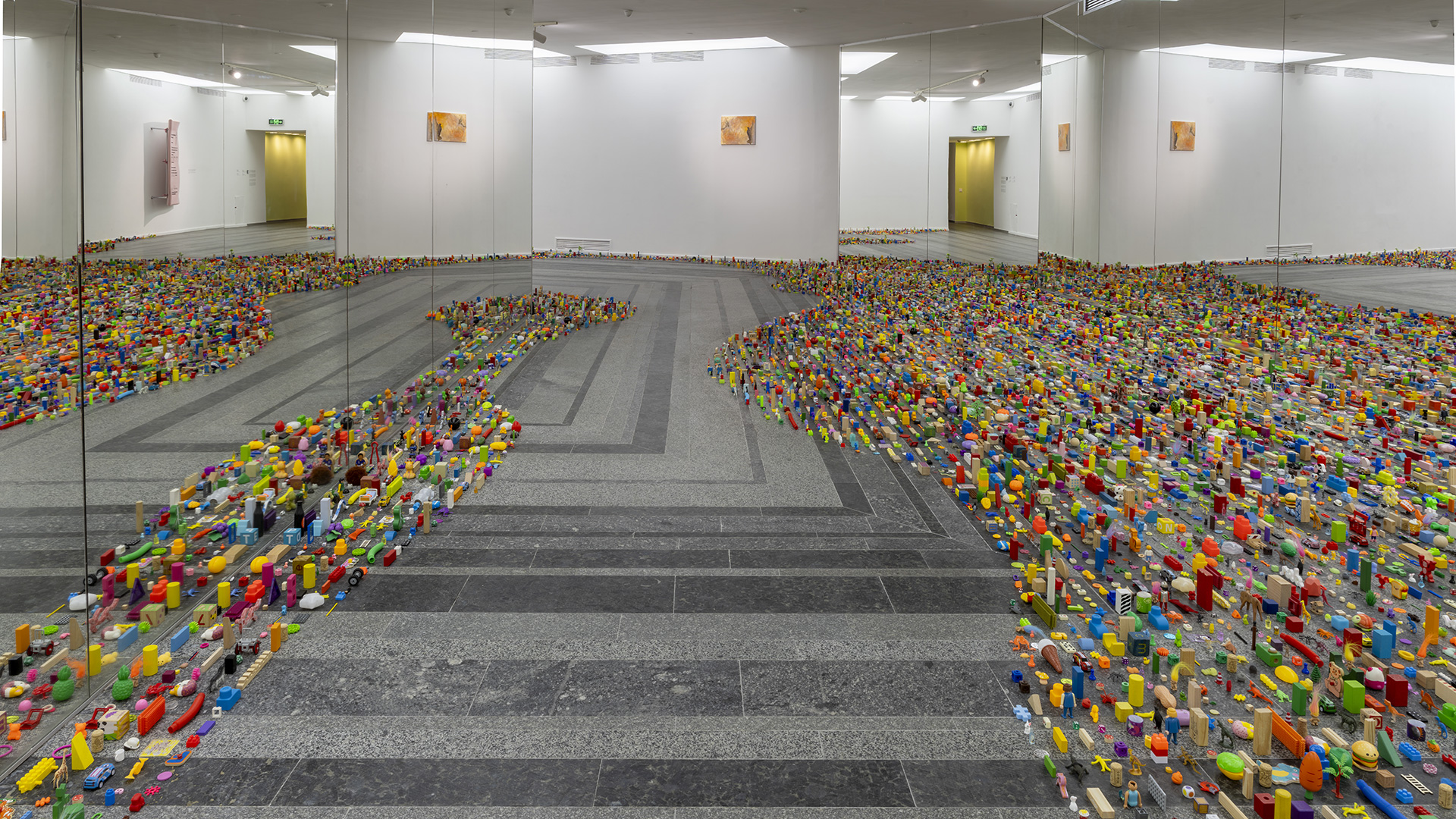
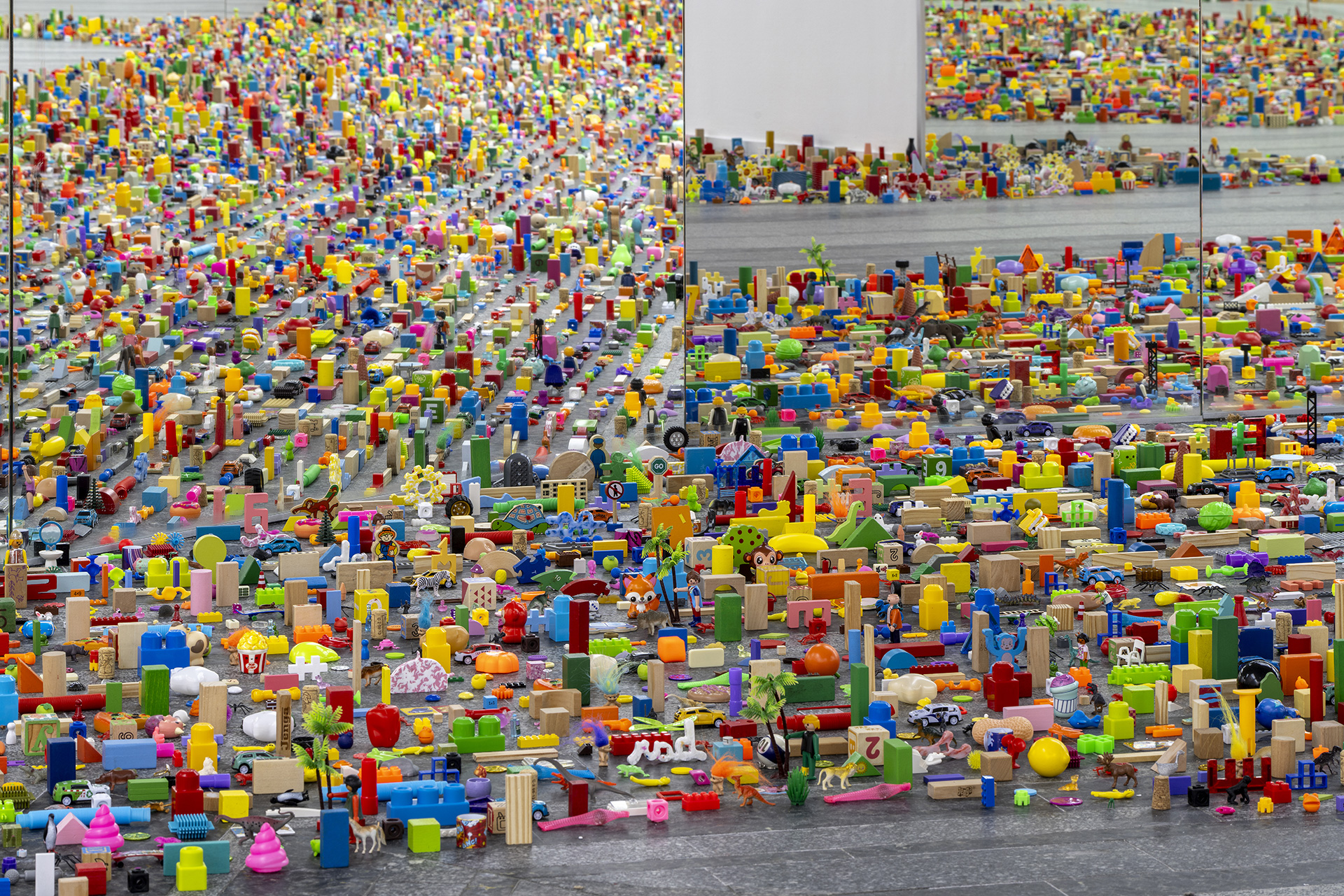
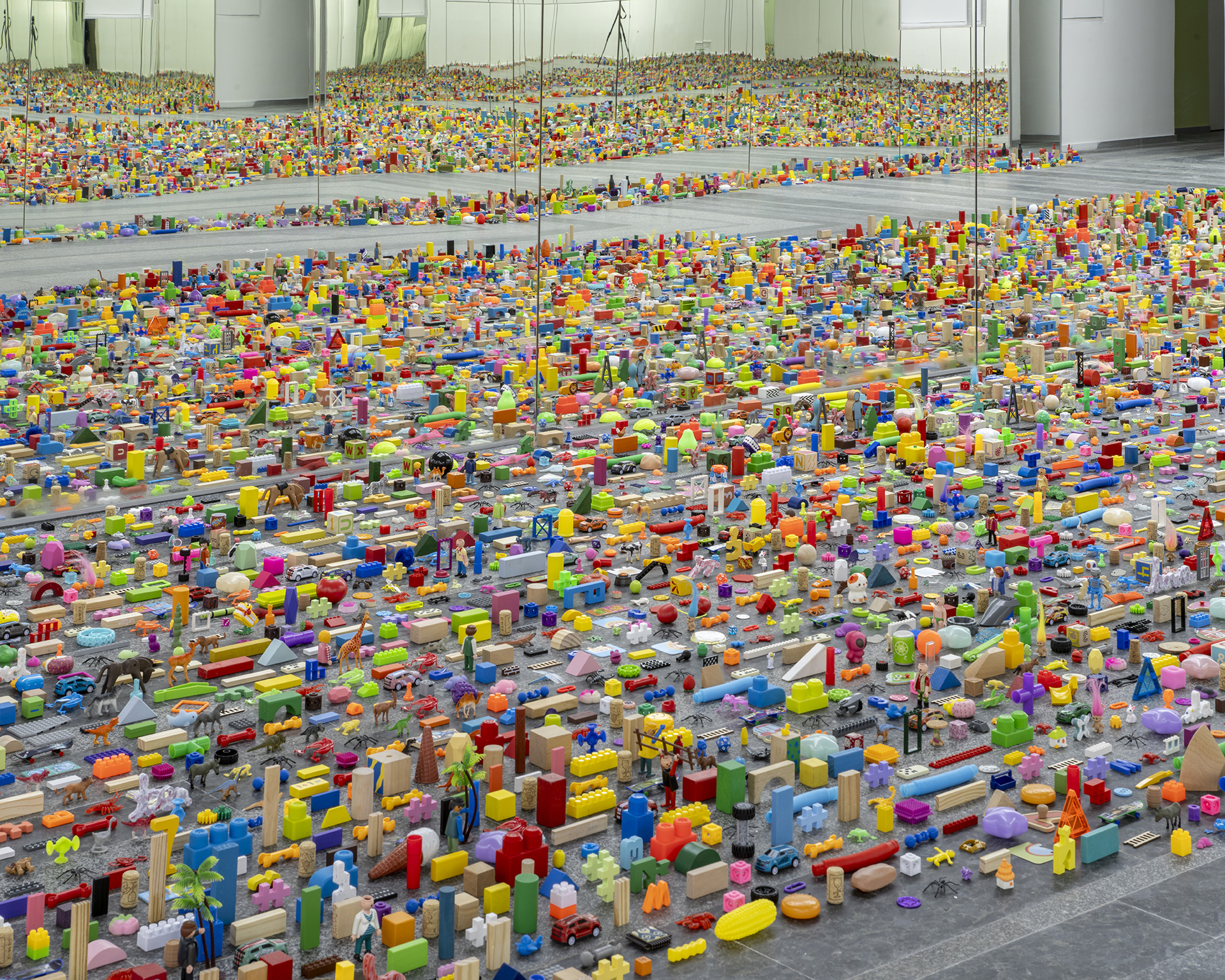
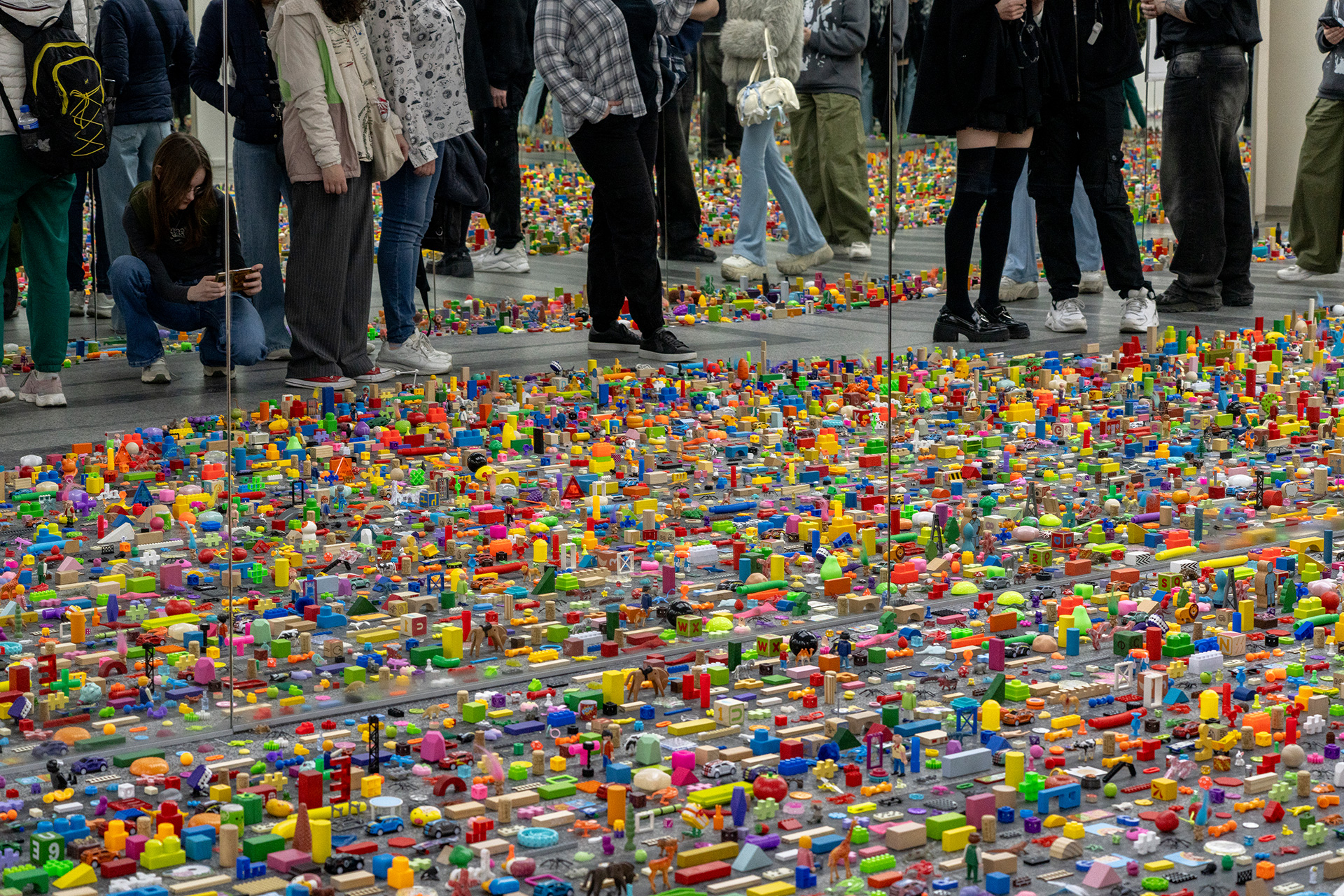
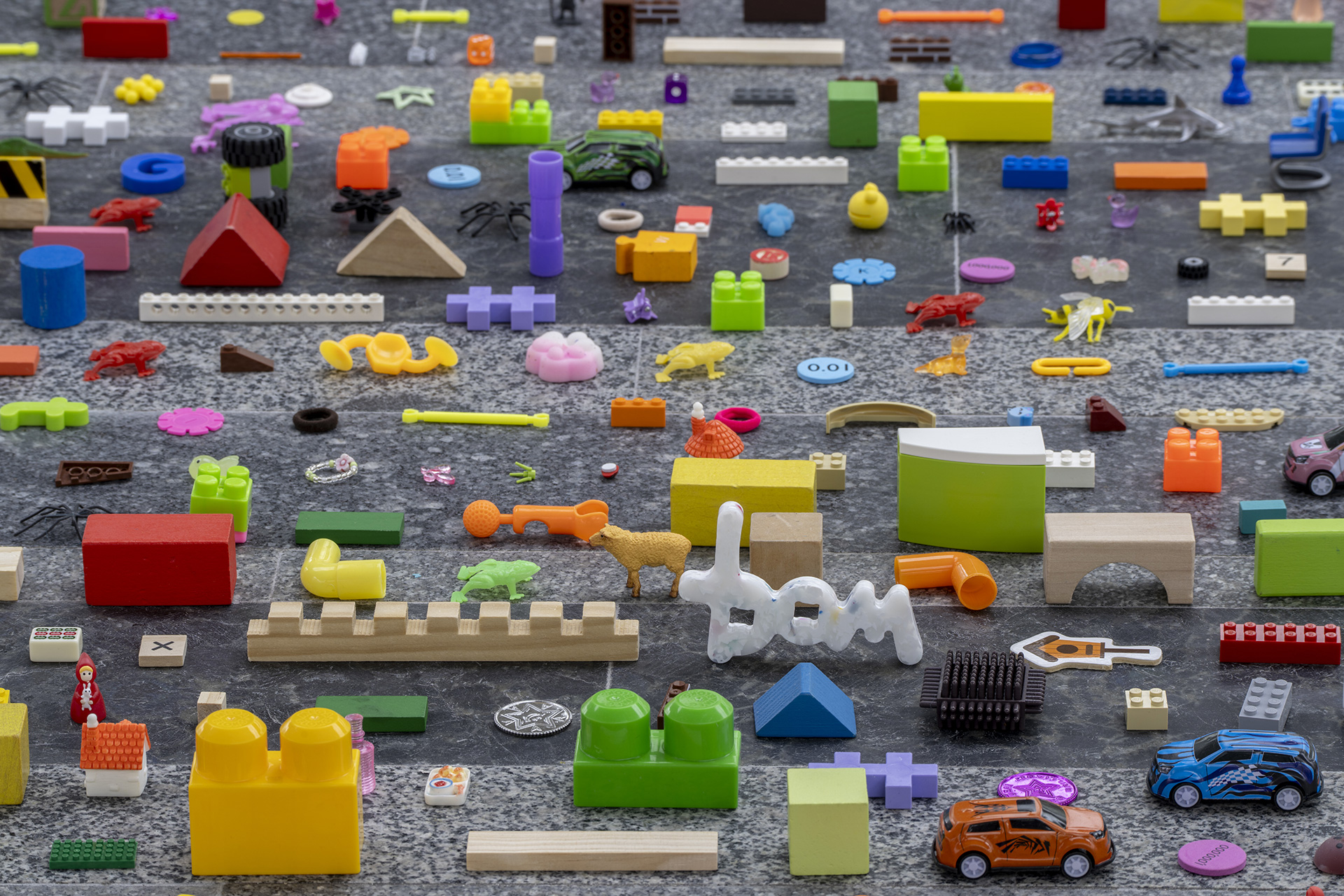
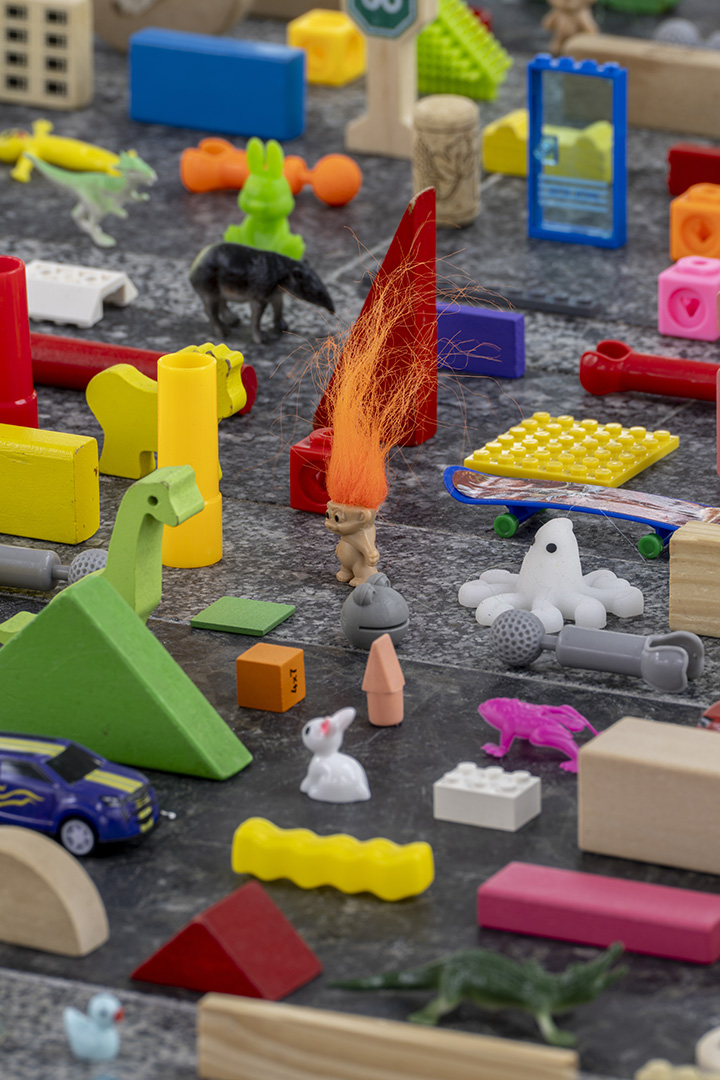
Ryan Gander’s installation Closed Systems turns the floor in the room into a network of narrow pathways between rows of wooden and plastic toys of various shapes and colors. In this space, every step requires attention, and you become aware of your movement. The work was created in collaboration with the artist’s son, reflecting his unique sense of beauty and order. It becomes a language for talking about our own feelings and the world around us, as well as a way to find our path in life, where fear and excitement often go hand in hand. Walking along the paths, we come close to the birds from Till Tomorrow! series, observing the apocalyptic sunset, and experience moments when the density of anxiety becomes a backdrop for unexpected joy.
In her work Joy, Alevtina Kakhidze offers the visitors the chance to get a tattoo of one of her drawings, an image telling a story of joy and leaving a permanent imprint of the lived experience. One of the sketches, for instance, features the saxifrage flower that grows through the stone in the Crimean highlands. This tattoo becomes a symbol of unbreakable resistance and long-awaited return.
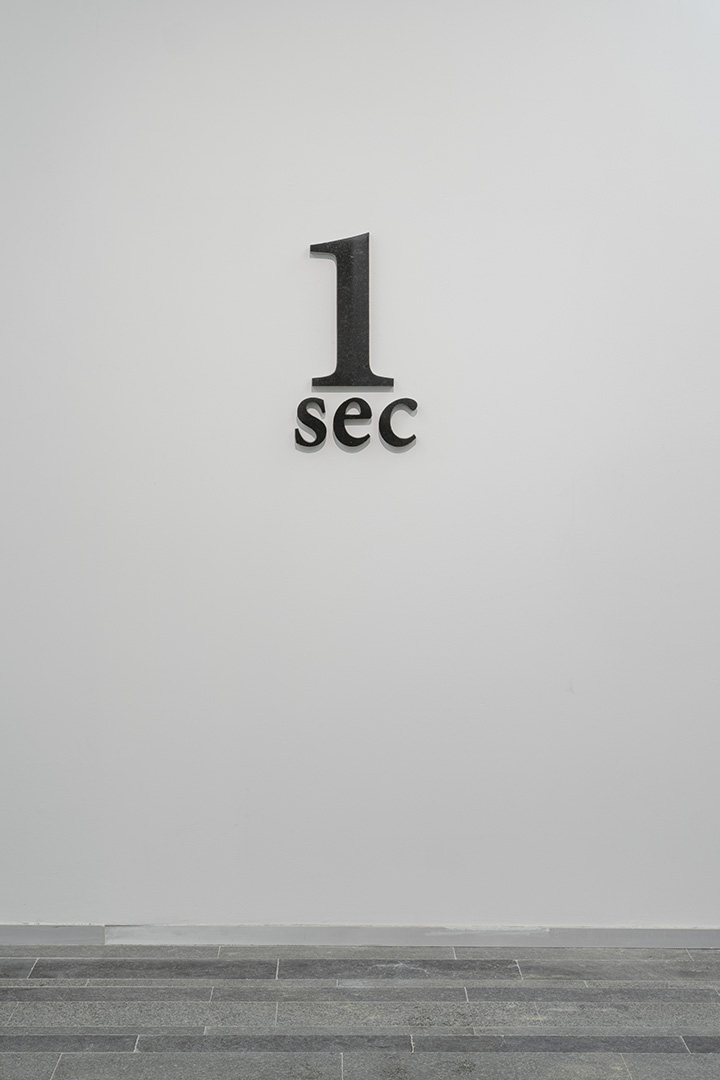
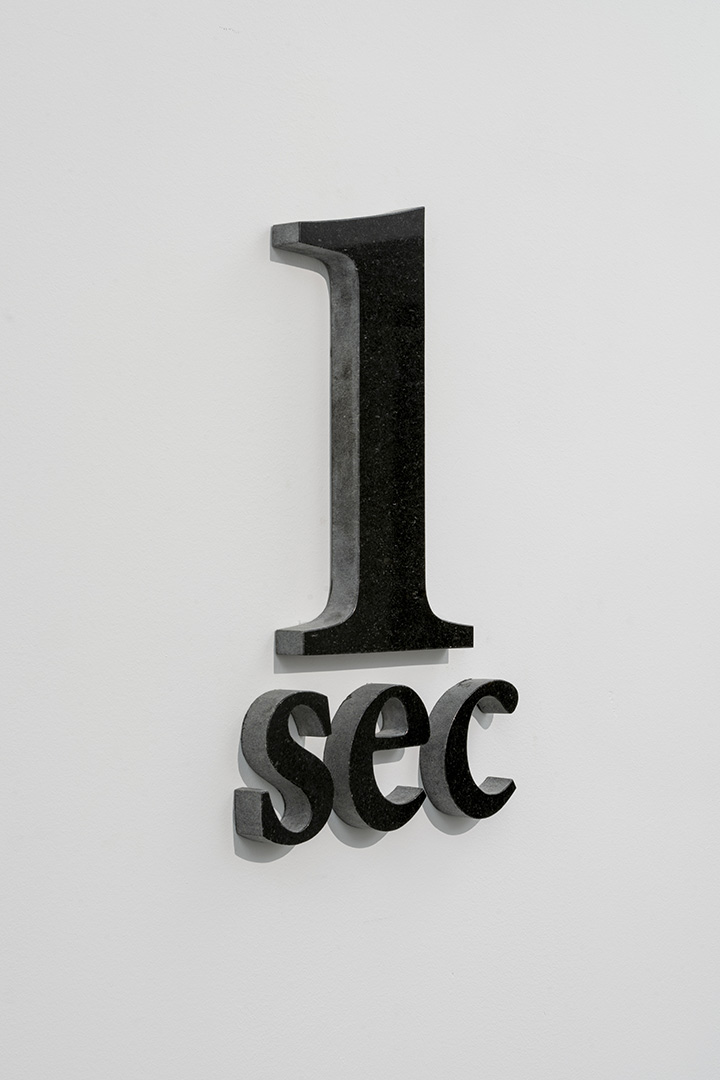
How long is a second? Can time slow down, freeze, and sometimes, conversely, suddenly become uncontrollably fast? In his work Black Granite Sculpture, Pavlo Kovach invites the viewer to think about simple yet fundamental questions. In the exhibition space, the moment of encounter with this work takes on special importance. As we journey through the exhibition, we spend time with stories of other people’s difficulties and joys, slowly approaching the issue of how we actually feel. How long will our joy last? Can empathy multiply the joys we encounter along the way?
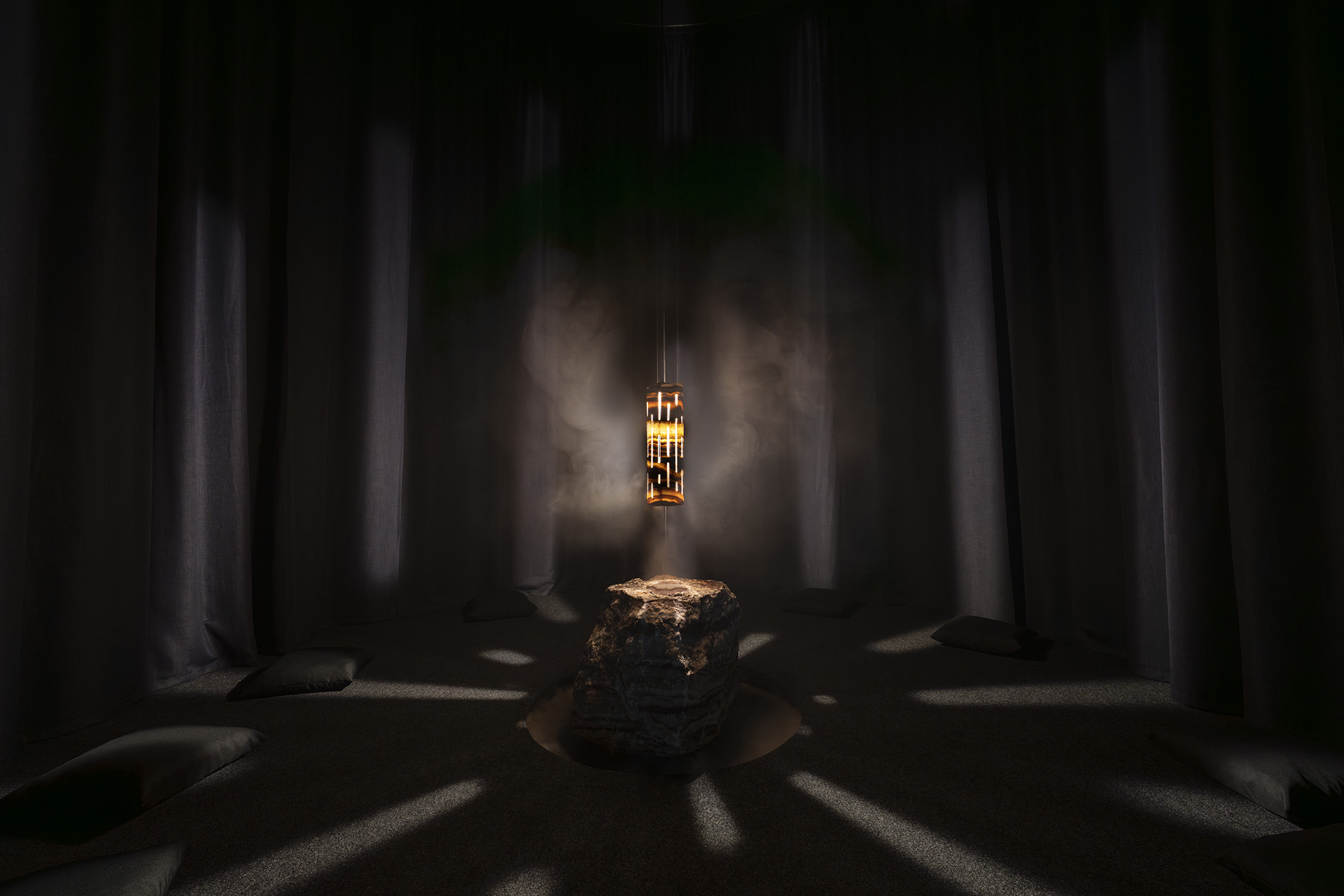
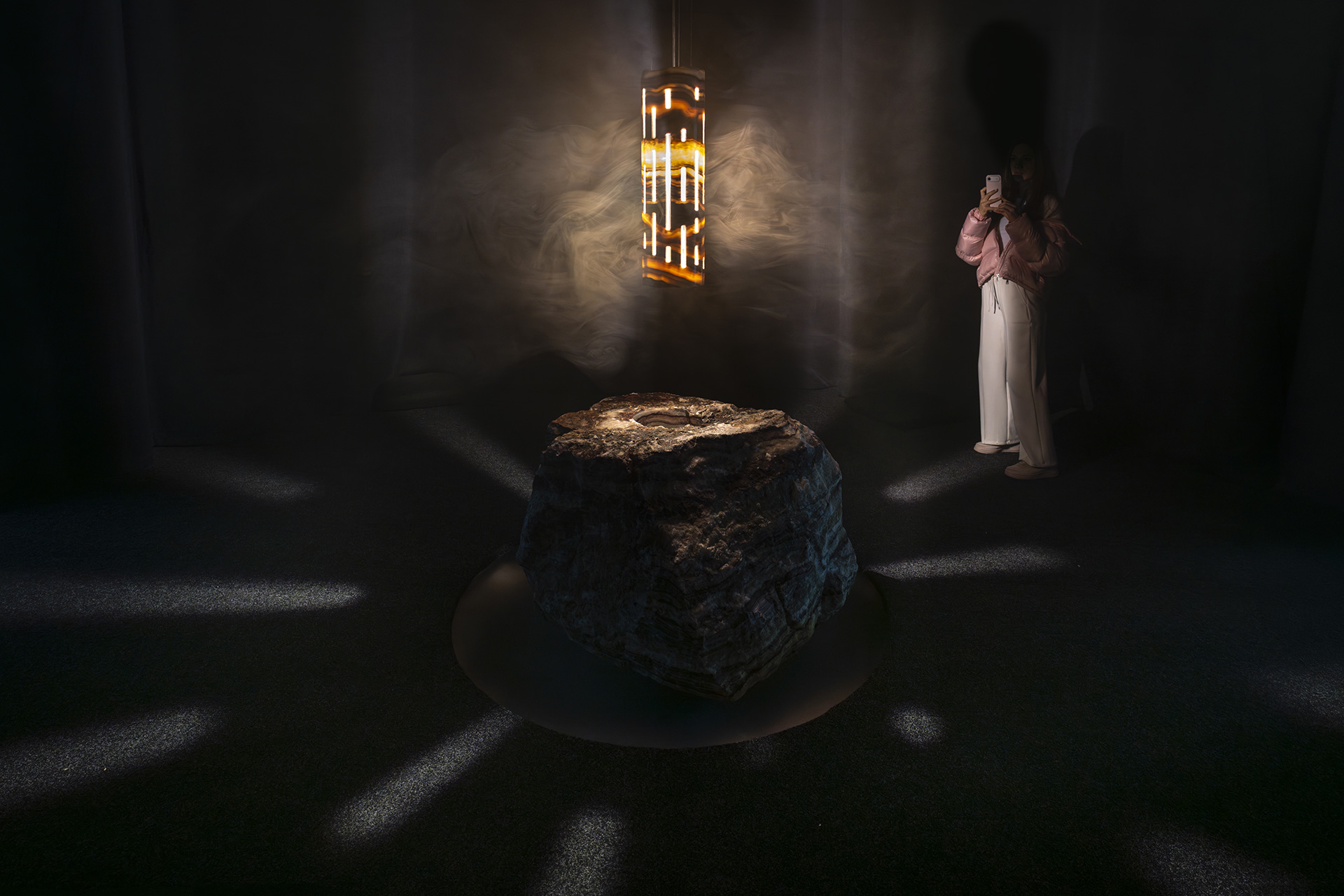
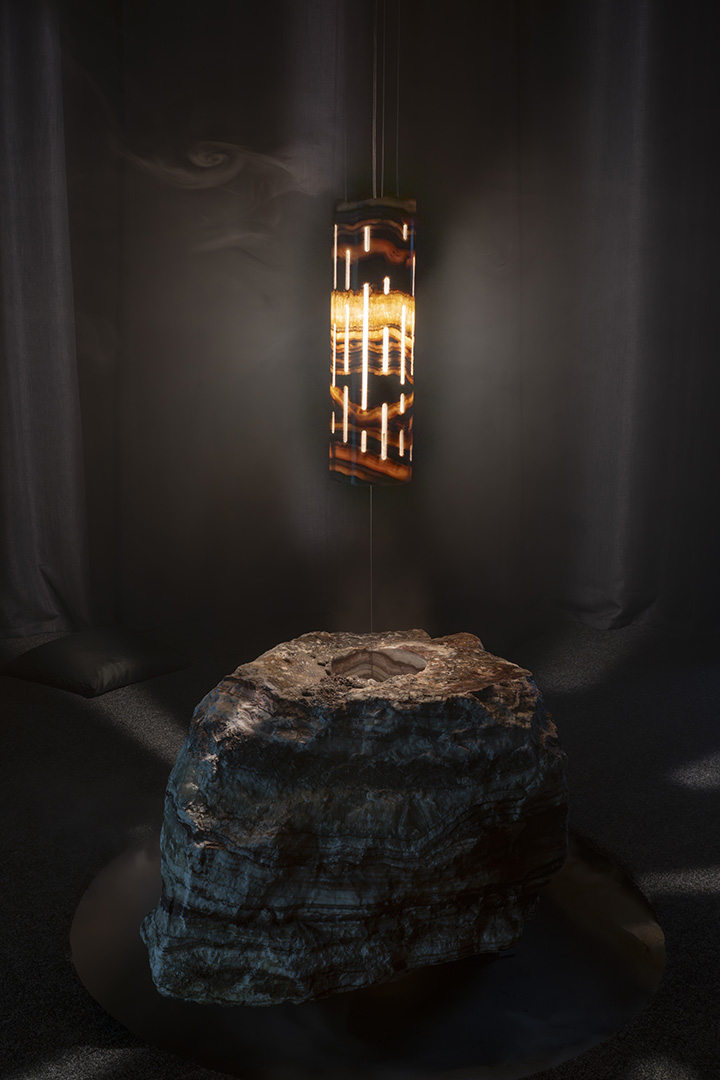
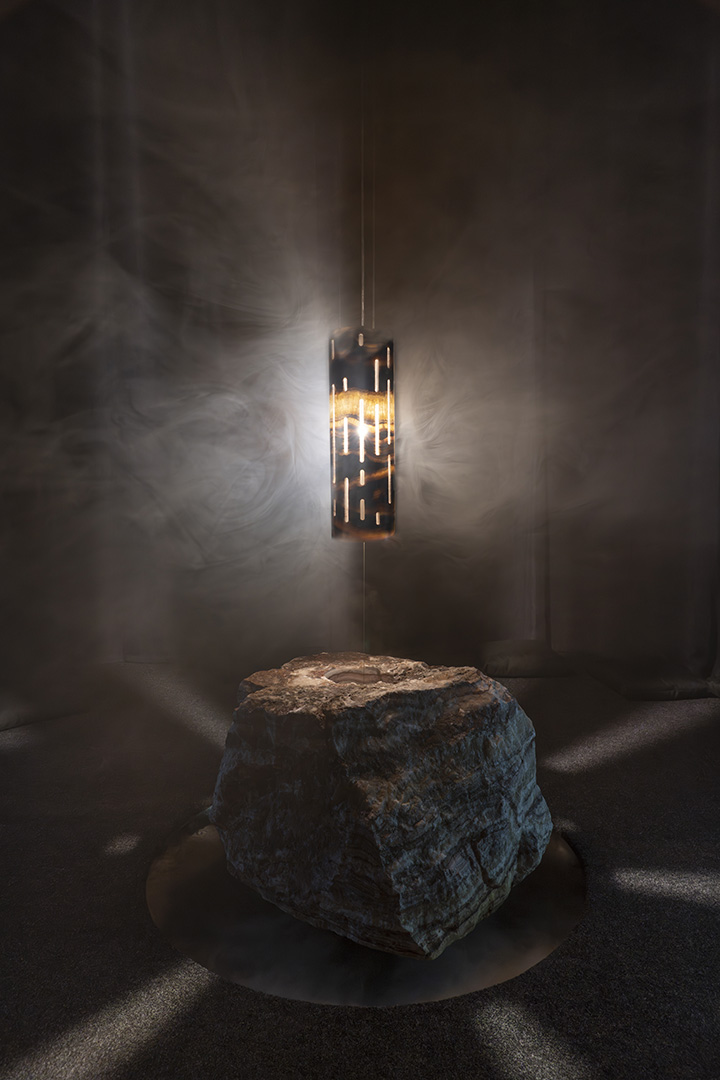
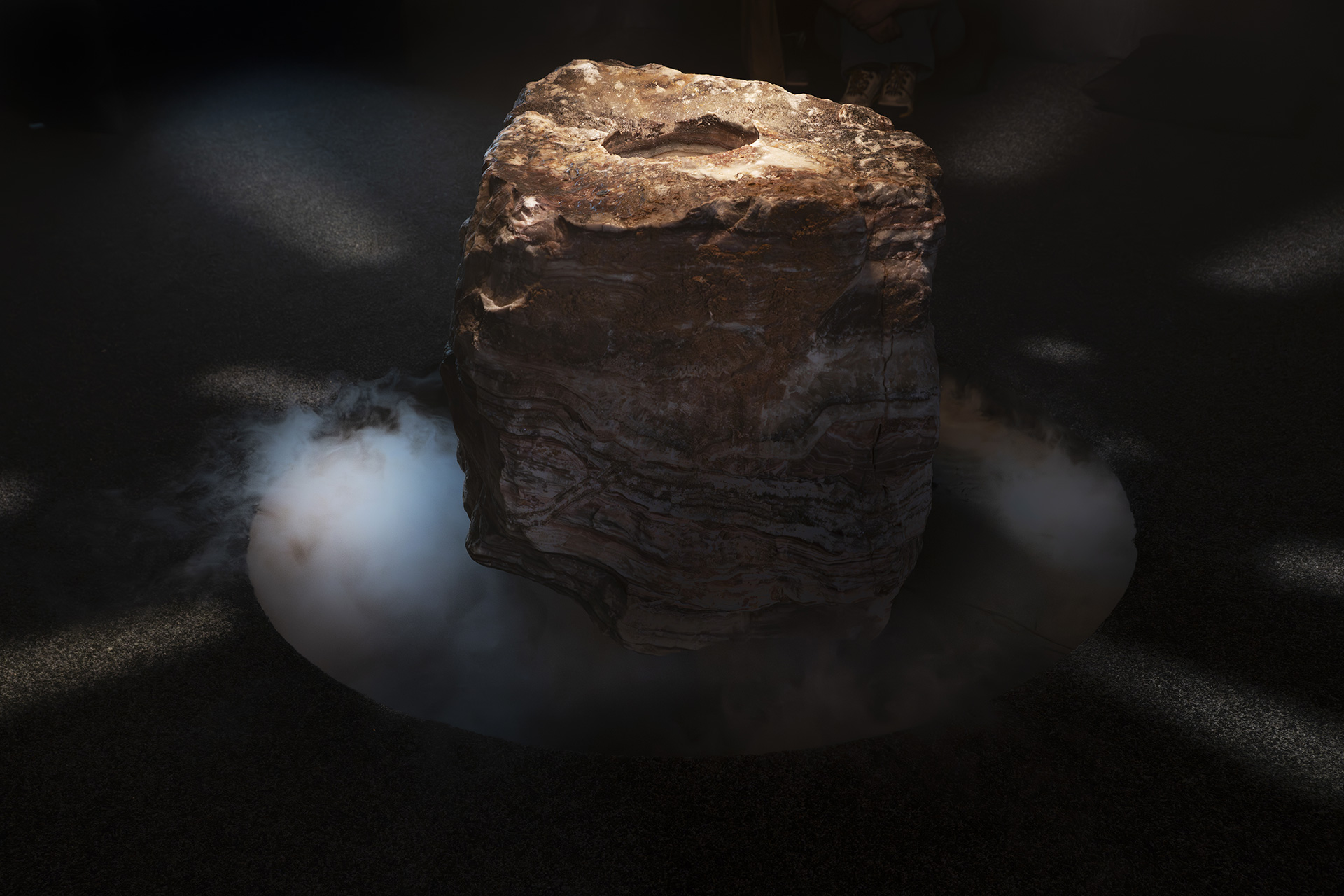
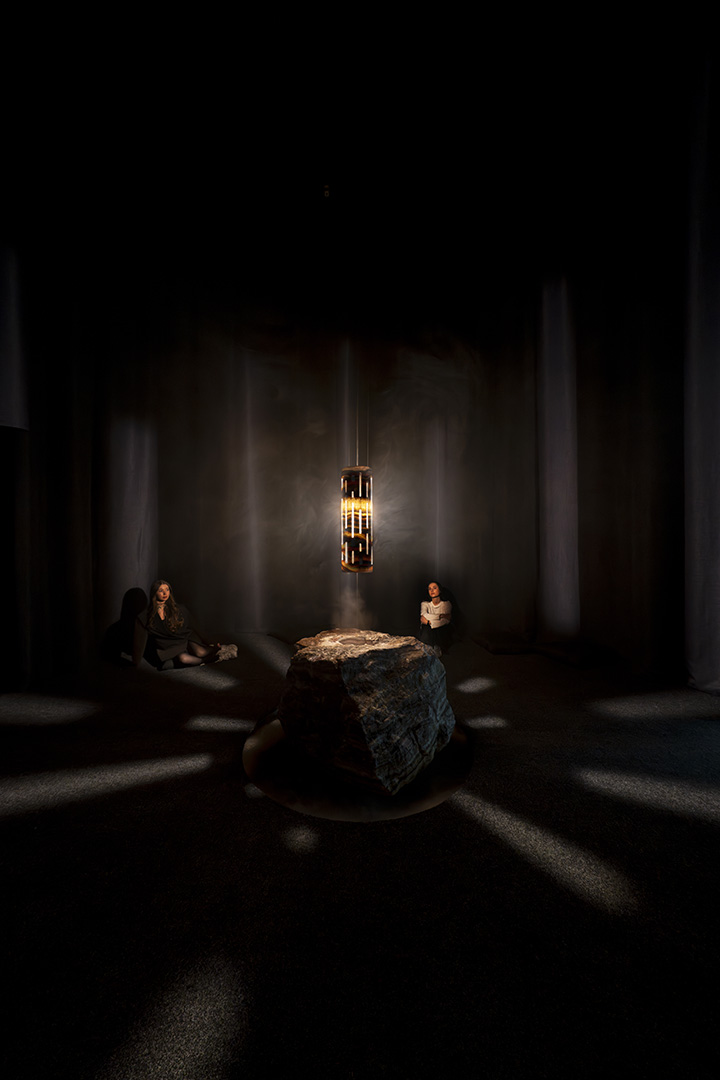
Light penetrates through closed eyelids, inviting viewers to a shared meditative experience in the space of Julian Charrière’s Vertigo installation. You can sit or lie down next to the sculpture. An onyx lamp rotates above a massive stone, as if pulled from its core, scattering sharp rays of light into space. This is a modern interpretation of Brion Gysin’s Dreammachine, a device that creates a hypnotic light rhythm. The space is filled with the sounds of two volcanoes recorded in Iceland and Ethiopia. Their dull rhythms seem to be communicating in a language we don’t understand. After all the stories of fragile human joy, this work returns us to something much older and bigger than human experience — to the earth, to minerals, to time that continues beyond us. And in this quiet encounter with the world’s matter, another form of joy emerges — the feeling of presence.
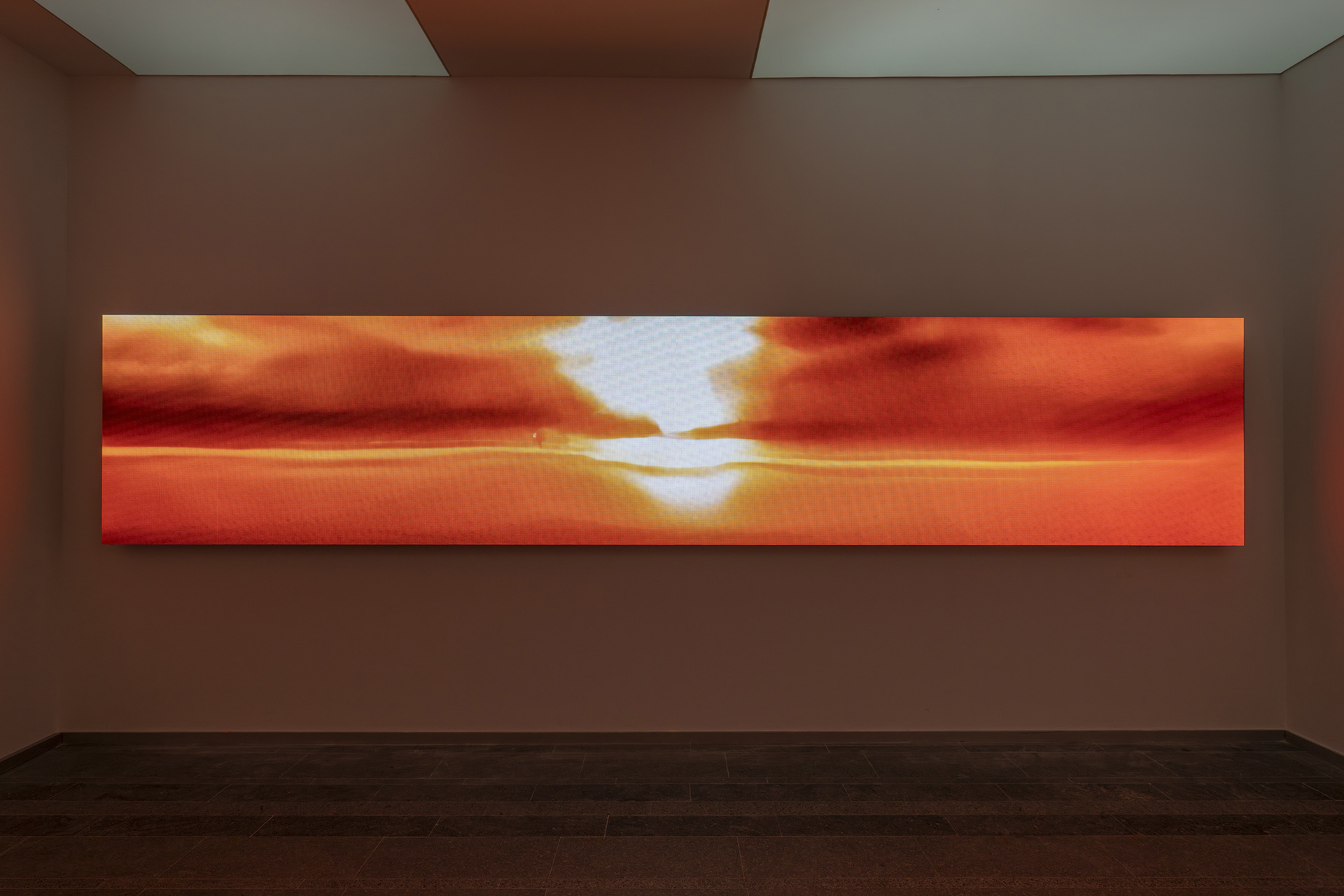
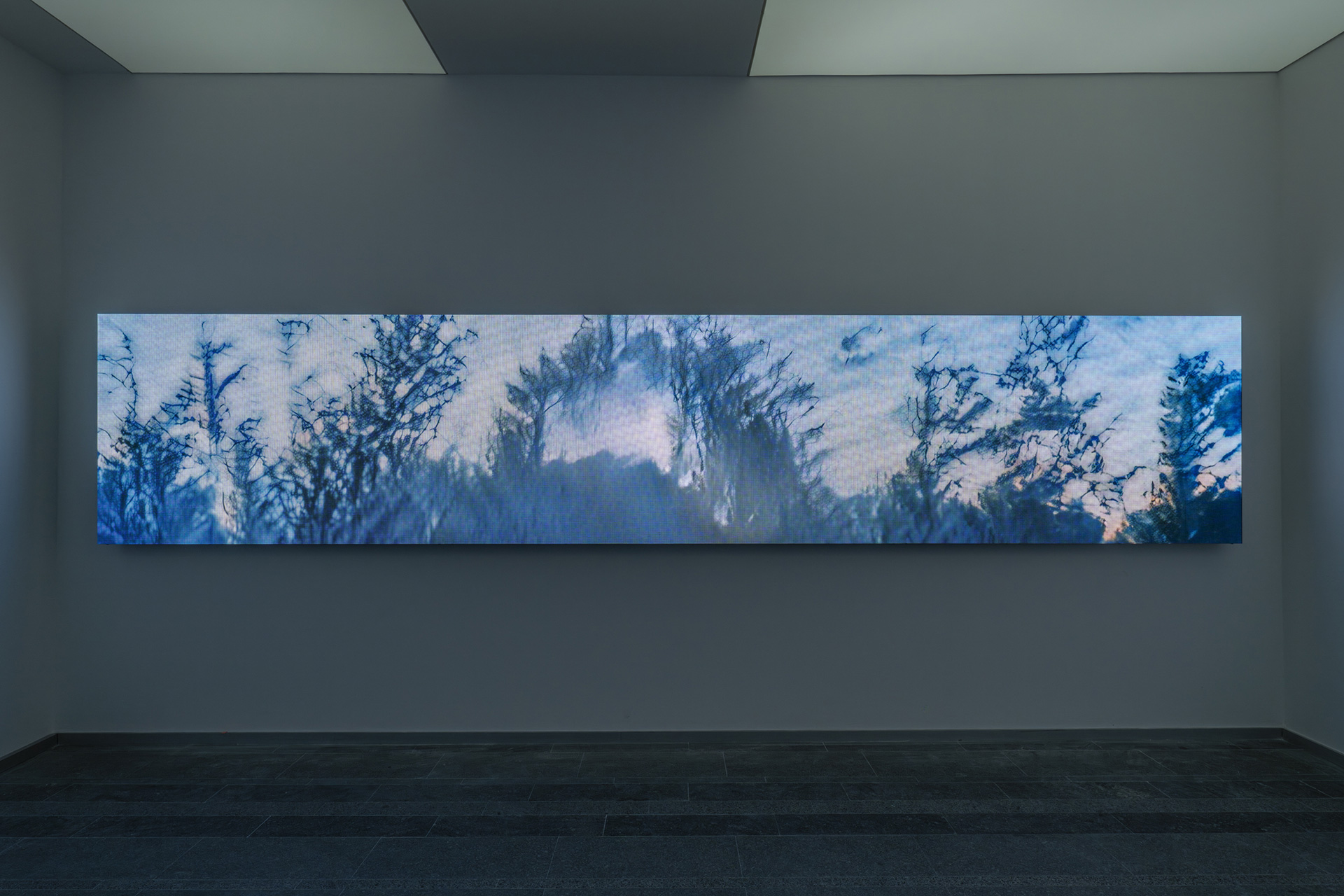
When it seems like the night will never end, the first rays of light appear. They gradually displace the darkness and fill the space with an intense glow — as if the sun suddenly exploded in the sky. Lesia Vasylchenko’s video Tachyoness shows shots of dawn from 1990 to 2022, collected into one continuous event. The work was created by the artist with the use of AI. It analyzed thousands of pictures of dawn and combined them into a single machine-generated memory, although it is nevertheless composed of real human memories of light rising over Ukraine.